
10 simple rules that keep impulse buys from coming through the door

You don't have to track every penny to protect your budget from random buys. A few "house rules" can do most of the heavy lifting for you. When you stick to them, you're not relying on last-minute willpower in the middle of Target or while you're half-asleep scrolling Amazon.
Think of these like guardrails. You set them once, and they quietly do their job.
Sleep on anything over your limit

Pick a number that feels right for your season-$20, $30, $50-and make a rule: anything over that waits at least 24 hours. No exceptions.
If you still want it after a day (or a week), you can work it into the budget. If the excitement disappears, your answer just showed up for you.
Always shop with a short list

Going into a store or opening an app without a list is basically inviting impulse buys in. Keep a simple running list in your phone and check it before you go anywhere.
It doesn't have to be fancy-just "paper towels, eggs, birthday gift for Sarah" is enough to keep you anchored while you shop.
One in, one out

For anything that takes up space-clothes, toys, kitchen gadgets-set a one-in, one-out rule. If you bring something new home, something else in that category has to leave.
This doesn't just help clutter. It also makes you pause and ask, "Do I like this enough to let something else go?"
Avoid saving cards on every site
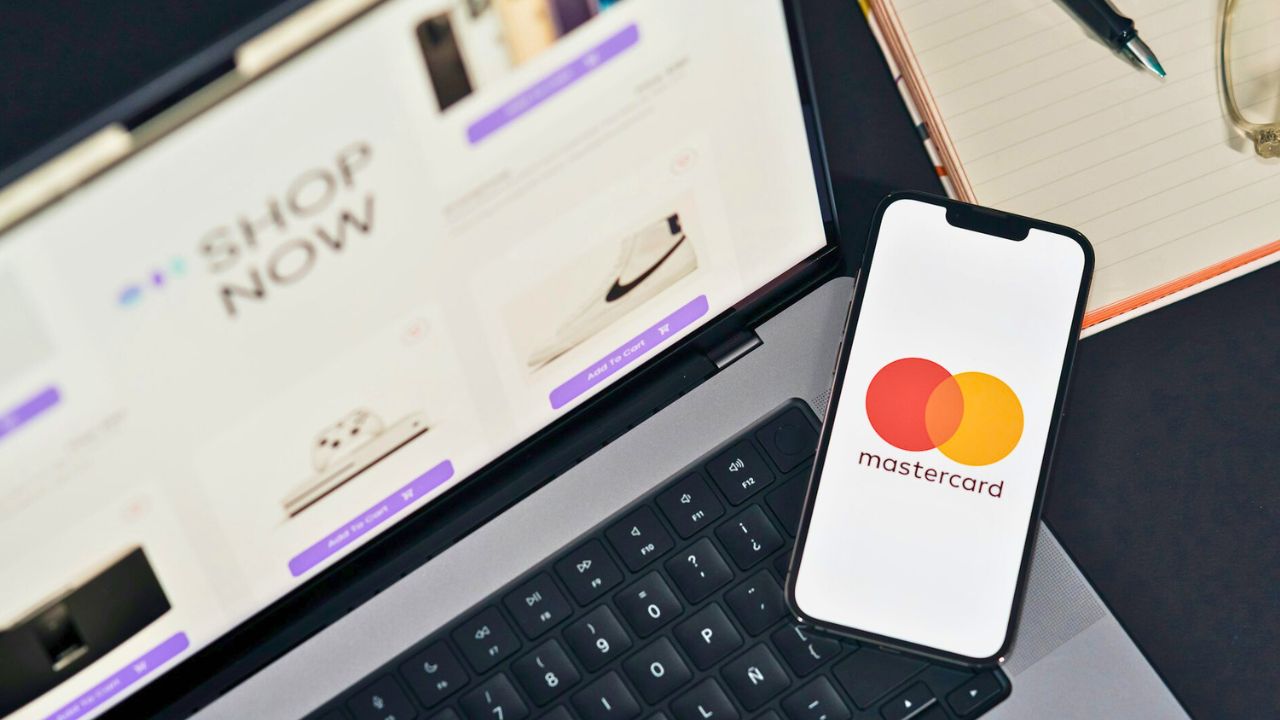
If every store has your card saved, impulse buys are one tap away. Choose one or two places you trust for saved payment info, and remove it everywhere else.
Having to get up and grab your wallet is just enough friction to knock a lot of "I kinda want this" moments off the list.
Stay off shopping apps when you're tired or upset

Make a personal rule: no browsing or buying when you're exhausted, mad, or sad. That's when your brain is hunting for quick relief, not long-term good decisions.
If you catch yourself reaching for shopping in that state, reroute to a different "comfort" habit you chose when you were calm.
Schedule store days instead of popping in constantly

Every "quick trip" has a way of turning into a mini haul. Instead of dropping by three times a week, pick one or two days for errands and stick to it.
The fewer chances you give yourself to wander through aisles, the fewer surprises your budget gets.
Use a "permission" fund for fun stuff

Build a small fun-money bucket into your budget that you can spend without guilt. Once it's gone for the month, it's gone.
Knowing you do have room for treats makes it easier to say no in the moment, because you're not in "never" mode-you're in "not right now" mode.
Unsubscribe from emails that make you want to spend

If every other email says "sale ends tonight," your brain feels like everything is urgent. Take ten minutes and unsubscribe from the stores that tempt you most.
You can always go directly to their site when you truly need something. You don't need them walking into your inbox every day.
Have a plan for returns-and use it
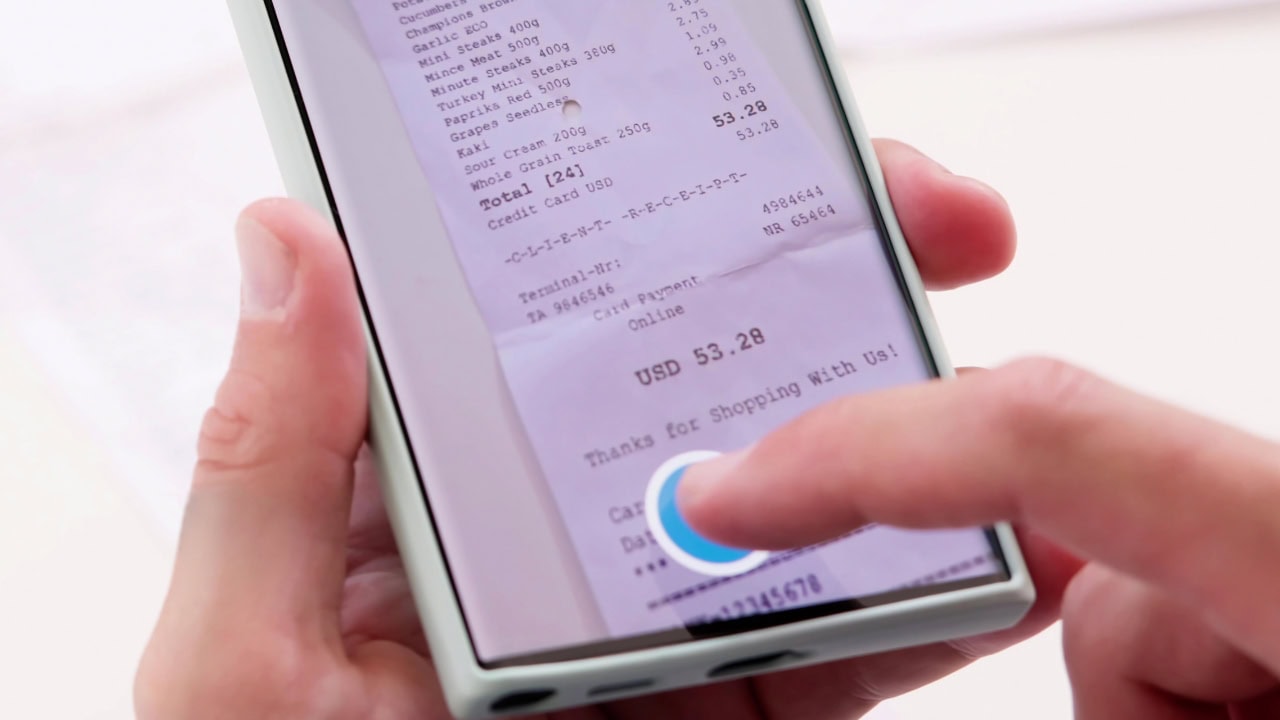
Sometimes you realize you did make an impulse buy. The rule here: if you regret it, return it while you still can.
Keep receipts and order confirmations in one place and know how long you have. You're not stuck with a bad decision just because you were tired when you made it.
Keep a big-picture goal visible

Put your main money goal somewhere you'll see it: fridge, phone lock screen, bathroom mirror. "Pay off card." "Save $500." "Cash-flow Christmas."
When you remember what you're working toward, it's easier to walk past little things that don't actually matter. You're not just giving something up-you're choosing something better.
Like Thrifty Jinxy's content? Be sure to follow us.
Here's more from us:
How to Make Baby Yoda Cookies with Step-by-Step Instructions
Super Easy Biscuit Recipe with No Shortening
*This article was developed with AI-powered tools and has been carefully reviewed by our editors.






Leave a Reply