
10 signs you're better with money than you realize

Most people think being "good with money" means having a perfect budget or a fat savings account-but that's not the full picture. Being smart with your money doesn't always show up in flashy ways. A lot of it comes down to habits, mindset, and the way you handle everyday decisions.
So if you've been working on your finances and wondering if it's even making a difference, here are some quiet signs you're doing better than you think.
You Think Before You Swipe

If you pause before buying something-even to ask, "Do I really need this?"-you're ahead of the game. That kind of awareness doesn't come naturally to everyone, and it means you're not letting emotions run your wallet.
Stopping to think means you're in control. It's a sign that you're training your brain to weigh your options and consider the long-term impact instead of chasing short-term satisfaction.
You Know What's Coming In and What's Going Out
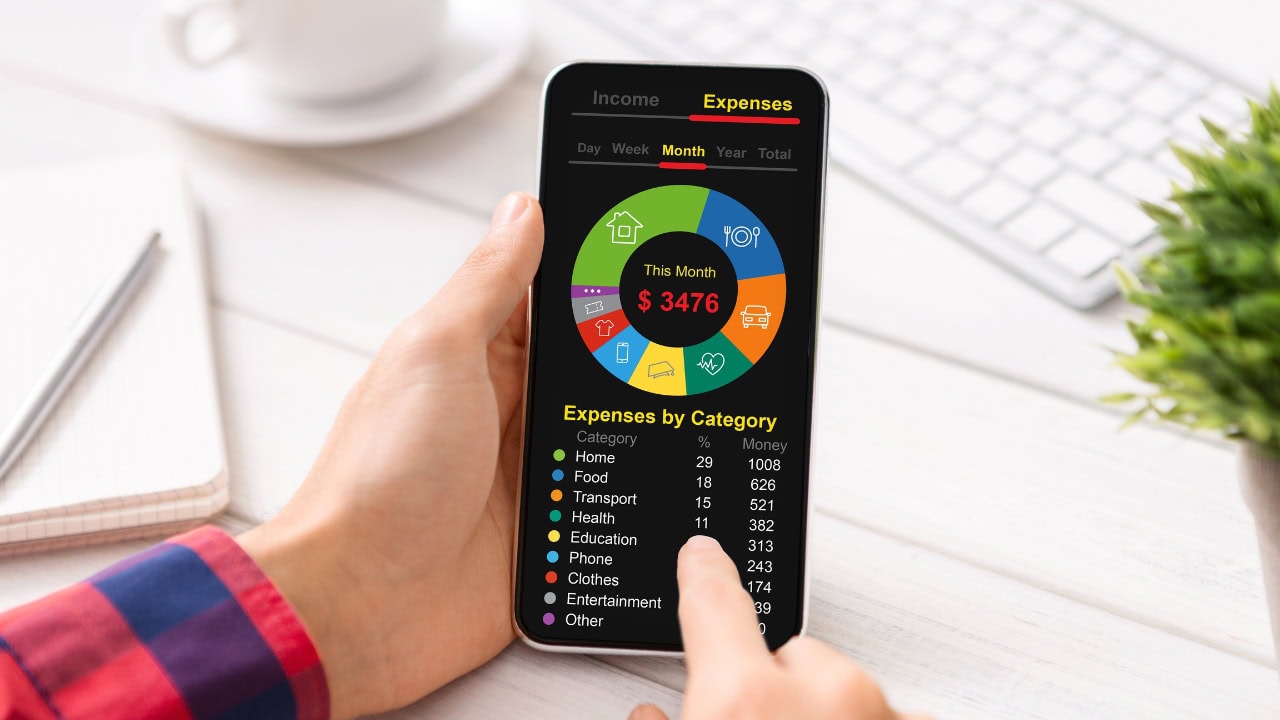
You don't have to have a color-coded spreadsheet, but if you keep track of your income and expenses, that's huge. Knowing your numbers gives you power. It means you're not living in the dark and hoping it works out.
A lot of people avoid looking at their accounts because it stresses them out. If you're willing to face the numbers-even when they're not perfect-you're already more responsible than you think.
You Pay Attention to Due Dates

If you're not constantly missing bills or getting hit with late fees, that's a win. Staying on top of due dates is a habit that saves you money and protects your credit, even if you don't realize how much it's helping.
It shows you're managing your responsibilities and staying organized enough to avoid unnecessary penalties. That's a skill, and it matters.
You've Said No to Something You Could Afford

Being able to buy something but choosing not to is a quiet kind of power. It means you're not letting your spending define your success or happiness. That's a level of discipline a lot of people never reach.
When you don't feel the need to prove anything with your purchases, your money goes further. That kind of restraint builds long-term stability, even if it doesn't always feel exciting in the moment.
You've Made Peace With Living Below Your Means

If you've learned to be content with less-even when you could stretch for more-you're on the right track. Living below your means is one of the most underrated money moves you can make.
It gives you margin. Margin to save, to breathe, to deal with life without spiraling into debt. If you're doing that, you're doing better than most.
You've Learned From Past Mistakes

Nobody gets everything right the first time. But if you've looked back at a bad financial decision and made changes because of it, that's real growth. And that counts more than always getting it right.
Learning from experience-especially when it hurts-is one of the clearest signs you're building financial maturity. You're not doomed to repeat the same patterns, and that alone sets you apart.
You Prioritize Needs Before Wants

If you're the type to knock out groceries, gas, and bills before thinking about fun money, that's a sign your head's in the right place. A lot of people do it backwards and end up scrambling at the end of the month.
When you focus on what actually matters first, it makes everything more stable. That kind of decision-making is what sets up long-term success, even when your income isn't high.
You've Built Any Amount of Savings

It doesn't have to be thousands. If you've made the effort to tuck away even a small emergency fund, that's a big deal. Most people never do it.
It means you're thinking ahead and preparing for life's surprises instead of pretending they won't happen. That alone shows you're handling your money with more maturity than you might give yourself credit for.
You Know What Triggers Your Spending

Awareness is half the battle. If you know you're more likely to spend when you're stressed, tired, or scrolling social media, you've already started taking back control.
Once you know your patterns, you can change them. That kind of self-awareness is a major step toward financial stability-and it puts you ahead of a lot of people still stuck in denial.
You're Willing to Wait

Whether you're saving for something or holding off until a better deal pops up, the ability to wait is a strength. Delayed gratification isn't fun, but it builds long-term results.
If you've learned to be patient instead of impulsive with money, you're further along than most. That habit is what builds savings, avoids debt, and leads to bigger wins down the road.
*This article was developed with AI-powered tools and has been carefully reviewed by our editors.






Leave a Reply