
10 shopping habits that stopped me from overspending

Overspending doesn't always happen because you don't have a budget-it often happens because of habits. The way you approach shopping can make or break your finances, and small changes add up to big differences over time.
Once you get intentional about how you shop, you stop filling your house with things you don't need and start keeping more money in your pocket. Here are ten shopping habits that helped me stop overspending.
Making a list before shopping
Walking into a store without a list leaves too much room for impulse buys. A written list keeps you focused on what you actually need, not what catches your eye on the shelf.
By sticking to the list, you cut out extras that would've slipped into your cart. Over time, this habit trains you to be more intentional and keeps your spending under control.
Waiting 24 hours before buying extras

When something tempts you, waiting a day helps you figure out if you actually want it. Most of the time, the urge to buy fades once you've stepped away.
This pause keeps you from filling your home with items you don't use. If you're still thinking about it after 24 hours and it fits the budget, then it's worth considering.
Comparing prices before checking out

Price differences between stores, apps, or websites can be big. Taking a minute to compare often saves you more than you'd expect.
This habit keeps you from paying retail when a better option is right there. It also helps you notice patterns in sales so you know when to wait and when to buy.
Avoiding the clearance trap
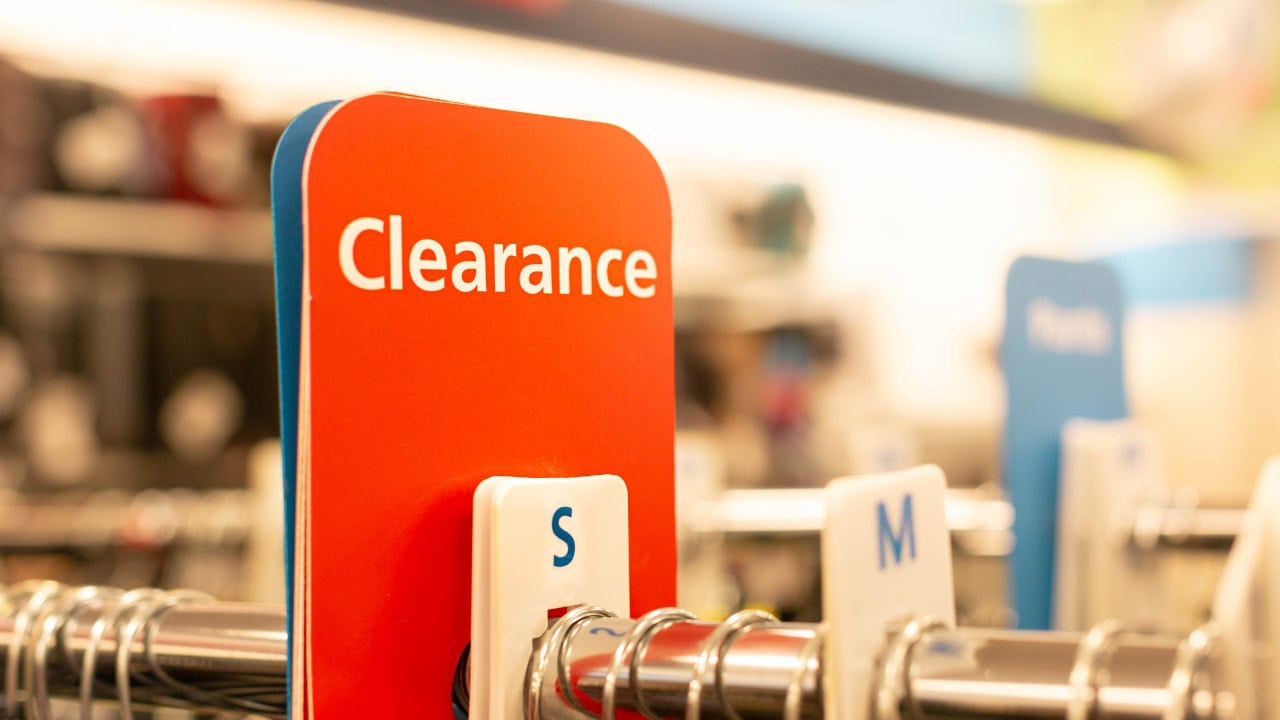
Clearance racks can make you think you're saving money, but buying things only because they're discounted usually backfires. If it's not something you'd have bought full price, it's not really a deal.
By skipping unnecessary clearance buys, you free up money for things that actually matter. This habit keeps you from filling closets with "bargains" that never get used.
Shopping with cash instead of cards
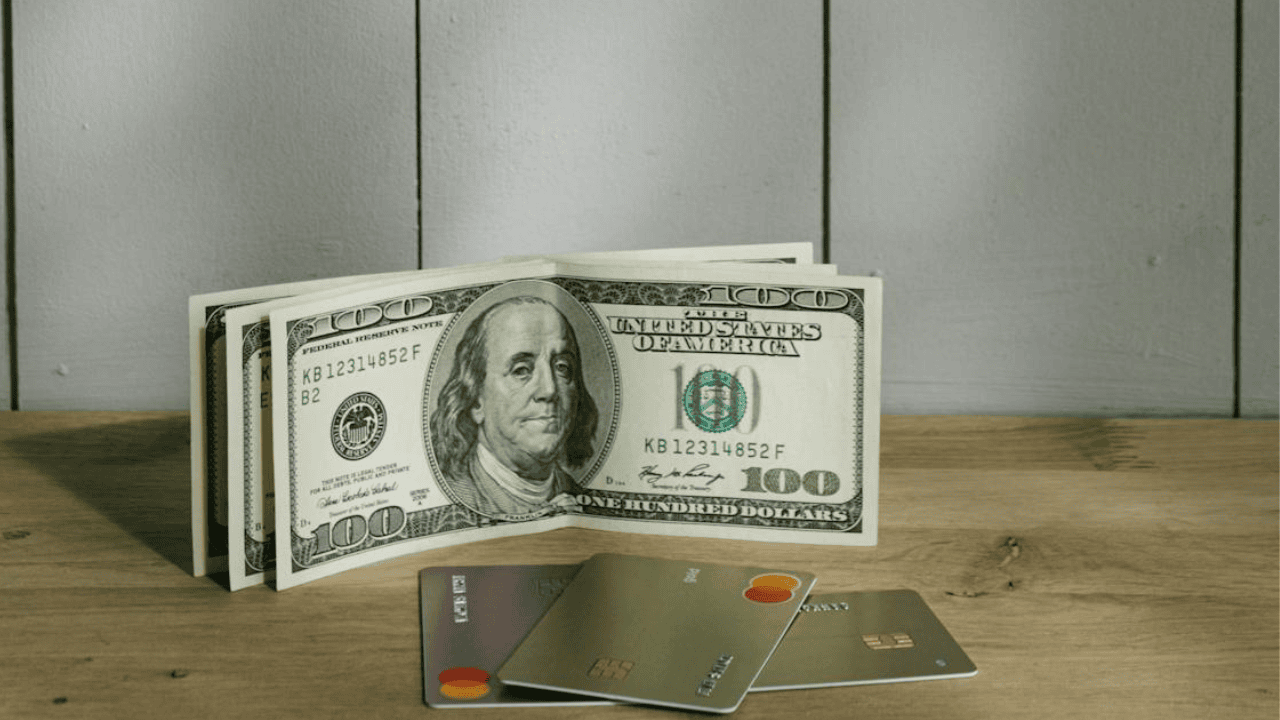
Using cash sets a clear limit. Once it's gone, you're done spending. Cards, on the other hand, make it too easy to swipe without noticing totals.
This habit makes you think harder about each purchase. It creates a natural stopping point that helps you avoid overspending without feeling like you're cutting yourself off completely.
Limiting store trips

The fewer times you walk into a store, the fewer chances you have to overspend. Quick trips add up fast, especially when you pick up extras each time.
Consolidating errands into one or two trips a week saves time and money. You stick closer to your list and avoid falling into the habit of shopping as entertainment.
Unsubscribing from retail emails
Marketing emails are designed to make you buy, even when you weren't planning to. Seeing sales in your inbox all the time creates temptation you don't need.
Unsubscribing cuts out that constant push to spend. You'll only shop when you actually need something, not because a store told you today was the "last chance."
Setting a budget for extras

Extras like eating out, hobbies, or clothing can sneak up on you. Giving yourself a set amount each month keeps those categories in check.
This habit lets you enjoy some flexibility without losing control. Once the budgeted amount is spent, you stop. That structure prevents overspending without making you feel restricted.
Checking the house before buying
Buying duplicates is one of the easiest ways to waste money. Before shopping, checking closets, cabinets, and storage helps you avoid buying what you already own.
This habit saves money and space. You stop ending up with five bottles of the same cleaner or clothes that never get worn because you forgot what you had.
Asking if it's worth the time

Every purchase isn't just about money-it's about how much time it took you to earn that money. Thinking of a $50 purchase as "a few hours of work" puts things into perspective.
This habit makes you more selective about what's actually worth buying. When you connect your spending to your time, you naturally avoid overspending on things that don't matter.
*This article was developed with AI-powered tools and has been carefully reviewed by our editors.






Leave a Reply