

Back-to-school season is basically a slow leak on your bank account. Between clothes, supplies, and fees, families are now spending around $850-$900 per student on average, and that's before you factor in sports, pictures, and fundraisers layered on top.
Most of the pain isn't one big bill. It's the drip-drip of little "oh, it's just $15" moments that hit every week from August through October.
1. The second round of school supplies and "wish list" items

You already did the big supply run. Then the emails start:
- "We still need Kleenex and Clorox wipes."
- "We're short on dry erase markers."
Individually, it's $5 here, $10 there. Over a whole fall, it can double what you thought you spent on supplies. Set a small monthly "classroom stash" budget so it doesn't blindside you.
2. Tech fees, lab fees, and "materials" charges

Even in public school, you'll see line items like:
- Technology fee
- Science lab fee
- Art materials fee
They often show up on separate invoices or portals, not at the same time as supplies. None of them are huge on their own, but stack a few kids and a few classes, and that's another $100-$200 you didn't plan on.
3. Activity and club dues
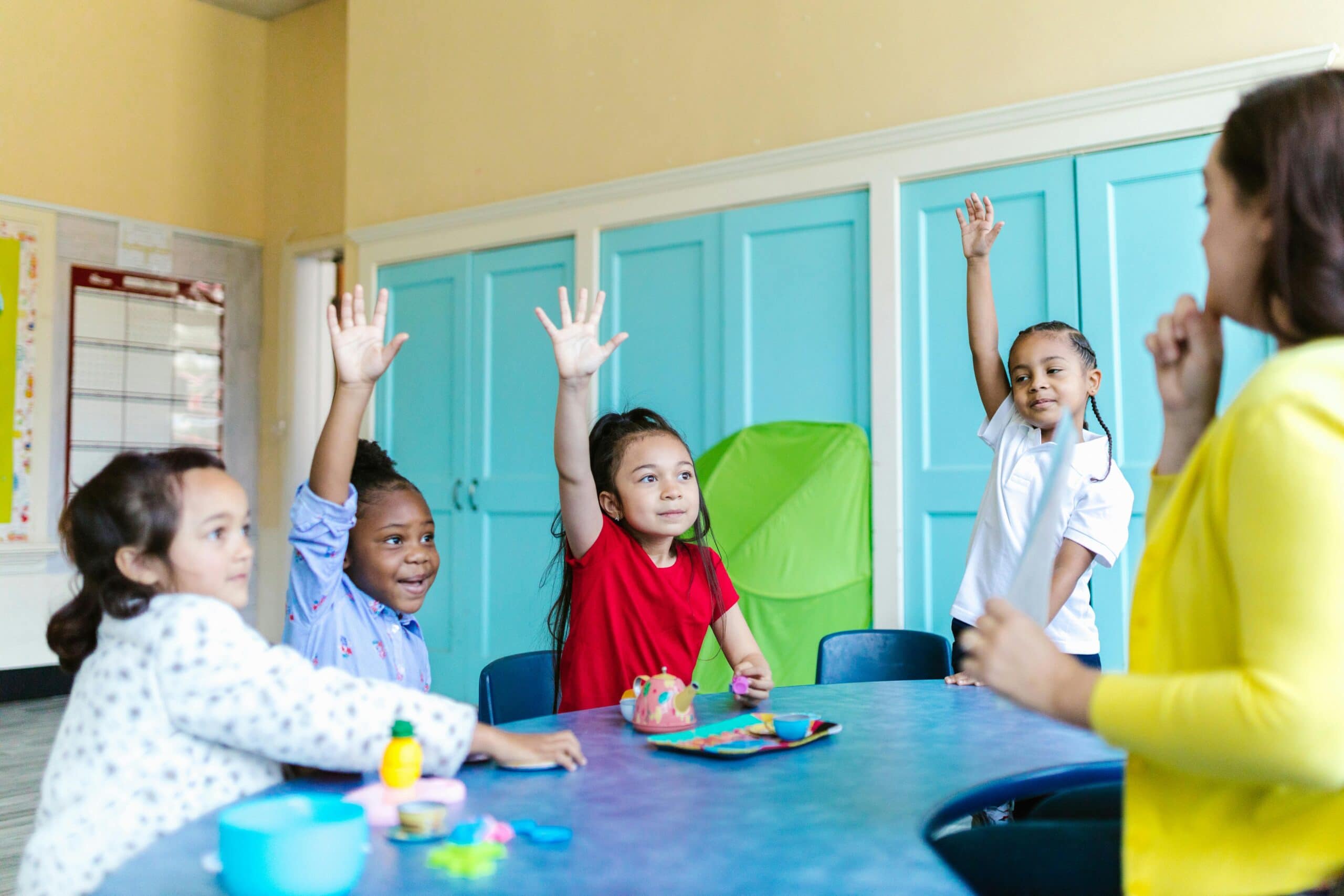
Clubs sound cheap: "It's only $20 to join." Then you discover there are shirts, snacks, extra events, and occasional trip costs.
Before you say yes to everything, ask basic questions: Is there a yearly dues amount? Are there extra events that cost more? You might decide each kid gets one "big" activity and one cheaper one instead of a full slate.
4. Sports and extracurricular registration
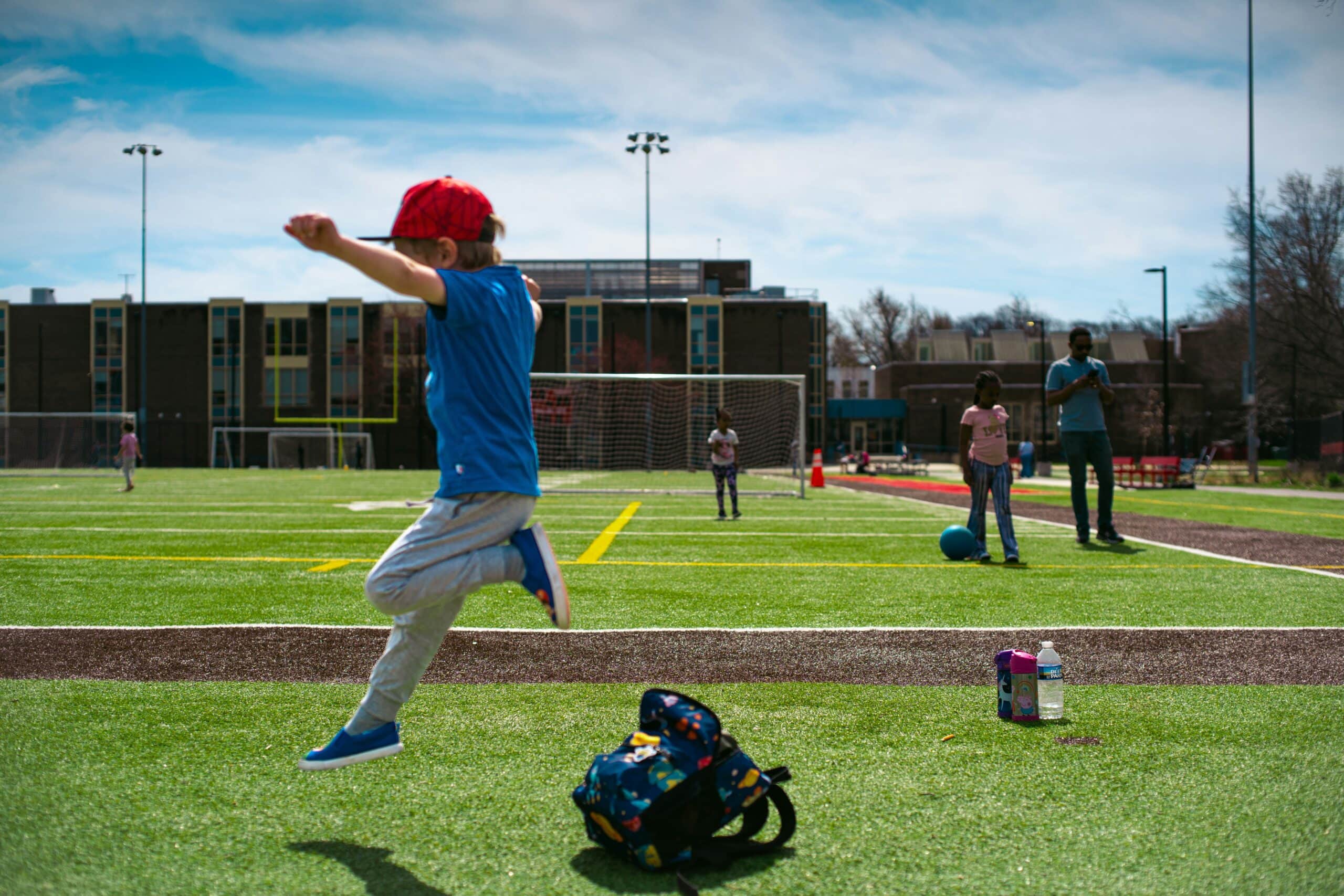
Even school-based sports have registration fees, spirit wear, and gear. Club or travel versions are on another level, with average youth sports spending now pushing $800-$1,000 per child per year in many families.
The sneaky part is the timing-fall sports fees hit right after back-to-school shopping when your budget is already tired.
5. School pictures (and retakes…and sports photos)

Picture day looks harmless until you see the packages:
- Basic sheet
- Digital copy
- Class composite
- Sibling add-ons
You don't have to buy everything they offer. Pick one package that makes sense, skip the extras, and ignore the feeling that you're a bad parent if you don't buy the biggest bundle.
6. Field trip deposits and "voluntary" donations
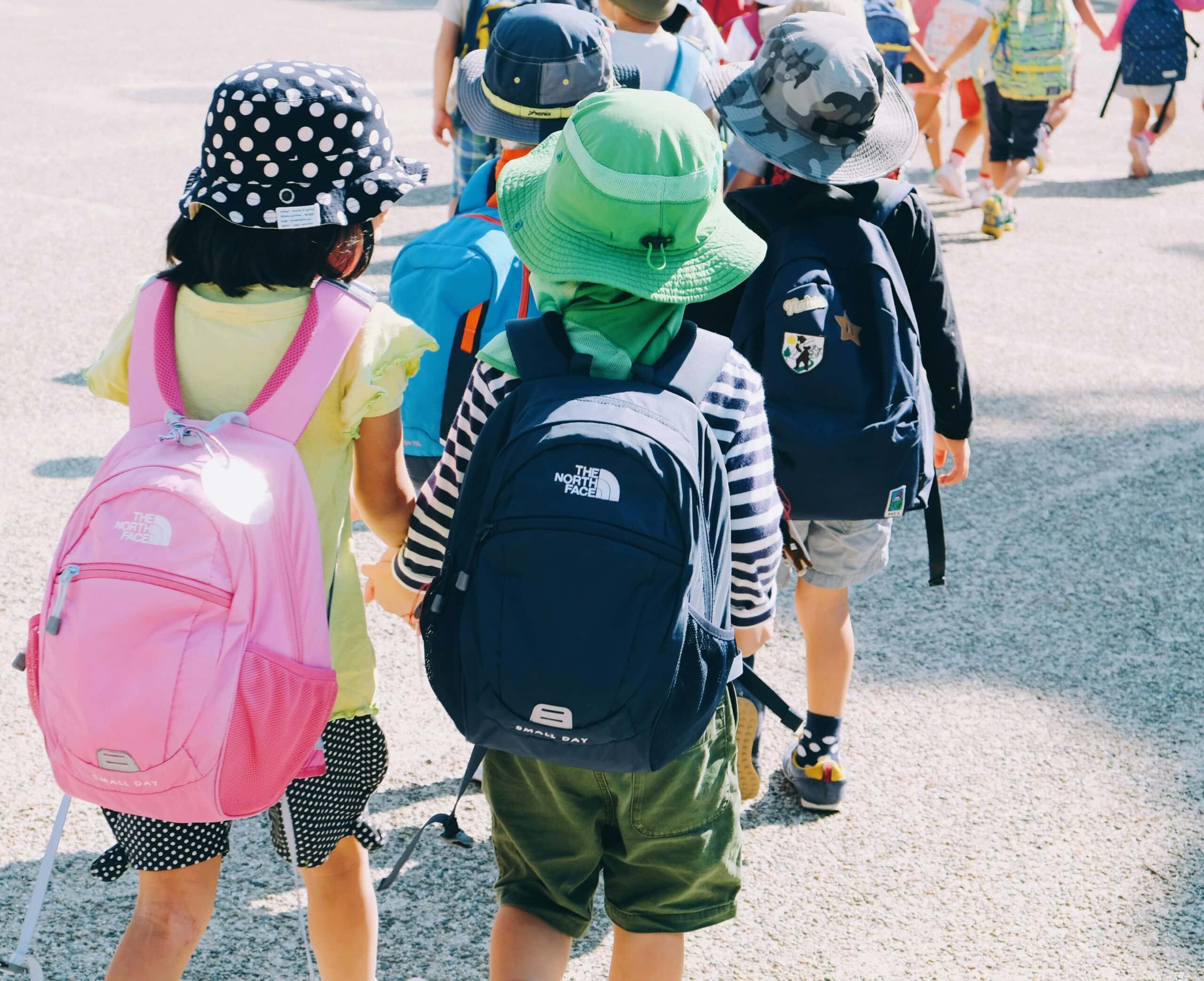
Field trips rarely show up in August. They pop up once everyone's settled and the bus schedules are set. It's usually:
- Ticket cost
- Transportation fee
- Suggested donation
It's okay to ask if the donation is truly optional and to say "we're skipping this one" if it doesn't feel worth it. Not every $25 pumpkin patch day is a must.
7. Teacher gifts and classroom celebrations

You'll see:
- Beginning-of-year "welcome" gifts
- Holiday gifts
- Teacher appreciation week
- Classroom party signups
If you're not careful, that's $10-$30 a pop, several times a year, per kid. Decide ahead of time what you can reasonably give-like a set amount per teacher spread across the year-so you're not guilt-spending every time a sign-up form goes out.
8. Fundraisers and spirit nights
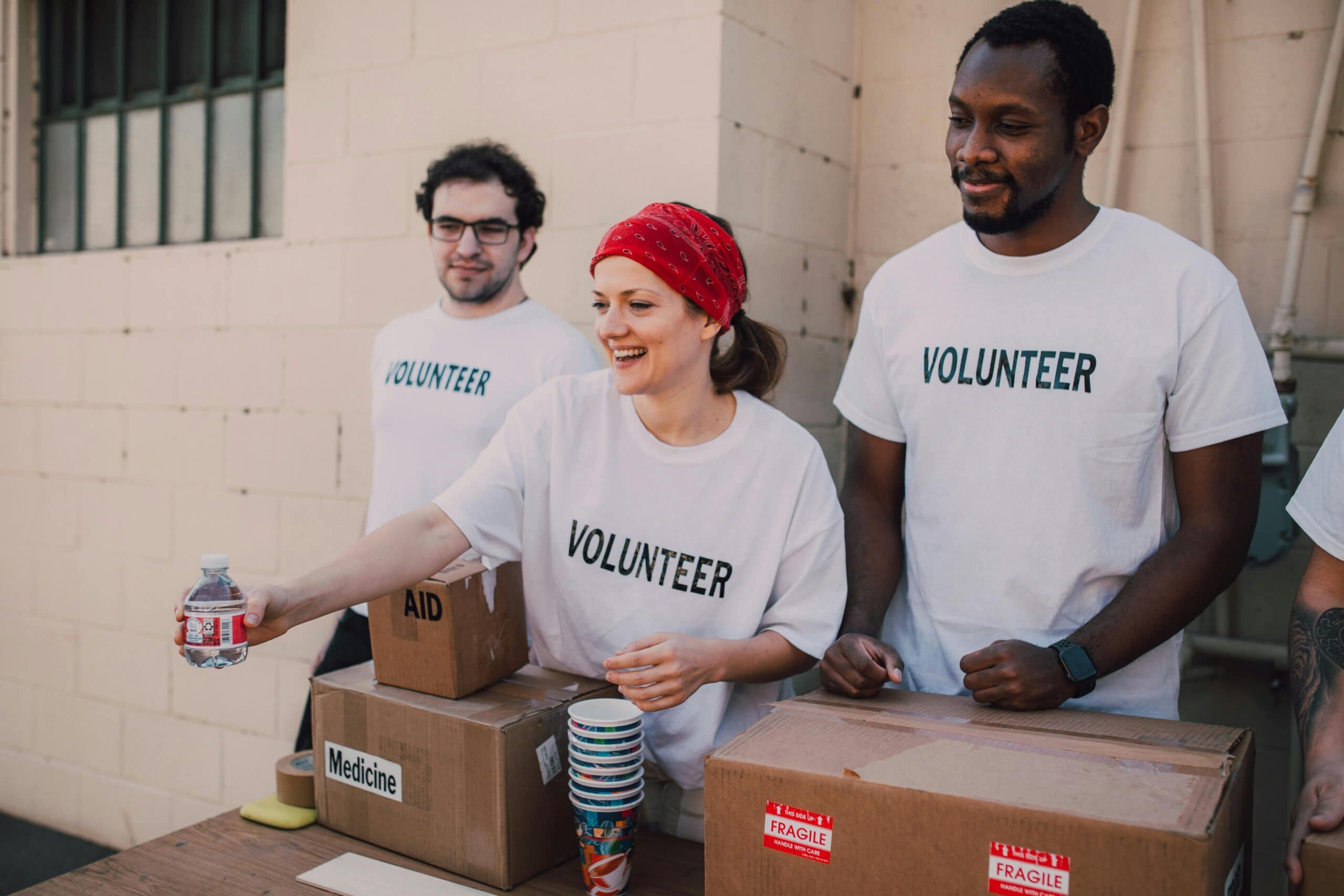
Most schools now run multiple fundraisers a year, and PTO guides show they're doing it because budgets are tight.
There's the catalog sale, the fun run, the restaurant night, the silent auction. It feels like "supporting the school," but it's easy to spend more than you meant to. Setting a yearly "school giving" number and sticking to it keeps you from being pulled into everything.
9. Extra lunches, snacks, and convenience food

First month of school, everyone starts strong: packed lunches, snacks from home. By late September:
- "I'll just load money on their lunch account."
- "We'll grab drive-thru after practice."
With food prices already up, those "we'll just buy it there" days add up fast. Build in realistic nights for easy dinners at home so you're not paying restaurant prices every time someone has a late practice.
10. Clothes, shoes, and growth spurts
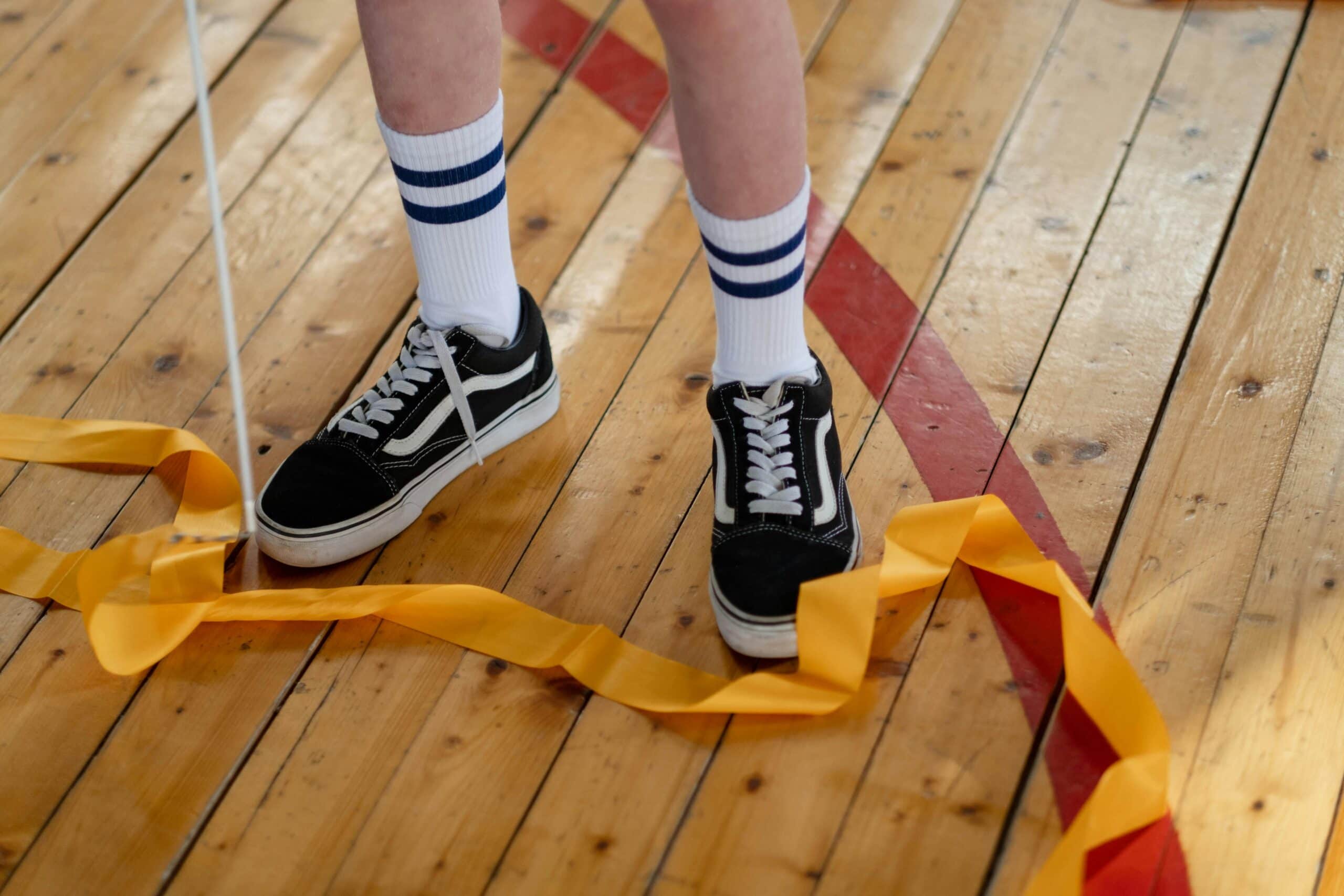
National surveys put clothing and shoes at several hundred dollars of the back-to-school budget all by themselves.
The sneaky part is that kids don't stop growing once school starts. They blow out sneakers in October and need warmer clothes by November. Instead of buying an entire year's wardrobe in August, stagger purchases and leave a line item in your fall budget for "replacement clothes."
*This article was developed with AI-powered tools and has been carefully reviewed by our editors.






Leave a Reply