
Most people don't find out their prepping plan doesn't work until they're already in the middle of a crisis. You think you've got enough food, tools, and supplies-until the power's been out for three days and something small throws everything off.
The truth is, being prepared isn't about stockpiling the most stuff. It's about noticing the weak spots before they cost you. These are the mistakes that sneak up quietly, then hit hard when you actually have to rely on your plan.
You never tested your gear
A generator that's never been started or a water filter that's never been used might fail when you need it most. Even reliable tools can break, leak, or need parts you didn't realize were missing.
Run a trial with every piece of equipment you plan to depend on. Make sure you know how it works, what fuel it needs, and how long it'll actually last. Practice now, when mistakes don't carry real consequences.
You planned for one type of emergency
It's easy to focus on the scenario that scares you most-storms, grid failure, job loss-but real life doesn't stick to a script. A plan that works for one situation might completely fall apart in another.
Think through different timelines and conditions. Could you handle a week without power, or a month without income? Prepping for flexibility is smarter than prepping for one perfect situation that might never happen.
You don't have backups for your backups
One flashlight isn't a plan. One water source isn't either. Prepping requires layers-extra batteries, multiple ways to cook, and different options for power or shelter.
If a single failure takes down your setup, that's a sign you're underprepared. Build redundancy where it matters most: light, water, heat, and communication. Having options turns panic into problem-solving.
You didn't store what you actually use
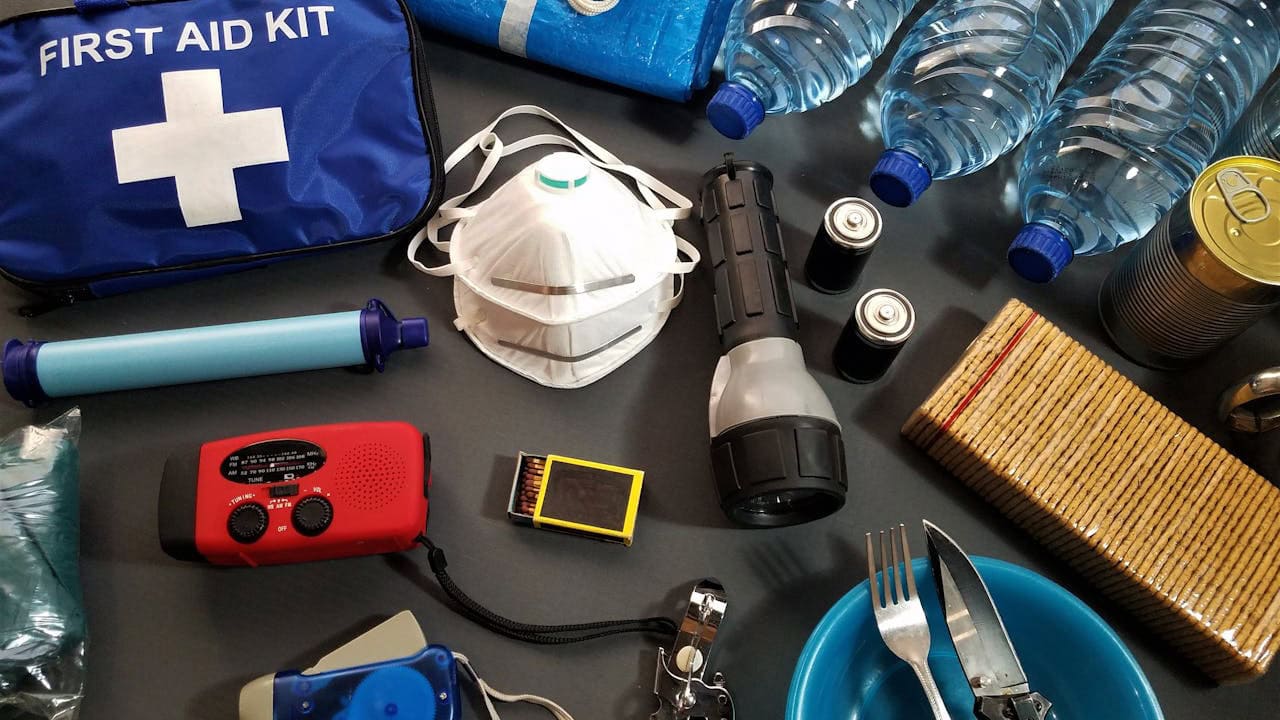
A lot of pantries are full of things people don't even like to eat. The same goes for gear-you might own tools you don't know how to use. In an emergency, that stuff won't help.
Stock what your family already eats and uses. Store brands and items that rotate easily into daily life so nothing goes to waste. If you wouldn't use it now, you won't use it later.
You forgot how heavy water really is
Water is critical, but it's also bulky and hard to move. A gallon per person per day adds up fast, and most people underestimate how much they'll actually need.
Instead of relying on bottled water alone, add a way to collect and purify more-filters, tablets, or even a simple boil setup. Stored water runs out faster than you think, especially when you're cooking or cleaning.
You didn't protect against pests and moisture
Mice, humidity, and sunlight can destroy months of careful prepping in a matter of days. Cardboard boxes, thin plastic bins, and garage shelves aren't enough to protect your supplies.
Use sealed containers, desiccant packs, and airtight jars for food and medical supplies. Keep everything elevated and organized so you can spot problems early. The best prep in the world doesn't help if it's been chewed through or spoiled.
You don't have a communication plan
Phones fail. Wi-Fi goes down. If you haven't figured out how to stay in touch without cell service, you're already at a disadvantage.
Keep a basic AM/FM or weather radio, and consider walkie-talkies for short-range communication. Write down key phone numbers and addresses, and decide on a meet-up location in case you can't reach each other.
You rely on convenience foods

Instant meals and ready-to-eat snacks are fine short-term, but they won't carry you through a real stretch. They're high in sodium, low in nutrients, and expensive to replace regularly.
Learn to cook with shelf-stable basics like rice, beans, and canned meats. The more you can make from scratch, the longer your supplies will last and the more control you'll have over your nutrition.
You never practiced without power
You might think you know how you'd handle a blackout-but living through even 24 hours without power can be eye-opening. You quickly realize how much you depend on outlets, Wi-Fi, and lighting.
Do a dry run. Turn off the breakers for an evening and see what gaps appear. You'll learn fast what you actually need more of-and what you could do without.
You didn't plan for fatigue
Emergencies aren't only about supplies-they're about stamina. When you're tired, stressed, or hungry, even small problems feel big. People make worse decisions when they're worn out.
Plan for comfort items that make life a little easier: instant coffee, blankets, hygiene items, and food that doesn't require cooking. A prep plan that ignores physical and mental fatigue won't last long under pressure.
*This article was developed with AI-powered tools and has been carefully reviewed by our editors.






Leave a Reply