
10 phrases that helped me stop impulse shopping

Impulse shopping usually starts with a thought you don't question in the moment. A little phrase in your head convinces you it's okay, and before you know it, you've spent money you didn't plan on. The good news is you can use words to your advantage.
By having the right phrases ready, you give yourself a pause and a new way to think before you buy. These ten phrases helped me stop wasting money on things I didn't actually need.
"Do I already own something that works?"

This phrase forces you to shop your house before you shop the store. More often than not, you'll realize you already have something that does the job, even if it isn't brand new.
By asking this, you save money and cut down on clutter. It's a quick reminder that you don't always need more-you can usually make do with what you've got.
"Would I pay full price for this?"
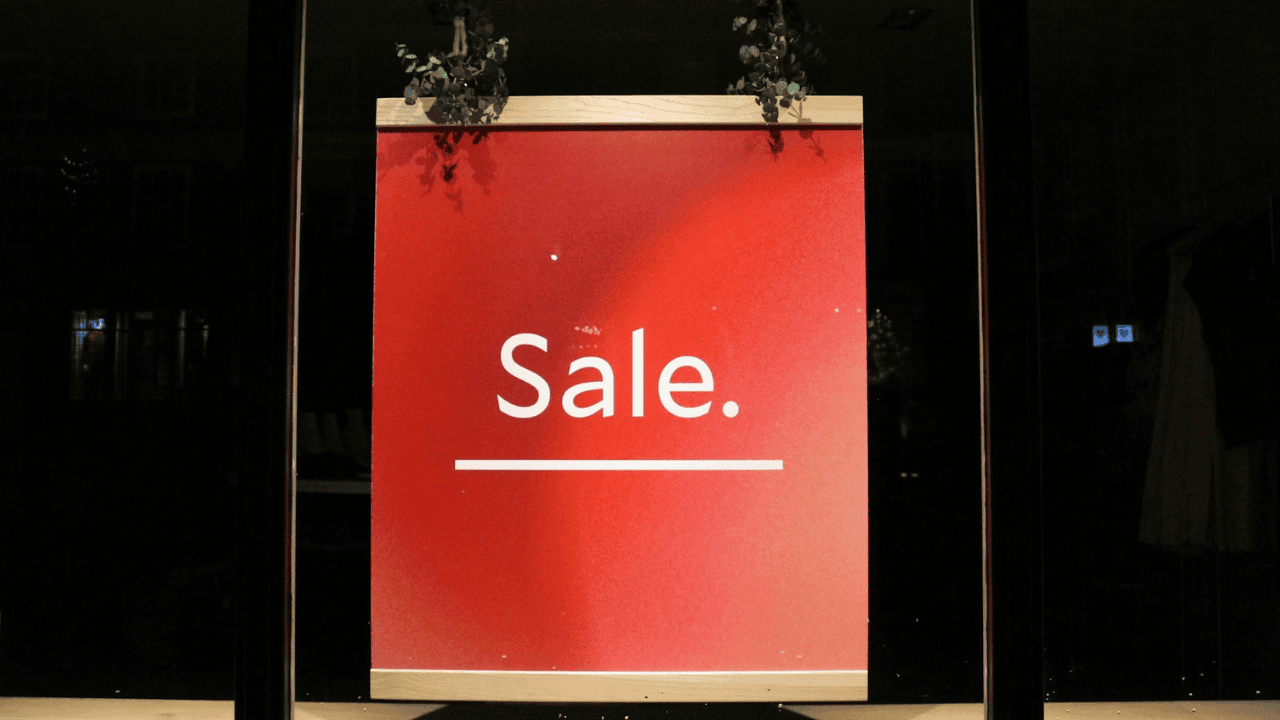
Sales make things tempting, but this phrase cuts through the discount trap. If you wouldn't want it at full price, then you probably don't need it at all.
It's a simple way to see if you truly value the item or if the markdown is doing the convincing. This one phrase can stop a lot of "sale" purchases that only drain your budget.
"Will this still matter in a week?"
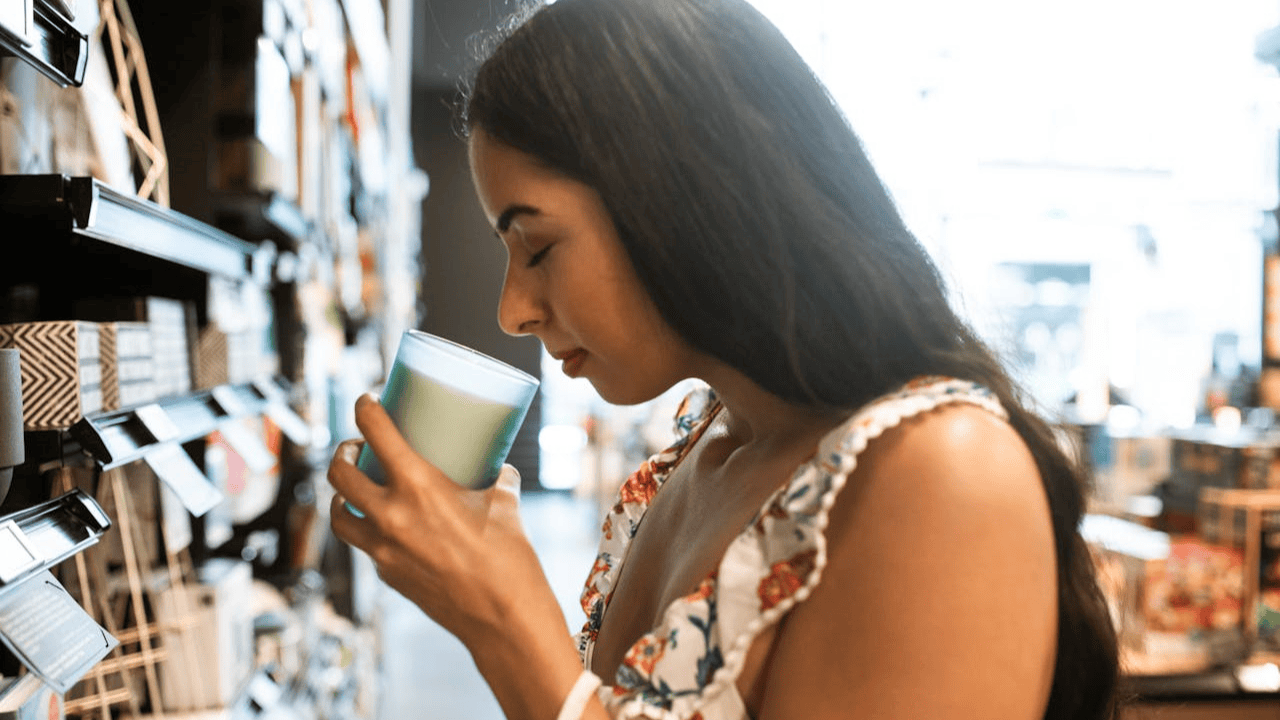
Impulse buys often lose their appeal quickly. Asking yourself if you'll care about the item in a week helps you see past the excitement of the moment.
If the answer is no, you'll likely save yourself money and regret. Waiting even a short time can help you realize how many purchases don't really hold long-term value.
"Do I want this or do I want the goal I'm saving for?"
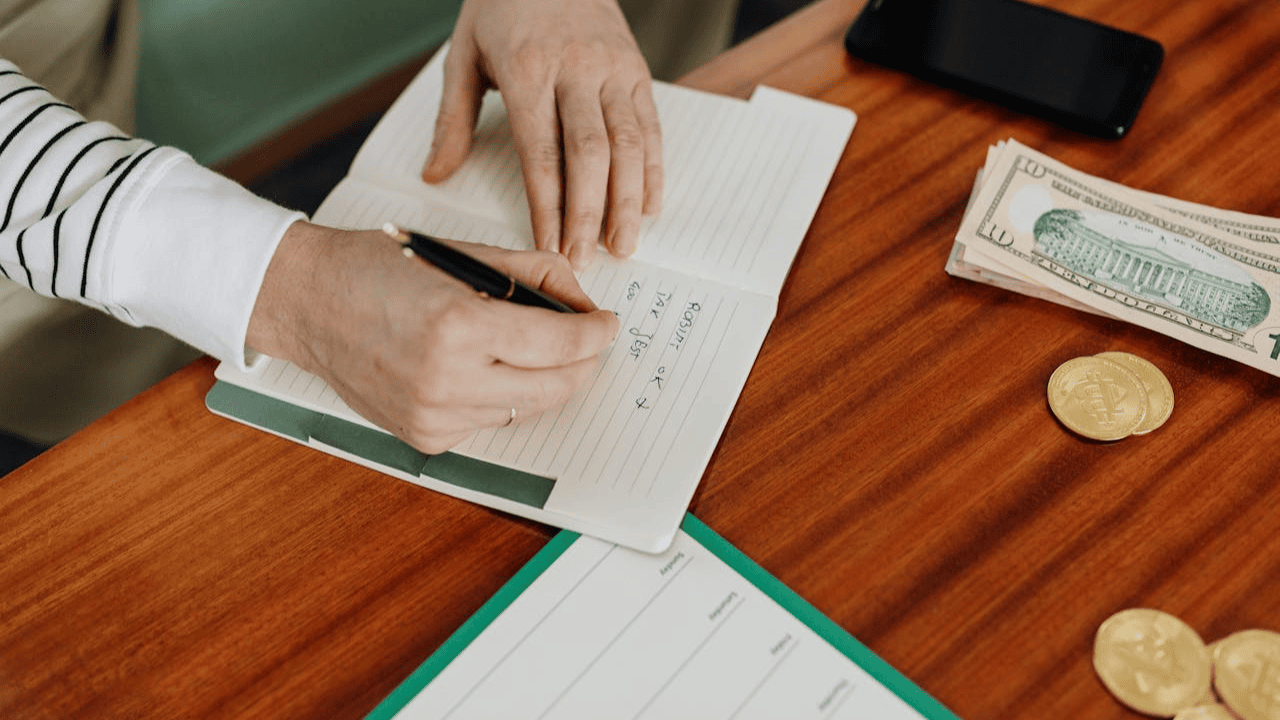
This phrase reframes spending by reminding you of the bigger picture. Whether it's paying off debt, building savings, or planning a trip, your goal often matters more than the quick purchase.
Choosing between the item and your goal makes it easier to walk away. It gives you clarity about what's actually important to you right now.
"If no one saw this, would I still want it?"

Sometimes we buy things for appearances, not because we truly want or need them. Asking this question helps separate genuine desire from outside pressure.
When the answer is no, you realize the purchase isn't really for you. This phrase helps keep your spending aligned with your real priorities instead of other people's opinions.
"How many hours do I have to work for this?"
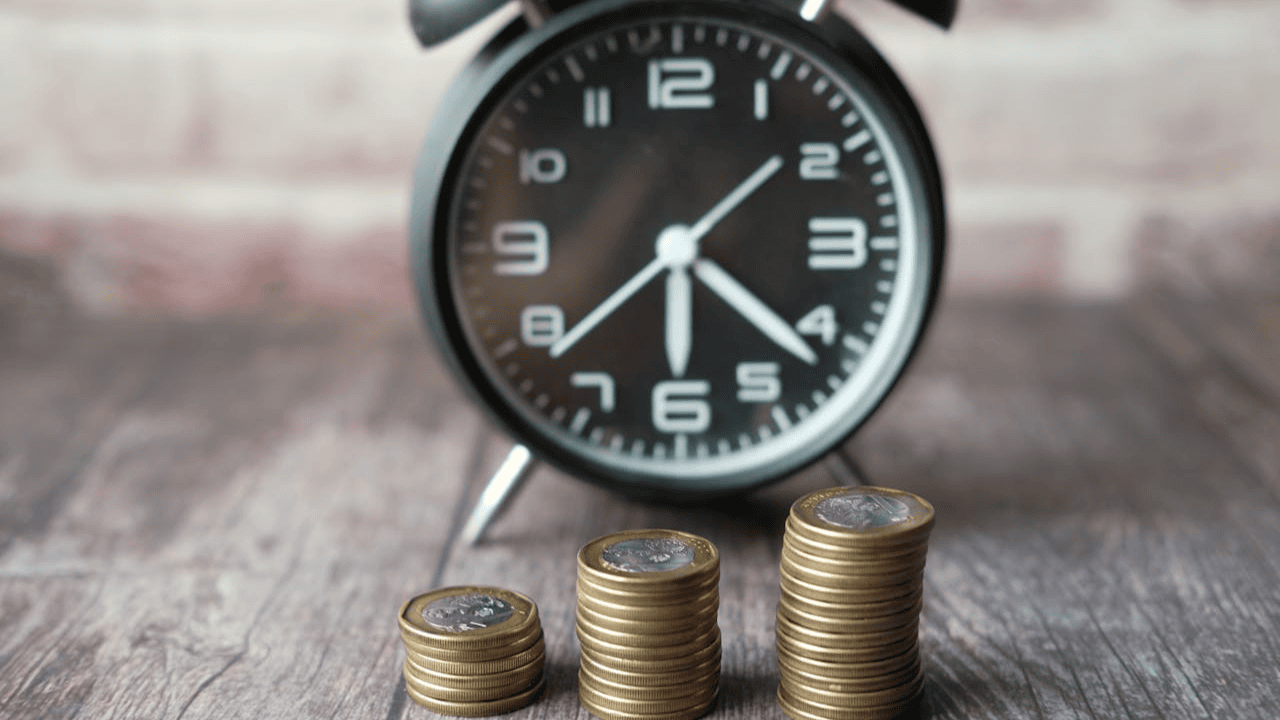
Turning a price tag into work hours makes the cost feel real. If something costs $60 and you make $15 an hour, that's four hours of your time.
This phrase reminds you that money represents effort. When you see the purchase in terms of time instead of dollars, you're less likely to waste it on something unimportant.
"Will this make my life easier-or harder?"
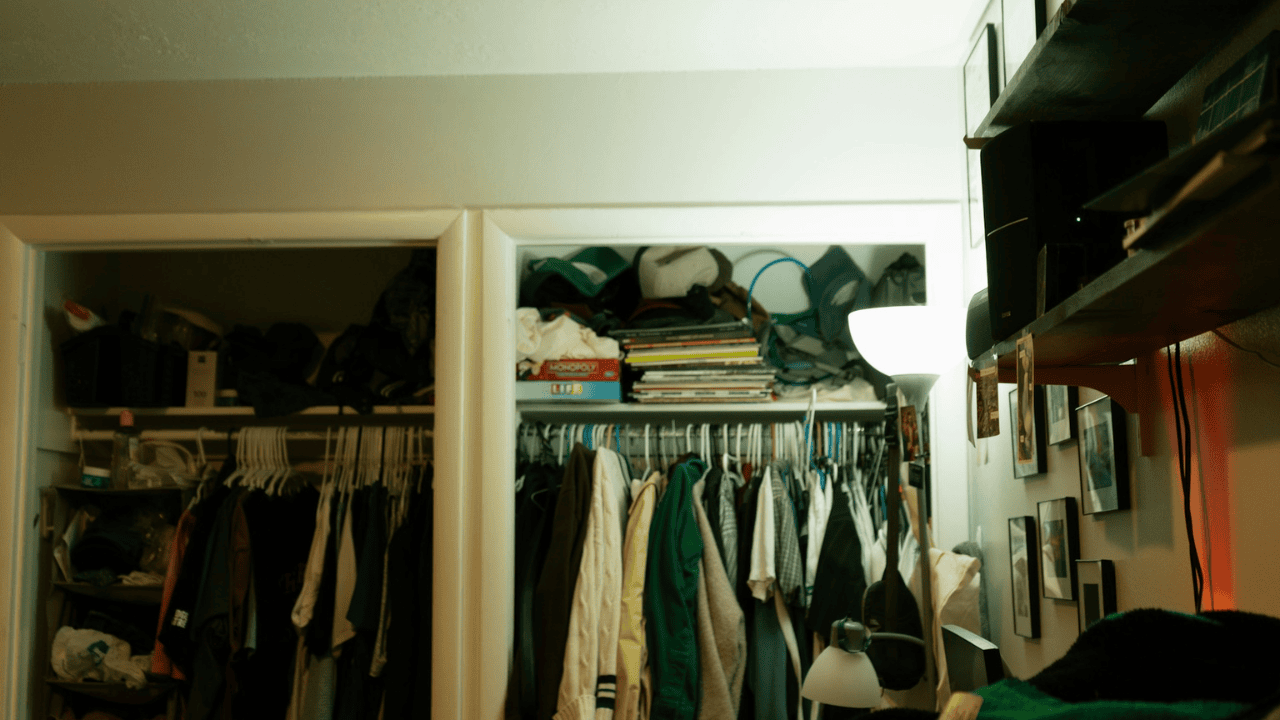
Impulse buys often add more clutter, cleaning, or maintenance than you expect. Asking this question helps you think about the long-term impact instead of the short-term thrill.
If the item is going to create more hassle than help, you'll probably regret it later. This phrase can save you from buying things that end up being more work than they're worth.
"Do I need this right now?"

There's a difference between needing something eventually and needing it today. Impulse shopping usually skips over that distinction.
By focusing on "right now," you avoid stocking up on things you don't actually need yet. More often than not, waiting saves you money because you never end up buying it at all.
"What happens if I walk away?"

This phrase gives you permission to pause. Most of the time, nothing bad happens if you don't buy it immediately.
Walking away shows you how much the purchase really matters. If you forget about it, you didn't need it. If you're still thinking about it days later, it might be worth reconsidering.
"Would future me thank me for this?"

Impulse shopping usually benefits the present moment, but this phrase brings your future self into the decision. Would you feel proud you bought it, or wish you'd saved the money?
Keeping your future self in mind helps you make better financial choices. It shifts your perspective and makes saving feel more rewarding than the quick high of a purchase.
*This article was developed with AI-powered tools and has been carefully reviewed by our editors.






Leave a Reply