

Vet prices have jumped hard. Routine care alone for a dog can easily land between $500 and $1,500 a year now, not counting emergencies or big procedures.
Some of that is life with animals. But a lot of the extra, painful stuff comes from habits that seem small in the moment.
1. Skipping annual wellness visits
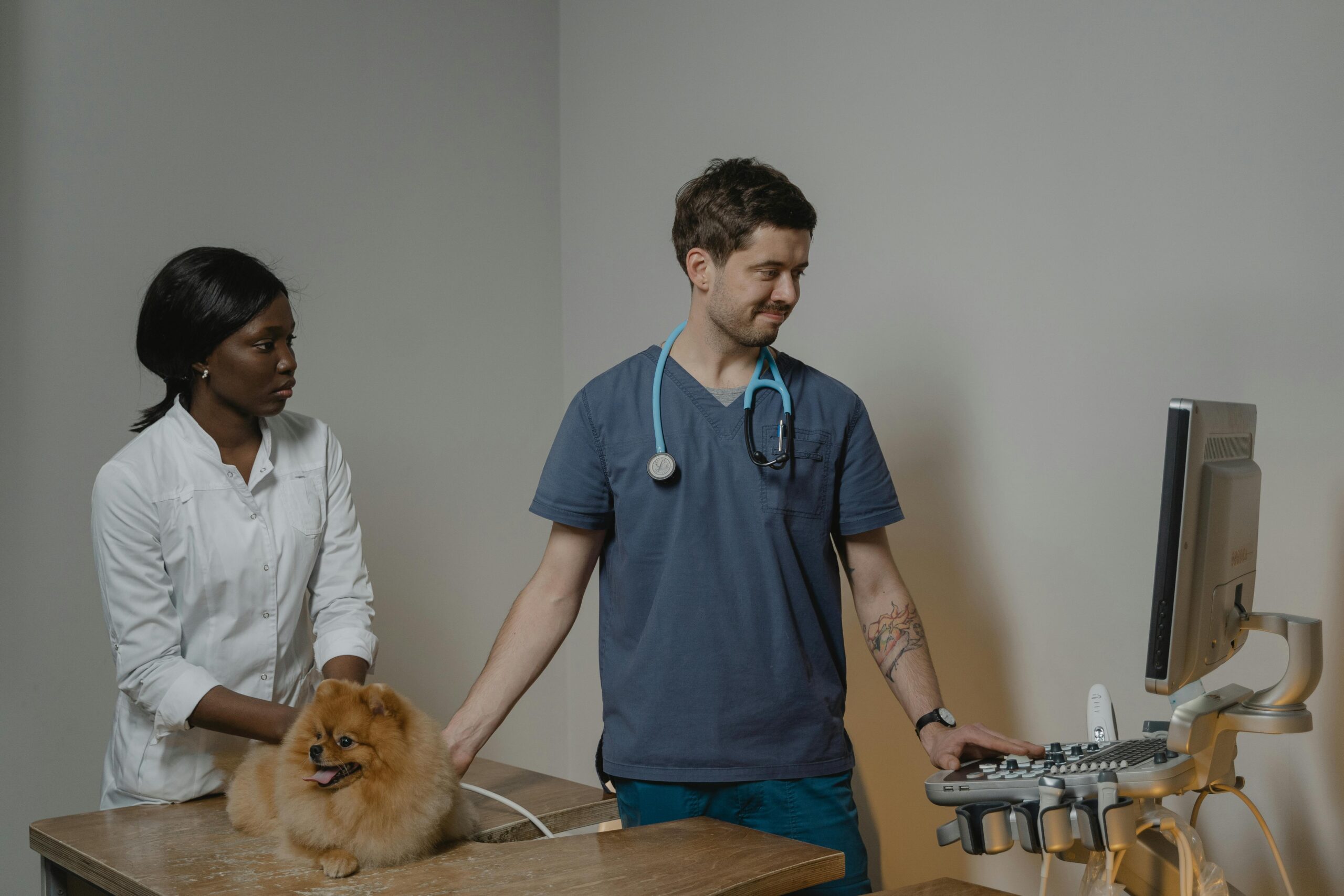
It feels thrifty to only go in when something seems wrong. The problem is, you miss early catches on things like dental disease, weight gain, and heartworm. Annual exams (usually around $50-$250) are cheaper than letting a slow-burn issue turn into labs, imaging, and meds.
You don't need to run every test in the book, but a yearly check gives you a chance to fix small problems before they come with a comma.
2. Skipping flea, tick, and heartworm prevention
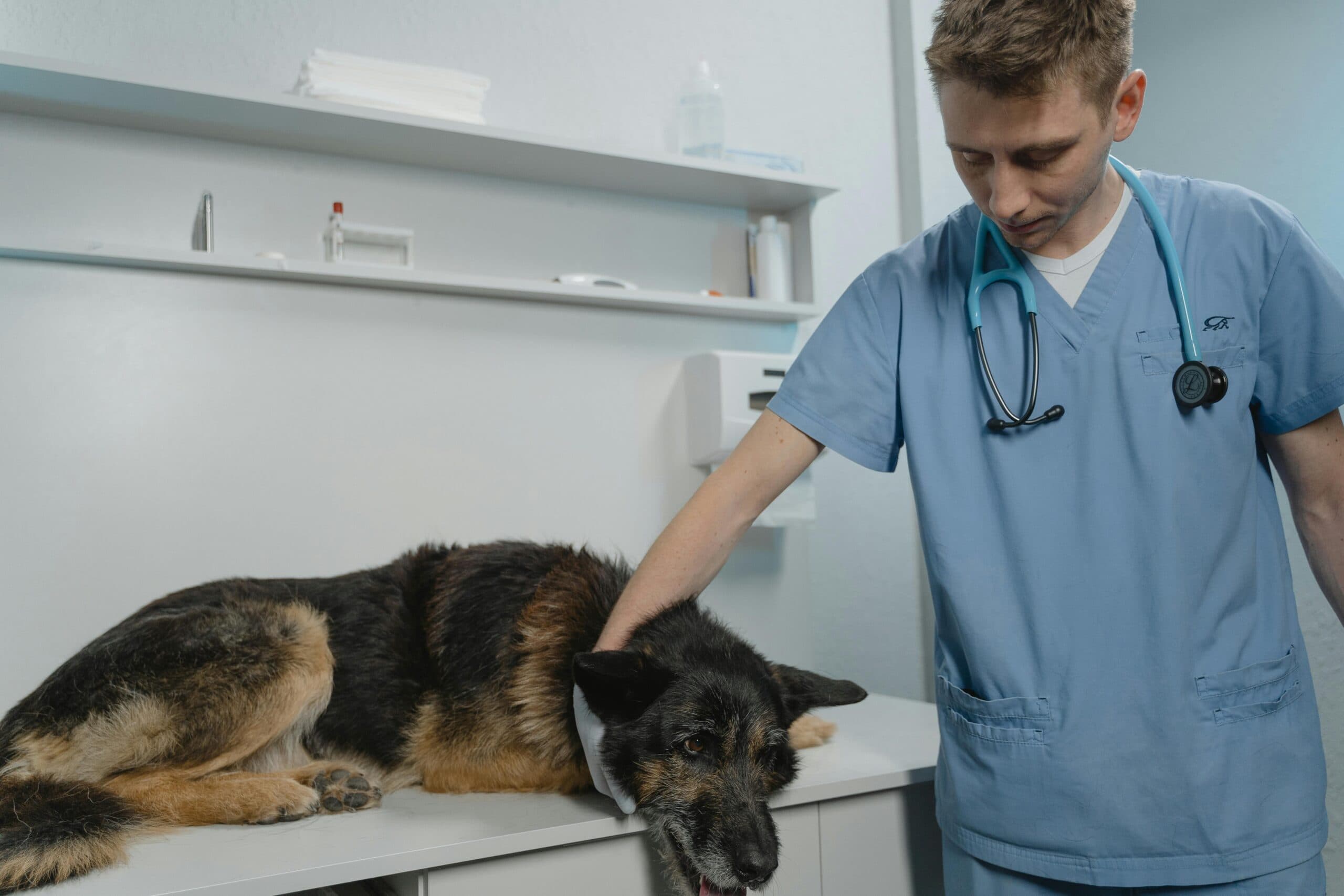
Monthly preventives aren't cheap, and it's easy to say, "We'll catch up next month." But treatment for heartworm, tick-borne disease, or a heavy flea infestation will blow past what prevention costs. The ASPCA estimates routine preventives alone at around $185 a year for dogs-less than one serious illness.
If money's tight, talk to your vet about generic options or combination products instead of dropping prevention entirely.
3. Letting "small" injuries slide

A limp after rough play, a small cut, an ear that smells a little off-it's tempting to wait it out. Sometimes that works. Sometimes that little ear issue becomes a full-blown infection that needs multiple rechecks and meds.
You don't have to run in for every tiny thing, but if something keeps coming back or gets worse over a few days, early treatment is cheaper than waiting until it's obviously bad.
4. Free-feeding and extra snacks
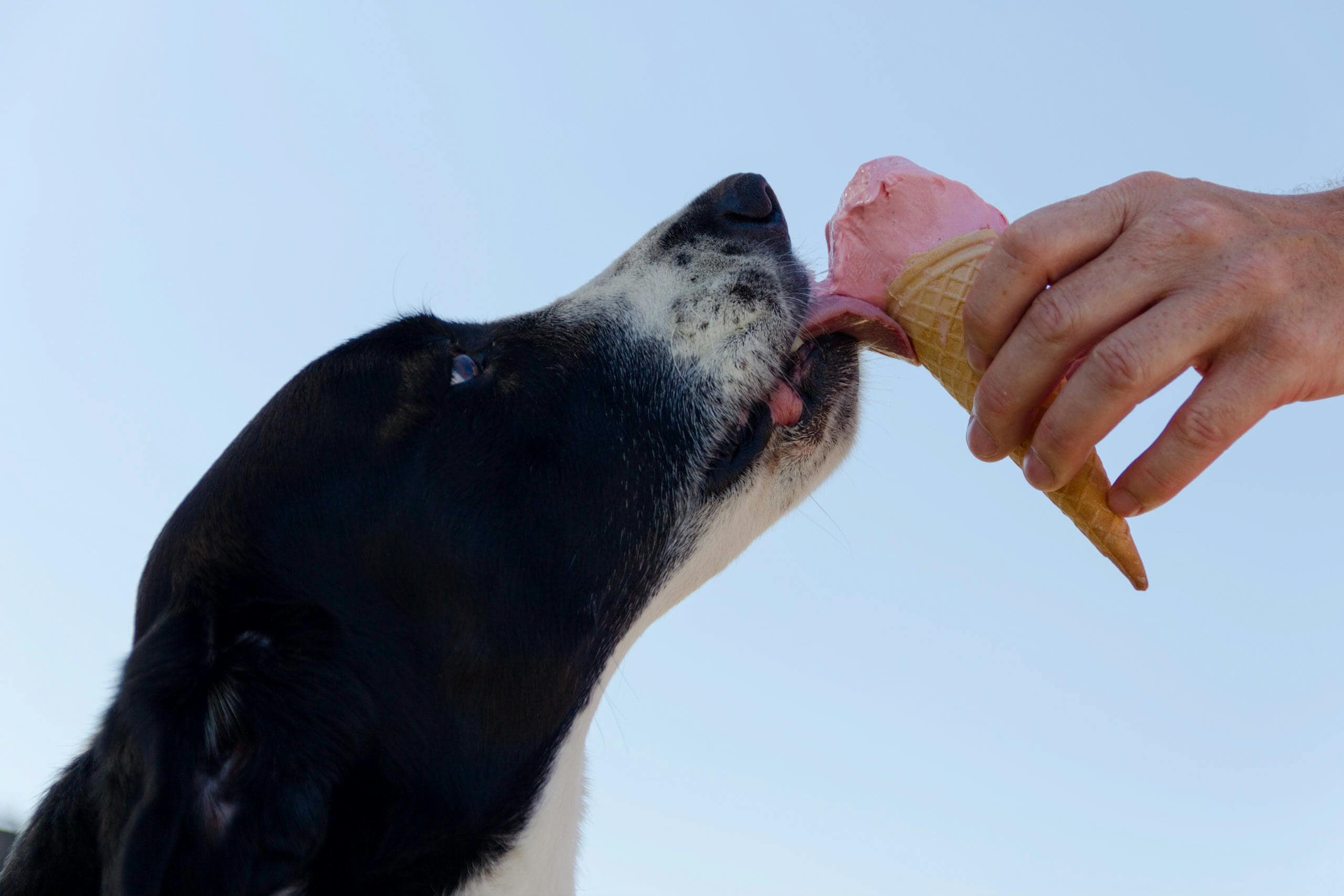
Extra pounds look cute until you're paying for joint meds, prescription food, and lab work for diabetes or thyroid issues. Overall routine vet costs (wellness, labs, dental care) are already estimated at $700-$1,500 per year for many dogs, and obesity can stack extra bills on top.
Measuring food, cutting table scraps, and checking in about a healthy weight at annual visits saves money later.
5. Ignoring dental care
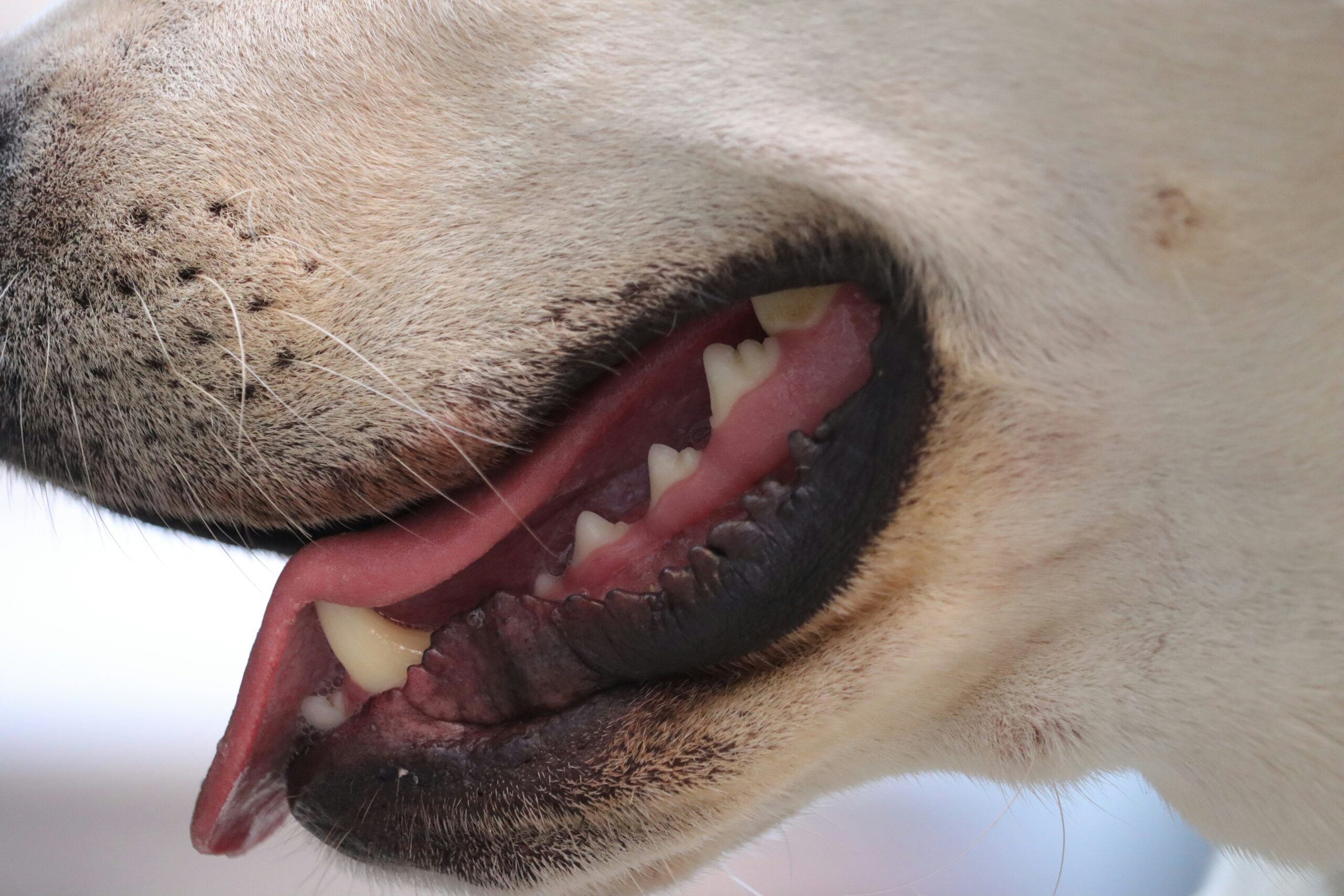
Dental cleanings aren't cheap, but infected teeth and advanced gum disease are worse-for your dog and your budget. National vet cost guides show dental procedures adding hundreds onto a bill once anesthesia, X-rays, and extractions are involved.
Daily or every-few-days brushing, chews that actually do something, and early cleanings cost less than waiting until your dog's mouth smells like infection.
6. Letting grooming turn into a matting emergency

Matting isn't just a looks thing-it pulls at skin and can hide sores. Groomers charge extra for heavy matting, and sometimes they have to shave the dog down completely and send you to the vet for irritated skin. Many shops add a per-minute de-matting fee.
Regular brushing at home and staying on a grooming schedule is cheaper than letting it go until someone has to fight through a pelt.
7. Letting your dog roam or "yard surf"

Unfenced roaming, off-leash "he'll stay with me," and trash picking are how you end up with:
- Dog fights
- Hit-by-car injuries
- Foreign objects swallowed
Emergency vet visits can easily start in the hundreds and jump into the thousands.
A secure fence, leash, and actual supervision are boring compared to stitches and overnight stays.
8. Never price-checking meds and preventives
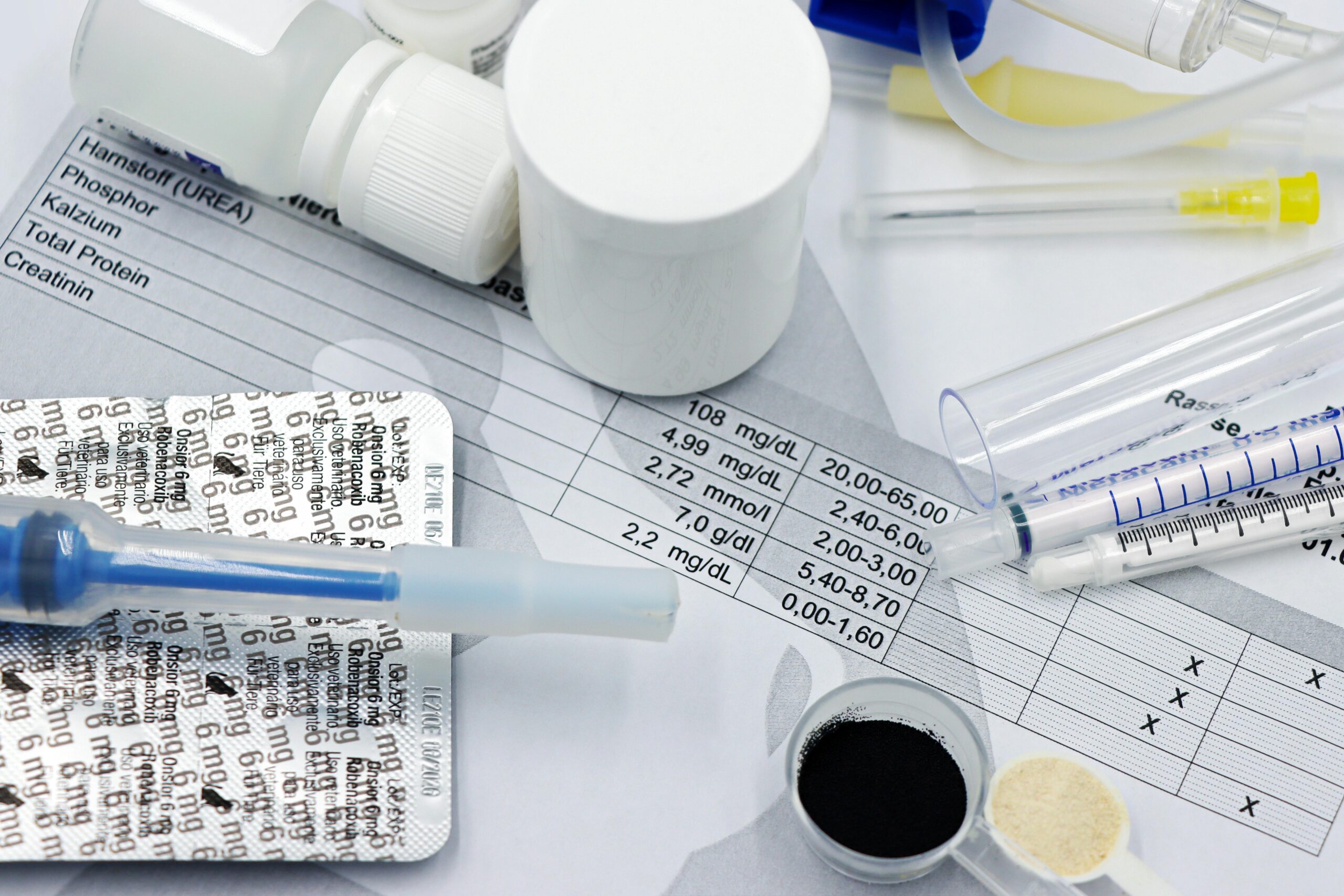
If you always buy meds wherever you're standing without checking, you might be paying more than you have to. Many practices are happy to price-match reasonable quotes or send scripts to a reputable online pharmacy.
Ask what's required to get a written prescription and compare prices on heartworm, flea/tick meds, and long-term meds your dog needs every month.
9. Waiting until things are an emergency

"Let's watch it" is fine for a day or two. Waiting weeks while a lump grows, a cough worsens, or a dog stops eating is where you hit emergency hospitals, overnight care, and specialty consults. Those are important when you need them-but they're also the most expensive part of pet ownership.
If you're worried enough to be up at night Googling, you're probably at the point where a regular appointment makes more sense than waiting for a crisis.
10. Skipping pet insurance or an emergency fund entirely

With vet and grooming costs up over 40% since 2019 and lifetime costs per dog now estimated north of $30,000, more owners are landing in pet-related debt.
Insurance isn't perfect, and it doesn't fix routine costs-but it can soften the blow on big emergencies. If you hate the idea of insurance, at least funnel a set amount each month into a "pet-only" savings account so a bad day at the vet doesn't wreck the rest of your budget.
*This article was developed with AI-powered tools and has been carefully reviewed by our editors.






Leave a Reply