
A stocked pantry can make you feel prepared, but most people have blind spots that could leave them scrambling when it counts. You might have plenty of cans and dry goods, but if you're missing the right supporting items-or if your food isn't stored properly-your plan falls apart fast.
True preparedness isn't about how full your shelves look; it's about how long you can actually sustain your family if things shut down for a week or two.
You don't have a way to cook what you've stored
Having food is one thing, but being able to prepare it without power is another. If your pantry is full of things that need boiling, baking, or microwaving, you could be stuck eating cold soup when the power's out.
Keep a backup plan, like a propane stove, camping burner, or even a charcoal grill with extra fuel. Make sure you have manual tools too-like a can opener and matches-so you can cook safely when modern conveniences fail.
You forgot the pantry basics that make food usable
You can have all the beans, rice, and flour you want, but without salt, oil, or seasonings, they're hard to eat long-term. These small staples make a massive difference in how sustainable your pantry feels day after day.
Stock cooking oils, spices, sugar, and condiments that keep well. You'll cook better and waste less when meals actually taste good. A pantry that supports comfort as much as calories is one you'll actually use.
You didn't account for water needs
Dry foods like pasta, rice, and oats are great for storage-but they're useless without water to cook them. Most people underestimate how much water they'll need to prepare food and clean up after.
Keep both stored drinking water and extra for cooking, plus a way to filter or purify more if needed. Water should be part of your pantry plan, not something you assume will always come from the tap.
You skipped protein sources that last
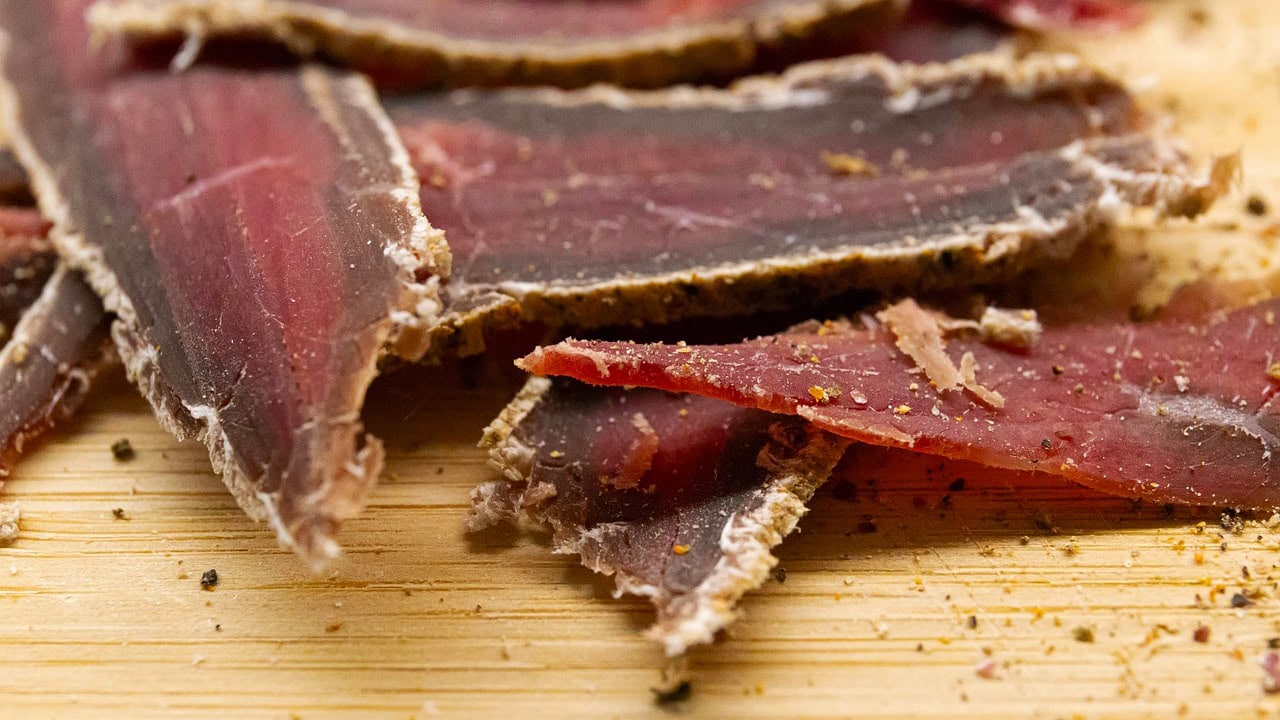
When emergencies drag on, protein becomes one of the hardest things to get. A pantry full of carbs might fill you up, but it won't keep your energy stable.
Canned meats, nut butters, and beans can stretch meals without taking up much space. Shelf-stable protein powders or jerky can also help round things out. Make sure you have options that don't rely on refrigeration to stay safe.
You forgot comfort and morale food
A few familiar items can make a big difference in stressful situations. Crackers, instant coffee, chocolate, or shelf-stable milk alternatives help things feel normal when everything else feels off.
Include snacks and small luxuries your family actually enjoys. These aren't "extras"-they're what keep everyone grounded when you're eating the same few meals for days.
You're not rotating what you store
If you don't use what's in your pantry regularly, it's probably expired or stale. Food rotation keeps your supply fresh and ensures you actually know how to cook what you've stored.
Label everything with purchase dates and make a point to use the oldest items first. Replace what you eat so your supply stays consistent without going bad in the back of a shelf.
You rely too much on the freezer
Frozen food feels like a safety net-until the power goes out. Meats, veggies, and prepped meals can spoil fast if you don't have backup power or a way to keep them cold.
Use your freezer as a supplement, not your main food source. Keep shelf-stable versions of essentials like canned fruits, vegetables, and proteins that don't depend on electricity to stay edible.
You didn't plan for dietary needs
If someone in your household has allergies, intolerances, or medical restrictions, those must be part of your plan. Running out of suitable food for one person can turn an emergency into a crisis.
Double-check your pantry for gluten-free, dairy-free, or low-sodium options that fit everyone's needs. Store medications, vitamins, and electrolytes too-they matter as much as food when things go sideways.
You overlooked fats and calories
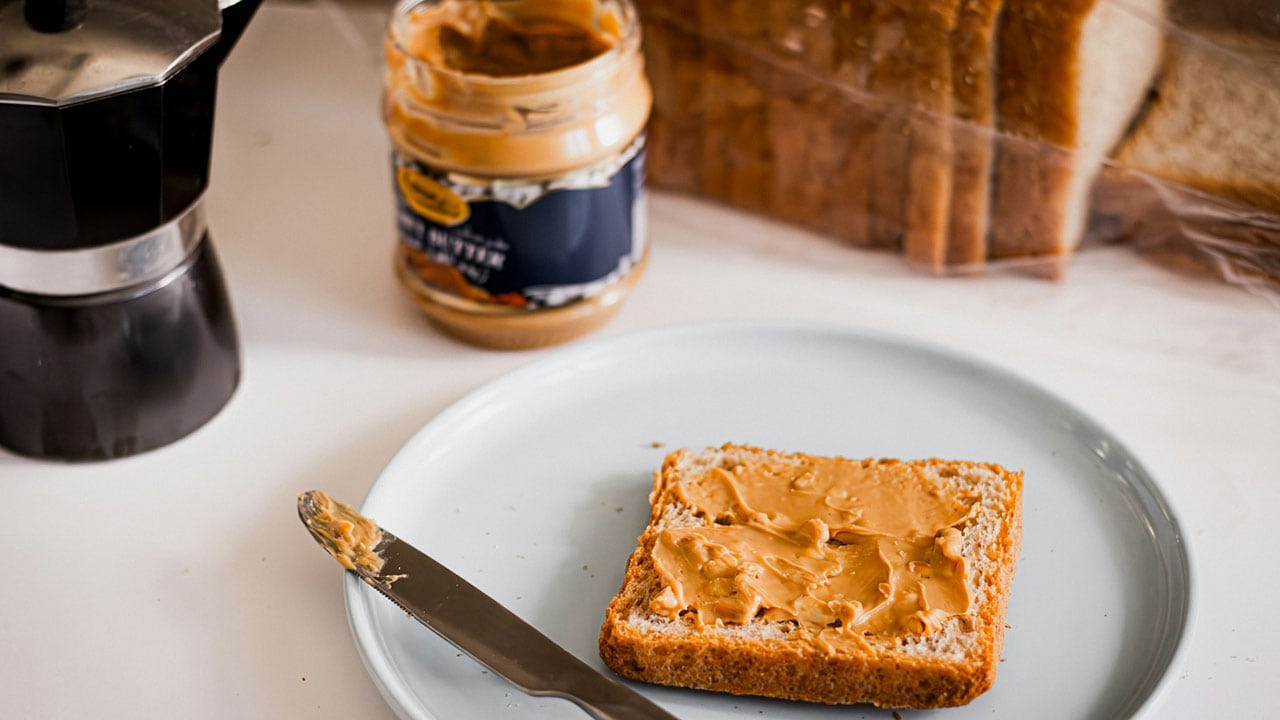
Many pantry plans are heavy on rice and canned vegetables but low on high-calorie foods. In an emergency, calories equal endurance. You'll burn more energy managing stress, keeping warm, or handling manual work.
Add shelf-stable fats like coconut oil, peanut butter, and nuts. These give your body lasting fuel and make meals more satisfying. Low-calorie stockpiles run out faster than you expect.
You don't have a cleanup plan
It's easy to forget that cooking without running water or power creates a new set of problems. Dirty dishes, sticky surfaces, and food waste can quickly attract pests or make you sick.
Keep extra paper plates, wipes, trash bags, and a small stash of bleach or vinegar for sanitizing. Staying clean is part of staying healthy-and a messy pantry setup can undo all your preparation fast.
*This article was developed with AI-powered tools and has been carefully reviewed by our editors.






Leave a Reply