
10 money tweaks that seem small-until you see how fast they add up

Saving money doesn't always mean making big, sweeping changes. Sometimes it's the little trims-$10 here, $20 there-that really add up over time. You might not notice the impact in a single week, but once you stack those choices month after month, it starts to matter.
Cutting back in small ways can feel more doable than giving something up entirely, and before you know it, those smaller amounts can snowball into real breathing room in your budget.
Using Loyalty and Cashback Apps

Loyalty rewards and cashback apps might only net you $2-$10 per trip, but that's money you wouldn't have had otherwise. If you use them consistently, they can save you $20-$50 a month.
It doesn't mean you should buy more, but if you're already making a purchase, letting the rewards build works in your favor. That extra bit of discipline turns your everyday spending into a small but steady return.
Packing Lunch Instead of Buying

Grabbing lunch while you're out seems harmless, but it usually costs $10-$15 a pop. If you swap even three of those meals a week for leftovers or packed lunches, you can keep $30-$45 in your pocket without much effort.
It helps to keep easy grab-and-go items on hand, like wraps, fruit, or prepped veggies. You don't have to meal prep every single day, but having a backup option keeps you from defaulting to drive-thru prices.
Canceling Small Subscriptions

It's easy to sign up for a $7.99 or $12.99 subscription and forget about it. Before you know it, you've got four or five auto-billing services you don't even use. That could be $40-$60 draining out of your account every month.
Go through your statements and cut the ones you barely touch. You won't miss them as much as you think, and the savings feel instant once you trim them out.
Buying Store Brands Over Name Brands

Name brands usually cost more for the same thing. Swapping to store-brand pantry staples, cleaning supplies, or paper products often saves $1-$3 per item. Do that across a dozen items, and suddenly you've saved $15-$20 on one shopping trip.
Some items are nearly identical in quality, so there's no real loss in making the switch. Over a year, those small trade-offs make a real difference in your grocery bill.
Turning Down the Thermostat
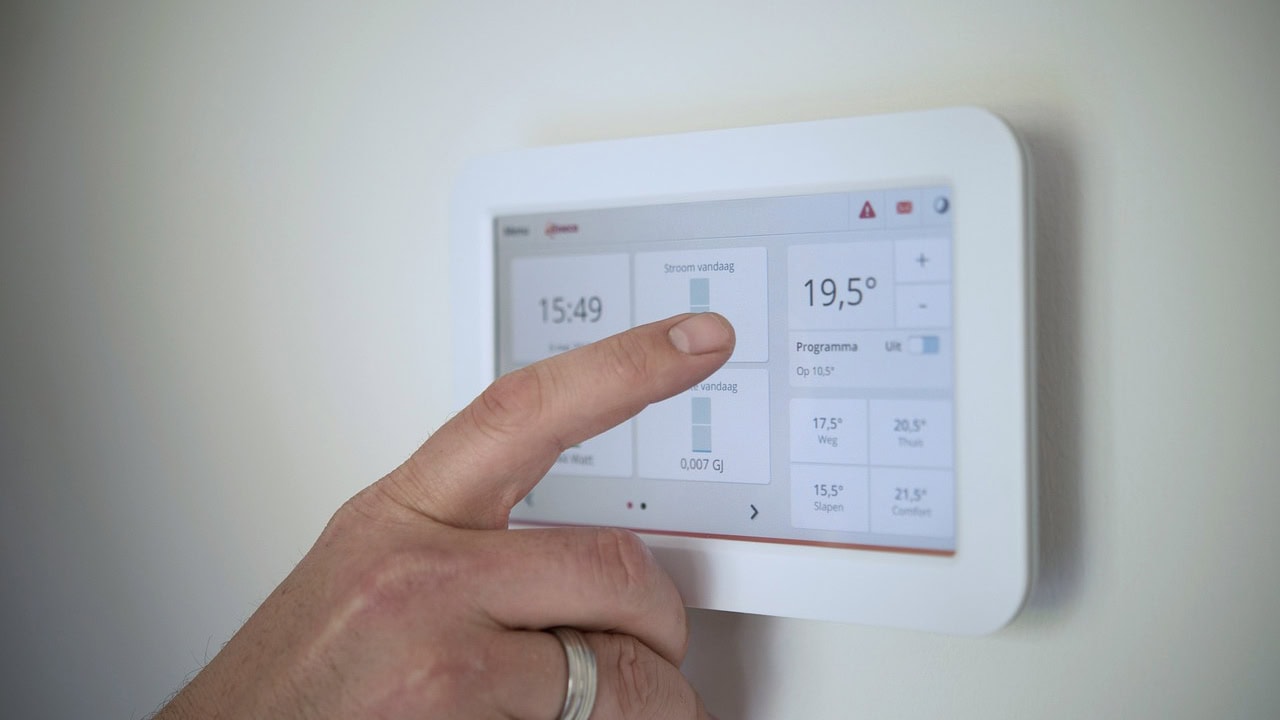
Heating and cooling chew through energy costs. Dropping your thermostat two degrees in winter or raising it a notch in summer can save $10-$20 off your monthly bill without much sacrifice.
Using fans, blankets, or opening windows at the right times helps your house stay comfortable while the system runs less often. Those tweaks won't solve everything, but they keep your bill from creeping up unnecessarily.
Delaying Impulse Buys

Impulse buys-like grabbing something in the checkout line or adding an extra item online-can sneak $10-$20 out of your wallet before you even think about it. Putting a 24-hour pause on unplanned purchases helps you cut a lot of waste.
Half the time, you'll realize you don't need the item after all. Even if you do go back for it, slowing down cuts out dozens of unnecessary "little" expenses over the year.
Trimming Streaming Services

Instead of keeping three or four streaming platforms going at once, stick to one and rotate monthly. That can save $15-$30 right away, especially since prices keep going up.
You'll still get to watch your favorite shows-just in batches instead of spread out. It takes a little planning, but the savings are worth it when you realize how many other monthly bills you've trimmed down.
Grocery Shopping With a List

Walking into the store without a plan almost always leads to overspending. A few extra snacks or duplicate pantry items can tack $15-$25 onto your receipt without you realizing it.
When you shop with a list and stick to it, you cut out those random extras. You'll notice the difference not only at checkout but also in how little food goes to waste at home.
Cutting Back on Drinks Out

A night out can cost more than you think once you add in a couple of drinks. Swapping bar nights for hosting at home or limiting how often you order drinks with dinner can save $20-$40 a week.
That doesn't mean cutting fun completely-it just means choosing it more intentionally. A few skipped outings or switched habits here and there can keep your wallet and your social life both in balance.
*This article was developed with AI-powered tools and has been carefully reviewed by our editors.






Leave a Reply