
10 money swaps that finally helped me stop living paycheck to paycheck
There was a time when I'd get paid, cover the basics, and then wonder how my account was nearly empty a week later. I wasn't overspending on anything huge-I was leaking money on little habits and "normal" expenses that added up way too fast. Getting out of that paycheck-to-paycheck cycle took intentional swaps that actually stuck.
These weren't drastic changes, but they made room in the budget for breathing room, savings, and a lot less stress.
Cooking at home instead of grabbing takeout
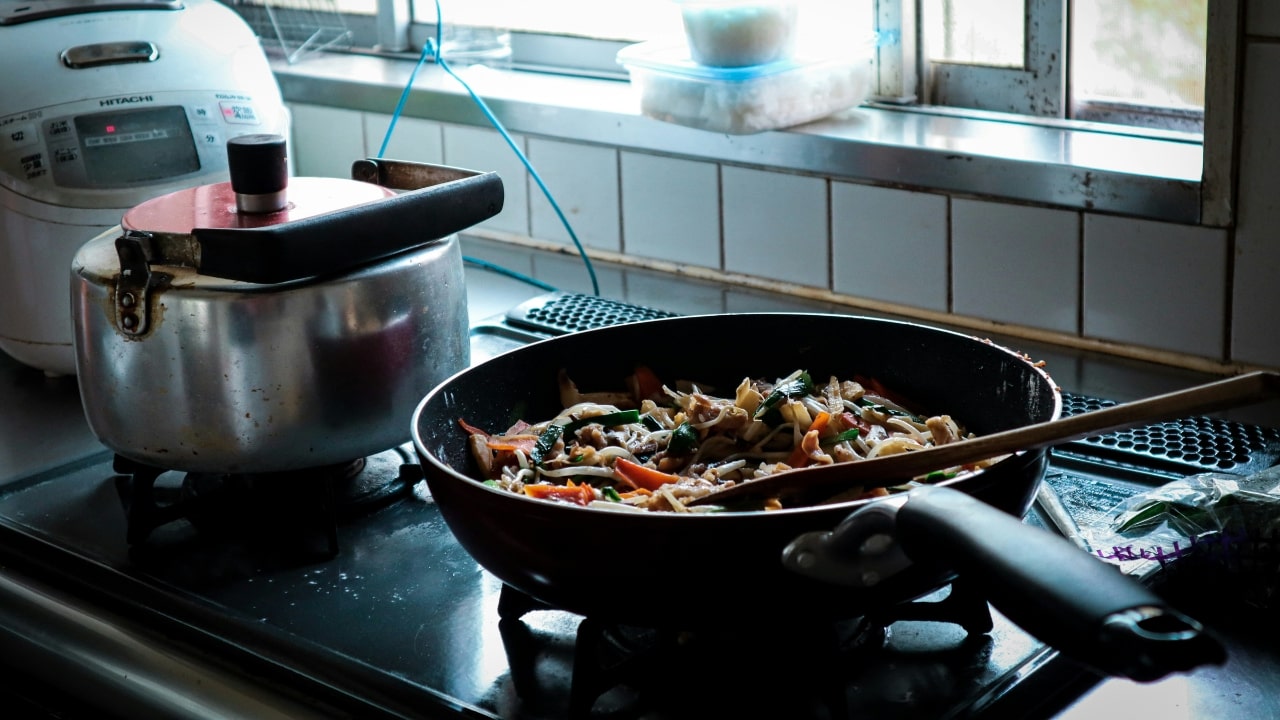
I used to grab takeout a few nights a week-especially when I didn't feel like cooking. It didn't feel like a big deal, but it was easily $150-$200 a month. Now I cook most meals at home using easy, affordable recipes and freezer staples. Takeout is a rare treat, not a fallback. That one shift made the biggest impact early on.
Switching grocery stores and buying less name-brand

I swapped my regular grocery runs at Target and Kroger for Aldi, and I started replacing name-brand items with store-brand versions. Most of the time, the quality is the same and the price is way better. I also stopped restocking everything "just in case" and started using up what I already had. Now I spend less and waste less.
Buying used instead of new
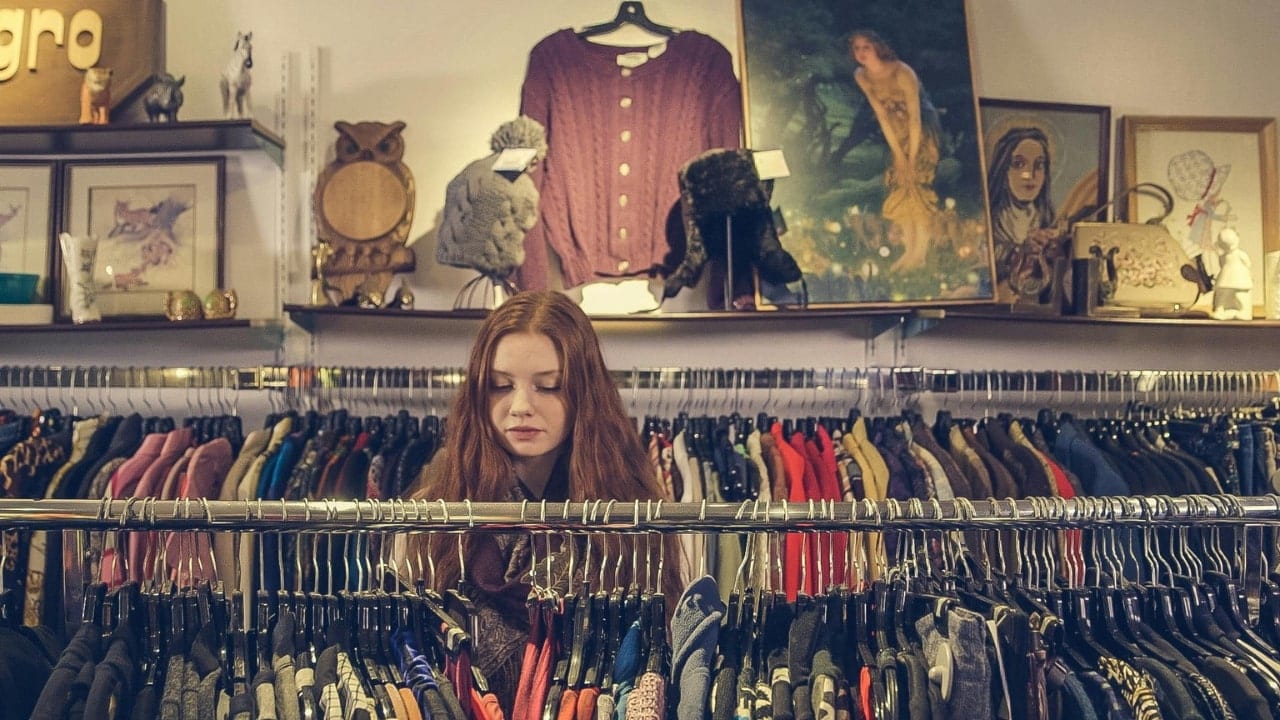
Whether it's clothes, kids' gear, or small appliances, I started checking resale options before buying anything new. Facebook Marketplace, local thrift stores, and consignment shops have saved me hundreds. It's not about settling-it's about being smart. A $10 jacket that looks brand new beats a $60 one that blows your budget.
Swapping subscriptions for free or shared alternatives
I looked at every subscription I had and cut the ones I didn't use often. I replaced some with free versions or shared access where it made sense. Even switching from paid music streaming to the free version with ads saved me a chunk every month. Little changes like that stopped money from disappearing without me realizing it.
Using a physical list instead of shopping by memory
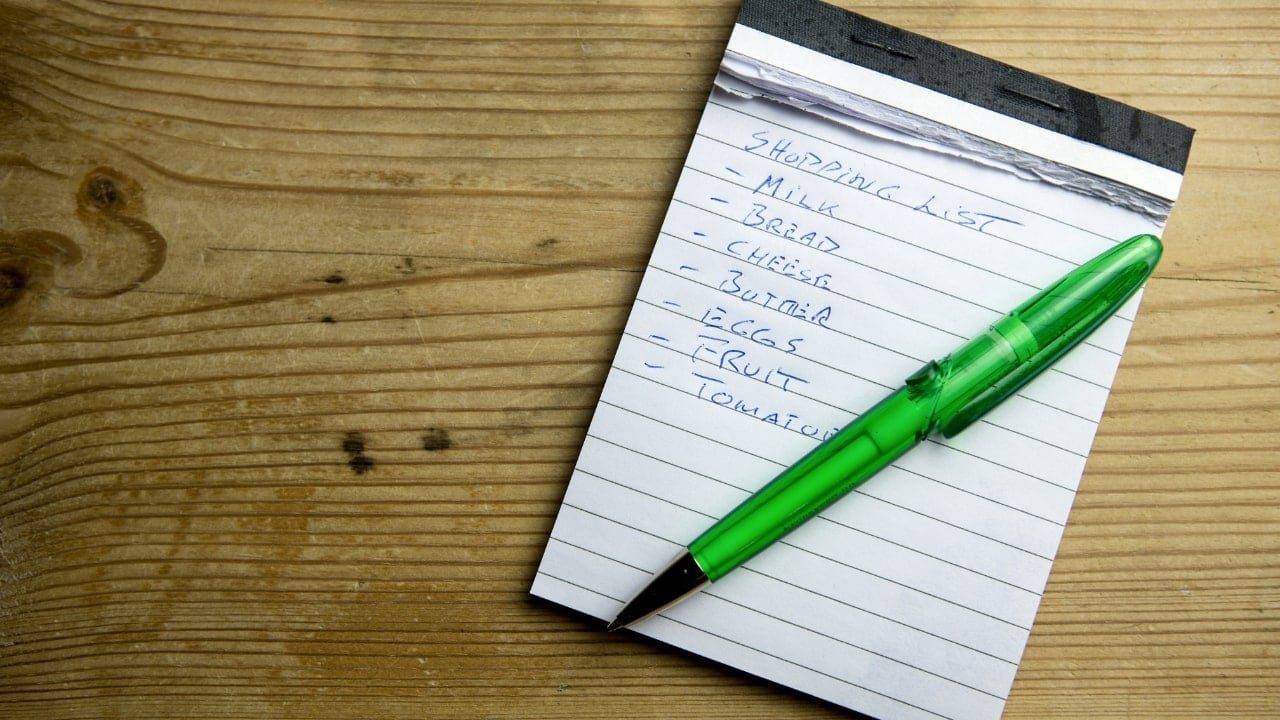
Shopping without a list meant buying things I already had or didn't need. Now I keep a running grocery list on the fridge and stick to it. It keeps me focused, helps avoid duplicates, and cuts down on impulse buys. Planning ahead saves more money than any coupon I've ever clipped.
Packing lunches instead of buying them
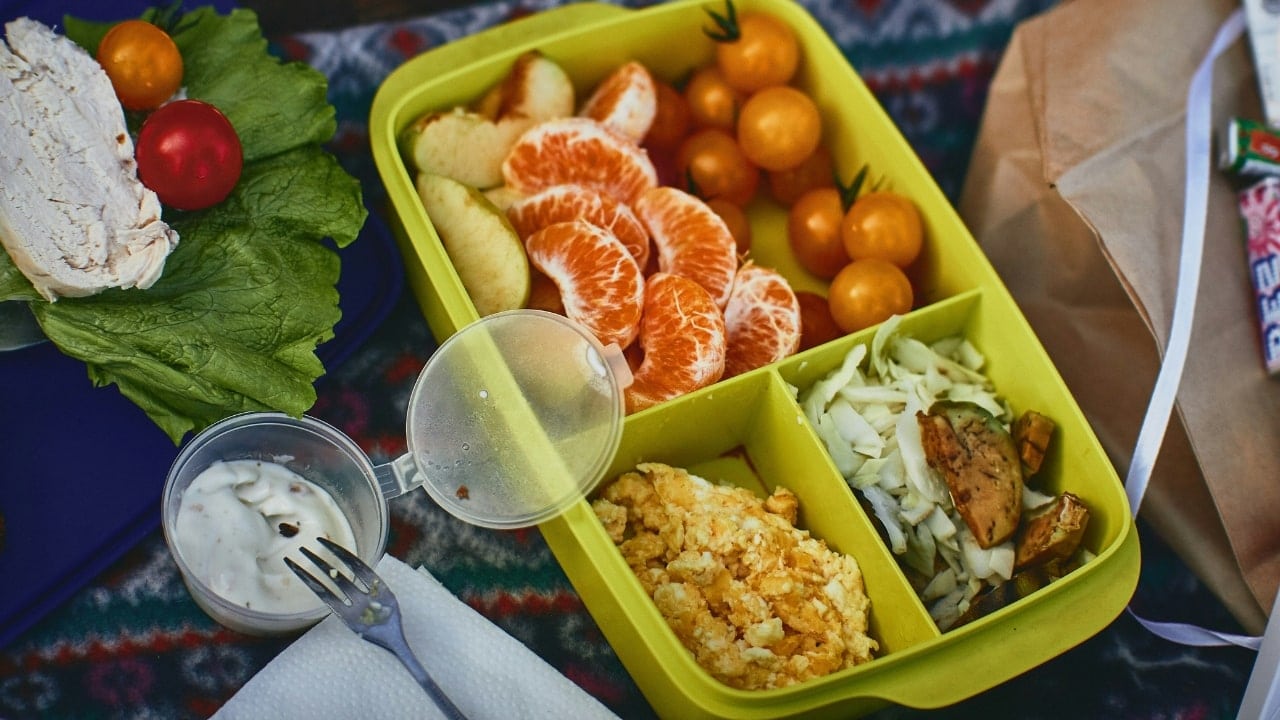
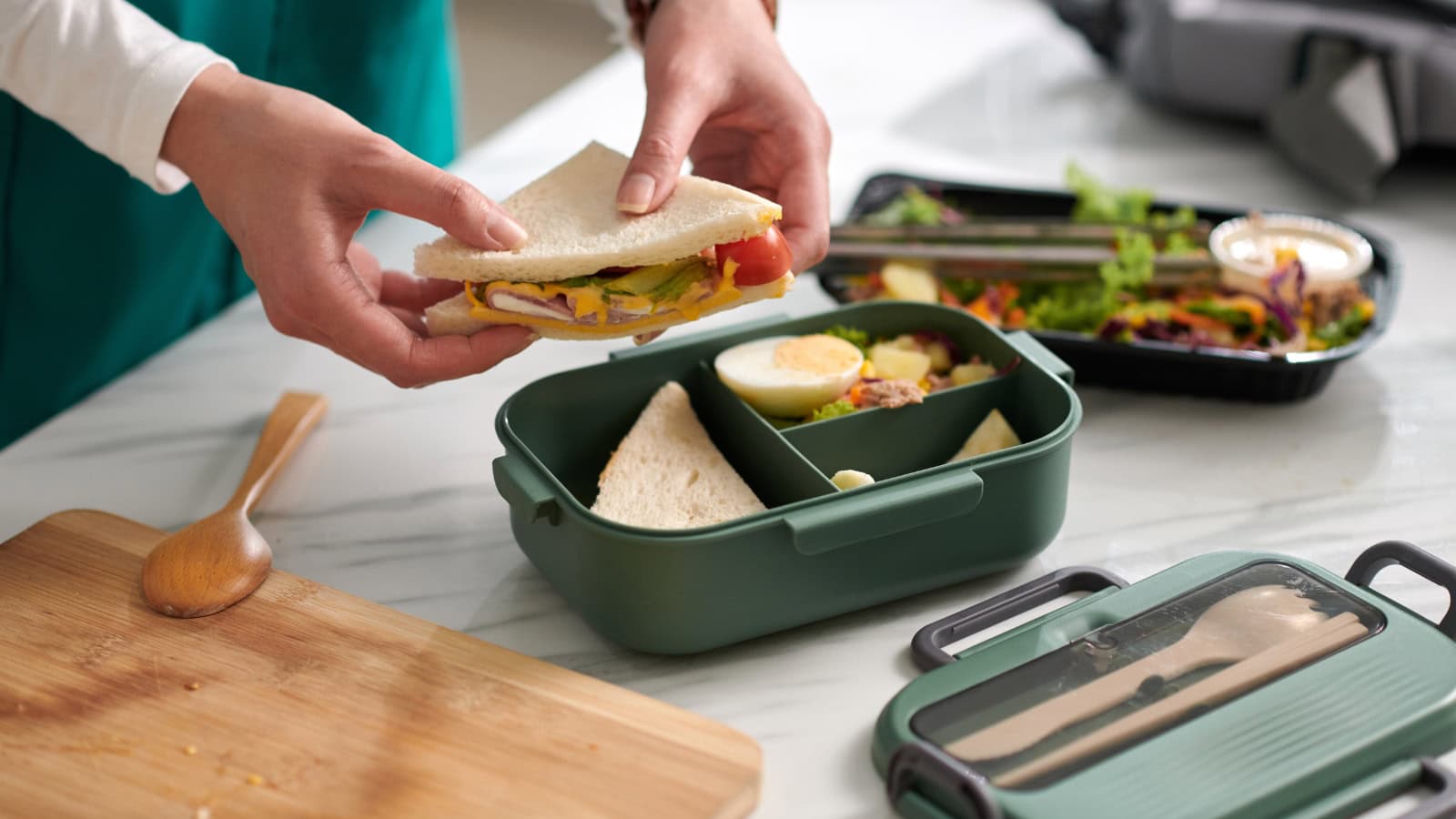
Buying lunch out every day adds up fast-even fast food. Once I started packing lunches using leftovers, sandwiches, or easy snack combos, I stopped bleeding money during the workweek. I didn't need to give up good food-I just needed to prep a little and stop paying $10+ every time I was hungry and unprepared.
Replacing personal care services with at-home versions
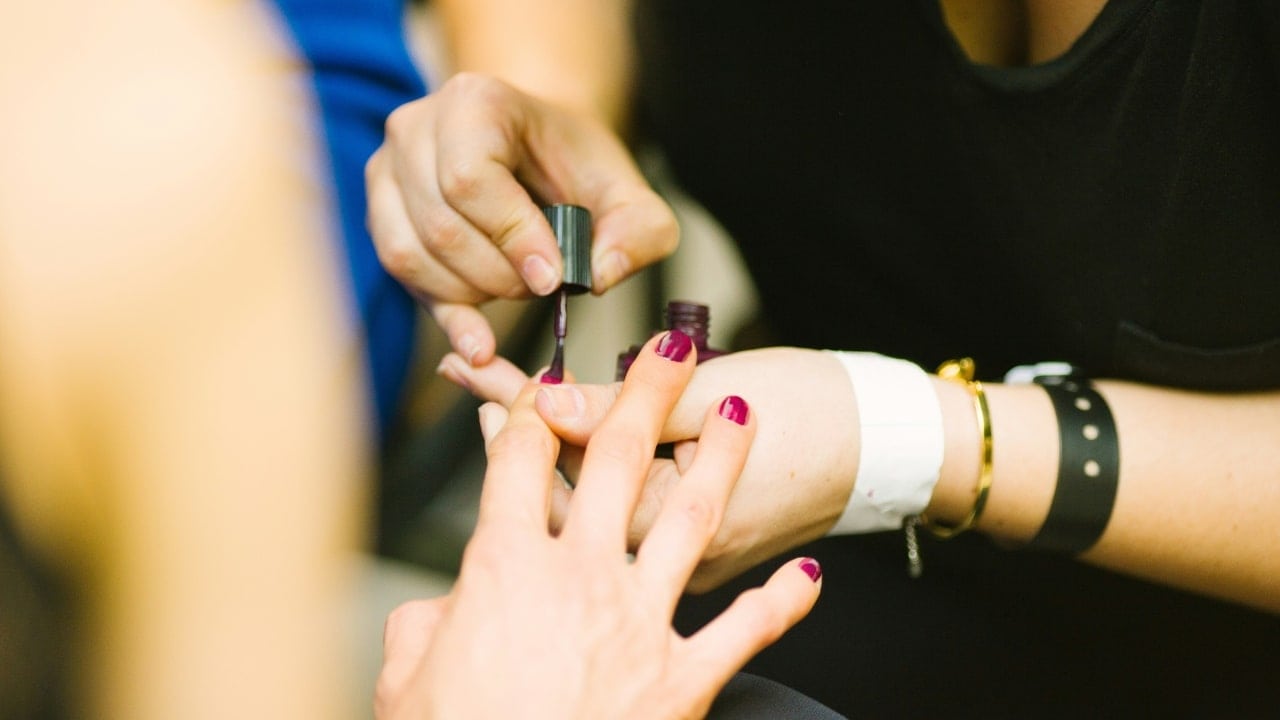
Instead of going to the salon every few weeks for things I could manage myself-like nails, brows, or hair masks-I started doing them at home. I still budget for a few services I care about, but the rest I've taken off the schedule. It's not about skipping self-care-it's about finding affordable ways to still feel put-together.
Using cash for flexible spending
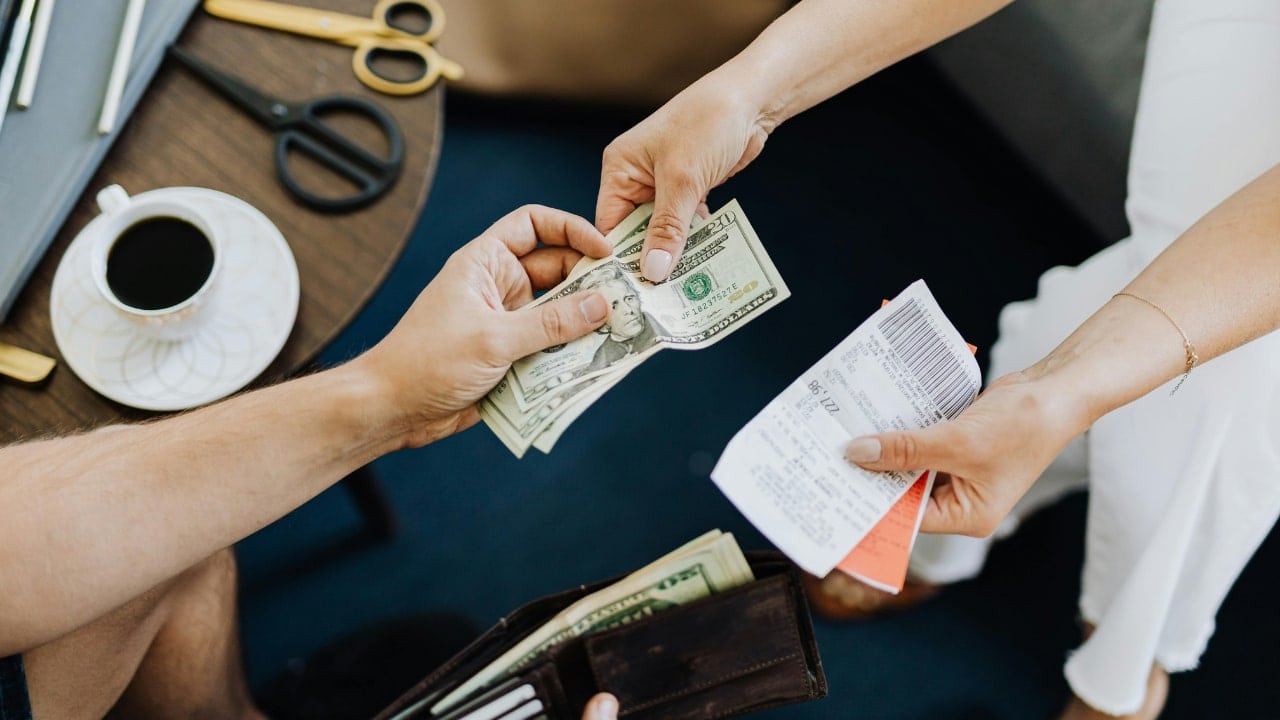
I started pulling a set amount of cash for things like fun money, snacks, or random Target trips. Once the cash is gone, I'm done spending. It made me way more aware of where the money was going and helped me stop swiping without thinking. That control helped me finally start saving what used to disappear.
Switching from auto-renew to manual payments

Auto-renew made it easy to forget what I was signed up for. I turned off auto-renew on everything I could and started manually reviewing subscriptions before paying again. If I didn't miss it, I canceled it. If I used it, I kept it. That habit stopped the silent budget leaks I wasn't noticing before.
Buying bulk basics and skipping single-use items
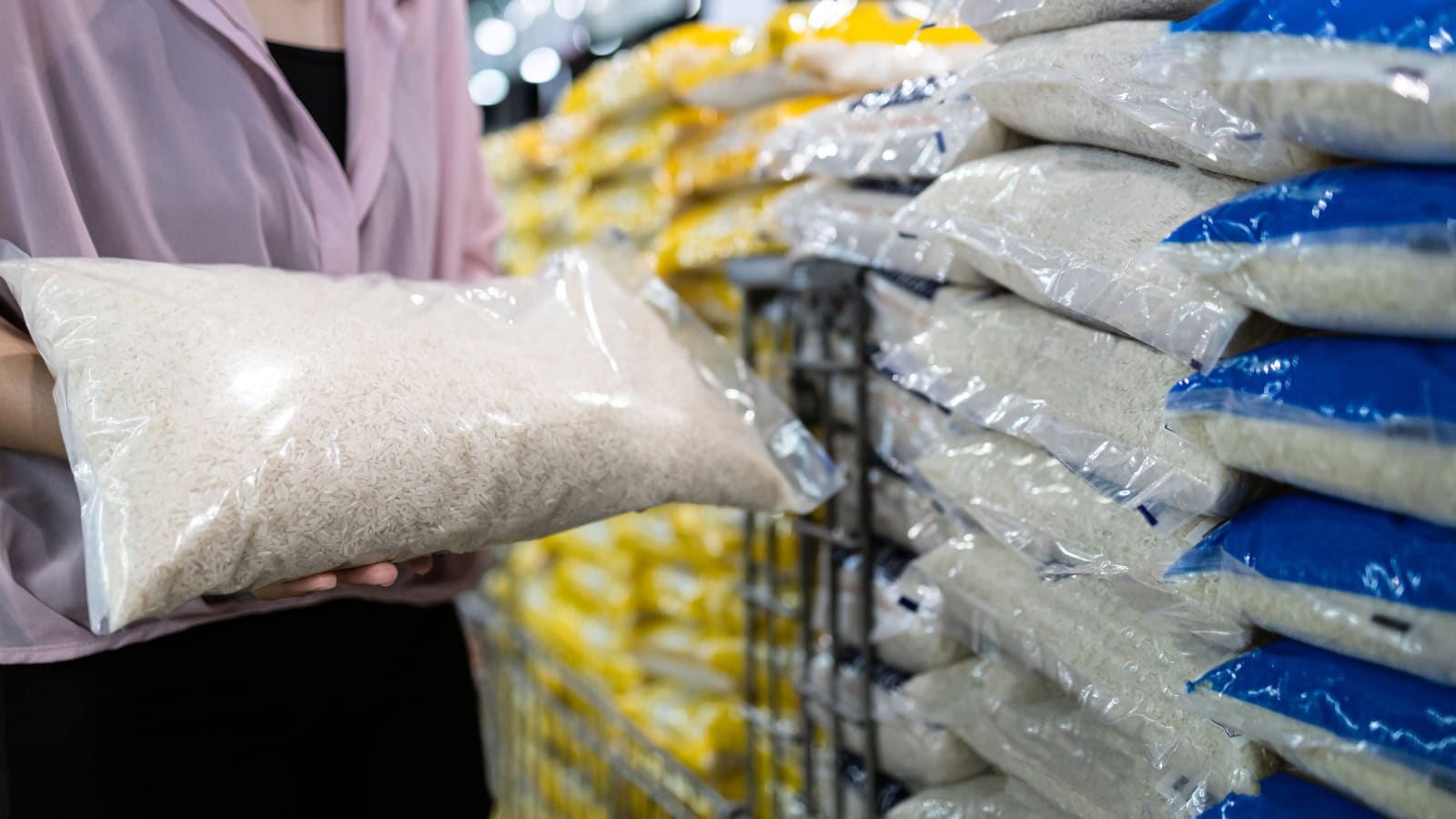
I started buying things like rice, oats, beans, and pantry staples in bulk-and I stopped paying for one-time-use stuff like paper plates, plastic cutlery, and cleaning wipes. Bulk buying saves money long-term, and reusable items last way longer. It's less waste, less clutter, and a grocery bill that actually makes sense.
*This article was developed with AI-powered tools and has been carefully reviewed by our editors.






Leave a Reply