
10 Money-Saving Lessons I Learned From Downsizing

Downsizing isn't just about cutting square footage-it forces you to rethink every spending habit, storage choice, and daily routine. What used to feel like "normal" suddenly looks like clutter or waste when space gets tight. And while the transition might feel uncomfortable at first, the financial benefits add up fast. You start seeing what actually adds value to your life and what's draining your budget without giving much back. These are the lessons that stuck with me most-and they've helped us stay lean ever since.
You Spend Less When You Have Less Room
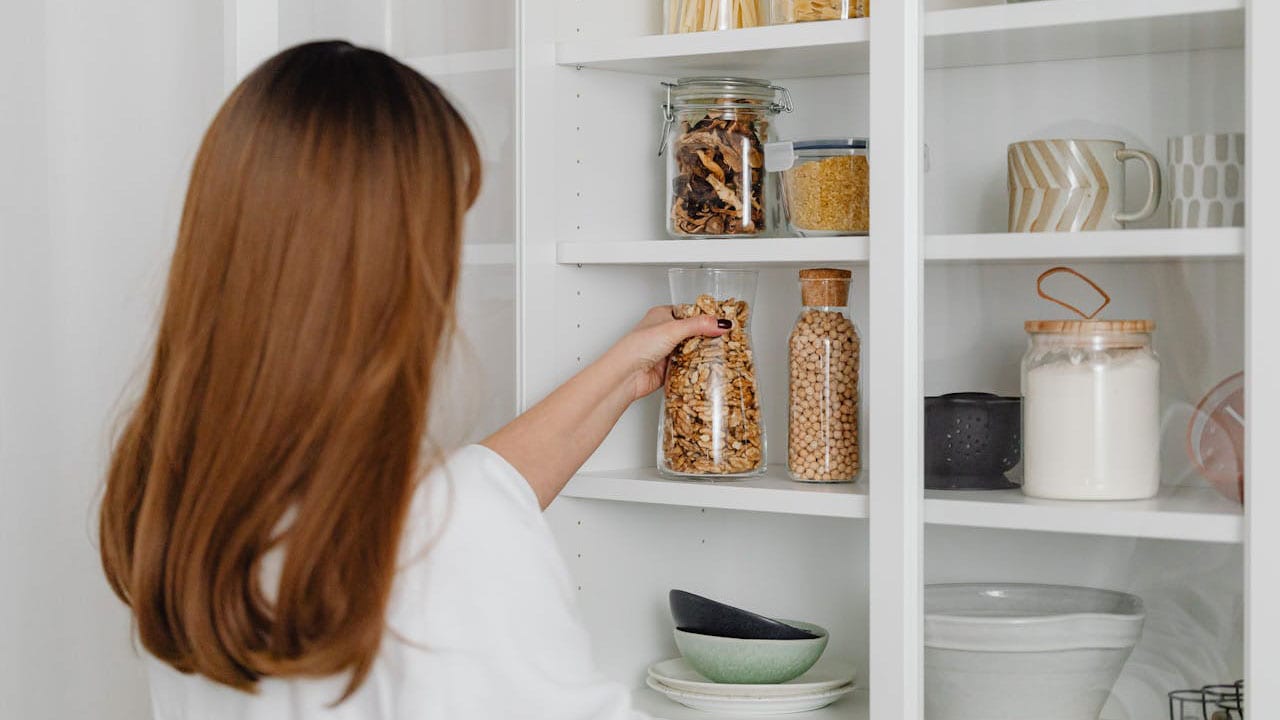
A smaller space naturally limits the amount of stuff you bring in. You're not buying duplicates or stocking up on things "just in case" because you literally don't have anywhere to put them.
That one shift cut down on impulse buys. Even walking through Target or Costco, you start thinking, "Where would I even store that?" You end up buying less by default, and your spending habits slowly recalibrate to match the space you're actually living in.
Renting a Storage Unit Isn't Always a Bridge-It's a Drain
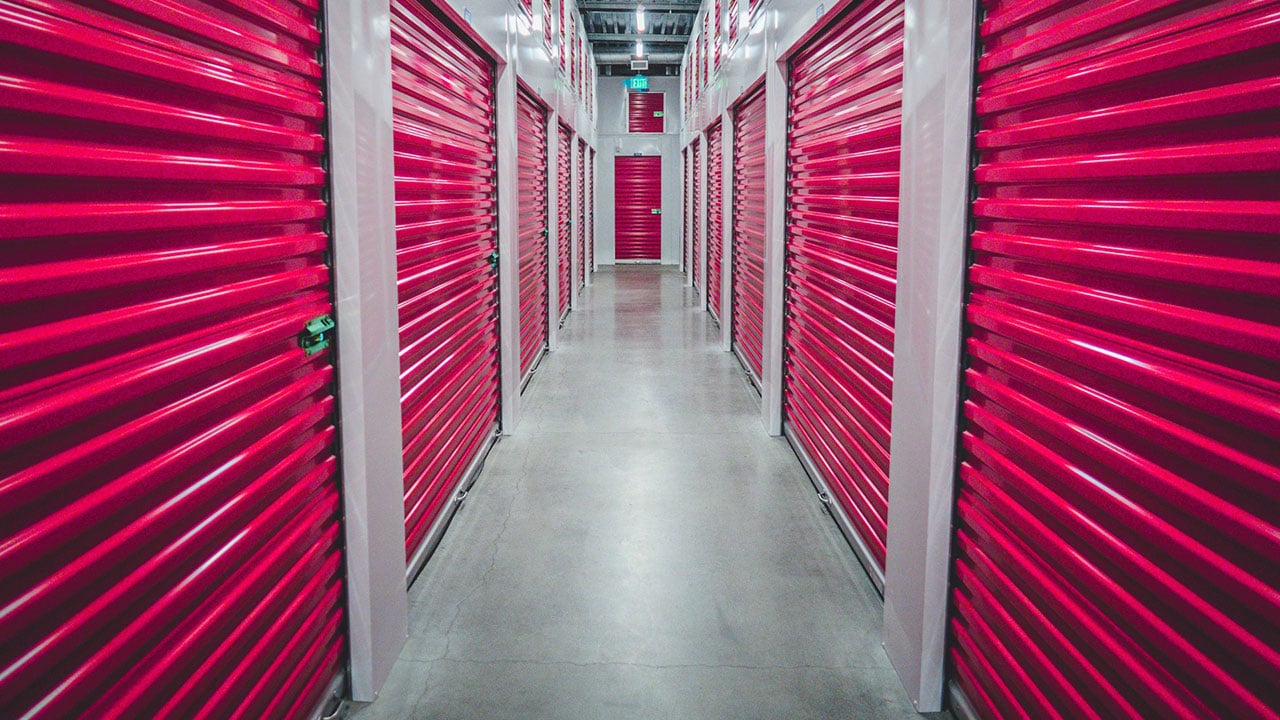
A lot of people hang onto storage units thinking it's temporary, but those fees add up fast. If you’re spending $100 a month, that's $1,200 a year to store stuff you probably won't miss once it's gone.
Downsizing forced me to let go of things I thought I needed, and it turns out I didn't. Letting go of the storage unit was a huge financial win-and honestly, a mental one too. Less clutter, lower bills, and nothing hanging over my head.
Utilities Drop Fast With Less Space to Heat and Cool
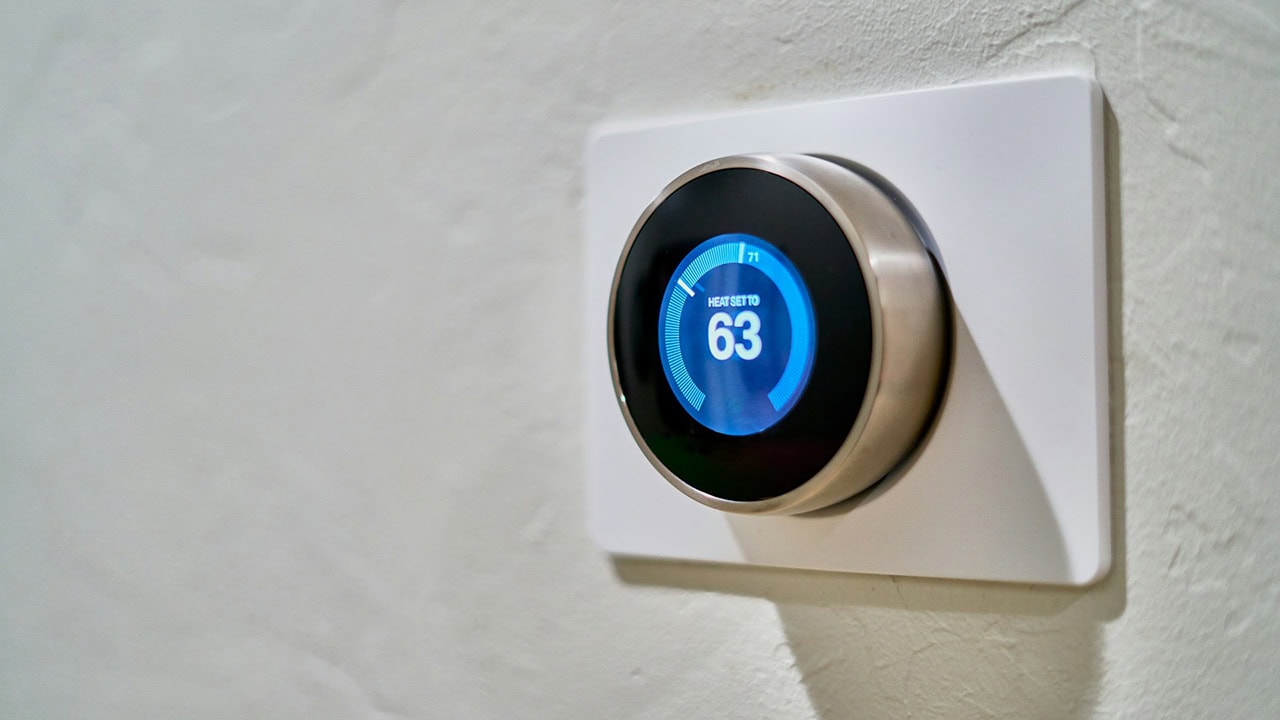
When you live in a smaller home, your power and gas bills usually shrink right along with it. You’re not paying to heat or cool rooms you barely use, and that cuts your energy usage significantly.
Even a $50 difference each month adds up over the year. Downsizing made me more aware of how much we were paying for convenience versus what we actually used. We didn't sacrifice comfort-we cut the waste.
Grocery Waste Gets More Obvious

With less fridge and pantry space, you don't overbuy as easily. I had to be more intentional about meals and stop stockpiling "backup" items that always expired before we used them.
We started planning smaller grocery trips more often, which meant fresher food and fewer trash bags full of wilted produce or freezer-burned meat. It sounds small, but it made a clear difference in our monthly grocery bill.
Multipurpose Items Become the Norm
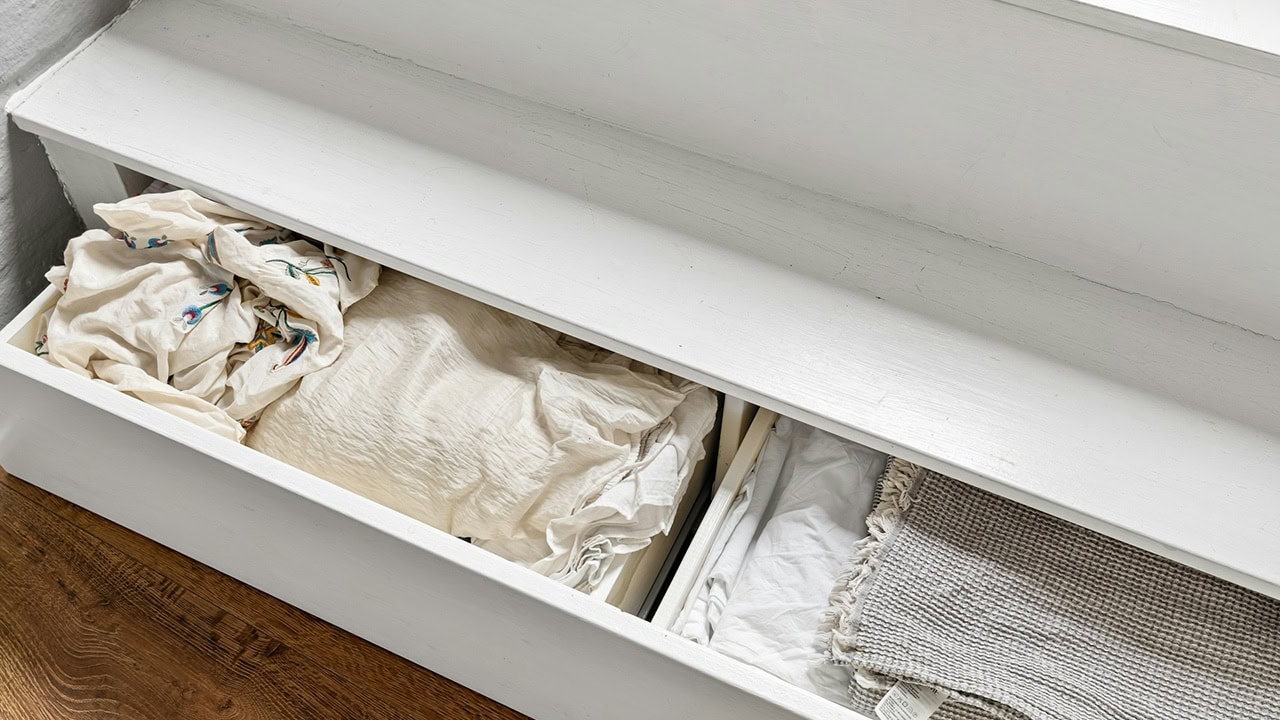
When space gets tight, you stop buying one-off gadgets or single-use tools. You learn to look for things that can do double duty-like furniture with built-in storage or kitchen tools that actually earn their keep.
Instead of buying every product that promised to "make life easier," I used what I had more efficiently. That mindset shift saved money long-term and stopped the cycle of chasing solutions I didn't really need.
You Notice Subscriptions Faster

Downsizing made me reevaluate every monthly expense because I didn't want anything eating into the leaner budget we were building. Streaming services, apps, and memberships got reviewed with fresh eyes.
When you’re watching your outflow more closely, that $8 or $12 here and there doesn't slip through unnoticed. Canceling even a few of those freed up money for things we actually used-and none of them were missed.
Fewer Rooms Means Fewer Things to Furnish
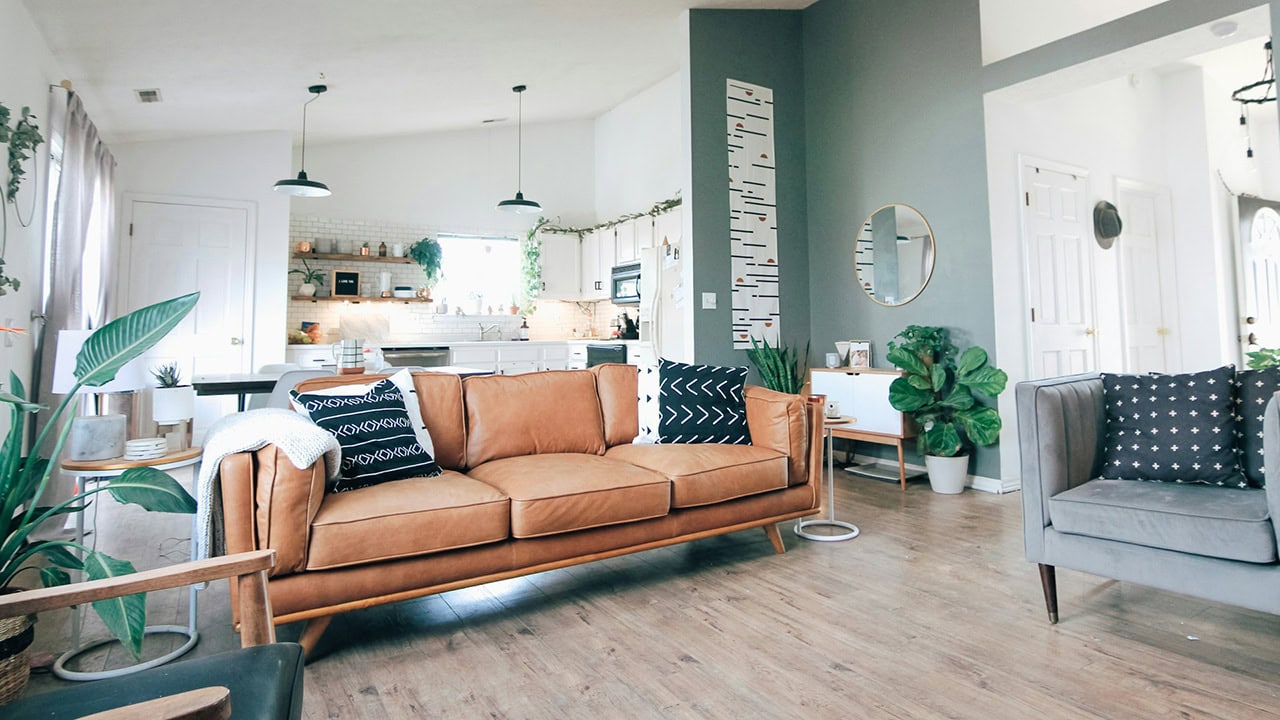
It's easy to overlook how much it costs to fill a space. Downsizing meant fewer rugs, curtains, decorations, and furniture to buy. I didn't need to keep adding "finishing touches" to unused rooms.
And when I did need something, I was more intentional with what I chose. Instead of filling space, I was picking things that worked hard and looked good, which ended up saving money and making the space feel more functional overall.
Cleaning Supplies Last Longer
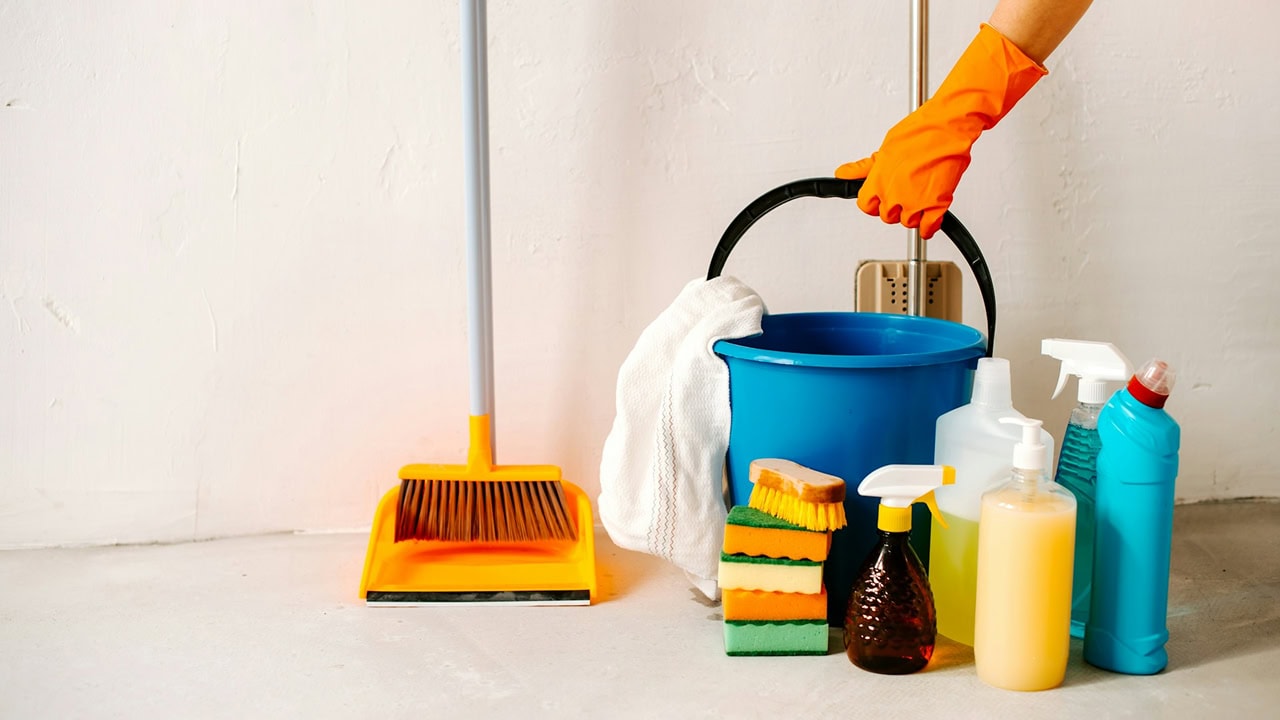
With fewer floors to mop and bathrooms to stock, you go through cleaning supplies a lot slower. I wasn't buying big refill packs or constantly replacing half-used products anymore.
Even things like vacuum bags, dish soap, and paper towels started lasting longer. You don't think of cleaning as a money-saver, but when you're not constantly replenishing things, it really shows in your monthly spending.
You Stop Decorating to Impress
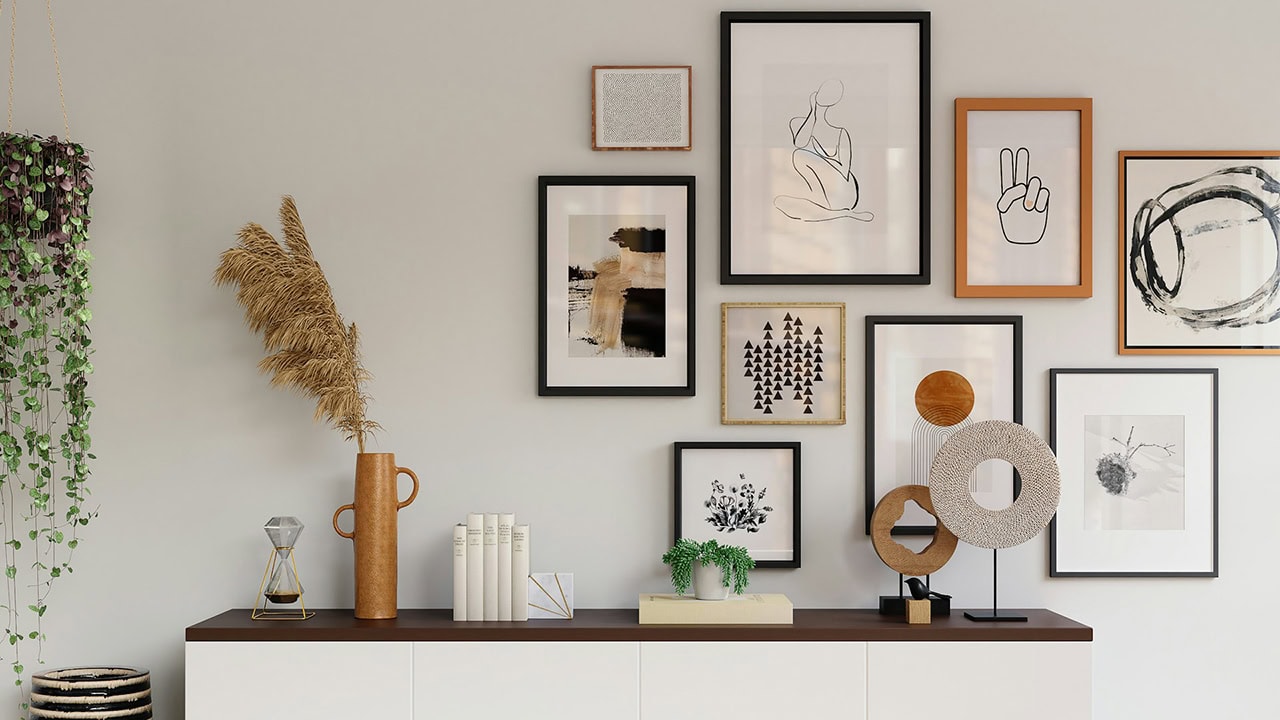
In a smaller space, the focus naturally shifts to what works for your actual life. You stop feeling like you have to decorate for guests or trends, and start choosing things that make sense for your day-to-day.
That change cut out a lot of unnecessary purchases. I wasn't constantly browsing for new seasonal throw pillows or rearranging shelves to make them "Pinterest-worthy." Living for real use instead of visual appeal saved more than I expected.
It's Easier to Prioritize Big Financial Goals

With fewer expenses dragging you down, you can actually put more toward savings, debt payoff, or future plans. Downsizing gave us margin-physically and financially-to start getting ahead.
And once you experience that kind of breathing room, you don't want to go back. Living smaller helped us think bigger. The house didn't feel like a downgrade-it felt like a reset. And it's one I'd do again in a heartbeat.
*This article was developed with AI-powered tools and has been carefully reviewed by our editors.






Leave a Reply