
10 ‘money-saving’ habits that ended up costing me $250 more

Trying to cut costs can backfire when the strategy ends up costing more in the long run. Some habits seem smart at first-like skipping maintenance or stretching a product's lifespan-but they slowly chip away at your wallet with extra repairs, replacements, or missed opportunities.
These mistakes don't always show up immediately, which makes them even harder to catch. But once you add it all up, it's easy to see how trying to be "thrifty" in the wrong places can easily cost $250 or more over time.
Ignoring Basic Car Maintenance
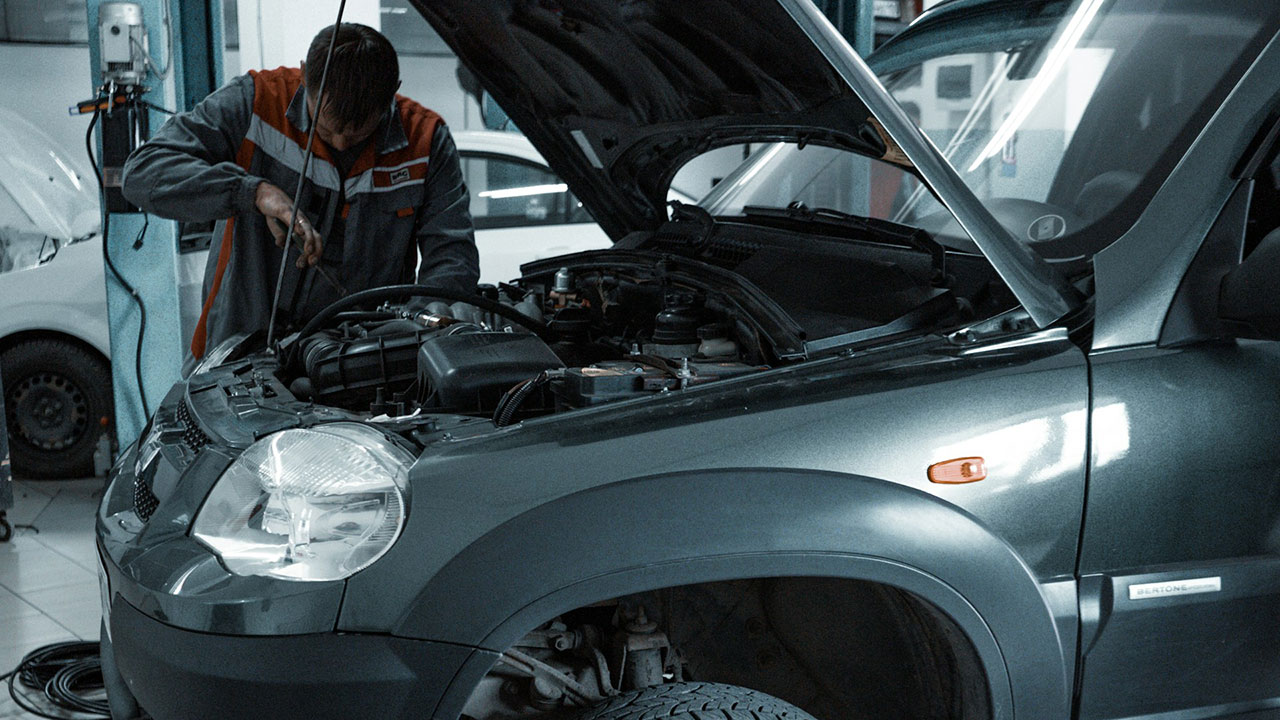
Skipping oil changes or tire rotations to "save" a little each month might seem harmless-until you're stuck replacing a bald tire or dealing with engine trouble. It doesn't take long for deferred maintenance to become an expensive repair.
You're not doing yourself any favors by pushing past the recommended service window. Even basic upkeep can prevent problems that snowball into $800+ issues. It's cheaper to be proactive, even if it feels like a nuisance in the moment.
Buying Cheap Shoes

Grabbing the cheapest pair of sneakers or boots might feel like a win, but your feet (and back) will pay for it later. Most budget shoes break down fast, forcing you to replace them more often-and some can actually cause pain or injury.
If you're walking around with no support or traction, you might end up at the chiropractor or shelling out for new shoes after a few months anyway. Paying a little more upfront for one solid pair can save you from the revolving door of replacements.
Cutting Too Many Subscriptions at Once

Canceling everything in the name of savings sounds smart, but if you rely on those services-like grocery delivery, streaming, or a budget-friendly gym-you'll end up spending more trying to replace them.
Grocery delivery might've cost $10, but now you're impulse-buying $40 worth of snacks in-store. Or you canceled the cheap gym and never found a free workout that stuck. It's all about balance-cutting back should still make your life work, not harder.
Switching to Lower-Quality Trash Bags
You think you’re saving a couple bucks switching from name-brand bags to the dollar store version… until they rip halfway to the bin. Then you're cleaning up sticky messes and doubling up bags anyway.
What looks like a minor downgrade can cause more waste-both time and money. Sometimes a product is priced higher for a reason, and trash bags are one of those areas where going cheap leads to frustration fast.
Skipping the AC When It's Too Hot
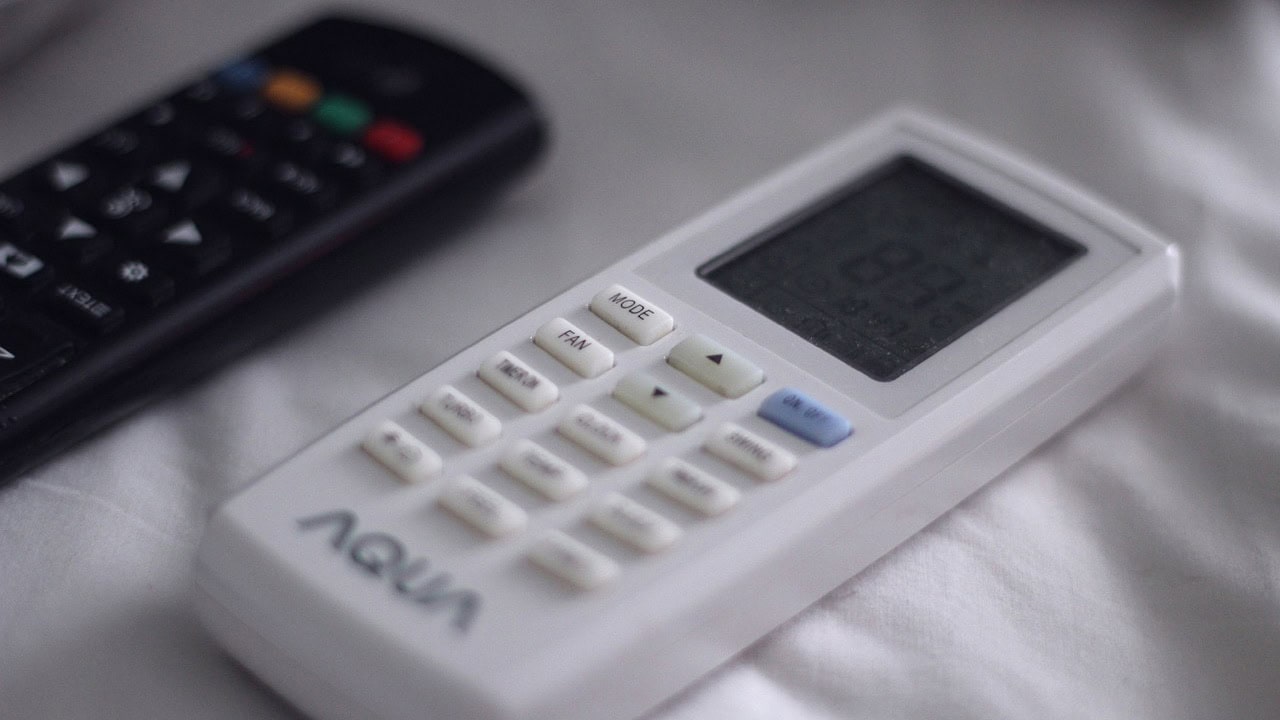
Turning off the air to save on your electric bill might look good short-term, but if your food spoils, electronics overheat, or you end up getting sick, the cost adds up.
Your fridge works harder, your body gets dehydrated faster, and your productivity tanks. There's a difference between being energy-conscious and making your home miserable. A well-regulated home saves more in repairs and health than you think.
Buying in Bulk Without a Plan
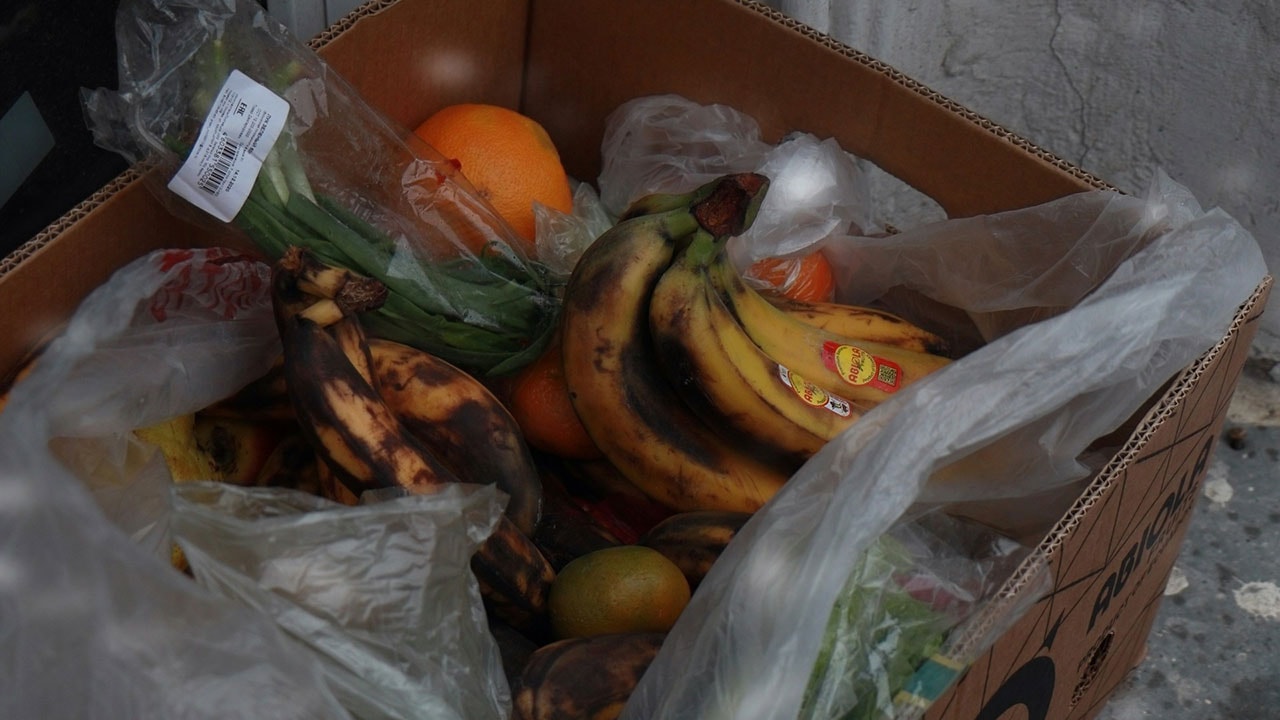
It sounds smart to stock up when things are on sale, but buying bulk without a real plan often leads to waste. Food expires, storage runs out, and you forget what you have.
You end up tossing out food, rebuying things you didn't realize you already had, or spending extra on storage containers. Buying in bulk works-if you're actually using it. Otherwise, it's just tying up cash and cluttering your pantry.
DIY-ing Every Repair
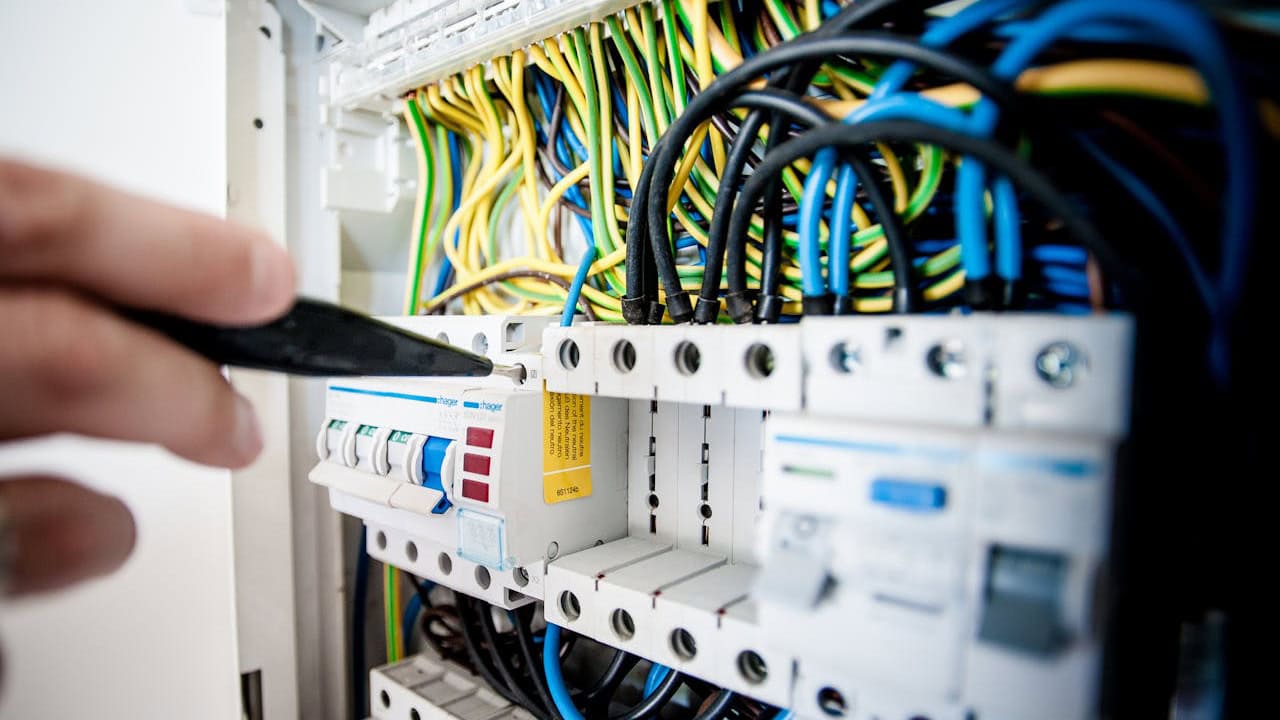
Fixing things yourself can save money-but only if you know what you're doing. A lot of people (myself included) have taken on a repair thinking it'd be quick and cheap, only to make it worse.
One wrong step and you're calling a pro anyway-who now has to undo your mistake and charge more for the trouble. If the job's beyond your comfort zone or safety is involved, calling someone upfront is often cheaper in the long run.
Driving Across Town for Cheaper Gas
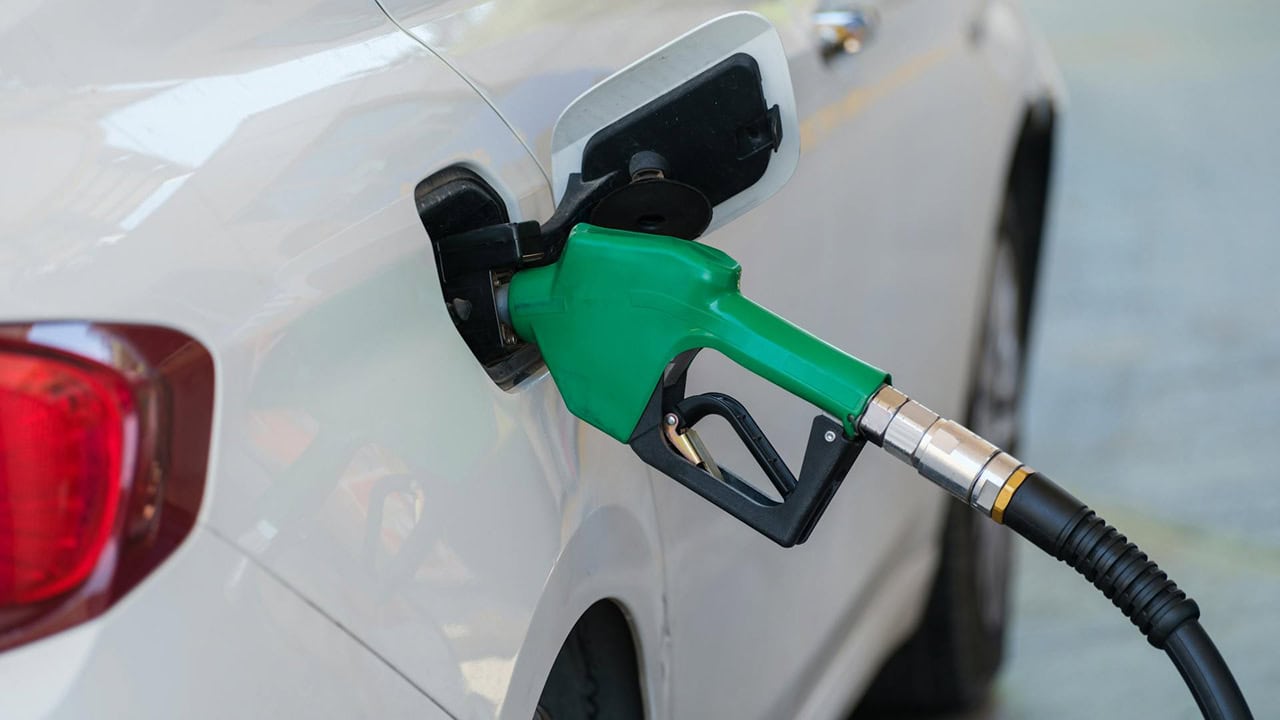
Saving 20 cents a gallon sounds smart until you drive 15 minutes each way and spend more in gas than you saved. Add in time wasted and potential wear on your car, and it rarely works out in your favor.
Unless you're already headed in that direction, chasing low gas prices can backfire fast. You’re better off filling up at a decent price nearby than burning fuel and time trying to save pennies.
Reusing Old Paint for a New Room
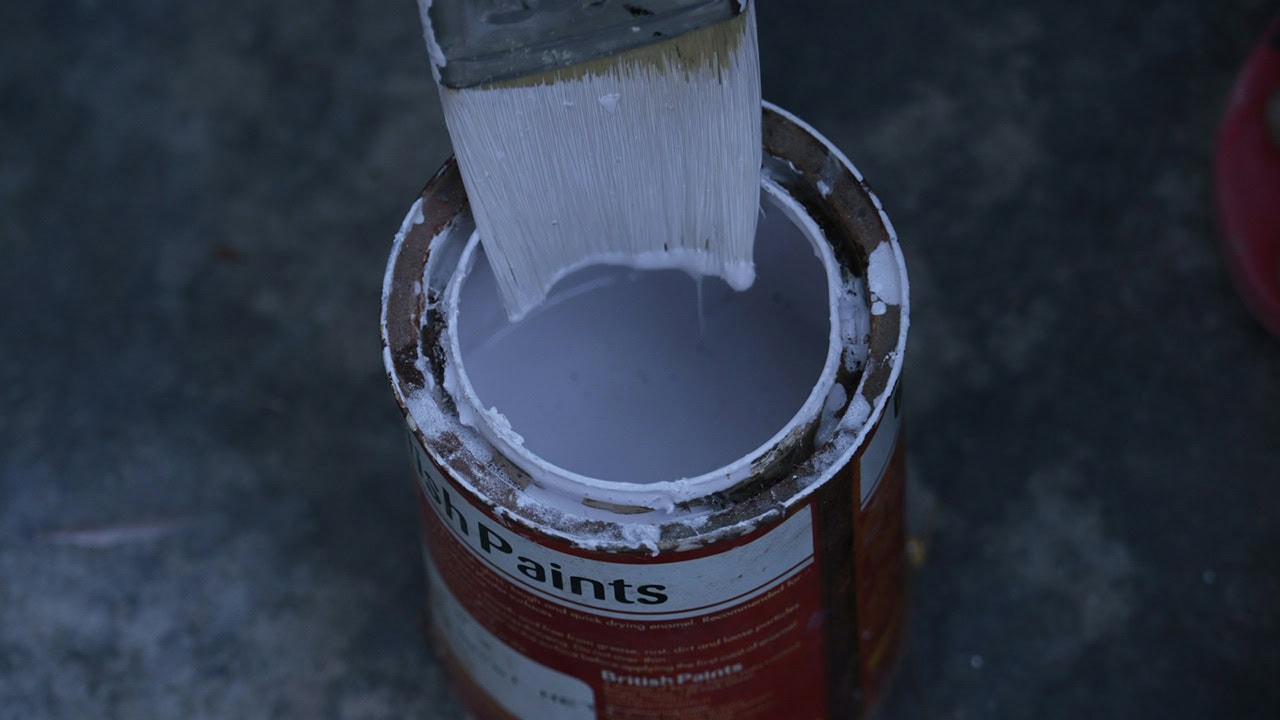
It feels smart to use leftover paint from the garage, but old paint doesn't always hold up. You might end up with uneven color, peeling, or worse-moldy or separated paint that ruins your walls.
Then you're sanding, re-priming, and repainting the whole thing anyway. Unless you've stored it perfectly and it's still in good shape, it's usually safer (and cheaper) to start with fresh paint that'll actually last.
Skipping the Warranty on Electronics
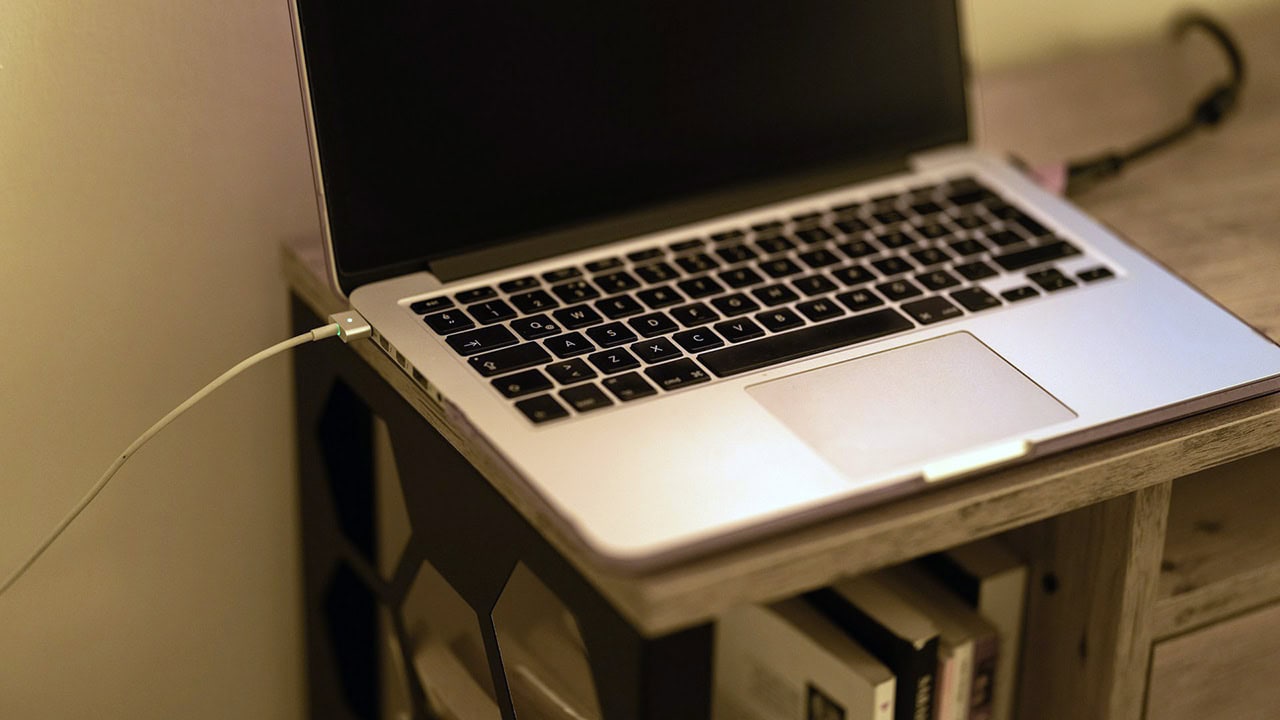
Sometimes those $15-20 extended warranties are actually worth it-especially on high-use electronics. I've skipped them plenty of times thinking they're a waste, only to pay full price for a replacement when something breaks six months in.
If the product is something you rely on every day, a short warranty can pay off fast. Not everything needs one, but ignoring them across the board can backfire if you're the one holding the broken device later.
*This article was developed with AI-powered tools and has been carefully reviewed by our editors.






Leave a Reply