
10 money rules I live by (even when it's hard)

Money gets emotional fast. It's tied to stress, security, guilt, confidence-you name it. That's why having rules helps. When your emotions start trying to run the show, your rules keep you grounded. These aren't random tips or trends.
These are the lines I've drawn to protect my finances, stay out of debt, and actually make progress. They've taken discipline to stick to, especially when life throws curveballs, but they've also saved me from making way too many expensive mistakes.
I don't borrow for things that don't grow in value

If it's not going to increase in value-or generate income-it doesn't make sense to go into debt for it. That means no loans for vacations, furniture, or shopping sprees. If I can't afford it outright, I wait.
This mindset keeps you from racking up interest on things that depreciate fast. You don't need to finance your lifestyle to enjoy life. Living within your means gives you a lot more freedom long term.
I always know my numbers
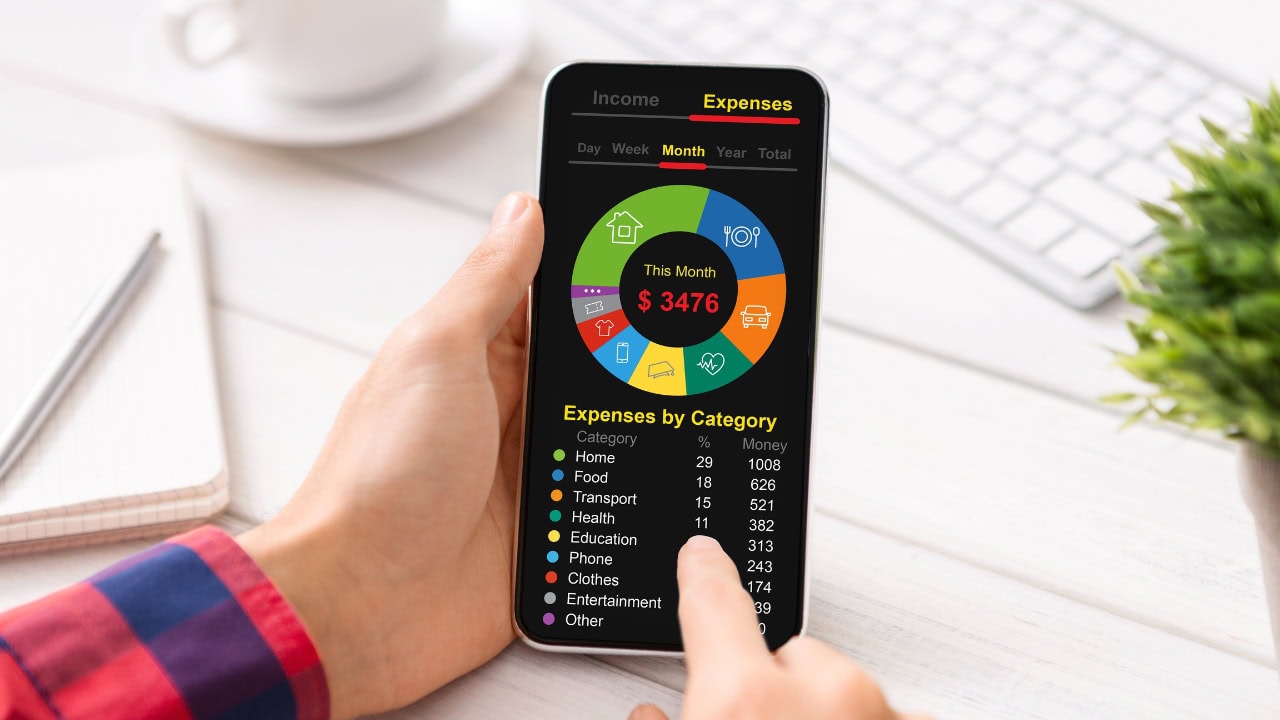
Even when it's uncomfortable, I keep a pulse on what's coming in, what's going out, and where every dollar is going. Guessing leads to overspending. Tracking gives you control.
This doesn't have to mean fancy spreadsheets. Even a notebook or a budgeting app works. But if you're not checking in regularly, it's way too easy for your money to disappear without anything to show for it.
I never skip the emergency fund
It's not exciting, but it's one of the most important things I do. Having at least a few months of expenses saved has saved me more times than I can count. Car repair? Medical bill? Lost income? Covered.
Even if you're building it slowly, keep going. The peace of mind alone is worth it. Life gets expensive when you're unprepared, and this is the buffer that keeps you from sliding backward.
I always question monthly subscriptions

Those automatic payments are sneaky. You sign up once, and they pull from your account forever. I check in every couple of months and ask, "Am I actually using this?" If not, it's gone.
It's not about being cheap. It's about making sure your money is working for you. Paying $12 here and $7 there adds up to hundreds over the year-and you could probably use that cash for something better.
I treat spending like a tradeoff

Every dollar you spend on one thing is a dollar you can't put toward something else. That doesn't mean you can't enjoy your money-it just means you do it with eyes wide open.
When you think in tradeoffs, you spend smarter. You realize buying that extra thing means putting off your goal. And if the tradeoff isn't worth it, you don't spend. That awareness changes everything.
I don't upgrade what still works

It's easy to get caught in the cycle of replacing things that aren't broken. But unless something's truly slowing me down or costing me more in repairs than it's worth, I keep it.
This goes for phones, appliances, cars-everything. Constant upgrades eat into savings fast. You don't need the latest version of everything to live well. You need things that do their job and don't drain your wallet.
I always factor in the full cost
A lot of spending traps hide in the extras. A "cheap" coffee machine becomes expensive when you add pods and filters. A "great deal" on a car turns costly once you add gas, insurance, and maintenance.
Before I buy, I ask myself what it really costs to own or maintain something. If I can't afford all of it, I wait. This habit has saved me from buying things that were affordable in theory but draining in practice.
I save before I spend on fun
Even when things are tight, I still put something toward savings before I splurge. Even if it's $5. That habit trains you to prioritize your goals over your impulses-and it adds up faster than you'd think.
Once the savings are set aside, you can enjoy what's left without guilt. You're not depriving yourself. You're making sure you're covered first and letting the fun money actually feel fun.
I don't let sales trick me
A discount doesn't mean something is worth buying. I've trained myself to stop and ask, "Would I want this at full price?" If the answer is no, I don't buy it-even if it's 75% off.
This helps cut down on clutter too. Sales are designed to make you act fast, but you don't owe the retailer anything. If you weren't looking for it before the sale, you probably don't need it.
I never assume more money will fix bad habits

It's easy to believe that once you make more, your money problems will go away. But more income doesn't fix overspending, poor planning, or emotional buying. It usually just scales them.
That's why I focus on discipline first. Budgeting, saving, and spending wisely at any income level builds the habits that actually lead to financial peace. If more money comes, great-but I'm not waiting for it to get my act together.
*This article was developed with AI-powered tools and has been carefully reviewed by our editors.






Leave a Reply