
10 money mistakes I'll never make again

There's no shortage of financial advice out there, but the most effective lessons usually come from messing up firsthand. Overspending, ignoring the fine print, chasing things that don't actually matter-they all feel small in the moment, but the consequences stack up fast.
Looking back, there are a few money mistakes I made that weren't worth the stress, and I'm not willing to repeat them. If you've made any of these too, you're not alone. Here's what I've learned the hard way, so you don't have to.
Putting Off an Emergency Fund
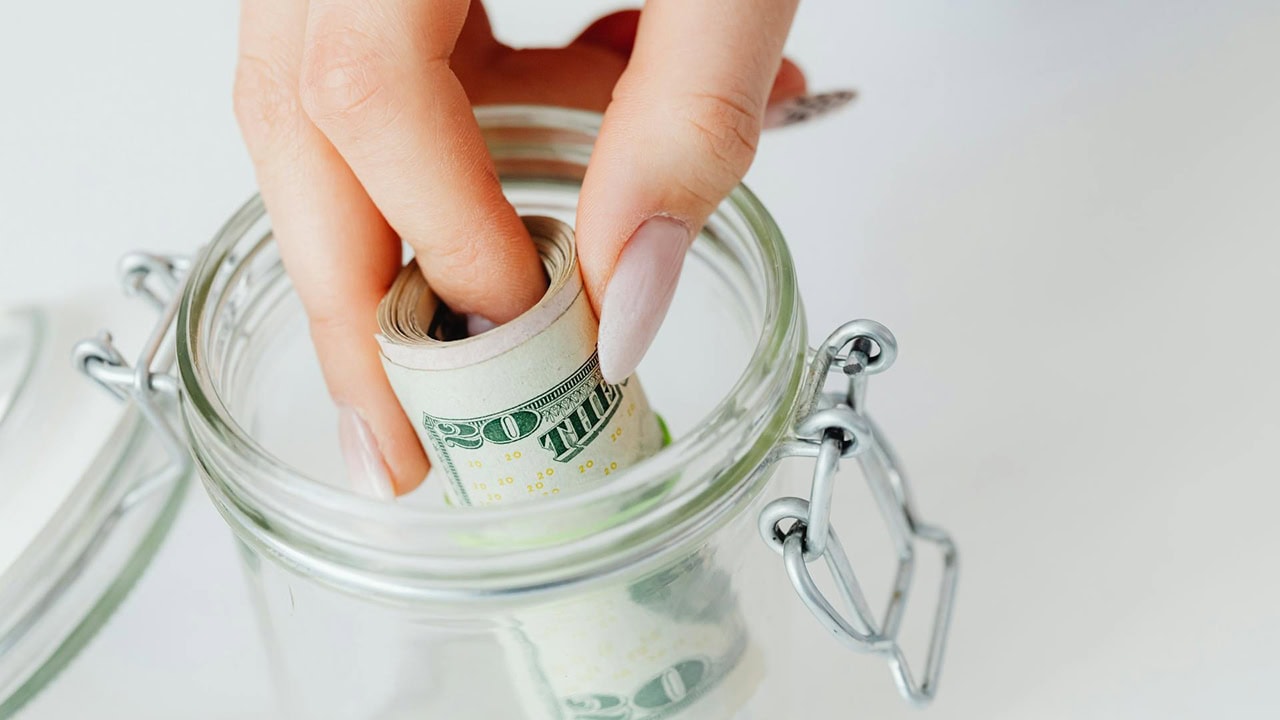
Waiting to build an emergency fund is one of the easiest ways to get blindsided. Life doesn't wait until you’re "financially ready" to throw something unexpected at you-car trouble, a medical bill, or hours cut at work can wreck your budget fast.
Even if it's just $20 a week, getting something in savings gives you breathing room. I used to assume I could throw it on a credit card and figure it out later. That only made the next few months harder than they had to be.
Letting My Spending Creep With My Income
It's easy to think that making more money means you've got room to spend more. But when every raise or bonus goes toward nicer stuff, bigger bills, or unnecessary upgrades, you don't actually make any progress.
I used to think a little treat here and there was harmless. But it turned into a pattern that left me with the same stress and zero extra savings. Now, when income goes up, I keep my lifestyle steady and let my bank account grow instead.
Financing Things That Don't Hold Value

Using financing to buy things like furniture, decor, or clothes felt doable at the time-small payments, no interest, flexible terms. But six months later, I was still paying off something I didn't even like anymore.
If it doesn't grow in value or earn money back, it's not worth putting on a payment plan. I'd rather save for it upfront or go without than stretch out the cost of something that's losing value the second I take it home.
Not Reading the Fine Print on Subscriptions

Those $5-$10 subscriptions sneak up fast. Streaming services, apps, tools I barely used-it all added up. What made it worse was missing the fine print: auto-renewals, trial expirations, and fees that weren't clear upfront.
I once got hit with an annual charge I forgot was coming, and it messed up my budget for the entire month. Now I keep a list of every subscription I have, how much it costs, and when it renews. If I'm not using it regularly, it's gone.
Relying on Credit for Everyday Purchases
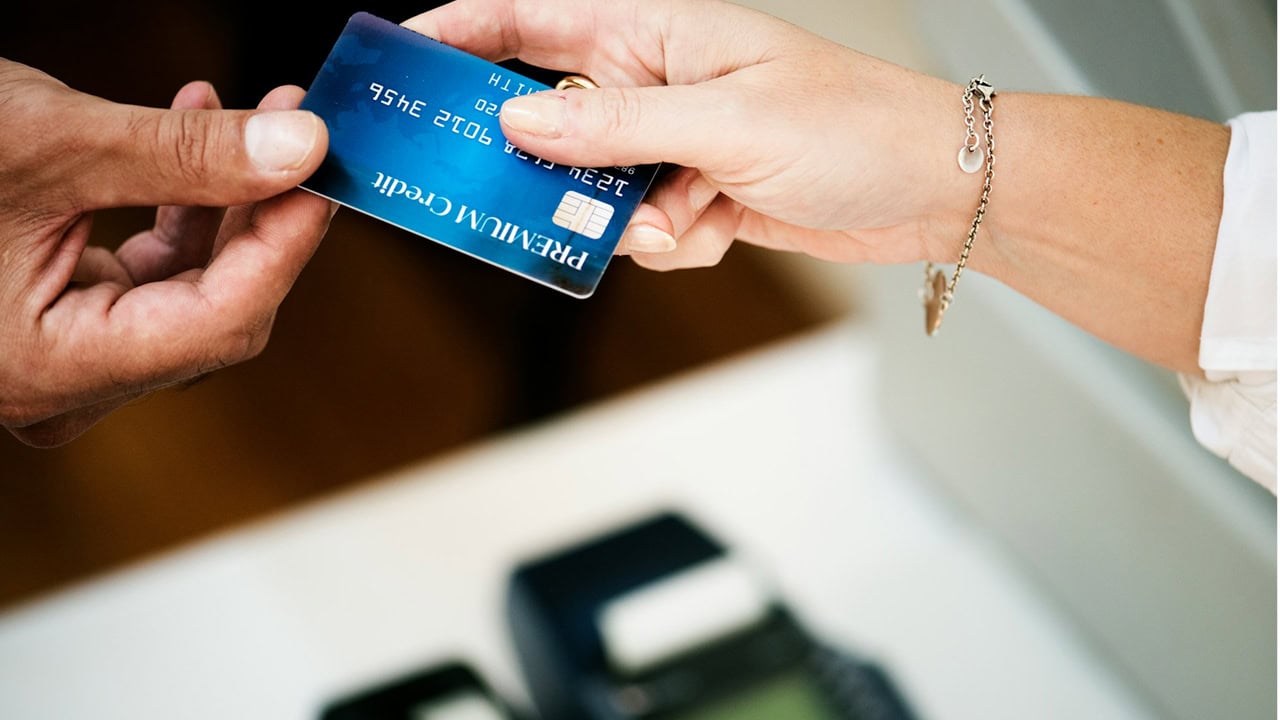
Using a credit card for groceries or gas seemed harmless when I was tight on cash. I'd tell myself I'd pay it off later, but "later" usually meant interest charges and a balance I couldn't get ahead of.
Now I make sure everyday essentials are part of my budget, not floating on credit. If I do use a card, it's only for rewards and it gets paid in full that same month. Otherwise, I'm not borrowing money for things that are already used up.
Ignoring My Credit Score Until I Needed It
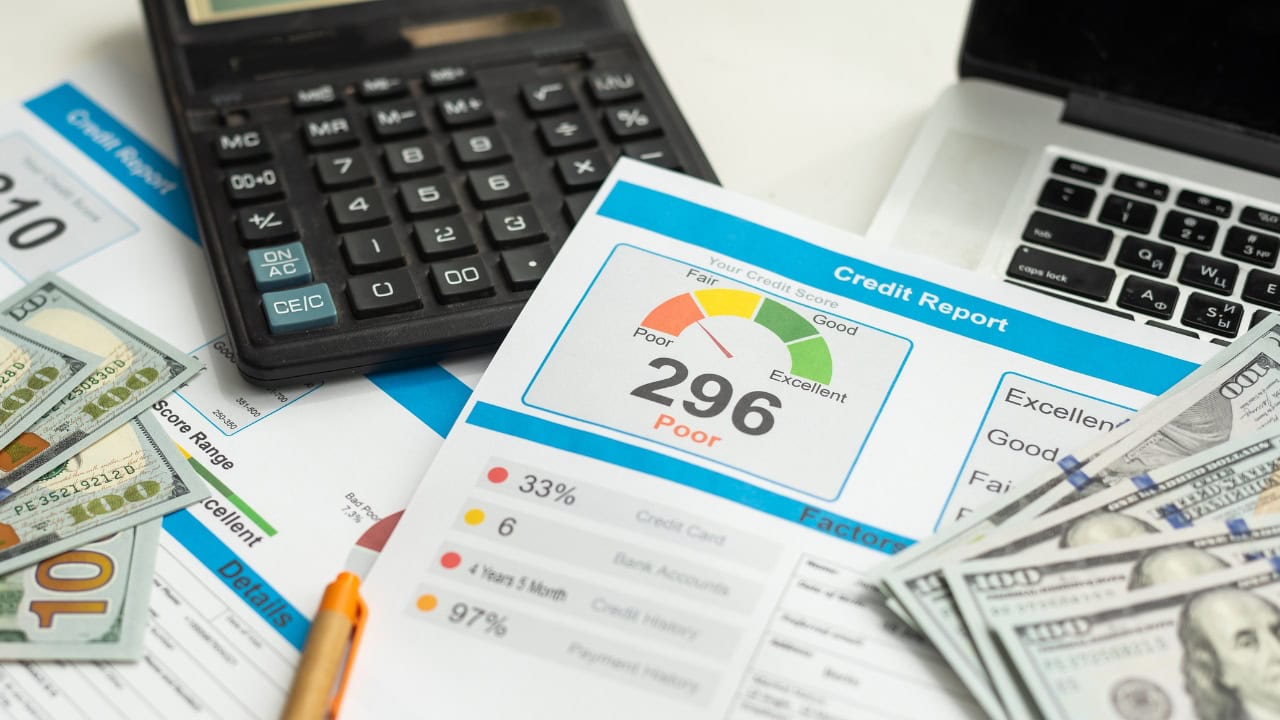
I didn't think about my credit score until I wanted to buy a house. That's when I realized how much my past habits-late payments, high balances, short credit history-were working against me.
Even if you're not planning a big purchase, your credit affects more than you think-car insurance rates, apartment applications, even job screenings in some cases. Keeping your score in good shape gives you more options later when it really matters.
Underestimating Big One-Time Expenses

Holidays, back-to-school, annual memberships-they're predictable, but somehow I used to act surprised every year. I'd plan my monthly budget like they didn't exist, then scramble to cover them last-minute.
Now I break those big, occasional expenses into smaller chunks throughout the year. I'd rather set aside $30 a month for Christmas than be $600 short in December. Planning ahead makes a huge difference in how manageable it feels when the time actually comes.
Loaning Money I Couldn't Afford to Lose

Helping friends or family is important, but loaning money without a backup plan backfired more than once. I assumed they'd pay me back quickly, but it didn't always happen-and it created tension that wasn't worth the damage.
Now, if I can't afford to give the money outright and let it go, I don't loan it. That boundary protects the relationship and my budget. Being generous shouldn't mean putting yourself in a financial bind you can't get out of.
Skipping Insurance to Save a Few Bucks

There was a season when I dropped coverage I thought I didn't need-dental, renters, even roadside assistance-to cut costs. But when I actually needed it, the out-of-pocket hit was worse than the premiums ever were.
Insurance feels like a waste until it's not. Now I'd rather spend a little each month than face a major expense with no safety net. Having the right coverage in place is one of the smartest forms of damage control.
Treating My Budget Like a Suggestion
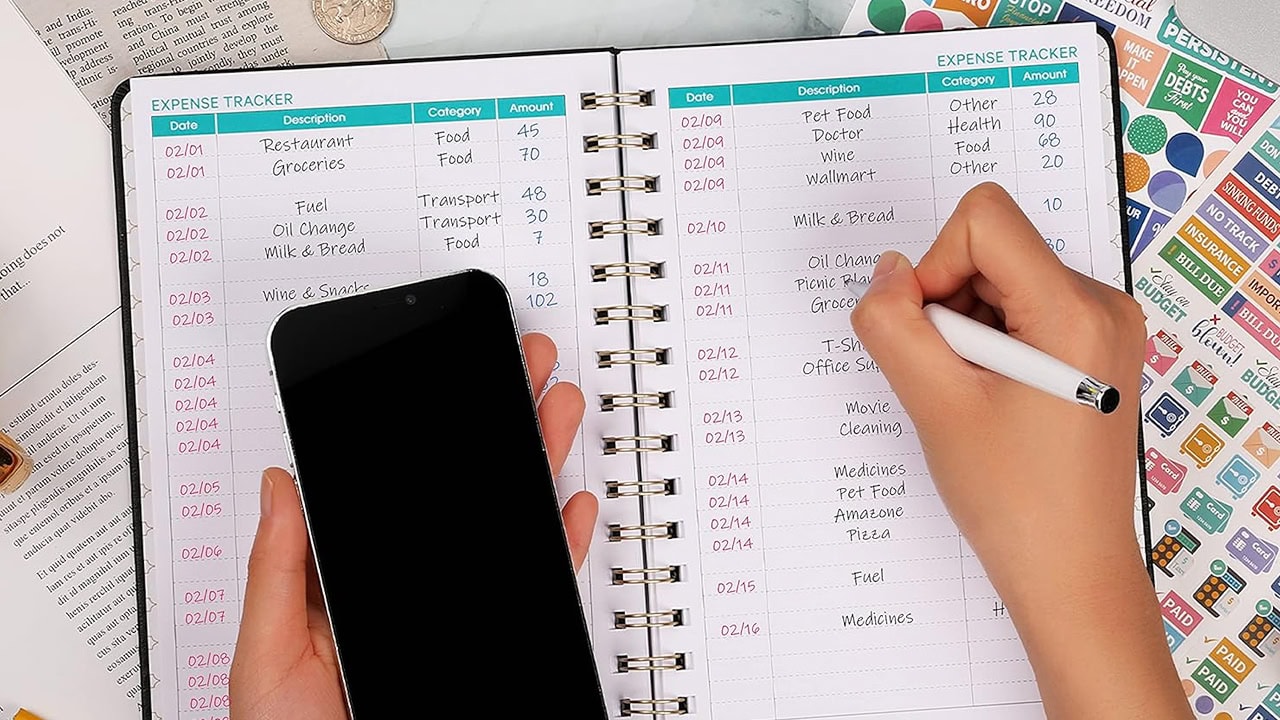
I used to write out a budget and then ignore it the second I felt like grabbing takeout or clicking "add to cart." I'd justify it with "I'll be careful next month," but next month never magically fixed the hole I dug.
Now my budget is non-negotiable. If it's not in there, it doesn't happen. That doesn't mean I can't have fun-I just plan for it ahead of time so I'm not constantly cleaning up a mess later. It's less stressful and a whole lot more freeing.
*This article was developed with AI-powered tools and has been carefully reviewed by our editors.






Leave a Reply