
10 money lessons that saved me $10,000 in my 30s
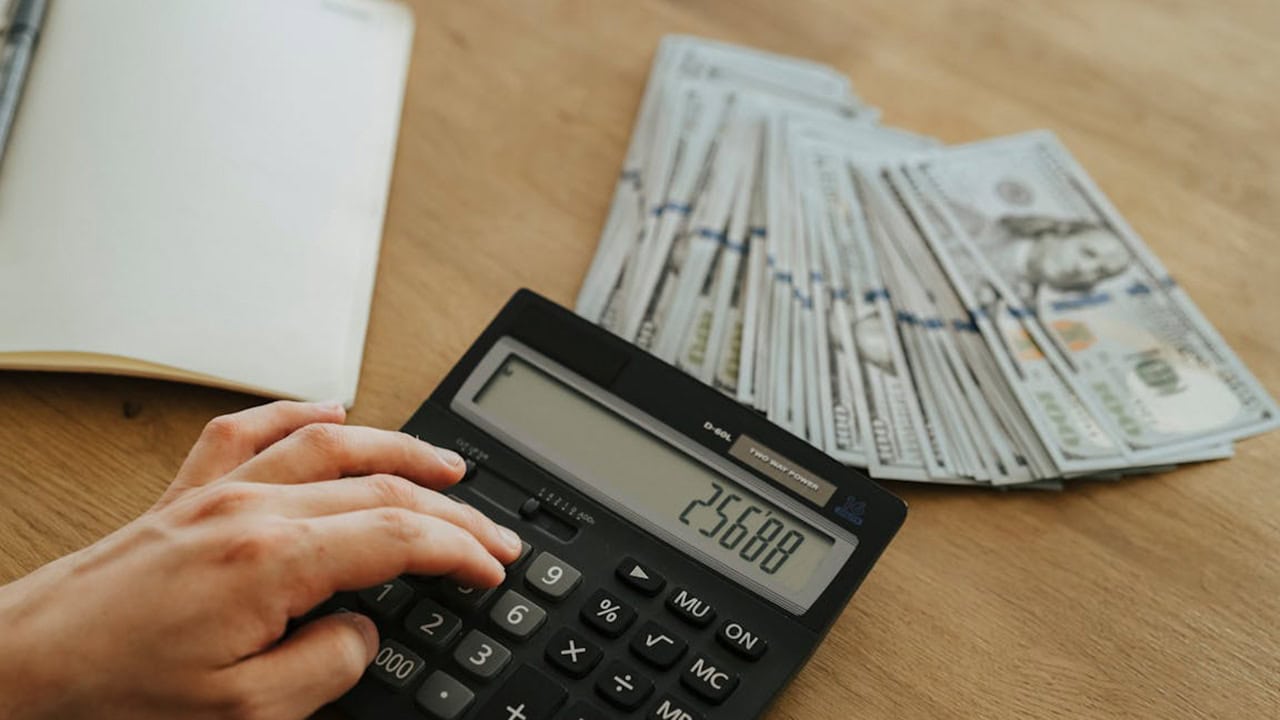
Your 30s are a wake-up call when it comes to money. You’re old enough to see how your choices play out but still young enough to turn things around. That decade taught me more about money than any personal finance book ever did. It wasn't about perfection-it was about awareness, timing, and learning when to pause before I swipe the card.
These weren't extreme sacrifices. They were smart shifts that helped me hang on to over $10,000 I would've wasted without even thinking about it.
Pay Attention to Subscription Creep

It's easy to forget you signed up for something when it only costs $6. But five of those adds up fast-and I found over $80/month I was throwing away on things I didn't even use. Canceling subscriptions I didn't need anymore saved me almost $1,000 a year.
You don't have to cut everything cold turkey, but it's worth doing a sweep every couple of months. Look through your bank statement, and if you forgot you had it, you probably don't need it. That little habit alone adds up big over time.
Buy the Used Version First

Every time I needed something-whether it was a tool, baby gear, or furniture-I started by checking Marketplace or a local buy/sell group. That shift saved me thousands. Most things I found were in great condition, and I resold plenty of them later for close to what I paid.
It's not about being cheap-it's about letting someone else take the retail hit. If you can wait a day or two to find it secondhand, you'll keep a lot more money in your pocket. And in most cases, nobody can tell the difference once it's in your house.
Wait 48 Hours Before Big Purchases

Impulse buys used to eat up hundreds of dollars before I even realized what I was doing. Now, I make myself wait at least 48 hours before buying anything over $100-longer if it's not urgent. Most of the time, I don't end up buying it at all.
That rule gave me space to think and helped me avoid buyer's remorse more times than I can count. It's not about denying yourself-it's about making sure the purchase actually makes sense after the excitement wears off.
Learn to Say No to the Upgrades

When I bought my last phone, I said no to the bigger memory, the add-on case, and the monthly protection plan. That one choice saved me almost $300. Companies count on you saying yes to upgrades automatically, but most of them aren't necessary.
It's the same with cars, appliances, and even vacation packages. They make it feel like you're missing out if you don't pay for more-but if the base model meets your needs, you're spending more for nothing. Stick to what you came for.
Get Quotes-Even for the Small Stuff

For a while, I assumed small home repairs or service calls would be roughly the same price everywhere. They're not. One plumber quoted me $300 to fix a leaky faucet. The next one charged $120. I've seen that kind of gap over and over.
You don't need to spend hours hunting down deals, but get at least two quotes before you agree to anything. It doesn't make you difficult-it makes you informed. And that habit alone saved me over a thousand bucks across different jobs.
Use Credit Cards for Points-Not Payments
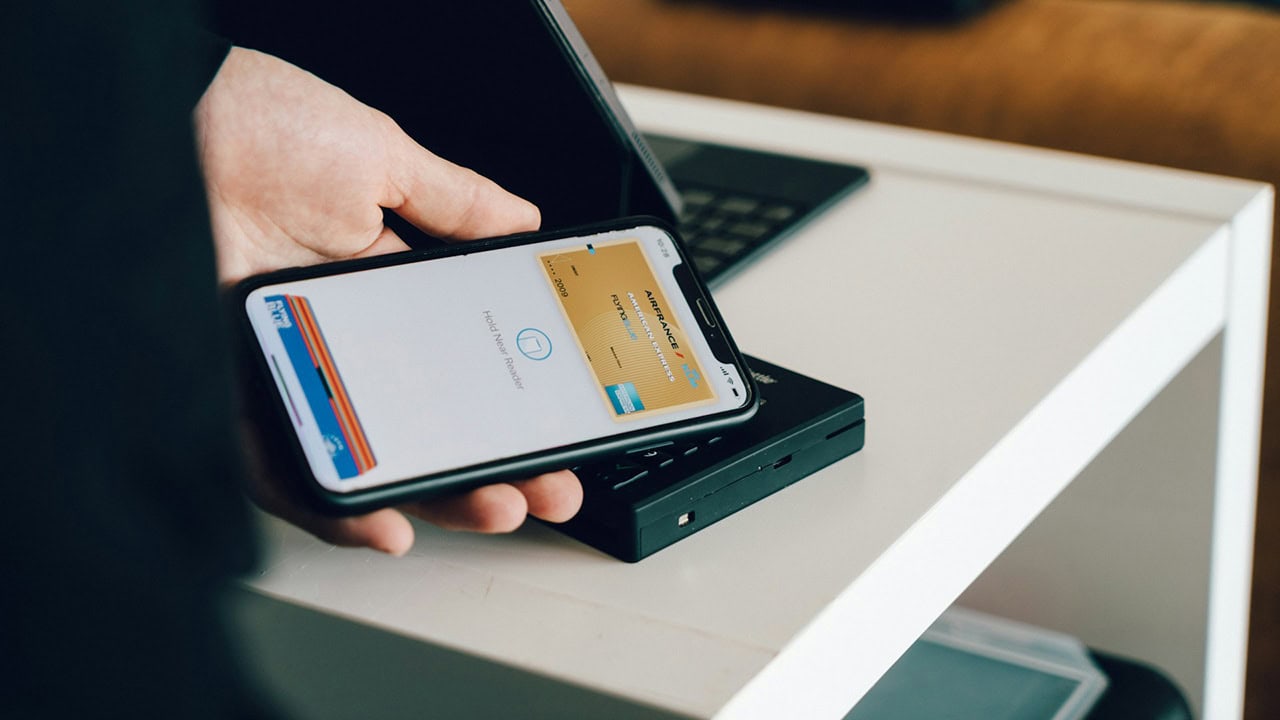
When I started using credit cards strategically, I stopped seeing them as a way to cover a gap and started using them to stretch what I already had. I paid them off every month, but used them for groceries, gas, and bills to earn cash back.
Over the course of a year, those points added up to hundreds in gift cards and statement credits. The key is using the card like a debit card-only spend what you already have-and pay it in full. Anything else cancels out the benefit.
Stop Assuming "Budget" Means Best
I used to buy the cheapest version of everything thinking I was saving money, but some of those "budget buys" had to be replaced three times as fast. A $40 pair of shoes that wears out in six months isn't cheaper than the $90 pair that lasts two years.
Now, I weigh cost per use and look at long-term value. That shift helped me cut back on repeat spending. You don't always need the highest-end option-but if you keep having to replace it, you're not actually saving anything.
Grocery Shop With a Real Plan
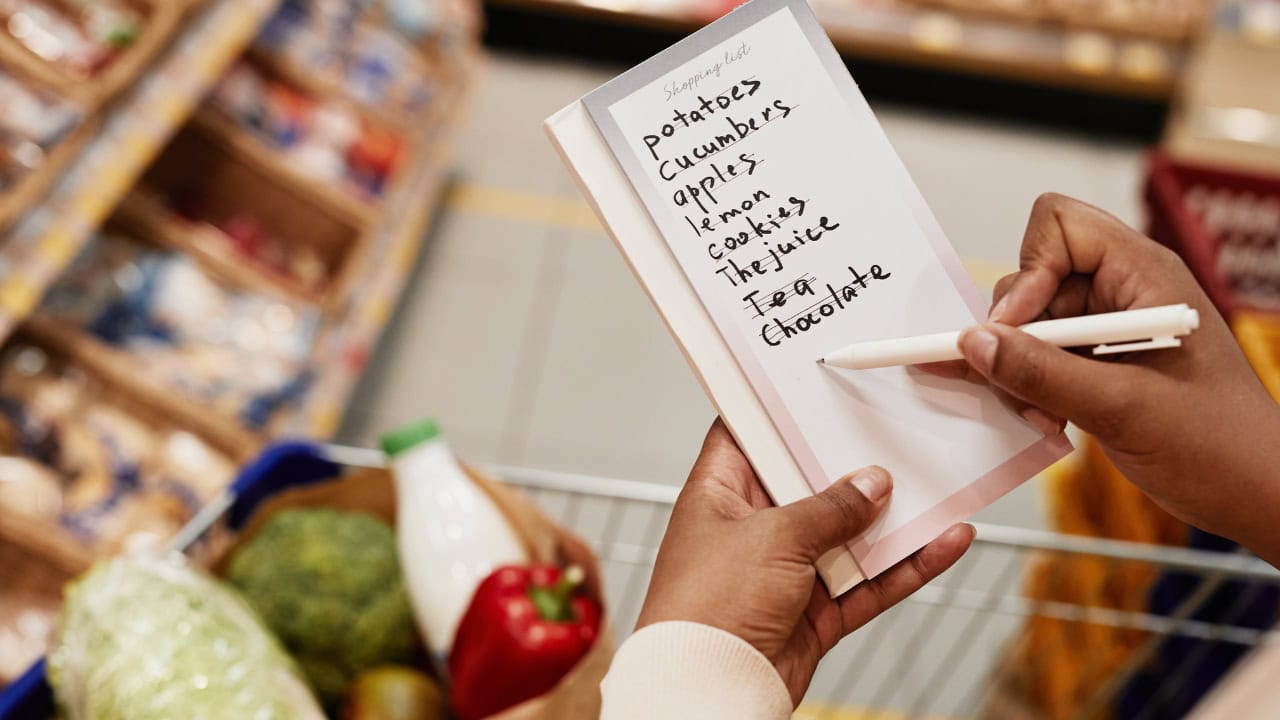
I used to grocery shop by guessing what we might eat that week, and somehow always left with too much and not enough at the same time. Planning actual meals, writing a list, and sticking to it saved me over $200 a month on food.
It also cut down on food waste and made it easier to cook at home. You don't need a Pinterest-perfect meal plan-just know what you're actually going to use before you buy it. Otherwise, you're throwing money straight into the trash can.
Use the Warranty You Already Paid For
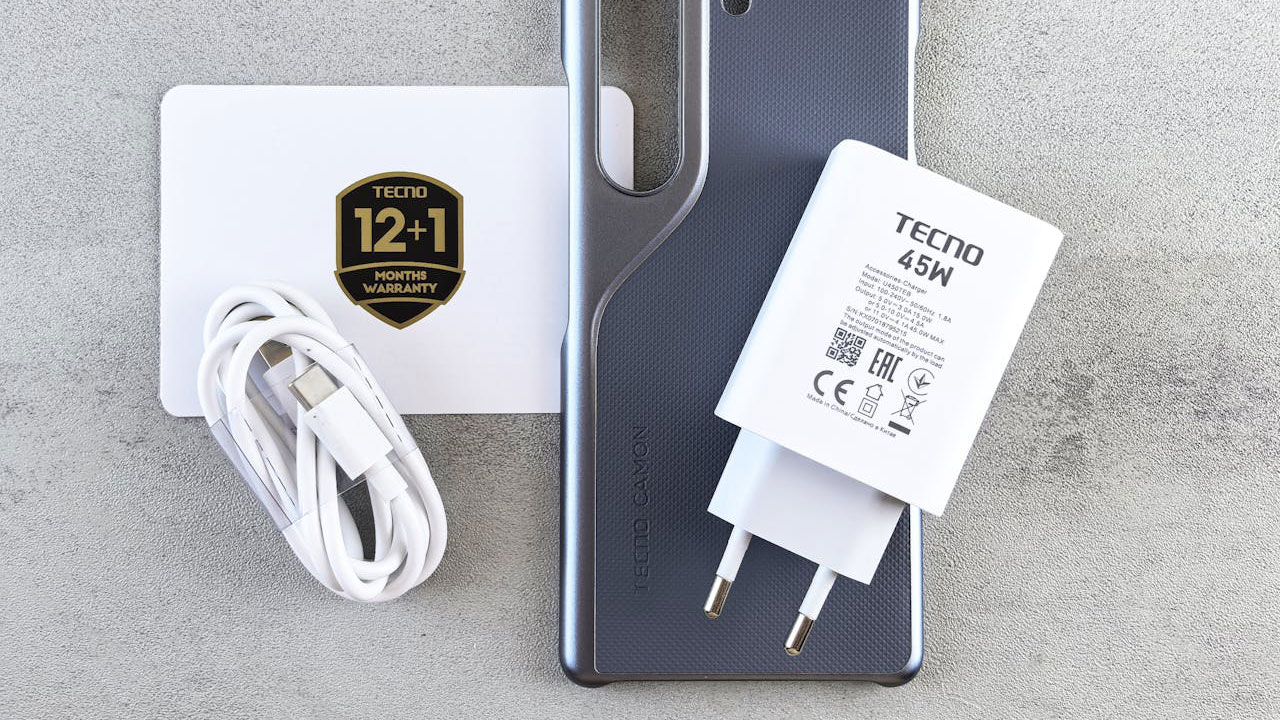
I can't count how many times I forgot an item had a manufacturer warranty or built-in protection through my credit card. I almost replaced a small appliance before remembering it was still covered-and they shipped me a new one for free.
Registering products and reading the fine print on your card perks can save you from buying replacements or paying for repairs. You already paid for the coverage-it's worth knowing what's available so you can actually use it when something breaks.
Reframe "Treat Yourself" Spending

I used to treat myself by buying things-fast food, impulse Target runs, random stuff I didn't need. It added up fast. Now, I treat myself by giving myself margin. That might mean getting takeout without guilt because I meal-planned well the rest of the week.
Spending money to cope or celebrate sounds fun, but it's usually short-lived. Once I got more intentional with what actually made me feel good long-term, I spent less and felt better. That mindset shift is what helped me hang on to more of my money without feeling restricted.
*This article was developed with AI-powered tools and has been carefully reviewed by our editors.






Leave a Reply