
10 mindset shifts that helped me stop overspending

Overspending usually isn't about not knowing better-it's about how you think in the moment. You can have a perfectly good budget and still end up swiping your card out of habit, stress, or that little voice saying, "It's fine, you deserve it." What finally made a difference for me wasn't another rule or finance app-it was shifting how I saw money, my habits, and what I actually valued.
These mindset shifts helped me slow down, think clearly, and stop letting my bank account take the hit.
"I can want something and not buy it."

Just because something's cute or a great deal doesn't mean you're required to act on it. Learning to sit with that want-without feeling like you need to fix it-was huge. You're allowed to want things and walk away.
This shift quieted the urgency. You don't have to "treat yourself" every time you feel stressed or bored. That freedom to not buy something is what finally helped me feel more in control, not less.
"Buying isn't the only way to feel better."

If you're used to spending when you're tired, overwhelmed, or anxious, it starts to feel like the only relief button you have. But there are better ways to deal with those feelings that don't leave you broke after.
Once you start noticing that pattern, you can pause and ask, "What else would help right now?" Sometimes it's rest, sometimes it's fresh air, sometimes it's calling someone. When you stop treating spending like therapy, your brain starts looking for real solutions.
"My future self matters more than the moment."
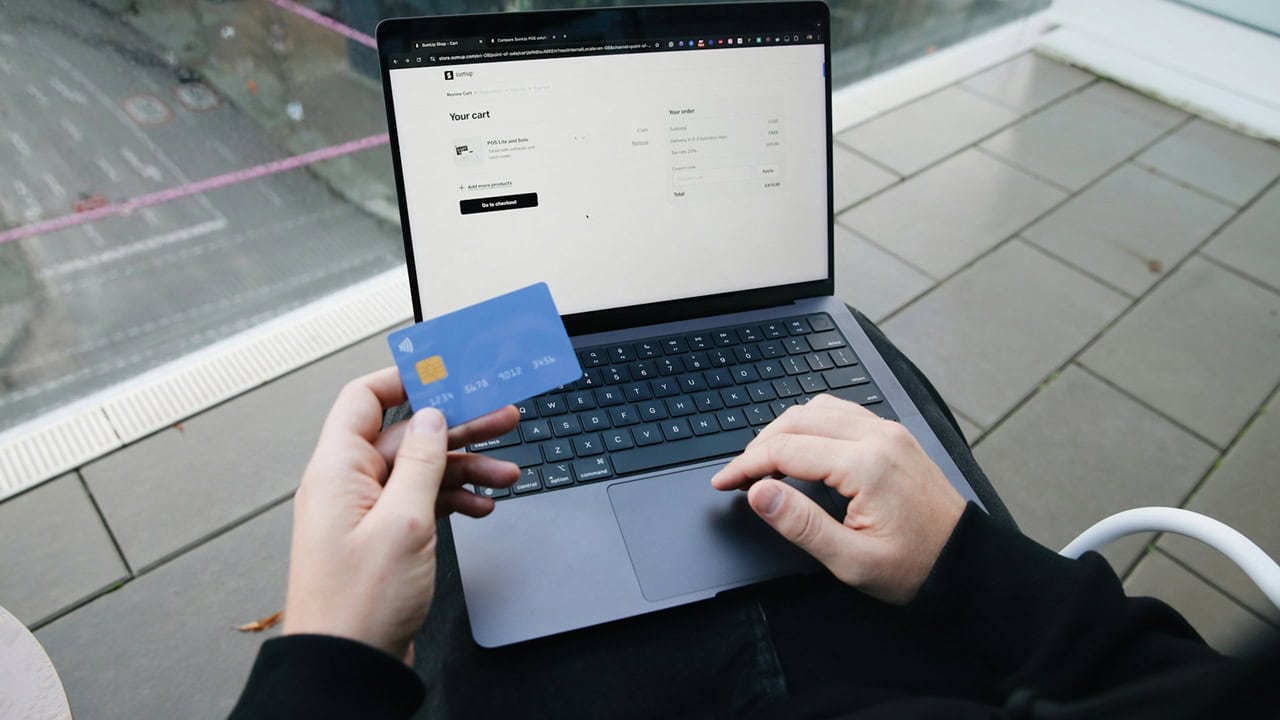
Impulse spending lives in the now. But every purchase has a ripple effect, especially if it keeps you from hitting bigger goals. When you shift to thinking about your future self-the one who wants margin, freedom, options-it gets easier to say no.
It's not about being restrictive. It's about remembering that the short-term hit of dopamine doesn't compare to long-term peace. That mindset helped me start spending with more intention, not guilt.
"Sales aren't savings if I didn't need it."

That 40% off tag is designed to mess with your logic. It's easy to convince yourself it's a smart decision because technically you're saving. But if you weren't already planning to buy it, it's still spending.
This shift helped me stop using sales as an excuse. I started asking, "Would I buy this full price?" or "Was this already on my list?" If the answer was no, the discount didn't matter. That one question saved me hundreds.
"Stuff doesn't fix what feels off."

A lot of overspending comes from trying to solve non-money problems. Loneliness, boredom, insecurity-all of it can push you to shop for a quick lift. But once the high fades, the original problem's still there-and now you've got less money to work with.
The more I caught myself doing that, the easier it was to pause and ask what I was actually needing. Learning to meet those needs directly helped me cut way back without feeling deprived.
"I don't have to match other people's pace."

Comparison is one of the fastest ways to overspend. Whether it's keeping up with friends, influencers, or people in your neighborhood, it can make you feel like you're falling behind if you're not buying at their level.
Shifting my mindset here gave me so much peace. You don't know anyone's full financial picture. You're not behind-you're being intentional. And that mindset shift keeps you grounded when it's tempting to spend to keep up.
"If I didn't plan for it, I probably don't need it."

Not everything in life can be planned-but most purchases can. This mindset taught me that impulse buys usually don't hold their value in my life. If I didn't budget for it or think about it ahead of time, odds are it's not that important.
Now, when I feel that urge, I add it to a "maybe" list. If I still want it next payday, I reassess. Nine times out of ten, I don't. That pause changed everything.
"Spending doesn't equal self-worth."

It's easy to fall into the trap of thinking nicer things make you a more successful or likable person. But you can't buy your way into confidence or belonging. That belief only drains your account and your identity.
This mindset shift helped me value what I bring to the table-not what I'm wearing, driving, or decorating with. When you stop trying to prove something with your purchases, you save a lot of money and mental energy.
"I can be content without being stagnant."
A big fear people have is that if they stop spending, they'll feel stuck or bored. But contentment doesn't mean you stop growing. It means you stop needing stuff to prove your progress.
This mindset helped me focus on gratitude and growth at the same time. You can want to improve your life without throwing money at every upgrade or trend. That balance keeps you grounded-and out of debt.
"I can trust myself to wait."

Delayed gratification used to feel like punishment. But once I learned to trust myself to wait, the power started to shift. I wasn't ruled by my impulses anymore-I could think clearly and still get what I wanted later, if it still mattered.
That kind of patience takes practice, but it builds real confidence. You're not missing out-you're building something better. And that mindset helped me stop overspending faster than any budget ever did.
*This article was developed with AI-powered tools and has been carefully reviewed by our editors.






Leave a Reply