
Blackouts have a way of reminding you how much you rely on electricity for even the smallest things. The good news is, you don't need an expensive generator or fancy gear to be ready for one.
With a little planning and a few affordable items, you can keep your home comfortable and safe when the power goes out. These low-cost supplies make all the difference when the lights go dark and the clock starts ticking.
LED flashlights
Flashlights are one of the first things people reach for in a blackout-and one of the easiest to forget about until it's too late. You don't need a $50 tactical model; a basic LED flashlight for under $10 will do the job. LEDs last longer and use less battery power, which matters when you don't know how long you'll be without electricity.
Keep one in every main room and another near your bed. It's worth checking the batteries every few months so you're not left with a dead light when you need it most.
Battery-powered lanterns
Lanterns provide wide, steady light that makes it easier to navigate or play cards with the kids when you're waiting out an outage. Small LED models are cheap, bright, and safe to use indoors since they don't create heat or smoke.
They're great for lighting up larger spaces without draining your flashlight batteries. Store a few extra sets of batteries with them, and make sure you know where they are before the lights go out.
Power banks
A portable power bank keeps your phone charged when there's no outlet in sight. It might not seem essential until you realize your phone is your flashlight, weather radio, and emergency contact tool all in one.
You can find decent models for under $20 that will charge a phone two or three times. Keep one plugged in and ready so it's always topped off when the power fails.
Bottled water
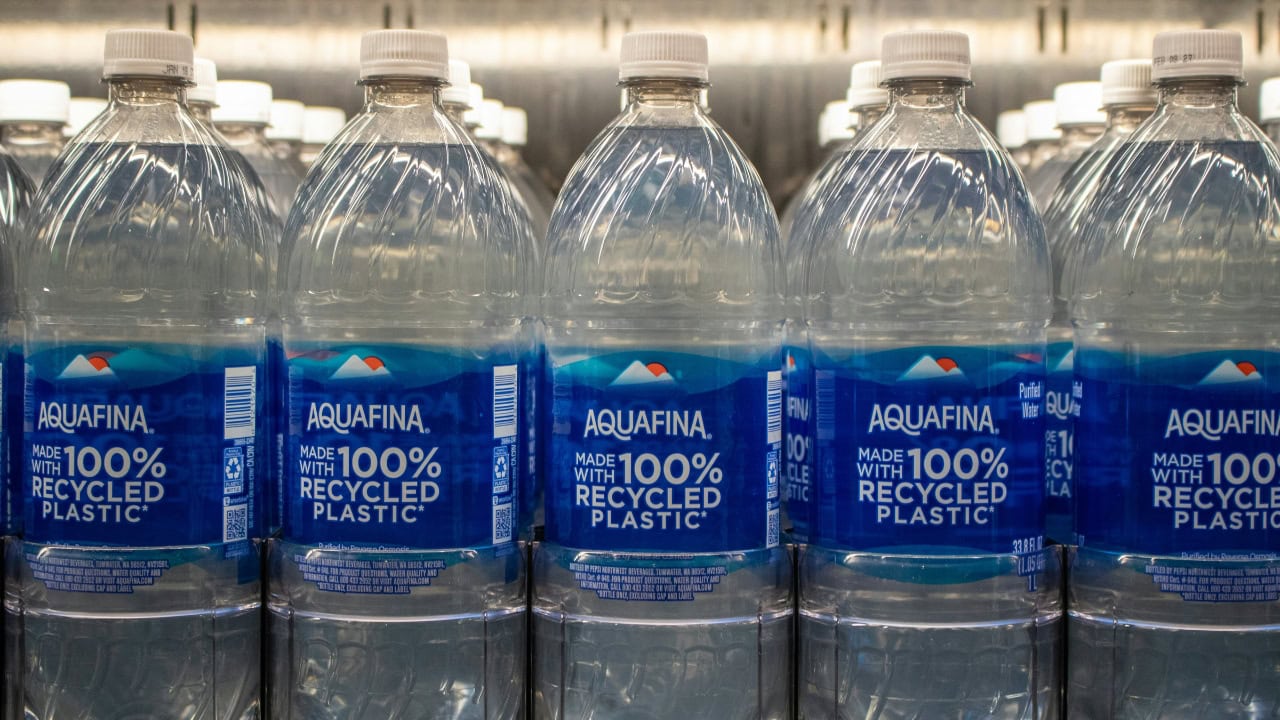
When the power's out, well pumps and filtration systems can stop working, and you don't want to risk running out of clean water. Keeping a few gallons of bottled water on hand doesn't cost much and can make a world of difference in a longer outage.
Aim for at least one gallon per person per day for three days. It's one of those things you hope you won't need but will be thankful for when you do.
Manual can opener
Canned food is one of the smartest things to stock for emergencies-until you realize you can't open it. A manual can opener is cheap, reliable, and doesn't need power to work.
Keep it with your emergency food stash instead of your regular kitchen tools. That way, it's right where you need it instead of buried in a drawer somewhere.
Candles and matches
Candles are an old standby for a reason-they work. Even inexpensive tea lights or taper candles can keep a room lit long enough to move around safely or calm kids who don't like the dark.
Store them in a tin or container with matches or a lighter, and only use them where they can't be knocked over. Candles aren't your main light source, but they're a reliable backup when batteries run low.
Extra batteries
Having batteries on hand is one of the cheapest and smartest blackout preparations you can make. Flashlights, radios, and lanterns are useless without them.
Stick with common sizes like AA and AAA, and store them in a dry, cool spot. Replace them once a year or rotate them into household use so they don't expire before you need them.
Portable radio
When Wi-Fi's down and cell service starts to lag, an old-fashioned radio can still keep you informed. A small battery-powered or hand-crank radio gives you weather alerts and updates without needing the internet.
They're inexpensive and last for years. Look for one that can run on multiple power sources, so you're not stuck if batteries die.
Plastic tarps
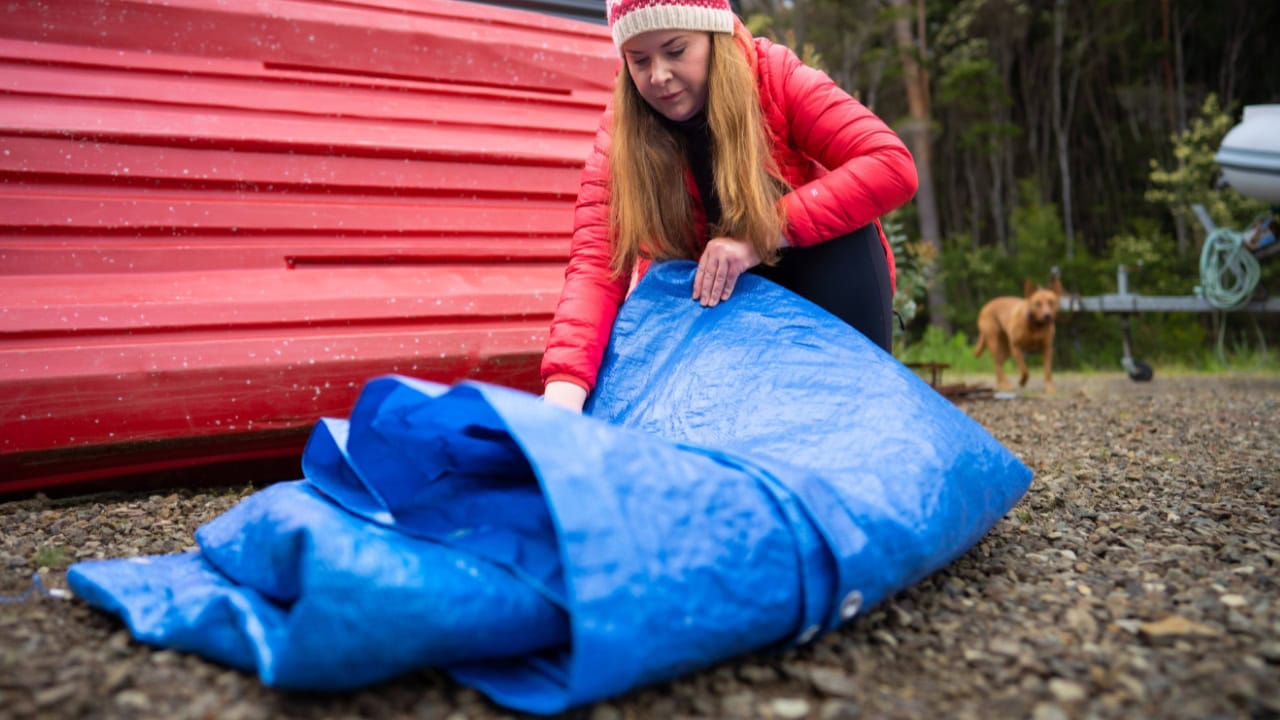
A good tarp might not be the first thing that comes to mind during a blackout, but it can save you in bad weather. If a storm damages your roof or windows, you'll need something to cover the opening fast.
Tarps are affordable, easy to store, and can also double as ground covers or temporary barriers. Toss one in your emergency kit-you'll be glad it's there when you need it.
Cash
Power outages can knock out card readers and ATMs. Having a little cash on hand makes it possible to grab gas, food, or supplies when digital payments are down.
You don't need a huge stash-$20 in small bills can go a long way in a pinch. Keep it in a safe but accessible spot with the rest of your emergency items. It's one of the cheapest forms of peace of mind you can have.
*This article was developed with AI-powered tools and has been carefully reviewed by our editors.





Leave a Reply