
10 little habits that changed my financial life
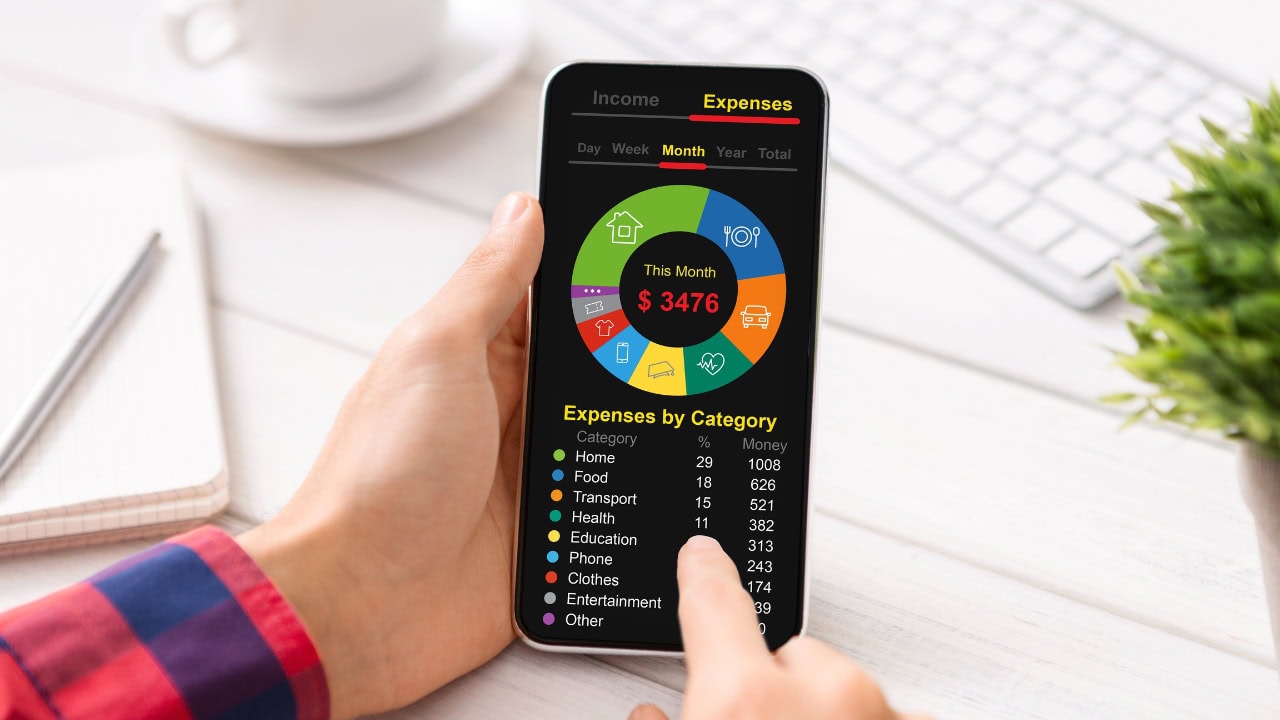
When it comes to money, big changes usually start with small shifts. You don't need a six-figure salary or a color-coded spreadsheet to make progress. What actually makes the difference are the quiet, repeatable habits that build over time.
If you've been feeling stuck or overwhelmed, these are the kinds of changes that don't require a full financial overhaul-but they absolutely move the needle.
Looking at Your Account Every Morning

It takes 30 seconds, but it keeps you grounded. When you check your account daily, you stay aware of what's coming in, what's going out, and where you actually stand. That awareness alone helps you make smarter choices.
Even if you're not budgeting down to the penny, this one habit keeps you from overspending accidentally. It's a lot harder to swipe aimlessly when you've already seen your balance that morning.
Waiting 24 Hours Before Non-Essential Purchases

Impulse buys add up fast. Giving yourself even one day to think about a purchase helps you separate what you want from what's actually worth it. Nine times out of ten, you'll end up skipping it.
This habit puts you back in control. You're not depriving yourself-you're just giving your brain time to catch up with your wallet. And it seriously cuts down on money regret.
Rounding Up Transactions Into Savings
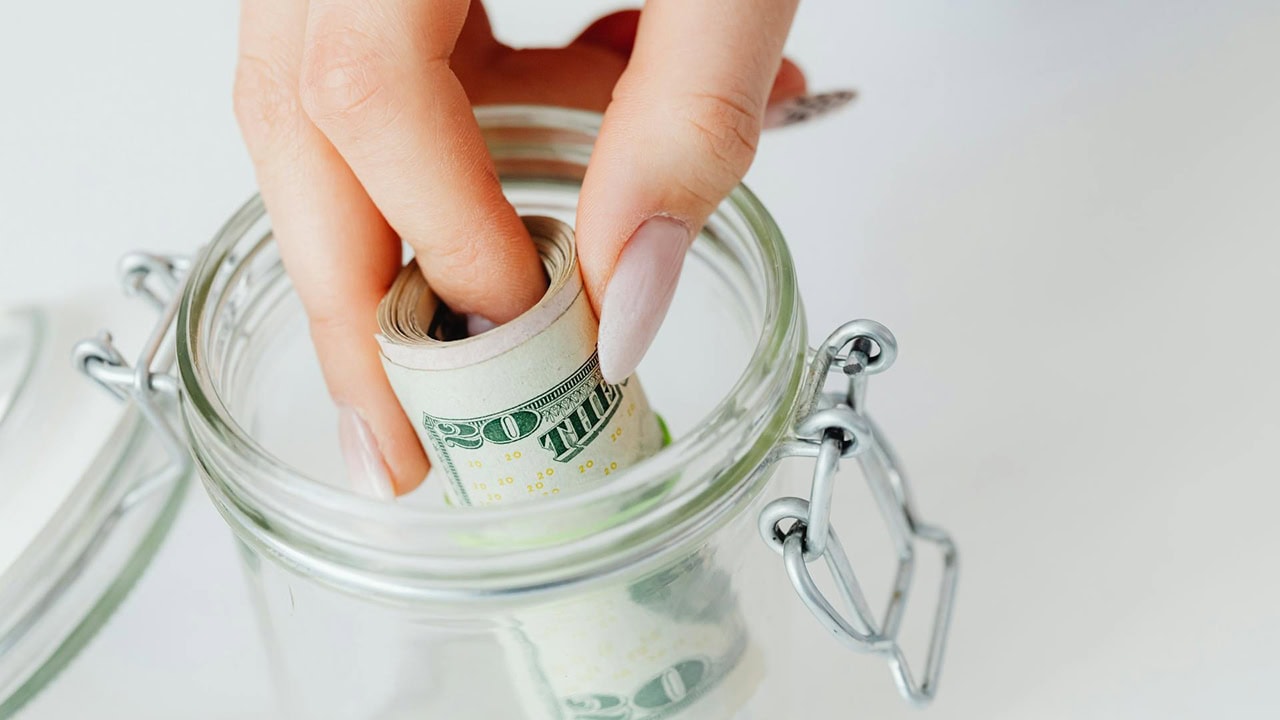
There are apps and banks that do this automatically, but even doing it manually can help. Every time you spend, round it up and transfer the difference into savings. It feels like nothing, but it adds up faster than you think.
It's a low-effort way to save without feeling it. And the best part is, you're not trying to come up with huge chunks of money-you're just skimming off the top and letting it build.
Meal Planning Before Grocery Trips
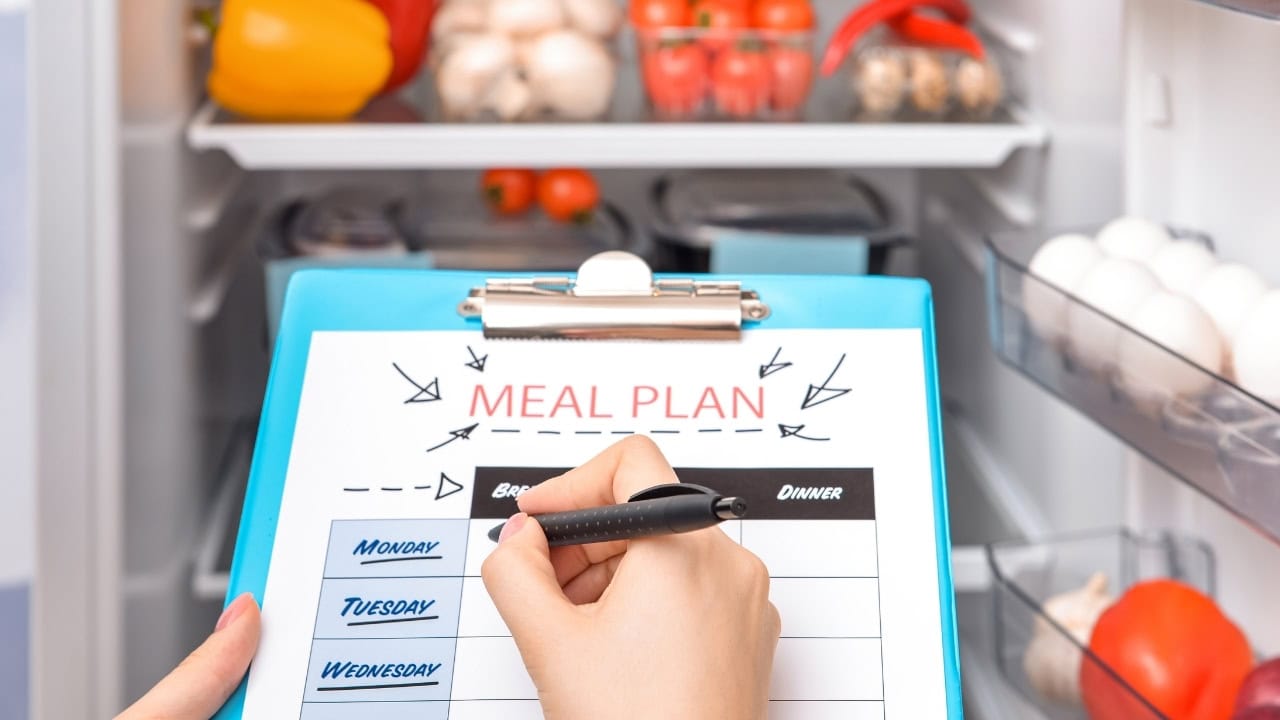
Walking into the store without a plan is one of the fastest ways to overspend. A quick meal plan-even if it's scribbled on a sticky note-keeps you focused and cuts down on food waste.
This habit helped trim hundreds off my grocery bill over time. You don't have to be a meal prep pro. Just know what you're actually going to use, and shop for that. It's that straightforward.
Using Cash for Problem Categories

If you have a category where you consistently overspend-like eating out or shopping-try using cash. Pull the amount you're okay spending and stick to it. When it's gone, it's gone.
There's something about physically handing over money that makes it more real. Swiping a card feels easy. Using cash makes you stop and ask yourself if it's really worth it.
Doing a Weekly Money Reset

Once a week, take 10 minutes to look at your finances. Check your spending, skim your bills, move money where it needs to go. It keeps you from drifting and catching problems too late.
It doesn't have to be intense. Even if things are tight, doing a reset gives you a sense of control. You know what to expect and can make decisions based on facts, not panic.
Saving Automatically on Payday

If you wait to see what's left over to save, there probably won't be much. Even if it's only $10, setting up an automatic transfer when you get paid keeps savings consistent.
You don't have to think about it or remember to do it. And it doesn't feel like a loss, because it's already gone before you even touch the rest. That's what makes it work.
Tracking the Tiny Wins
Celebrating progress-like paying off a bill, skipping takeout, or hitting a savings goal-keeps your motivation up. It's easy to feel like you're not doing enough, but those little wins matter.
Write them down, tell someone, or just take a second to acknowledge it. Tracking the positive stuff makes the process feel worthwhile, especially when the big goals feel far off.
Saying No Without Explaining Yourself

You don't owe anyone a breakdown of your budget. Learning to say no to things-dinners, trips, even group gifts-without guilt or over-explaining protects your financial goals.
It's not easy at first, but it gets easier. And once people see that you mean it, they stop pushing. You're allowed to prioritize your money without feeling bad about it.
Keeping a Running List of Wants

Instead of impulse buying, keep a list. Every time you think of something you want, write it down. Give it time. If you still want it later, make a plan for it.
This keeps you from chasing every shiny thing the second it pops up. It also helps you figure out what's actually worth saving for, instead of wasting money on stuff that ends up forgotten.
*This article was developed with AI-powered tools and has been carefully reviewed by our editors.






Leave a Reply