
10 little changes that saved me $1,200 a year
It doesn't take a major lifestyle overhaul to save money-sometimes it's the smallest changes that keep money in your account without you noticing at first. I tracked my spending and looked back at where it used to quietly leak out. Once I made these swaps and stuck with them, the savings added up fast.
Each of these changes helped me save around $100 or more per year, with some doing a lot more than that. They're practical, repeatable, and easy to make work with your own routine.
Switching to Reusable Cotton Rounds
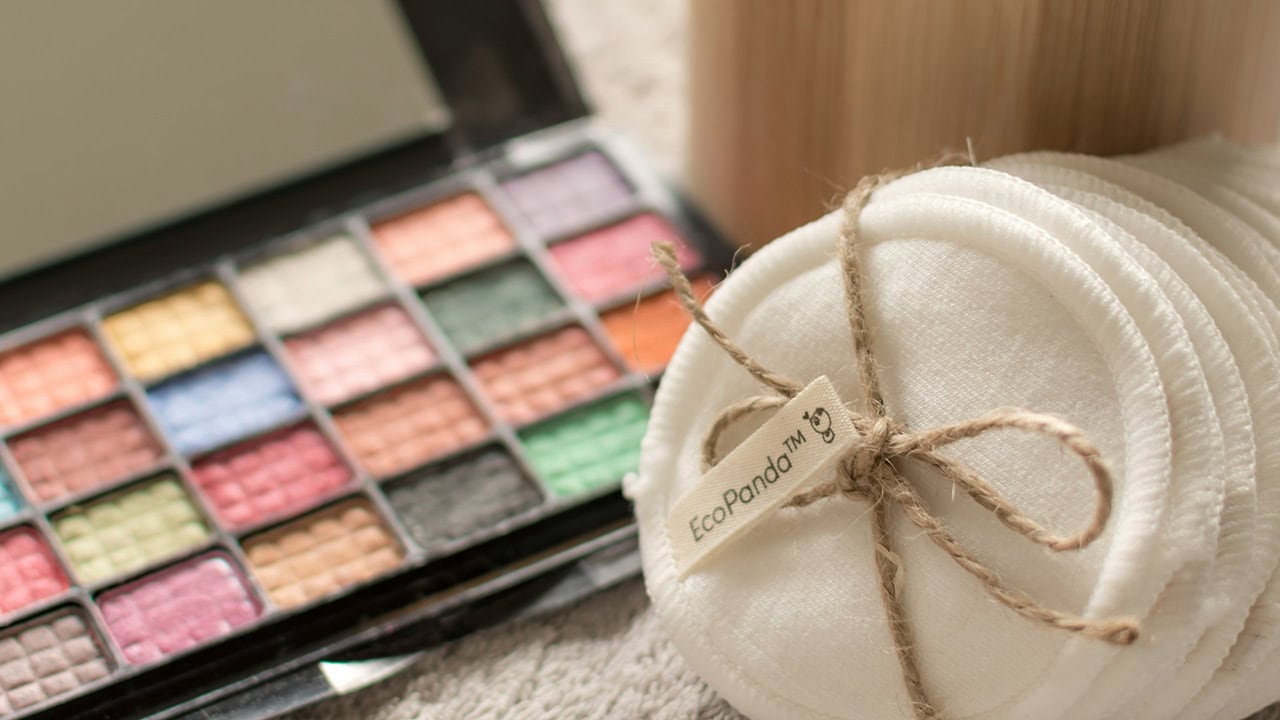
If you're using disposable makeup wipes or cotton pads every day, you're probably tossing money every month too. I switched to washable cotton rounds that I toss in with laundry once a week.
It's a tiny change, but over a year, it easily saved me $120 or more. Plus, I stopped running out and making emergency store runs, which always led to extra spending. One $12 pack has lasted years and still does the job.
Canceling My Monthly Subscription Boxes

I had a $15 box here, a $10 one there, and they didn't feel like much-until I realized I was spending over $300 a year on stuff I barely used.
Once I canceled them, I didn't miss them like I thought I would. And instead of waiting on boxes of surprise clutter, I used that money on things I actually needed. You don't have to cut everything, but even trimming one or two makes a big difference.
Washing My Hair Less Often

Cutting back from daily hair washing to twice a week didn't just help my scalp-it cut down my shampoo, conditioner, styling product, and blow-dry usage too.
When you're not using products every day, they last way longer. I went from buying hair products every month to maybe every few months. It also saved on electric bills from heat styling and cut down how often I needed hair trims.
Using a Grocery Pickup App

Walking into the store with no list used to cost me $20-$30 in "extras" every single time. Now I use grocery pickup apps where I can see the total and delete things before I check out.
Even if there's a small fee, I spend way less overall. It keeps me from buying doubles of what I already have or grabbing snacks that weren't in the plan. The savings add up every week without me having to stress-shop.
Unsubscribing From Marketing Emails
I used to get 10-20 promo emails a day, and every single one tempted me to "grab a deal before it ends." Once I unsubscribed, I stopped buying things I didn't even know I wanted until the ad showed up.
That one-time $25 shirt, $18 serum, or "deal of the day" adds up. Without those constant reminders, I thought about purchases more and bought way less. It helped me cut impulse spending by hundreds across the year.
Using Wool Dryer Balls Instead of Dryer Sheets
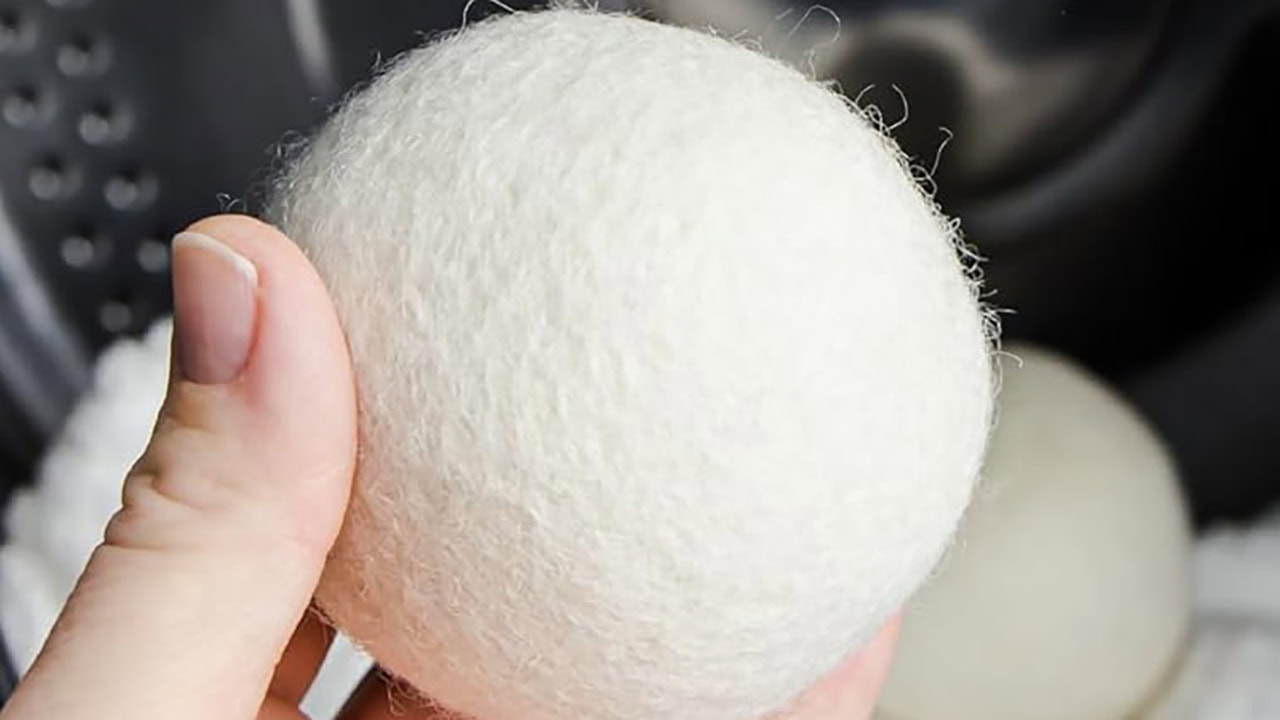
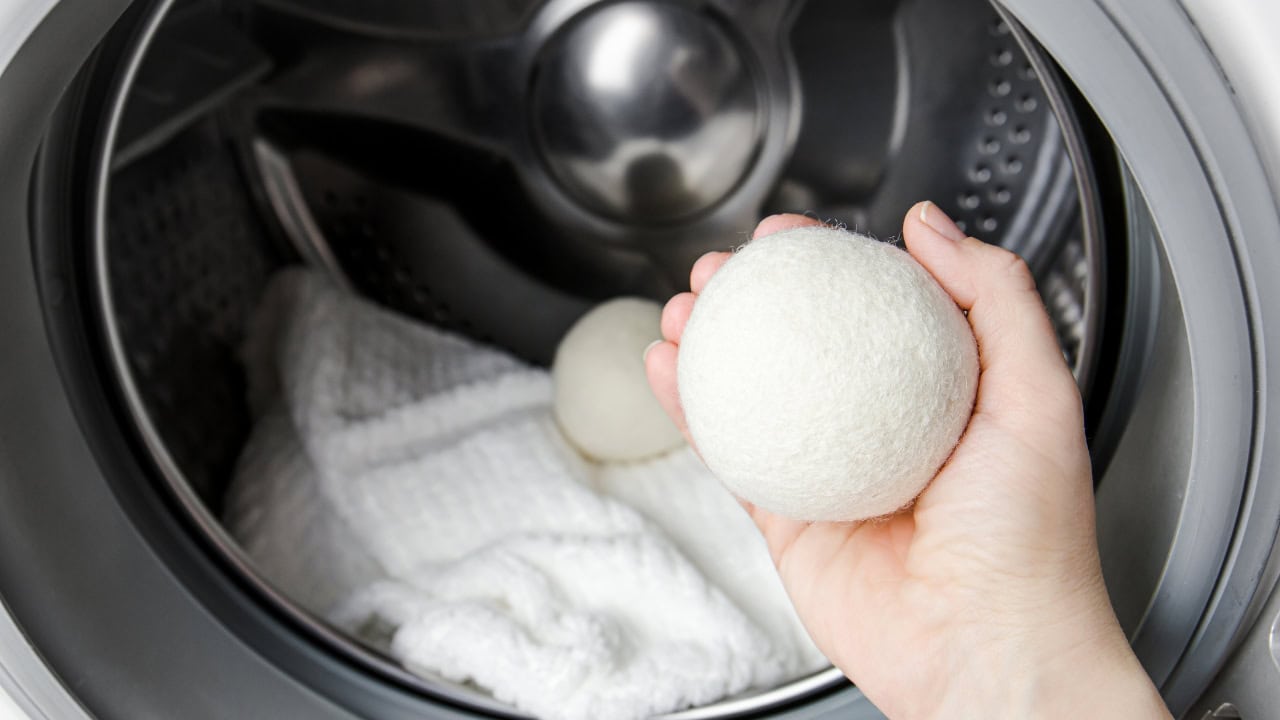
Dryer sheets feel cheap, but when you're buying them constantly, it adds up. I switched to wool dryer balls once and haven't looked back.
They last years, reduce drying time, and I no longer feel like I'm throwing a dollar away with every load of laundry. It's one of those boring swaps that quietly saves money month after month-and you barely notice a difference in how your laundry feels.
Skipping Drinks When Eating Out

Every time we went out to eat, I'd automatically add a $3-$4 drink to my meal without thinking. Swapping it for water cut $6-$8 per date night or family dinner.
Over time, that easily saved us $300 or more in a year. I realized I didn't miss the soda or sweet tea once I started skipping it-especially when I looked at the receipt later. Drinks feel small but add up fast when you go out regularly.
Doing a Monthly Pantry Check

Once a month, I go through the pantry and freezer and write down what we need to use up. Then I plan meals around those things before shopping.
It keeps us from letting stuff expire or buying doubles. Even cutting one grocery trip a month or skipping one takeout night because I used what we had saved us at least $100 across the year. It takes maybe 10 minutes and keeps food waste low too.
Sticking to a "Wait 48 Hours" Rule

I started holding off 48 hours on any non-essential purchase. If I still wanted it after that, I'd consider buying it. But most of the time, I didn't.
This saved me hundreds in random buys-clothes I didn't need, tools I already had, or trendy items that wouldn't have lasted. It also gave me more room in the budget for the things that did matter.
Cutting One Target Run a Month

Target used to be a $100 trip every time I "needed one thing." Now I delay the trip until I actually need several things-or I skip it entirely.
Cutting even one trip a month saved over $1,000 across the year. It didn't feel like much at first, but now I have fewer impulse buys and fewer bags to unpack. Saying no once a month gave me way more room than I expected.
*This article was developed with AI-powered tools and has been carefully reviewed by our editors.






Leave a Reply