
10 lessons I learned paying off $25,000 in student loans
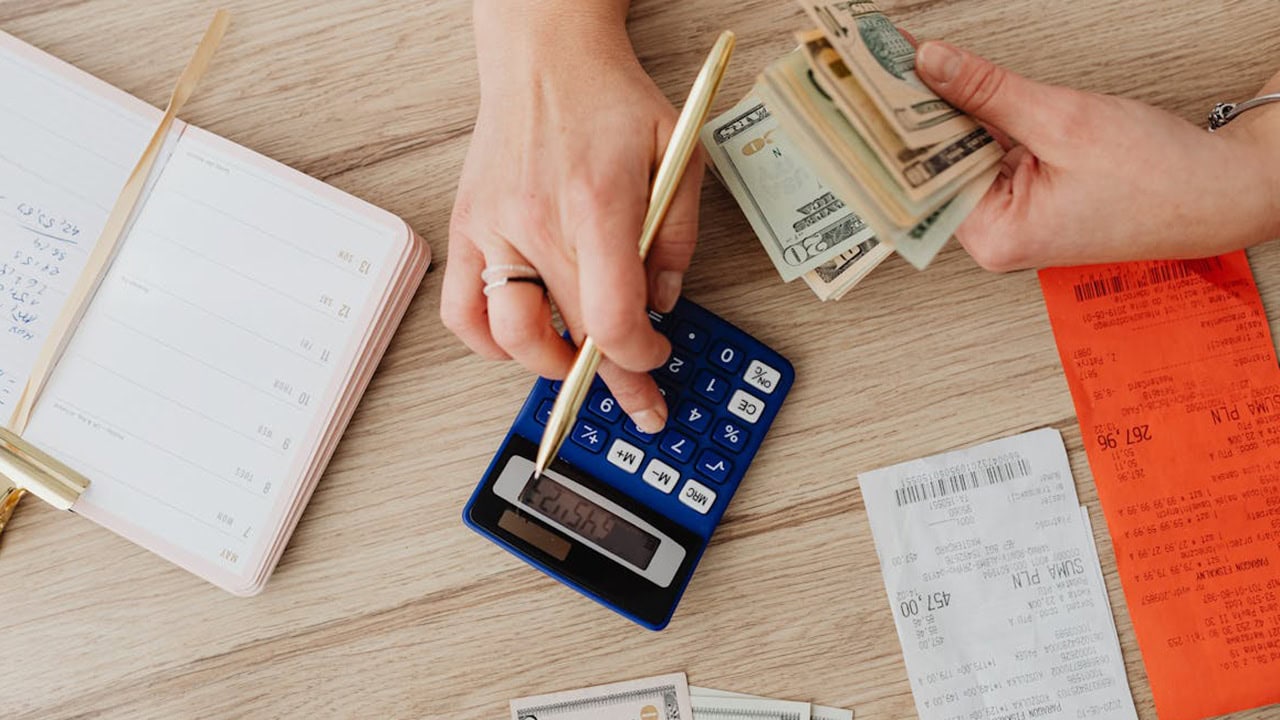
Paying off student loans feels like climbing a hill that keeps getting steeper. When I started, I didn't fully grasp how long it would take or how much interest would eat away at my progress if I wasn't intentional. But over time, I figured out what actually moved the needle.
It took some hard decisions, but knocking out $25,000 taught me a lot about how to handle debt, spend smarter, and stay focused. If you're staring down your own balance, these are the lessons worth knowing early.
Paying the Minimum Keeps You in Debt Forever
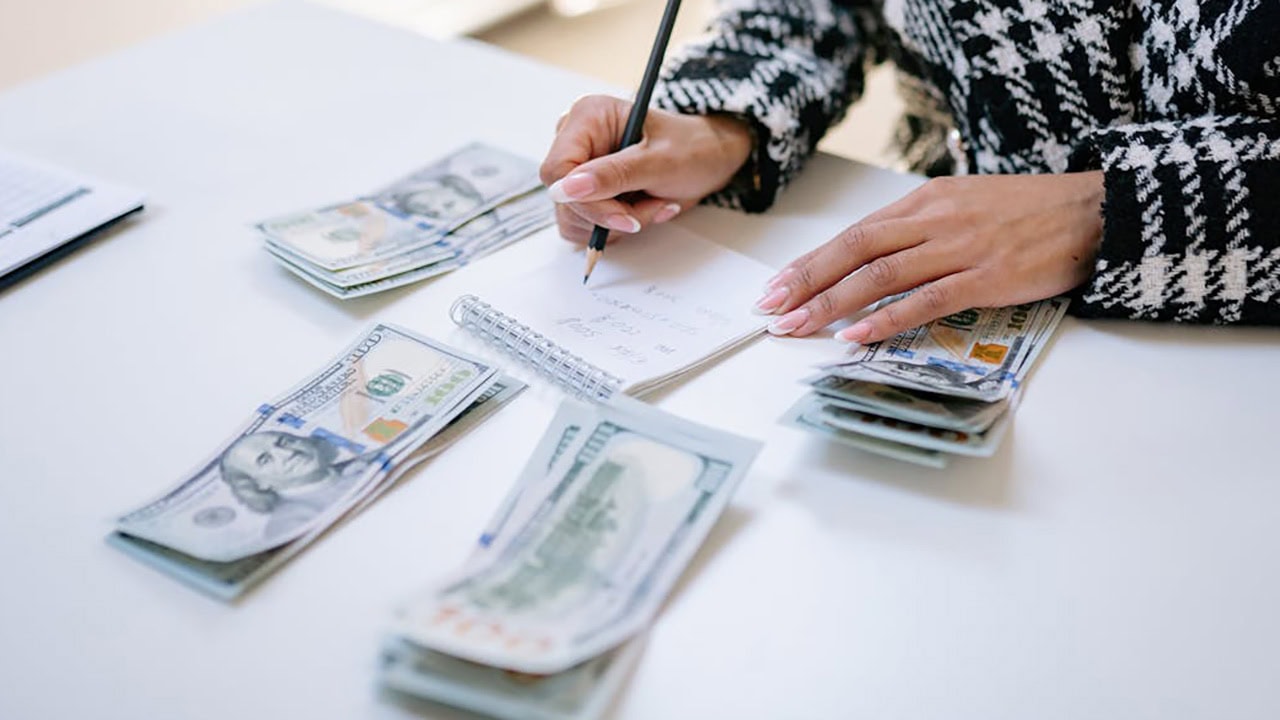
That minimum payment barely scratches the surface. Most of it goes toward interest, not the balance. If you stick to minimums, you could be paying for decades.
Once I realized that, I started sending any extra I could-even small amounts. $20 here, $50 there. It felt small at first, but those extra payments added up fast. I watched my payoff timeline shrink and finally started to see real progress.
Side Income Speeds Everything Up

Relying on your main paycheck alone makes it hard to get ahead. I picked up side work-freelance projects, small gigs, even selling stuff online.
I didn't have to hustle full-time. A few hundred bucks a month went directly to my loans, and it made a bigger difference than I expected. It also helped me mentally, because I felt like I had more control over the pace.
Interest Is the Real Enemy
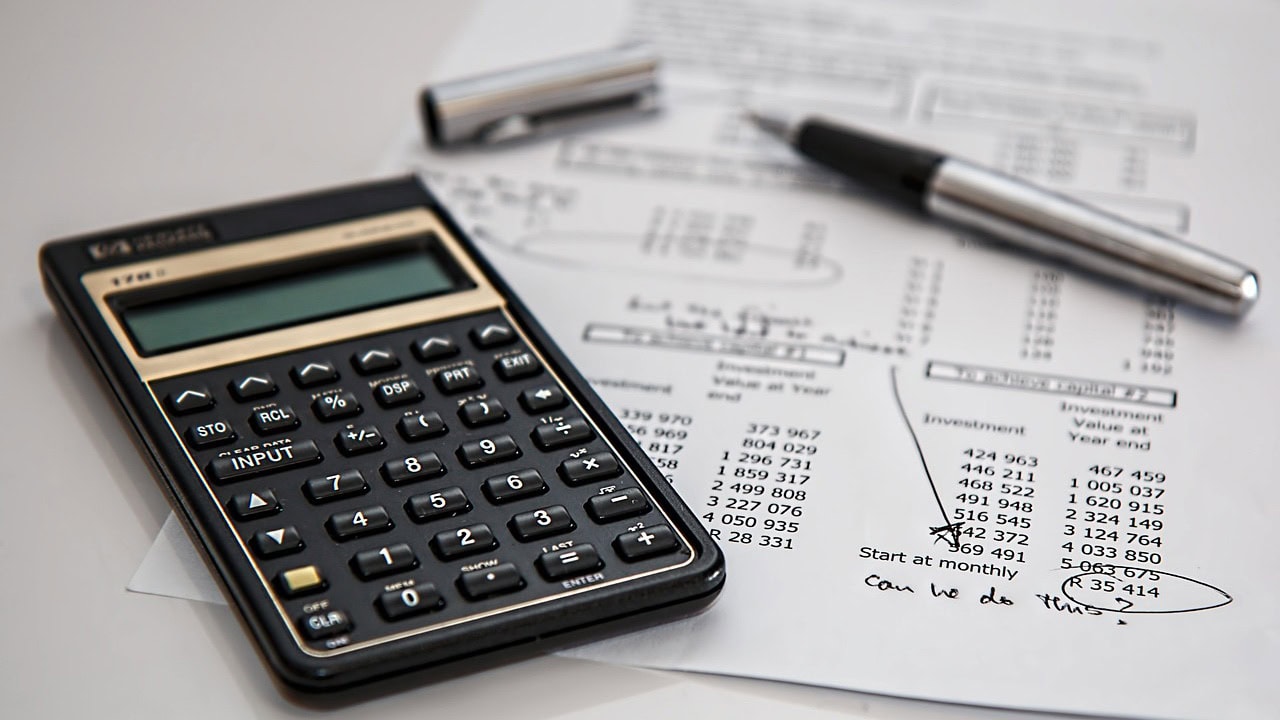
At first, I didn't think much about interest rates. But when I did the math and saw how much I was losing every month to interest alone, it lit a fire under me.
That's when I got more aggressive. I focused on my highest-rate loans first and paid them off faster. I also looked into refinancing once my credit improved, which lowered my rate and helped me keep more of my money.
Your Budget Has to Change

You can't keep spending the same way and expect to make progress. I had to reevaluate where every dollar was going-subscriptions, eating out, small splurges that added up.
Once I adjusted my budget and told my money where to go, I found extra cash I didn't realize I had. It wasn't fun at first, but I stopped feeling stuck. The trade-offs felt worth it once I started gaining traction.
Big Payments Feel Risky-But Work
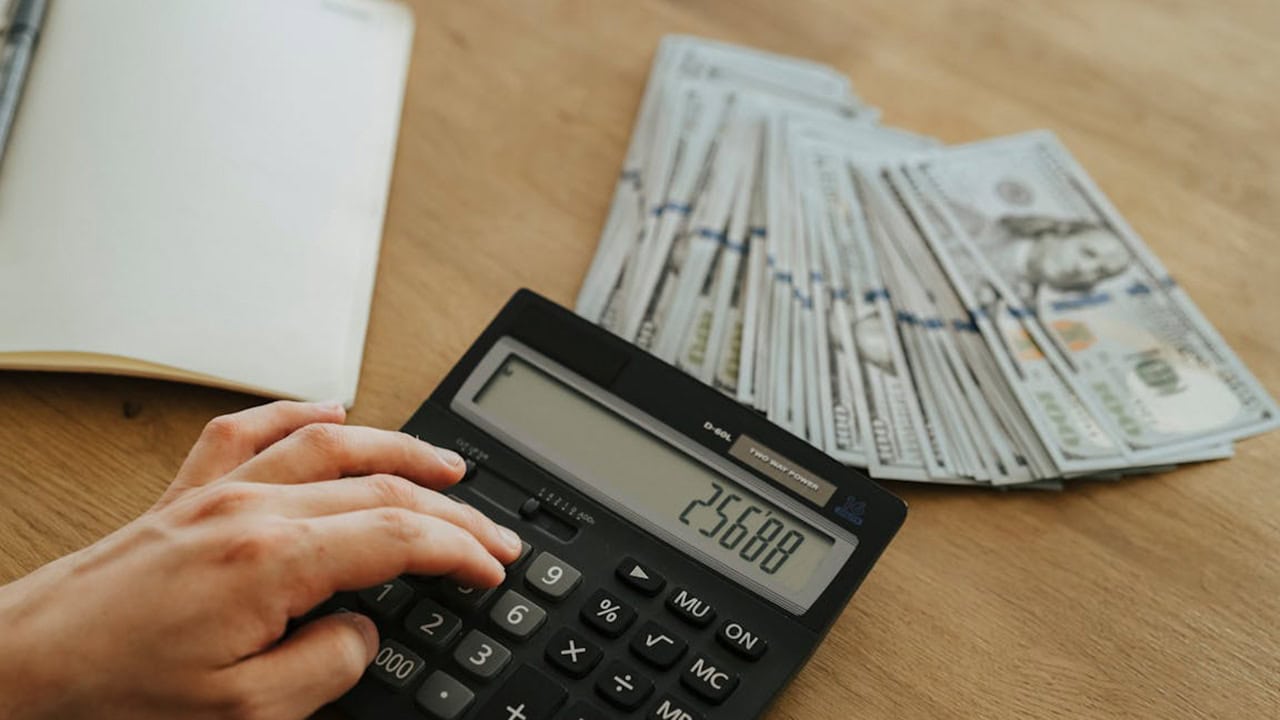
There were months where I made a payment that felt scary. I'd throw $1,000 at a loan and wonder if I should've saved it instead. But that's what moved the needle most.
Of course, I kept a small emergency buffer, but I stopped playing it safe all the time. Making those big payments helped me break through interest faster and finally start seeing the principal drop in a real way.
Automating Payments Helps You Stay Consistent

When I manually paid, I'd sometimes forget or second-guess how much I could send. Once I automated a fixed extra payment, it became a non-negotiable.
That consistency made the biggest difference. I got used to the new "normal" in my budget and stopped debating with myself every month. It also helped avoid late fees and let me focus on other things without losing momentum.
You Can Still Live-Just Differently

I didn't go into total deprivation mode. I still had fun, saw friends, and traveled occasionally. But I planned ahead, used cash, and skipped the "I deserve it" spending.
Living on less didn't mean I was miserable. It meant I got creative. I swapped pricey habits for smarter ones and figured out how to enjoy life without racking up new debt or slowing my goals.
Emotional Spending Will Slow You Down

Stress, boredom, celebration-whatever the reason, emotional spending crept in more than I'd like to admit. Every time I let my emotions lead, I made less progress.
Once I recognized that pattern, I started catching myself. I found other ways to cope that didn't involve spending-things like walking, journaling, or talking things through. Paying off debt takes discipline, but managing your mindset matters too.
It's Easy to Feel Like You're Not Getting Anywhere

Some months, I'd pay a bunch and my balance barely moved. It was discouraging. But I had to remind myself that every dollar mattered-even if I couldn't see it right away.
Tracking progress helped. I made a spreadsheet and updated it after every payment. Seeing the trend-even if slow-kept me motivated and made it easier to stay the course when things felt slow.
Your Mindset Is What Keeps You Going

At the end of the day, how you think about your debt determines how fast you'll get out. Once I stopped thinking of it as a lifelong burden and started treating it like a challenge I could beat, everything changed.
I got strategic, stayed consistent, and let go of shame. I didn't have to be perfect-I just had to keep going. And eventually, the balance hit zero.
*This article was developed with AI-powered tools and has been carefully reviewed by our editors.






Leave a Reply