

The renewal notice shows up, and the rent is higher. That part you expect. What you might miss are all the tiny changes in terms that make next year more expensive than you realized. There's no nationwide cap in many places, and in states like Texas, landlords can raise rent at renewal as much as the market will bear with proper notice.
Here's what to look for before you sign another year.
1. Automatic rent increase clauses

Some leases build in automatic yearly rent bumps-3%, 5%, or "market rate." Landlord guides actively recommend it.
If you sign that once and forget, you're agreeing to future increases without fresh negotiation. Read the renewal to see if that clause is still there and what number it uses.
2. Higher base rent plus all the same junk fees

Even if the rent increase seems modest, check whether all the "small" fees you paid last year (amenities, trash, admin) are still there-and if they've gone up too. Junk fee reports show many tenants pay several extra line items every month that function like hidden rent.
Compare last year's total monthly out-of-pocket to this year's, not just base rent.
3. New charges slipped into the fine print

Renewals sometimes add:
- New tech fees
- Package locker fees
- Insurance tracking fees
If you see a line item that wasn't on last year's agreement, ask when it kicks in, whether it's optional, and if they'll remove it. The worst they can say is no.
4. Month-to-month "default" rates that are way higher

If you don't actively renew, many leases default to month-to-month-at a much higher rate. Tenants often find out the hard way when their rent jumps after a renewal date passes.
If you need month-to-month flexibility, talk to the office before renewal about what that actually costs instead of assuming it's the same rent.
5. Stricter late fee structures

Renewals can tighten grace periods or raise late fees. Texas, for example, lets landlords charge late fees as long as they're "reasonable" and disclosed in the lease; other states have their own rules.
If your paychecks already cut it close, a shorter grace period or higher late fee is something to factor into your decision.
6. Utility cost shifts
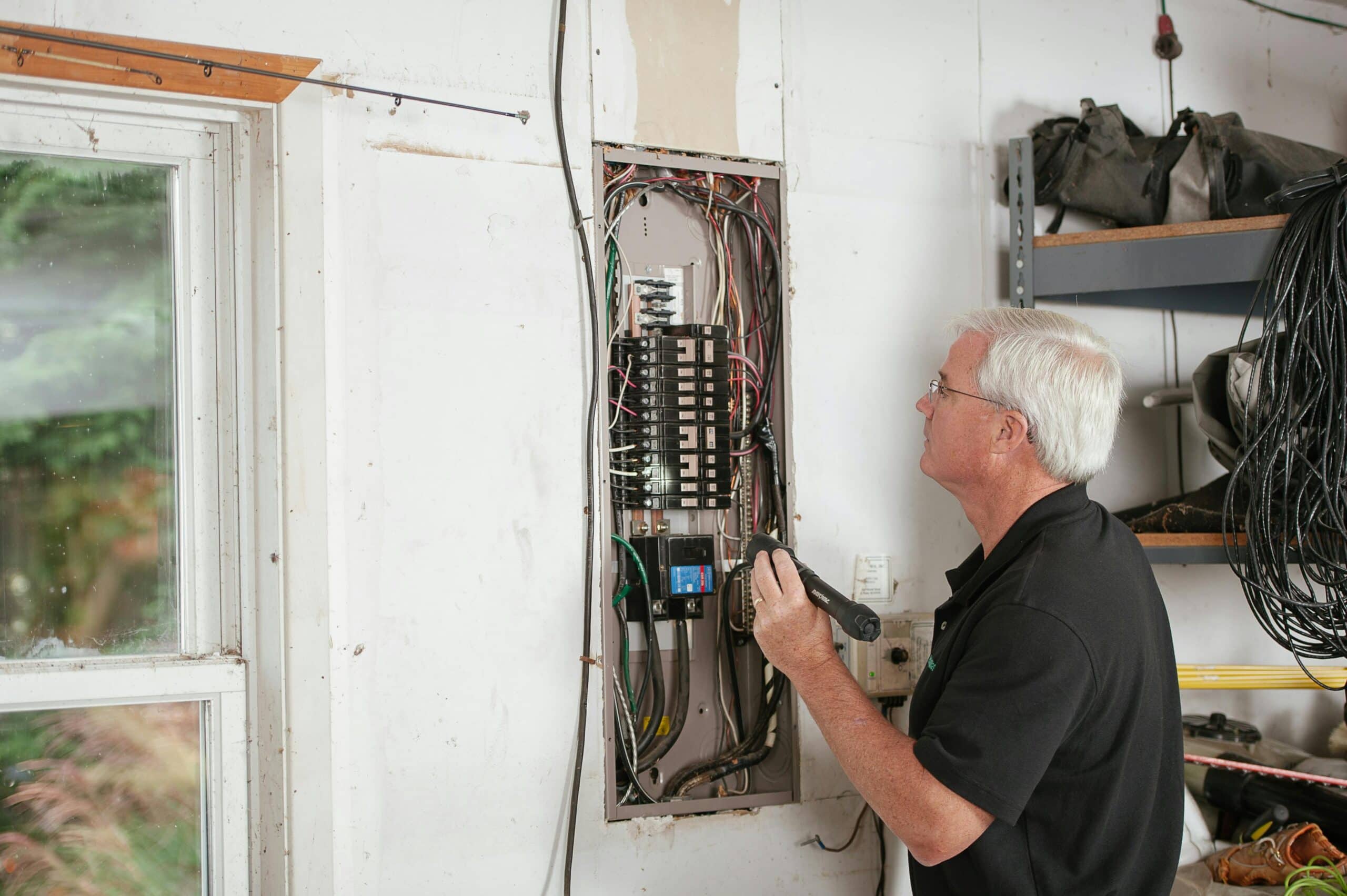
Sometimes the renewal quietly switches you from "some utilities included" to a ratio billing system (RUBS) or separate billing for water, trash, or sewer.
Ask: "What utilities are covered next year, and what changes compared to this year?" That one change can add $50-$150 a month depending on the building.
7. New pet rules and extra charges
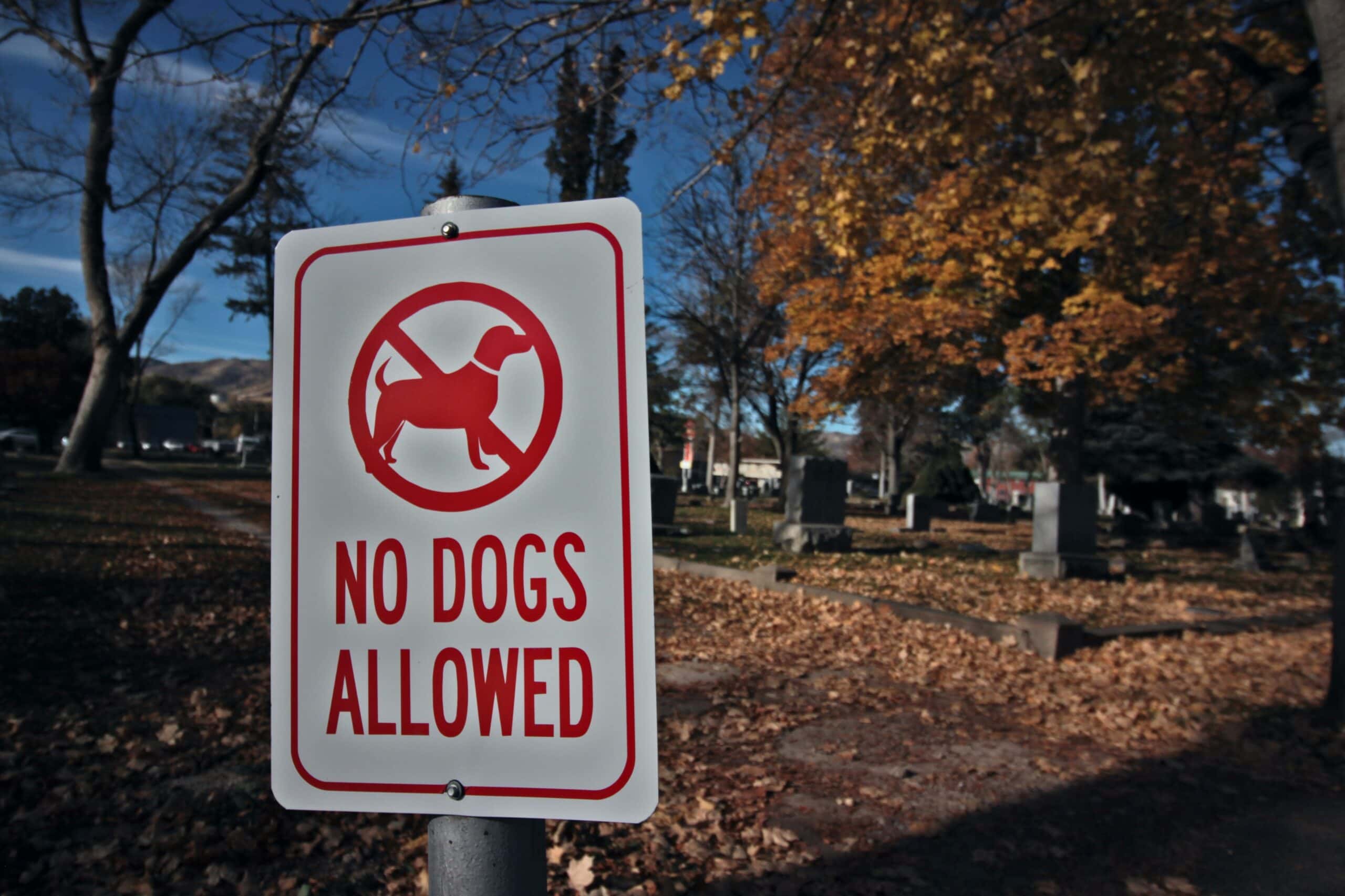
Renewals can add pet rent, increase deposits, or narrow the list of allowed breeds and sizes.
If you're thinking about adding a pet, or you already have one, you need to know exactly what year-two rules look like before you sign.
8. Parking rule changes
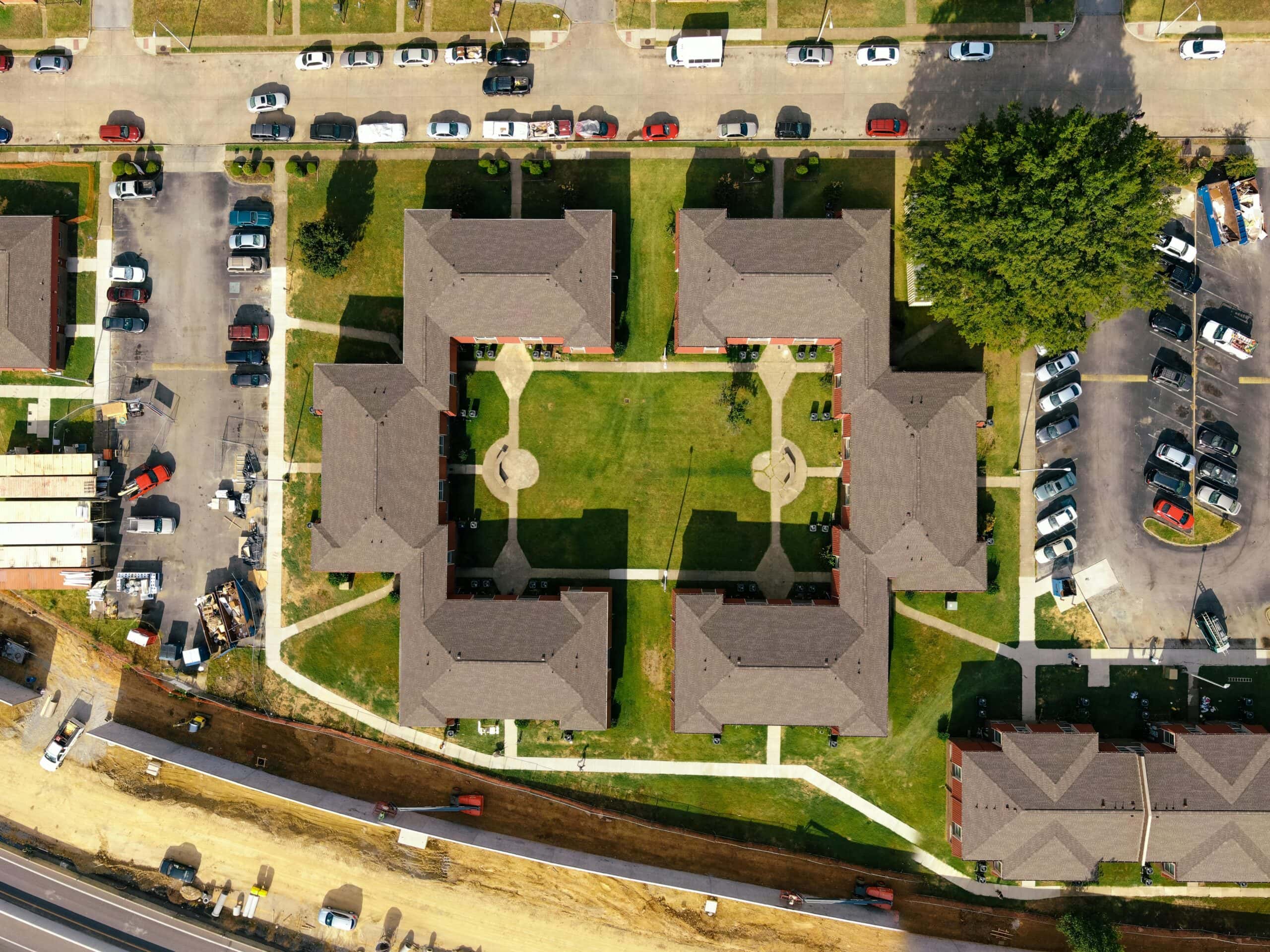
Garages or assigned spots that used to be included can suddenly come with a separate fee. Guest policies and second-vehicle fees can change too.
Don't assume parking stays the same just because the space hasn't moved. Check the renewal for new parking language.
9. Higher fees for breaking the lease
Early-termination clauses sometimes shift from "two months' rent" to "three months plus re-letting fees," or add marketing fees on top.
If there's any chance you might need to move before your new term ends, compare the old and new language and ask if there's wiggle room.
10. Shorter notice windows for everything

Some renewals shorten how long you have to:
- Give notice you're leaving
- Dispute charges
- Respond to changes
If you miss those windows, you can end up stuck in another term or hit with extra costs. Read those timelines like a hawk and set calendar reminders once you sign.
Not legal advice. Laws around rent and fees vary a lot by state and city. If something feels off, it's worth checking local tenant resources or talking with a lawyer or tenant clinic in your area.
*This article was developed with AI-powered tools and has been carefully reviewed by our editors.






Leave a Reply