
Laundry is one of those chores that's easy to rush through. You toss in a load, hit start, and hope for the best. But some of those "time-saving" habits end up costing you more money in the long run-through worn-out clothes, higher energy bills, or even appliance damage.
A few small changes can help your washer and dryer last longer, keep clothes looking new, and cut down on how often you have to replace things.
Overloading the washer
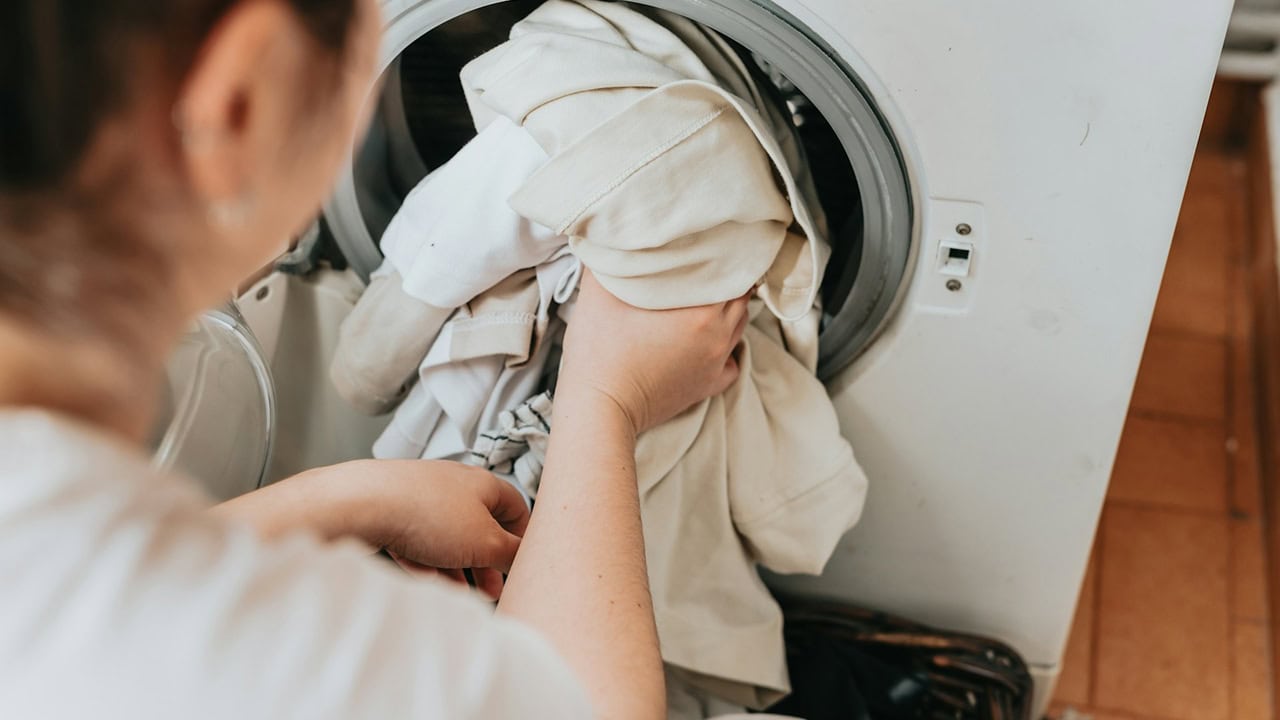
Cramming too much in at once might save time, but it puts a strain on your machine. Clothes can't agitate properly, which means they don't get clean and detergent builds up in the fabric. Over time, that buildup dulls colors and causes odor issues. It also makes the washer work harder, wearing out the motor and bearings faster. Smaller, balanced loads clean better and extend the life of both your clothes and your machine.
Using too much detergent
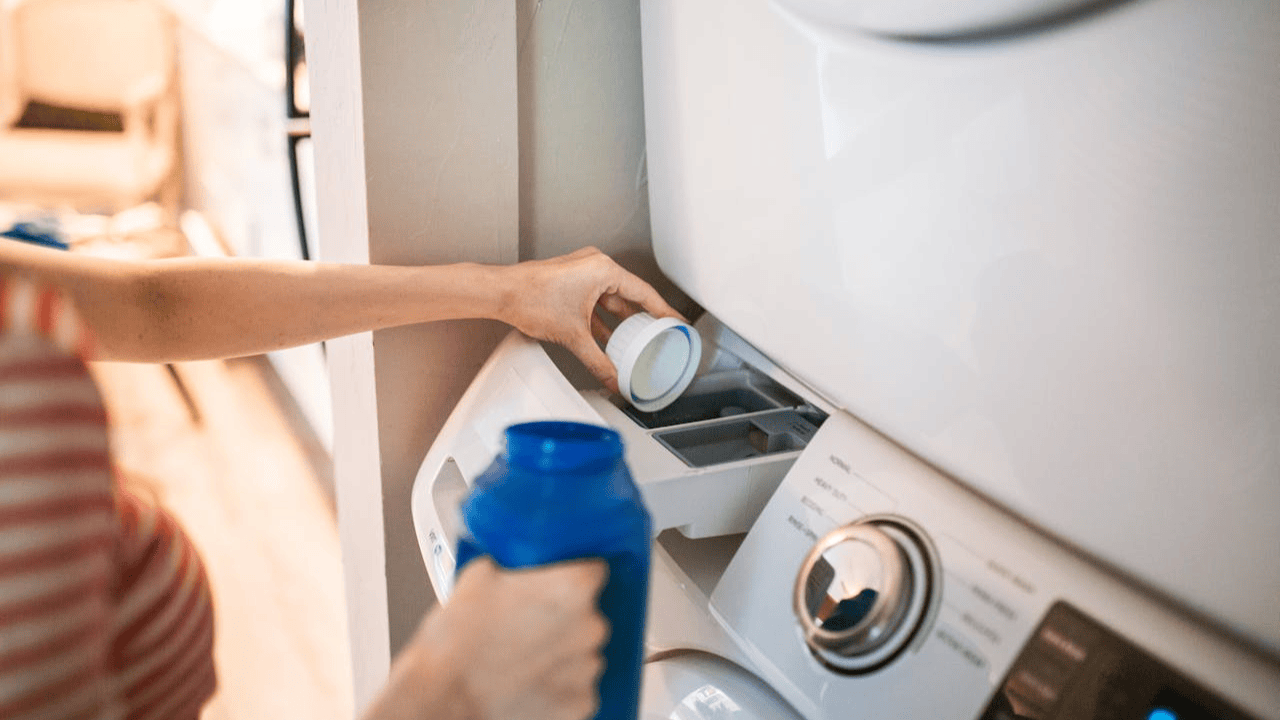
It seems like more soap would mean cleaner clothes, but it's the opposite. Too much detergent leaves residue behind, trapping dirt and bacteria instead of rinsing it away. That buildup can lead to funky smells in both your clothes and washer. Using the recommended amount-or even less for high-efficiency machines-keeps everything cleaner and helps your clothes last longer without fading or feeling stiff.
Skipping fabric care labels
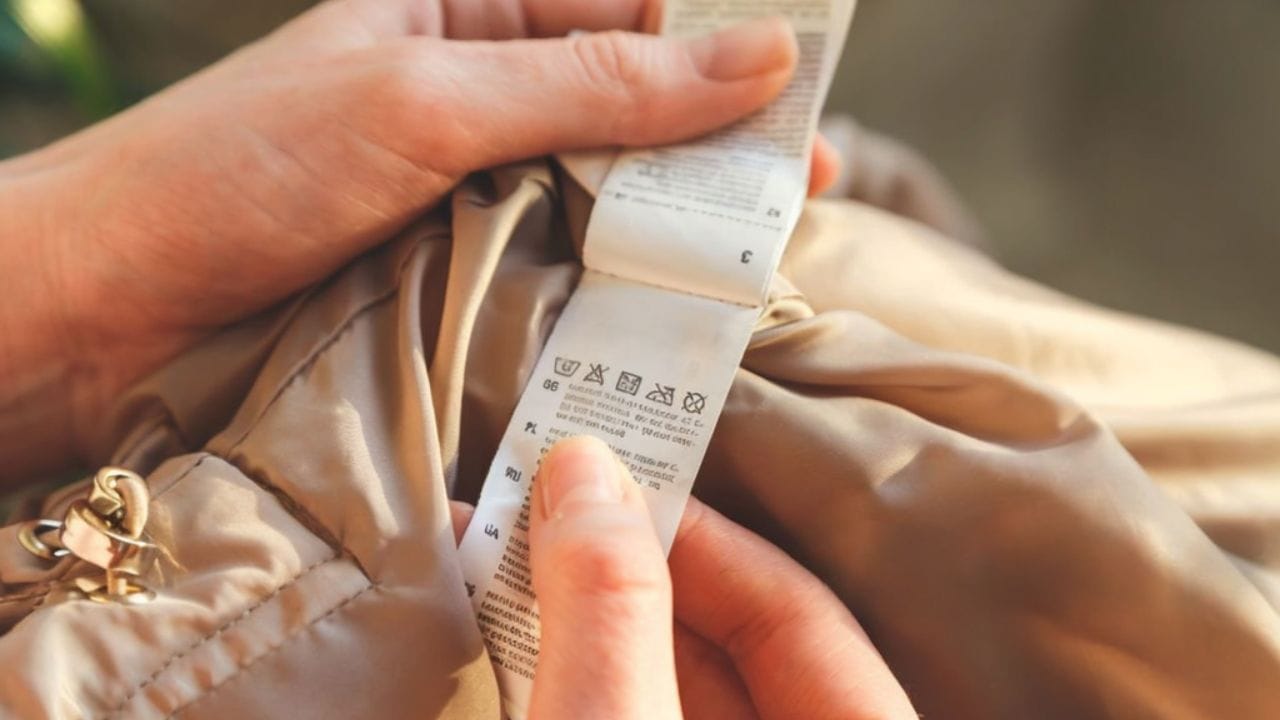
Those little tags aren't there for decoration. Ignoring wash temperatures or drying instructions can easily shrink fabrics, fade colors, or stretch delicate materials. Even sturdy items like jeans can lose their shape faster when washed hot or dried on high heat. Taking a few extra seconds to check care labels can save you from ruining clothes you spent good money on.
Washing everything in hot water
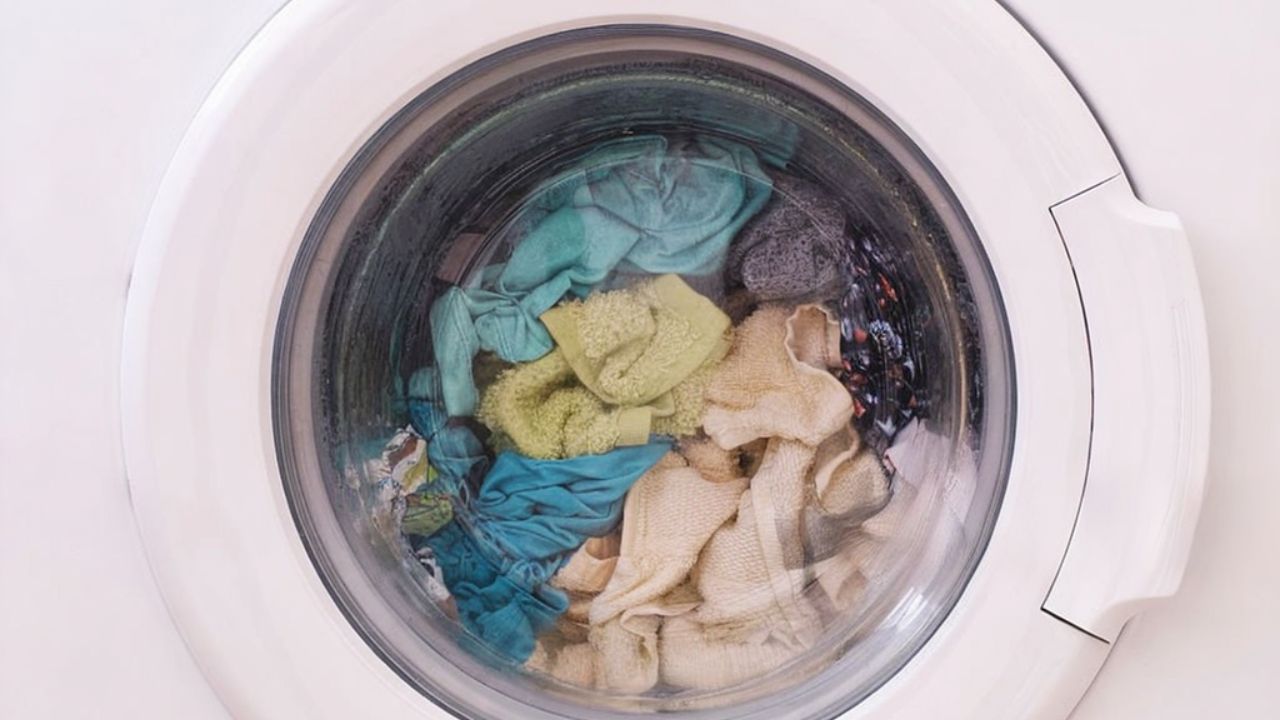
Hot water has its place, but not for every load. It can cause colors to fade and fibers to break down faster, especially with synthetic or blended fabrics. Warm or cold water works just as well for most everyday laundry and costs less to heat. Reserve hot washes for heavily soiled loads like towels, bedding, or work clothes that need extra sanitizing.
Using dryer sheets too often
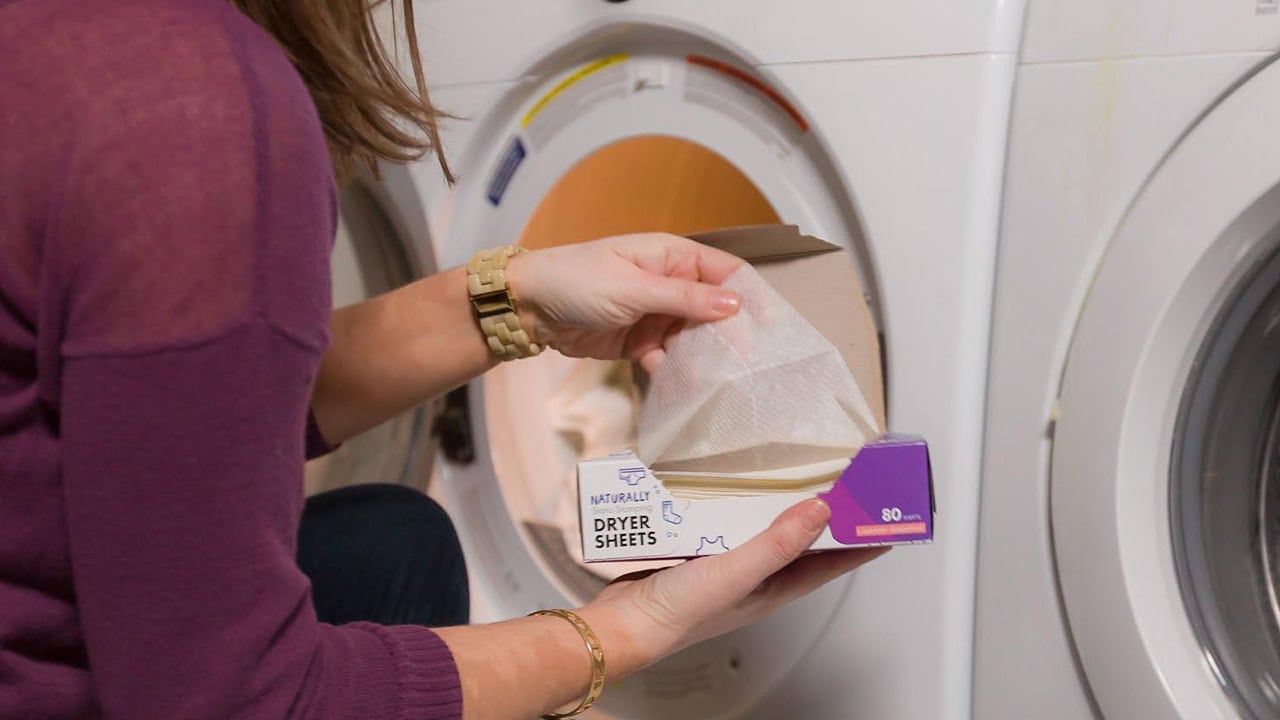
Dryer sheets might make clothes smell nice, but they leave a waxy coating that builds up over time. That residue clogs fabric fibers, making towels less absorbent and athletic wear less breathable. It also coats your lint trap, making the dryer work harder and use more electricity. A wool dryer ball or a bit of white vinegar in the rinse cycle can do the same job without the long-term damage.
Ignoring the lint trap
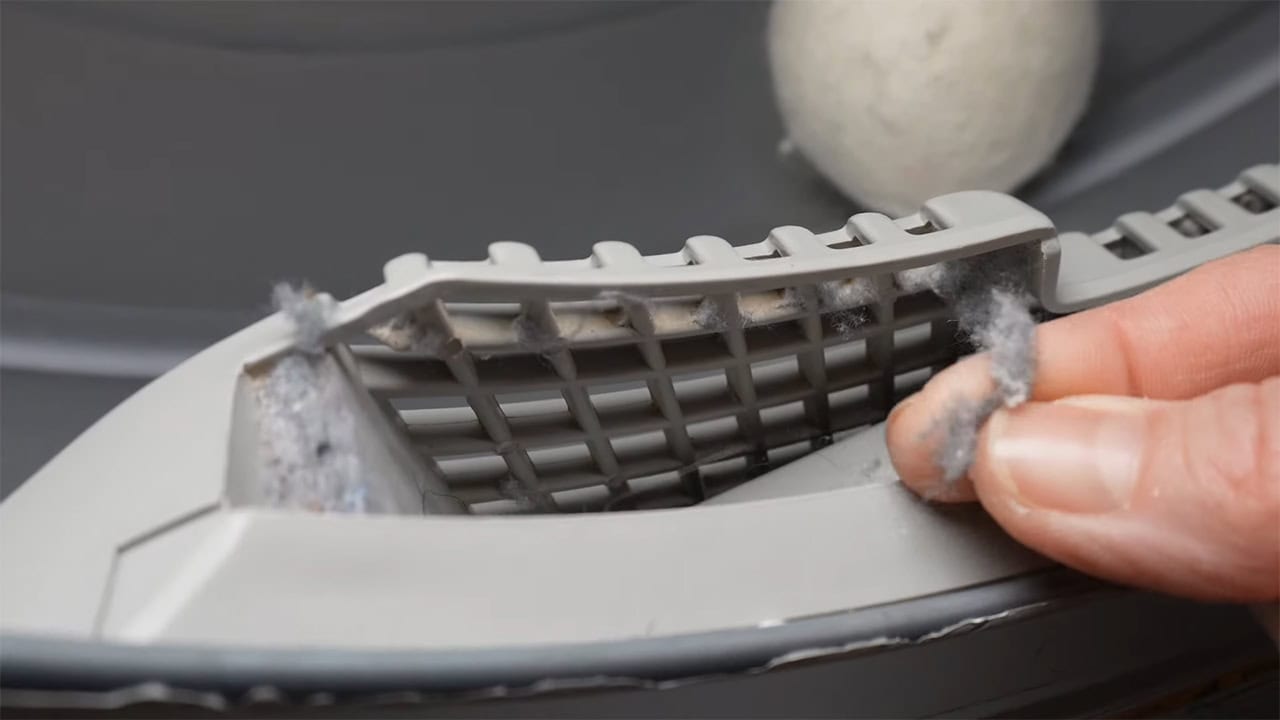
Running the dryer with a full lint trap isn't just inefficient-it's a fire hazard. Lint blocks airflow, forcing the dryer to run longer and overheat. That extra energy use adds up on your utility bill, and it wears out heating elements faster. Clean the lint screen before every load, and every few months, check the vent line for buildup to keep things running safely and efficiently.
Drying clothes too long
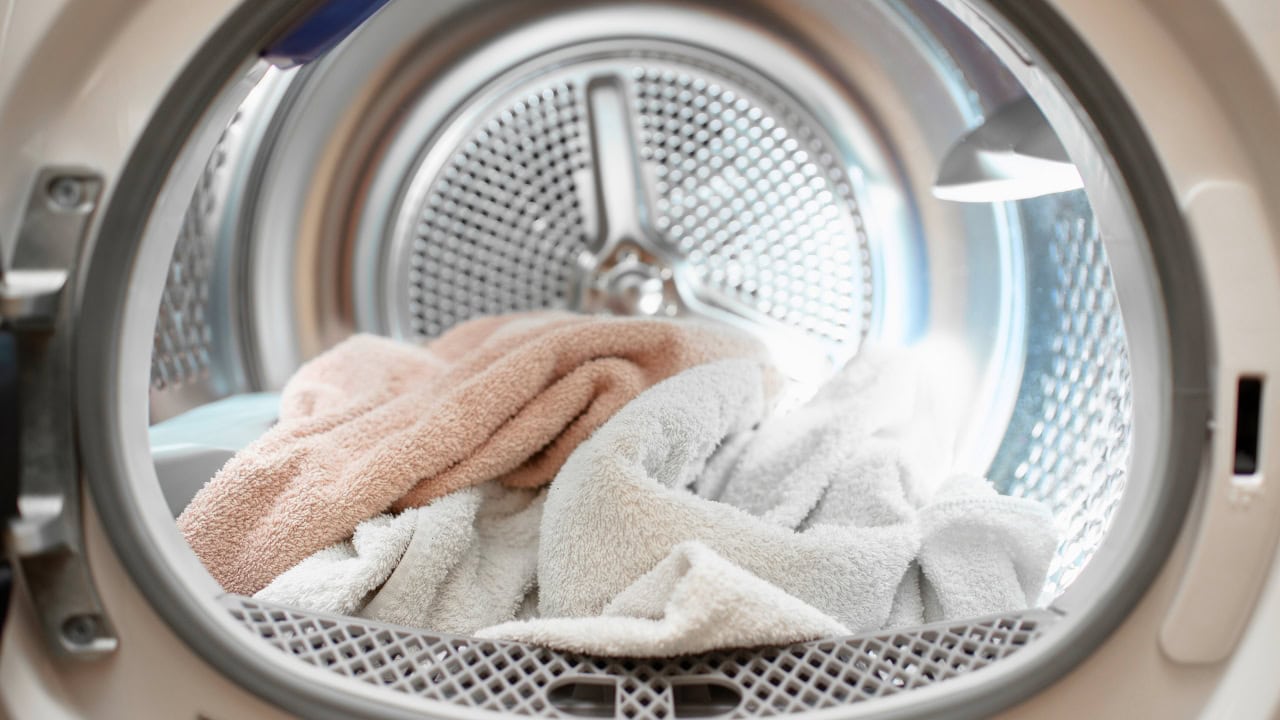
Overdrying is one of the quickest ways to ruin clothes. Heat breaks down fibers and elastic, leaving clothes faded, stretched, or stiff. It also drives up your electric bill since the dryer is one of the biggest energy users in the house. Set a timer to check loads early or use the moisture sensor setting if your machine has one-your clothes and your wallet will both benefit.
Skipping zipper and button checks
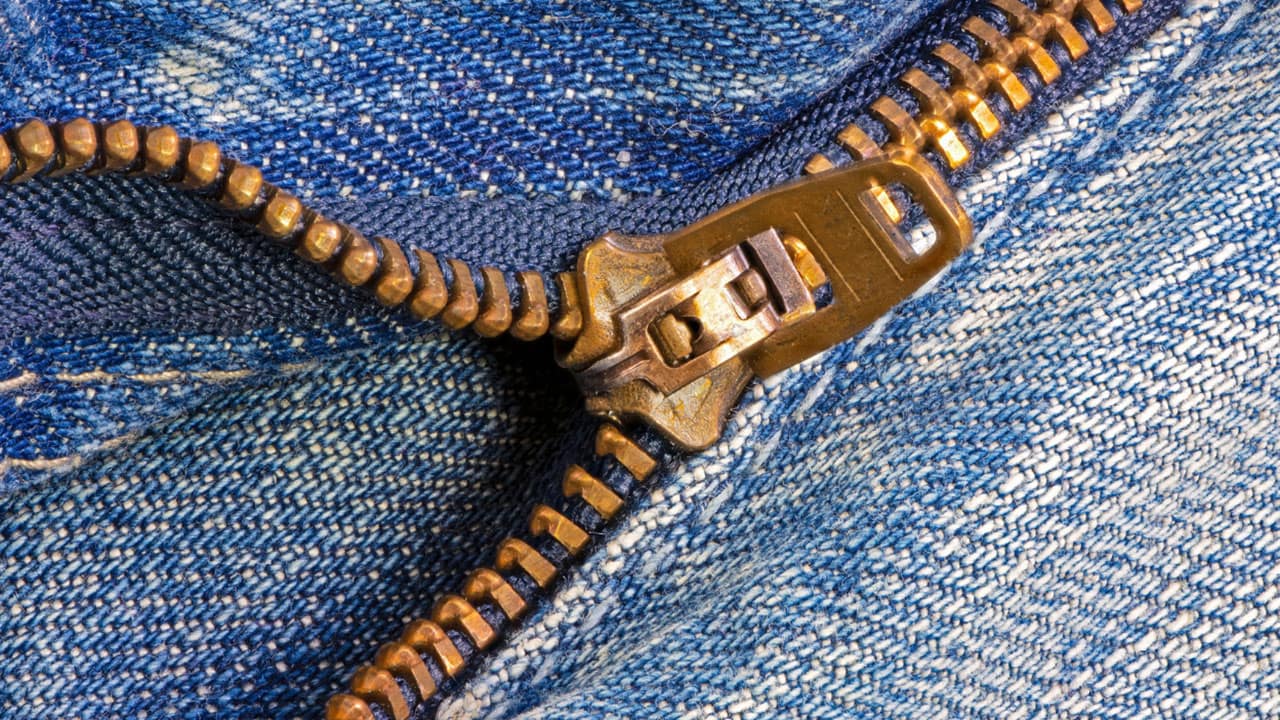
Leaving zippers undone or buttons fastened can cause snags and tears during washing. Metal hardware also bangs around and can chip the washer drum or scratch other fabrics. Taking 30 seconds to zip, unbutton, or fasten Velcro keeps your clothes looking newer longer and helps prevent unnecessary wear on your machine.
Ignoring the washer drum and gasket
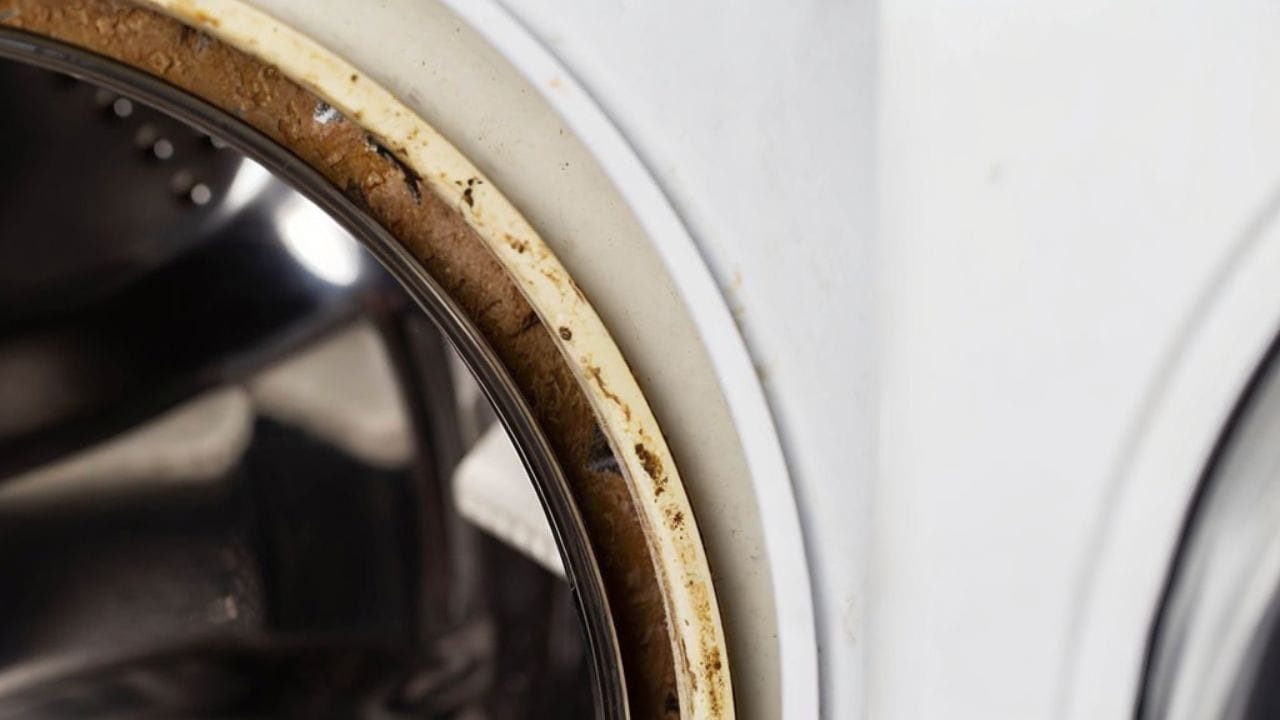
Even if your laundry smells clean, your washer might not be. Soap scum, lint, and moisture collect in the drum and rubber gasket, creating the perfect spot for mildew. That buildup can transfer back onto your clothes. Running a hot cleaning cycle once a month with vinegar or a washer cleaner keeps everything fresh and prevents expensive mold-related repairs down the road.
Letting wet clothes sit
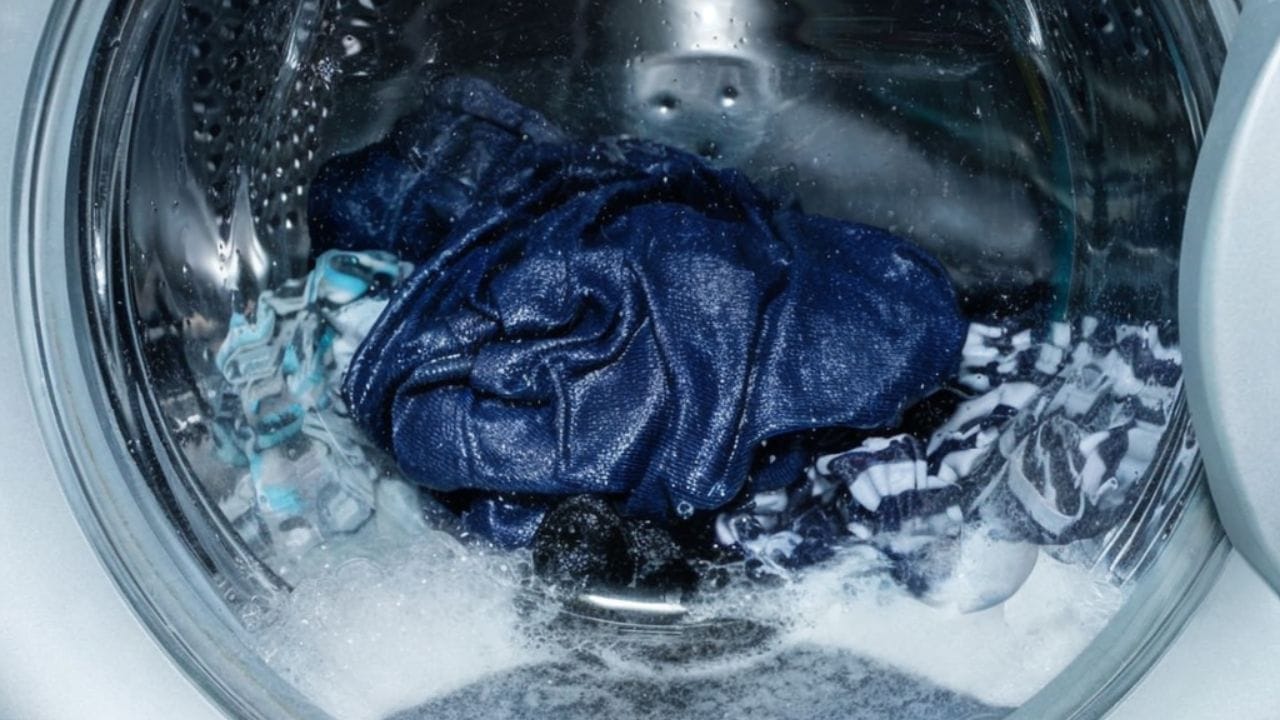
Leaving wet laundry in the washer for hours creates mildew and that sour smell that's nearly impossible to remove. It also makes the drum smell musty over time. Even an hour is enough for bacteria to start growing. Try setting a reminder on your phone or washer app to move clothes to the dryer right away-it's a small habit that saves you from rewashing loads later.
*This article was developed with AI-powered tools and has been carefully reviewed by our editors.






Leave a Reply