
Good jeans are built to last - but not if you're washing them wrong. Every spin, soak, and dry cycle takes a toll on denim fibers, and most people unknowingly speed up the process. Fading, thinning, stretched-out waistbands, and sagging knees usually come down to a few small habits that add up over time.
Whether you've spent $40 or $200 on a pair, taking care of your jeans the right way makes all the difference. Here's what's wearing them out faster than you realize.
Washing them too often
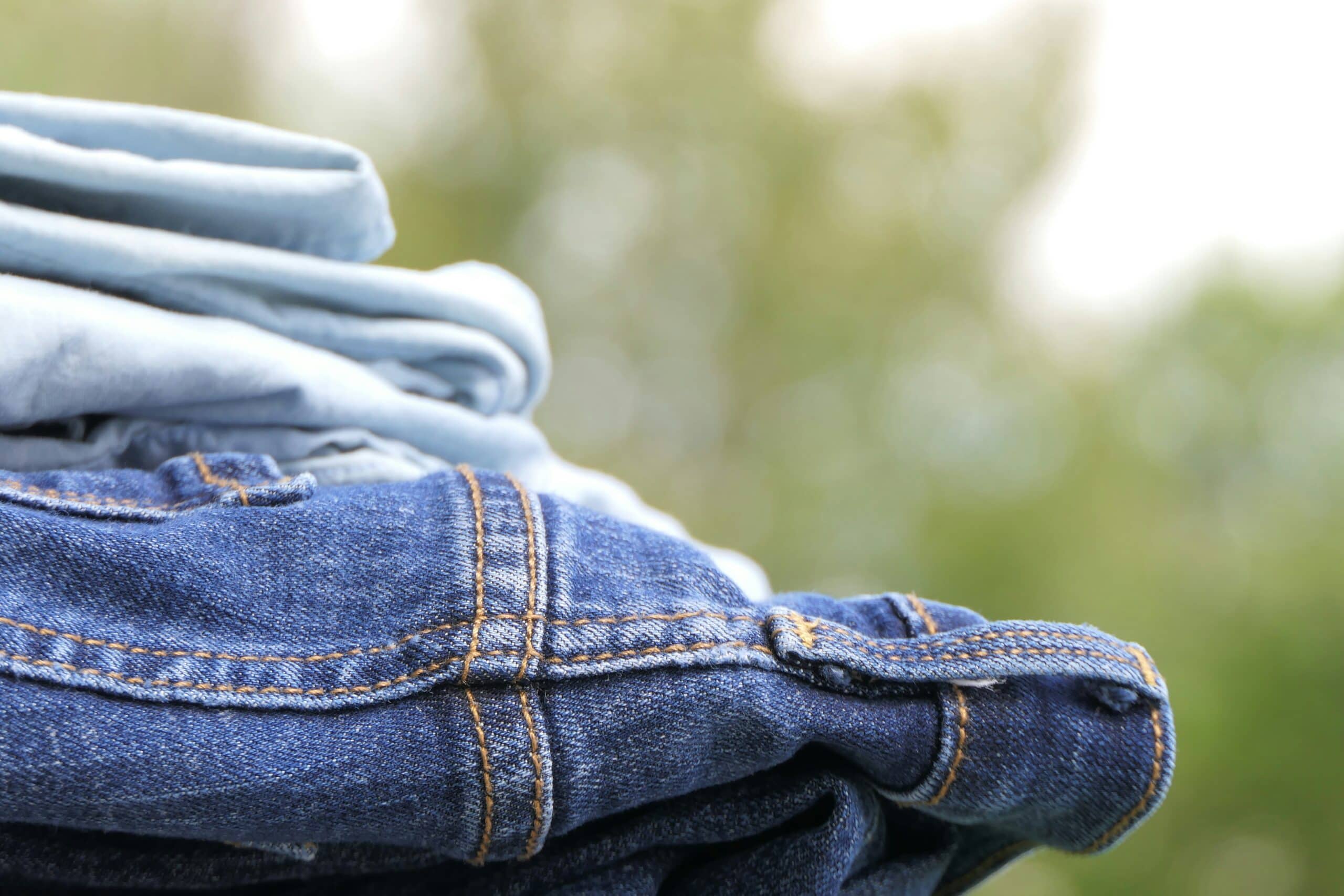
Denim doesn't need to be washed nearly as often as most people think. Unless your jeans are visibly dirty or have a strong odor, you can usually wear them five to ten times before washing. Each wash breaks down the fibers and dulls the color, making them feel thinner over time.
Hang them between wears and let them air out instead. You can even spot-clean stains with a damp cloth instead of throwing the whole pair in the machine.
Using hot water
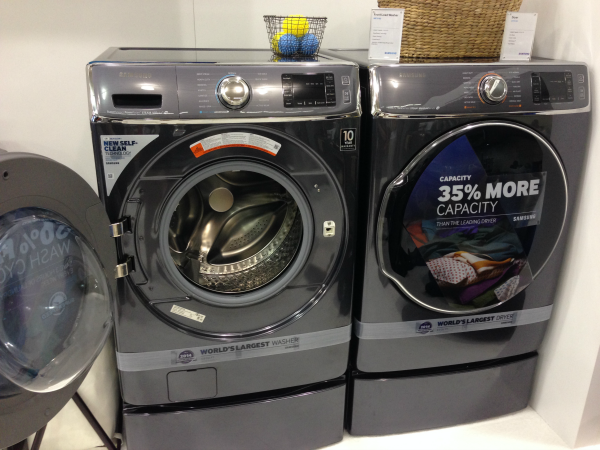
Hot water is rough on denim. It fades dye faster and can cause the fabric to lose its structure. The fibers swell and shrink repeatedly, which leads to permanent wrinkles or a misshapen fit.
Cold water does a much better job at cleaning while keeping the color and texture intact. Modern detergents are designed to work in cold cycles, so there's no downside to switching.
Skipping the inside-out trick
RDNE Stock project/Pexel.com
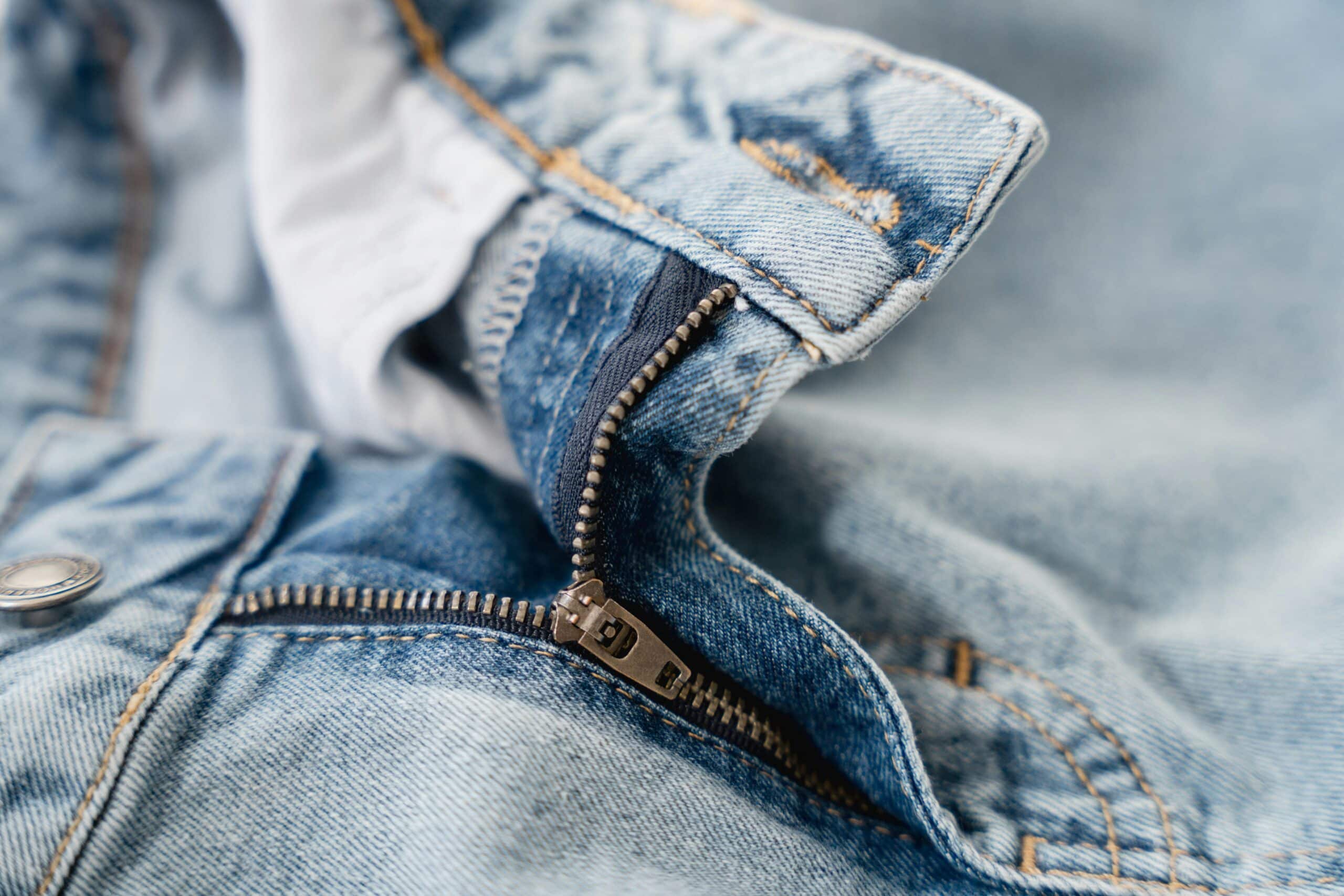
When you toss your jeans in the washer right-side out, all that friction happens on the part people actually see. That's what causes fading and premature wear along seams, pockets, and knees.
Turning your jeans inside out helps protect the color and the surface fibers. It's a small habit that slows fading and makes your jeans look newer for way longer.
Overloading the washer
RDNE Stock project/Pexel.com
Stuffing too many clothes into one load is hard on everything in the drum - especially jeans. When they don't have enough space to move, the fabric rubs against zippers, buttons, and other rough materials.
That constant abrasion leads to pilling, thinning, and loose threads. Wash jeans with a smaller load of similar fabrics to give them room to move and rinse clean.
Using too much detergent
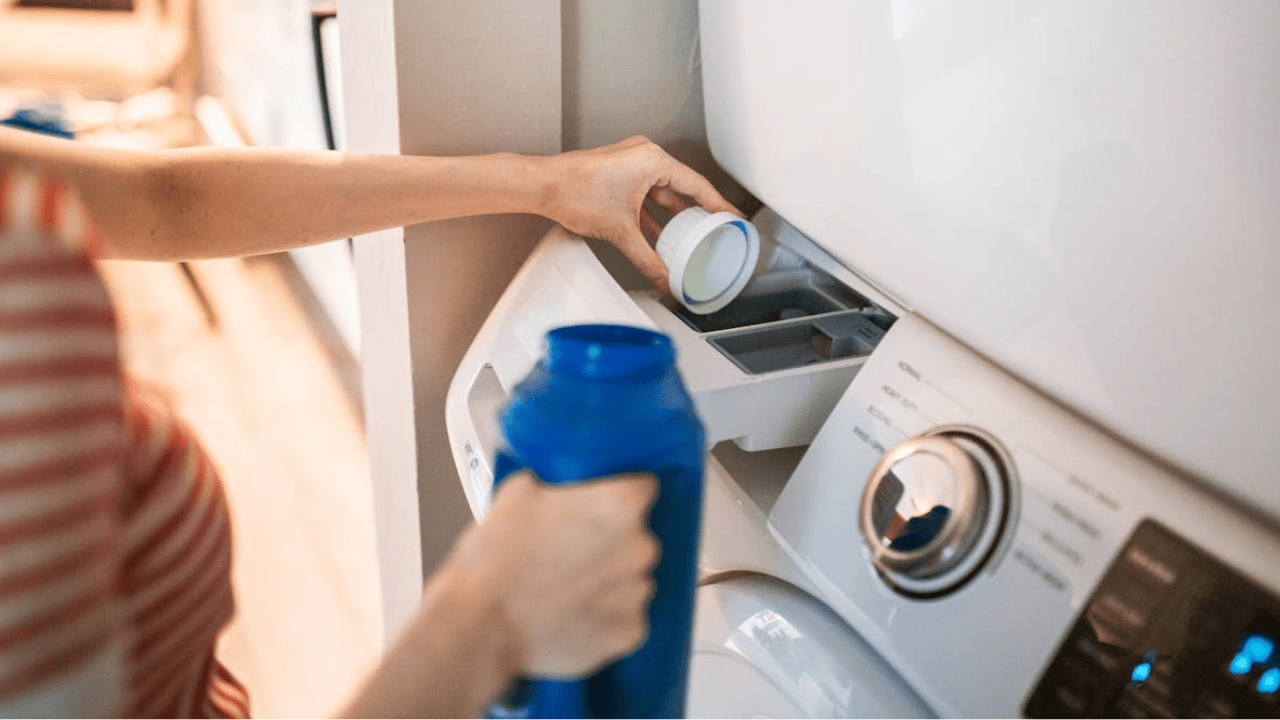
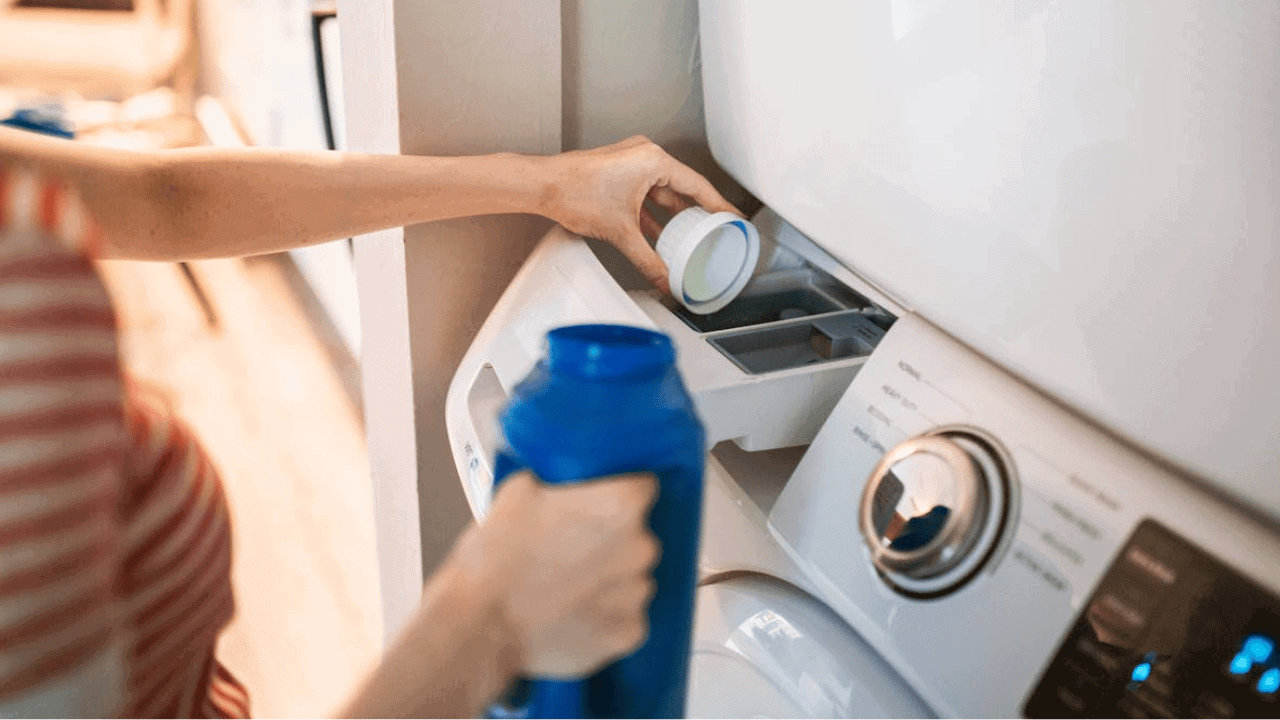
More soap doesn't mean cleaner jeans. Excess detergent leaves residue that stiffens the fabric, attracts dirt faster, and fades the dye. Over time, it also weakens the fibers that give denim its strength.
Stick to the recommended amount - or even less for smaller loads. If your jeans ever feel stiff or heavy after drying, that's a sign you're using too much.
Tossing them in the dryer
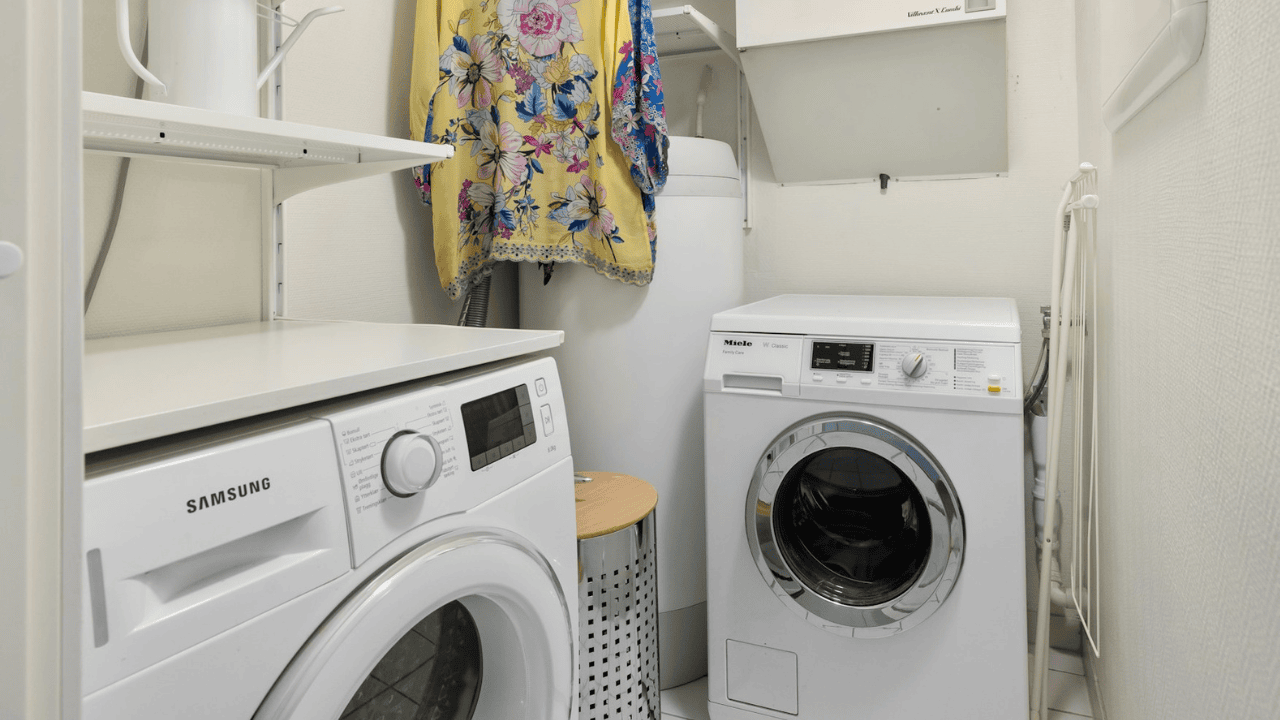
The heat from a dryer breaks down the elasticity in denim and causes shrinkage that never quite evens out again. It can also wear out stitching and warp the fit, especially around the waistband and pockets.
Air-drying is the best move. Hang your jeans by the waistband or lay them flat to dry. If you have to use the dryer, stick to the lowest heat setting and pull them out while they're still slightly damp.
Ignoring the care label
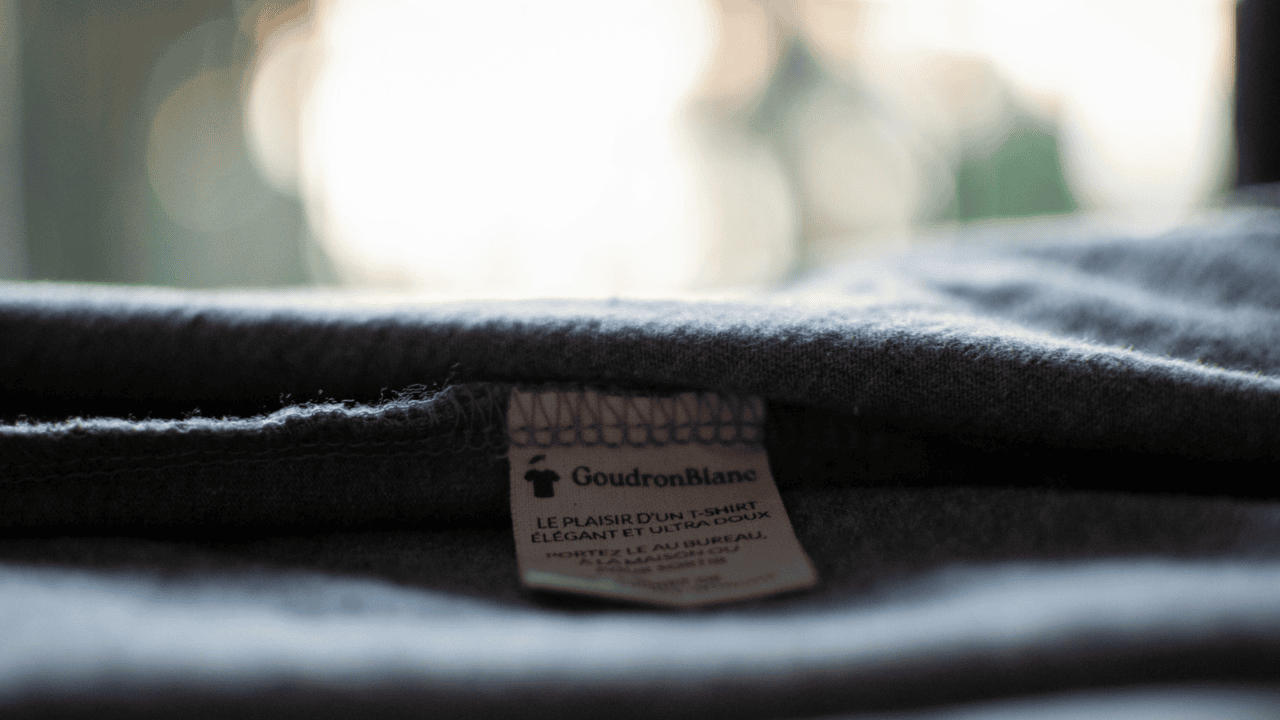
Not all jeans are made from the same kind of denim. Some have stretch fibers like spandex or polyester mixed in, which need gentler care. Others are raw or selvedge denim that should rarely see the inside of a washer.
A quick glance at the care tag tells you exactly what your pair needs. Following those instructions can make a big difference in how long they hold their shape and color.
Washing dark and light jeans together
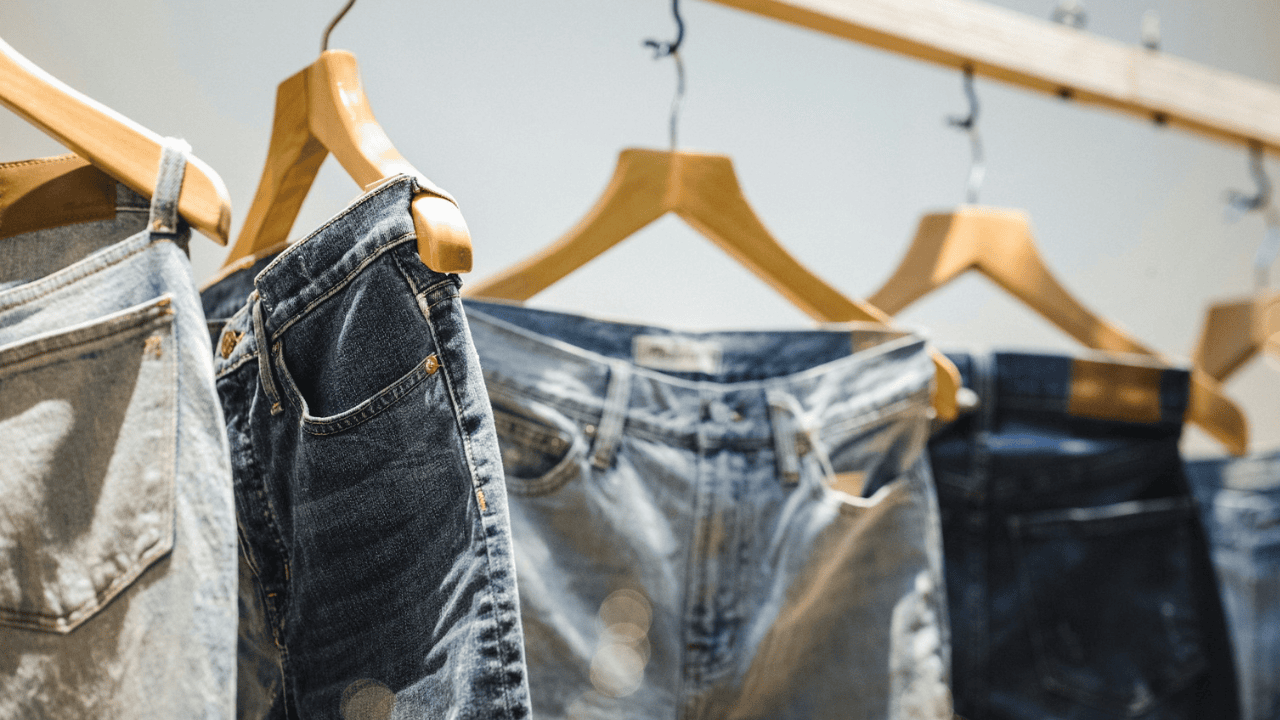
Different washes bleed at different rates. When you mix dark denim with light colors, the darker dye can transfer and dull everything in the load. Once that happens, there's no reversing it.
Keep dark and light jeans separate. If you're washing new dark denim for the first time, add a cup of white vinegar to the rinse cycle to help set the dye and minimize bleeding.
Using fabric softener
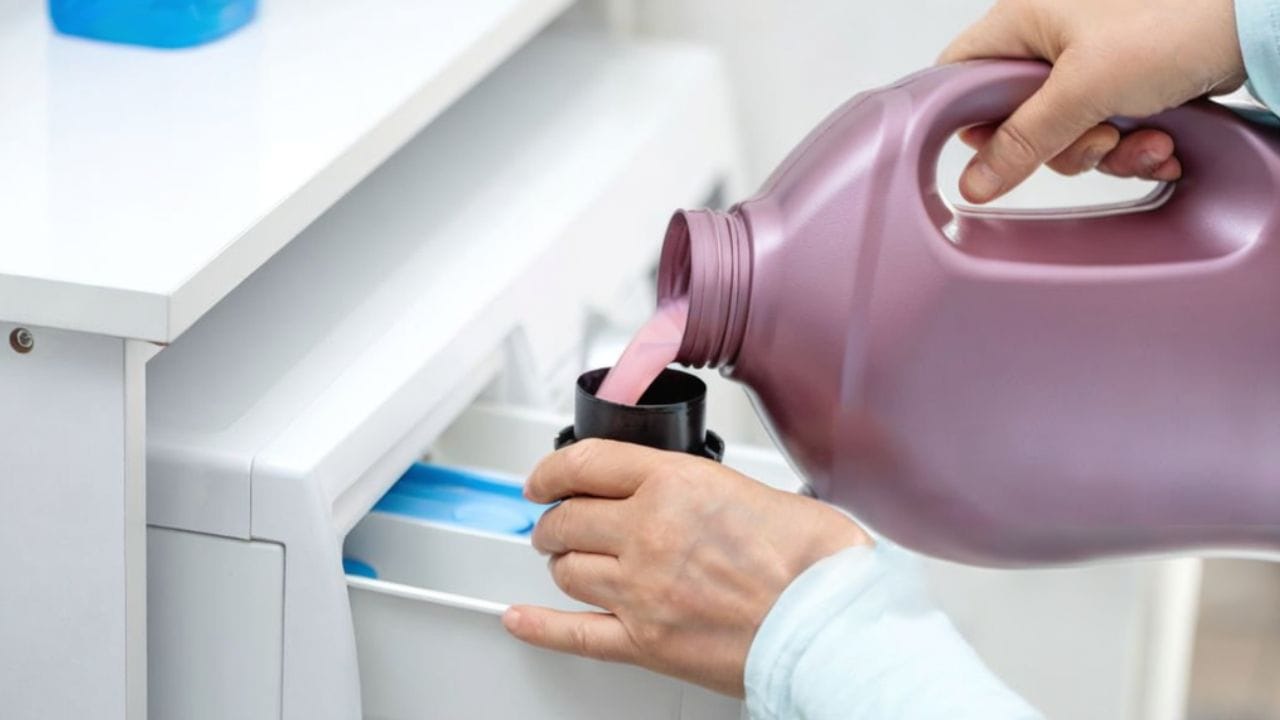
Fabric softener might make clothes feel nice, but it's bad news for denim. It leaves a coating that traps dirt, weakens fibers, and breaks down stretch materials. Over time, it also makes jeans lose that crisp denim feel.
If you want softer jeans, add a half cup of white vinegar to the rinse cycle instead. It softens fabric naturally and helps remove leftover detergent without damaging the fibers.
Skipping spot treatment
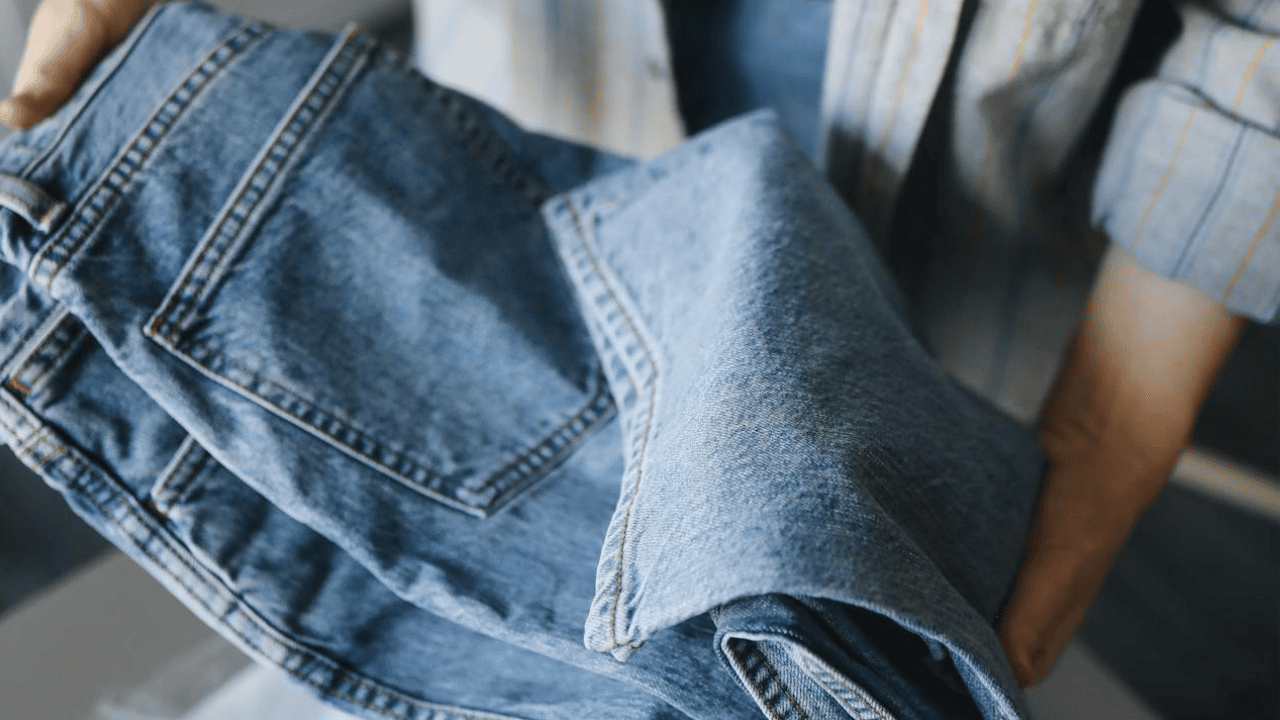
A small stain doesn't mean your jeans need a full wash. Washing the entire pair for one spot exposes them to unnecessary wear. Plus, stains often come out easier when you treat them right away.
Use a mild soap or denim-safe stain remover on the area and rinse with cold water. Taking the time to spot-clean keeps your jeans stronger, cleaner, and lasting years longer.
*This article was developed with AI-powered tools and has been carefully reviewed by our editors.






Leave a Reply