
10 laundry habits that save me $25 a month
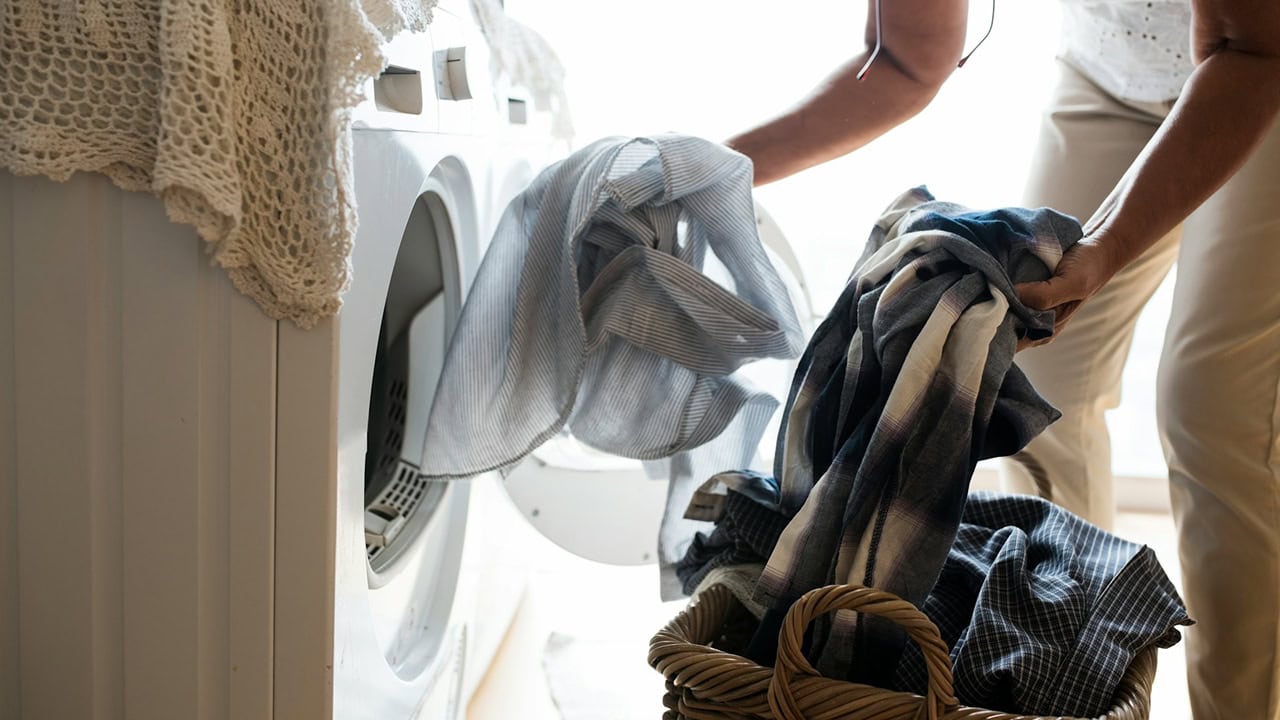
Laundry might seem like one of those things that just costs what it costs, but it adds up fast if you're not paying attention. Between water, electricity, detergent, and wear and tear on your machines, small changes can make a real dent in your monthly bill. I started looking for ways to cut back without lowering my standards.
A lot of these habits don't take much effort-but they consistently save me around $25 a month and keep everything running smoother.
Wash Full Loads, Not Half
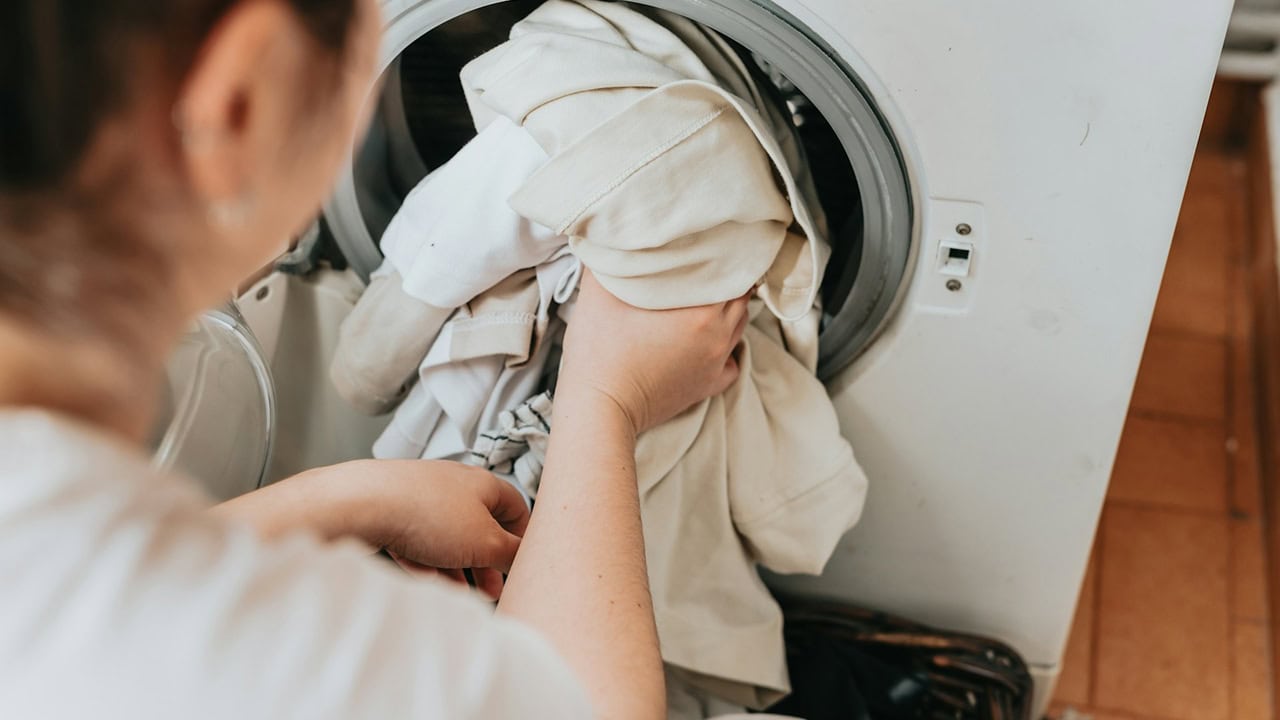
Running half-full loads wastes both water and electricity, even if your washer claims to adjust automatically. It's more efficient to wait until you have a full load before starting a cycle, especially for larger machines. You'll use fewer cycles overall, which means less detergent, less water, and less energy.
If you have a mix of light and dark clothes or fabrics, combine them using cold water and a color-safe detergent. That way you're not stuck waiting to build up two separate piles. One well-packed load is always cheaper than two small ones.
Use Cold Water for Most Loads
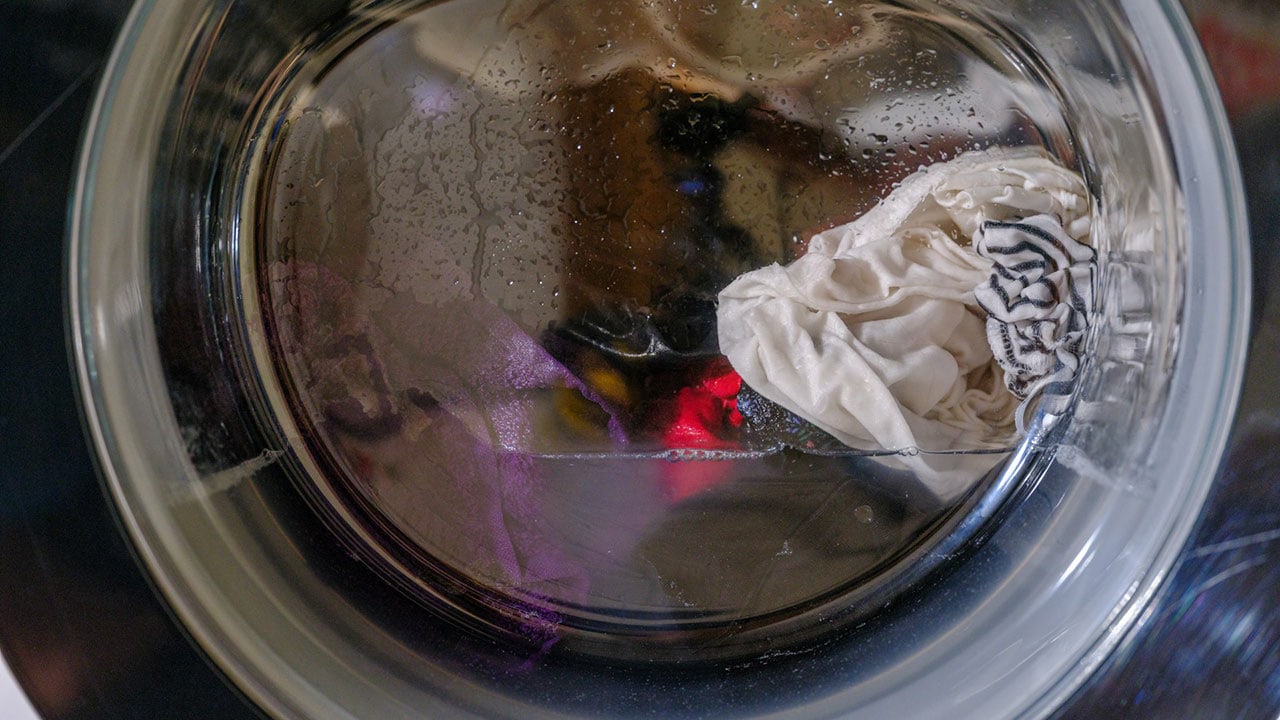
Heating water takes up a good chunk of your washer's energy use. Unless you’re dealing with heavily soiled clothes, cold water gets the job done and keeps colors from fading. Most detergents are now made to work well in cold cycles anyway.
Switching to cold water on everything except towels and bedding instantly cut my utility bill. It also helped my clothes last longer since there's less heat damage and shrinkage. It's a tiny change that makes a noticeable difference over time.
Air-Dry When You Can
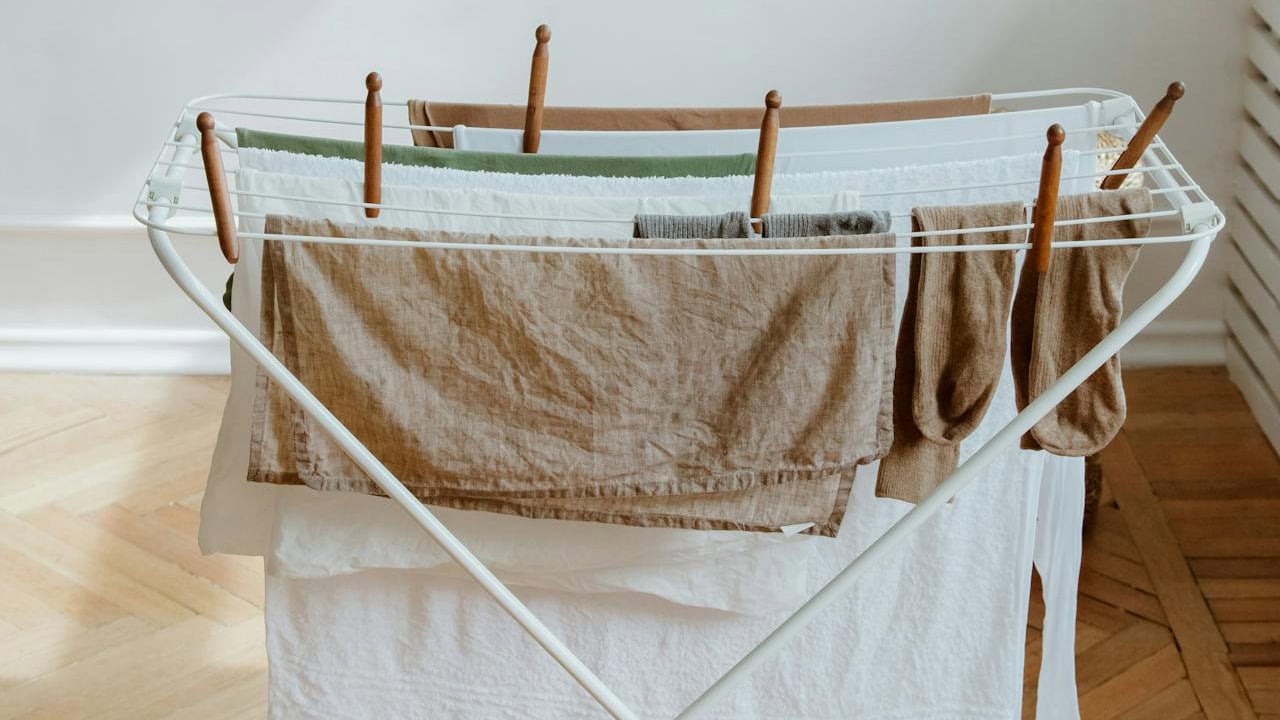
The dryer is one of the most expensive appliances to run. Hanging clothes to dry-even just a few loads a week-makes a noticeable difference in energy costs. I started line-drying items like T-shirts, leggings, and workout gear that don't really need the dryer.
You don't need a fancy setup either. A basic drying rack or a clean spot on the porch gets the job done. Less dryer use also means less lint buildup, less maintenance, and longer-lasting clothes.
Stop Overusing Detergent
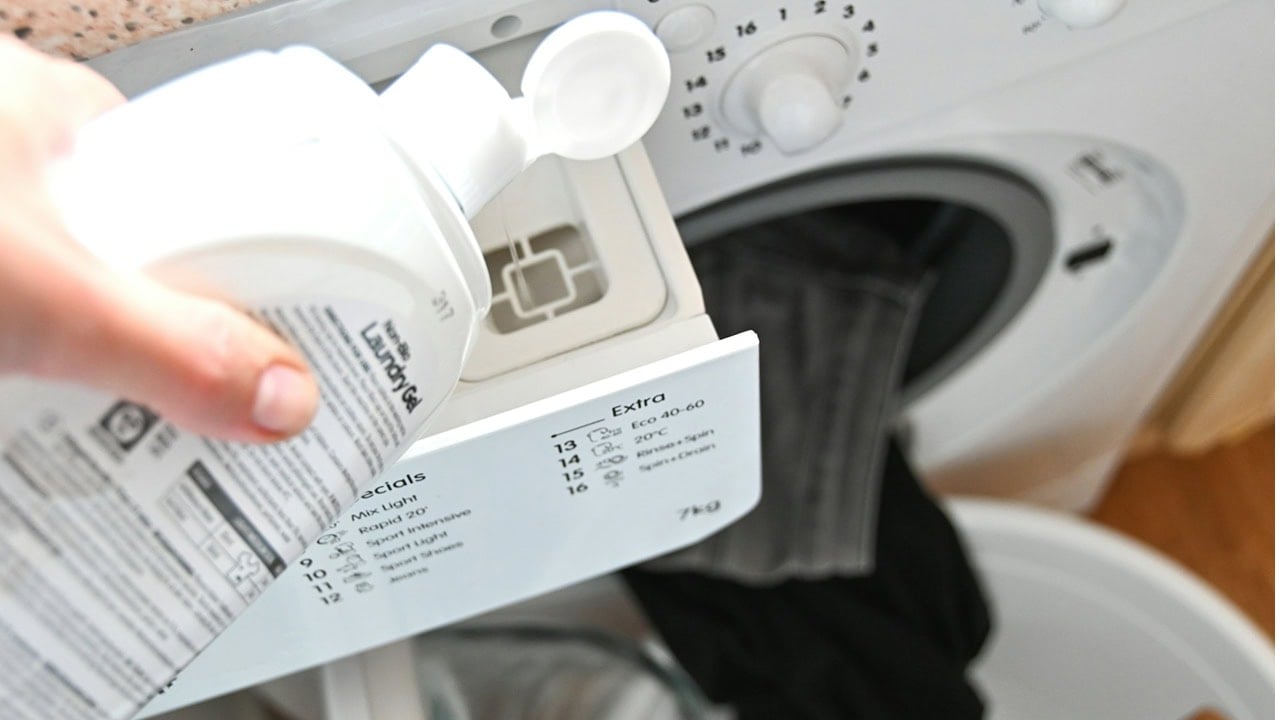
Using too much detergent doesn't get your clothes cleaner. It can actually build up in the fabric and your machine, making everything feel stiff and smell musty over time. Most people use way more than they need-especially with high-efficiency washers.
I started measuring detergent with a scoop instead of eyeballing it. Turns out, I was going through bottles twice as fast for no reason. Using the recommended amount stretched each container way longer and still got everything clean.
Skip the Dryer Sheets
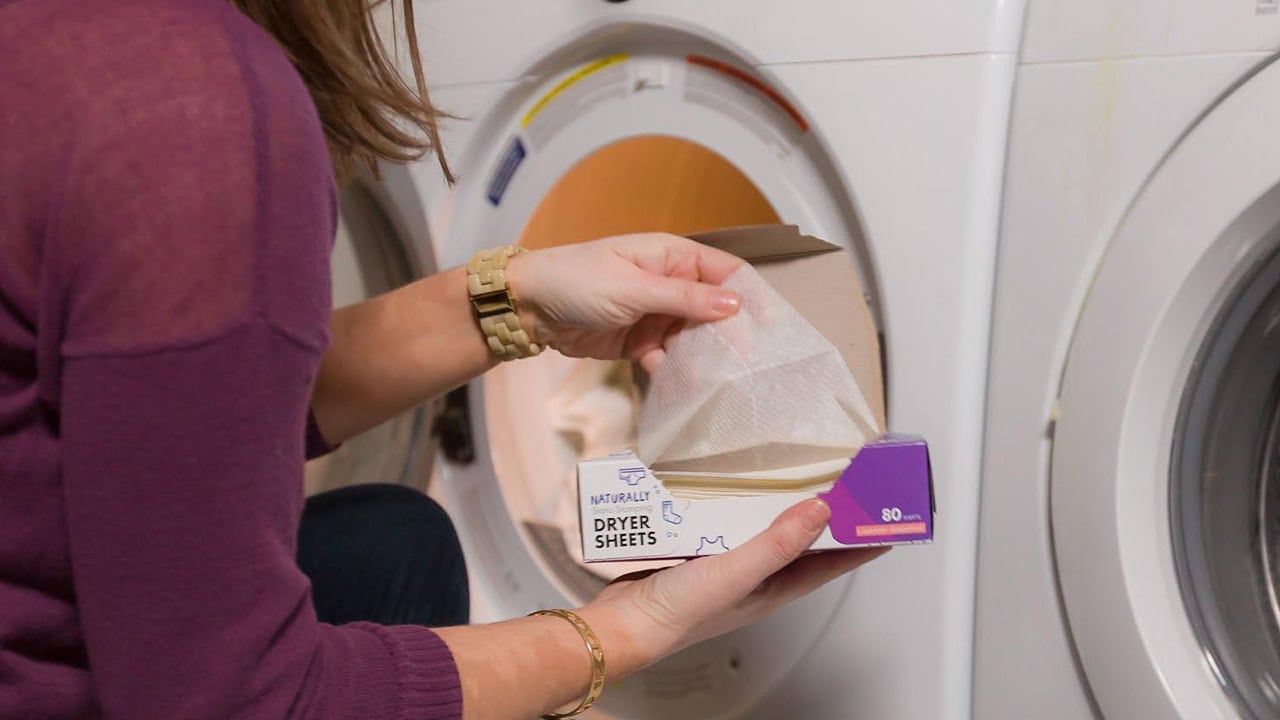
Dryer sheets seem cheap, but they add up and don't do much long-term. I switched to wool dryer balls, and they've lasted me over a year so far. They help with static and cut drying time by keeping clothes from clumping together.
You can even add a few drops of essential oil if you miss the scent. It's a one-time investment that replaces dozens of dryer sheet boxes and keeps waste out of the trash. Cheaper, cleaner, and less wasteful.
Wash Clothes Less Often
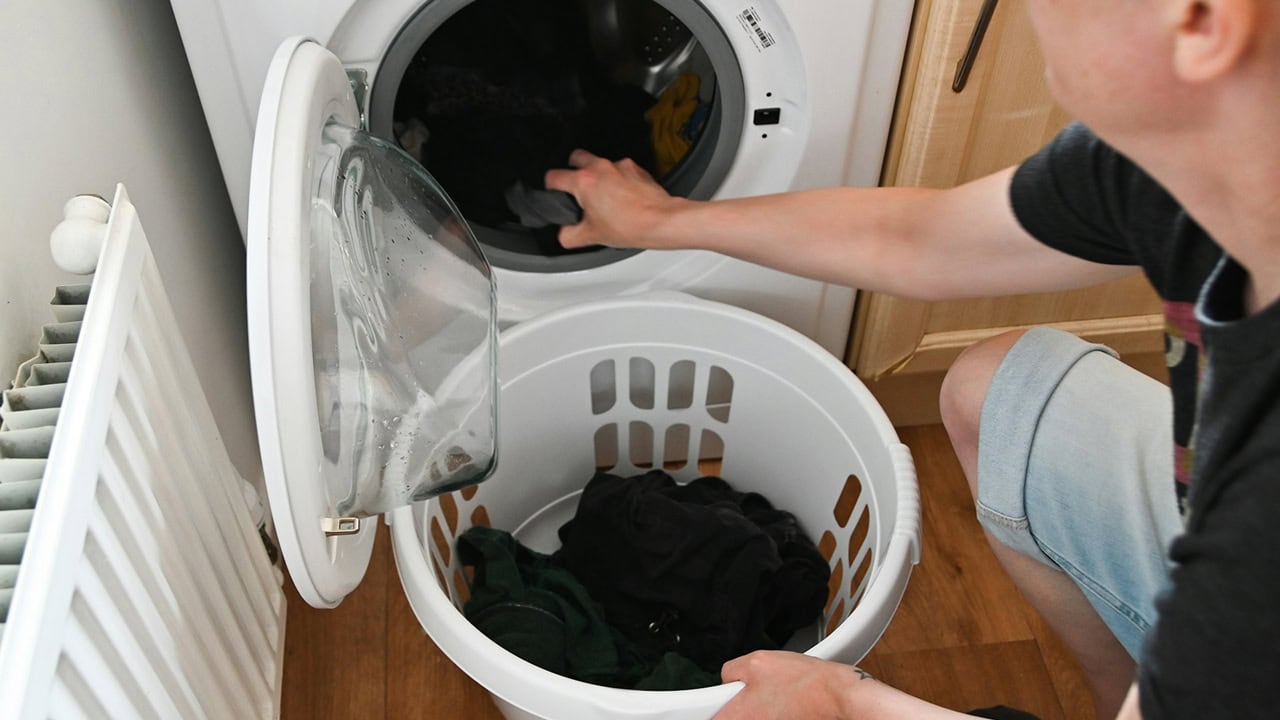
Not everything needs to go in the wash after one wear. Jeans, pajamas, sweatshirts, and even lightly worn T-shirts can usually handle a second round. The more often you wash something, the faster it wears out-and the more cycles you’re paying for.
Being more selective about what actually needs washing helped cut laundry loads almost in half. That means less water, less detergent, and less time spent folding. It's better for your clothes and your budget.
Clean the Lint Trap Every Time
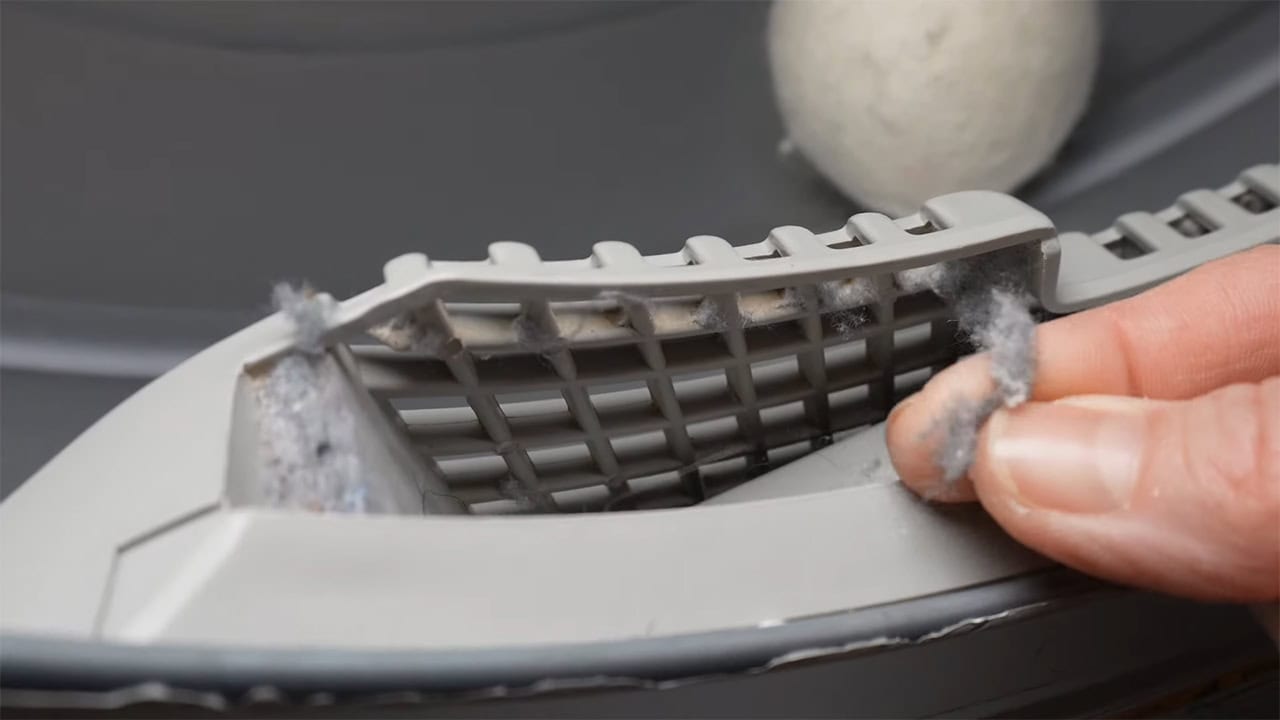
A clogged lint trap makes your dryer work harder and run longer. I got into the habit of cleaning it after every single load, and it made a difference in drying time almost immediately. A faster dryer means less electricity used per load.
If you're skipping this step or doing it every few cycles, you're throwing money away. It only takes a few seconds and helps your dryer work like it's supposed to.
Use Shorter Wash Cycles
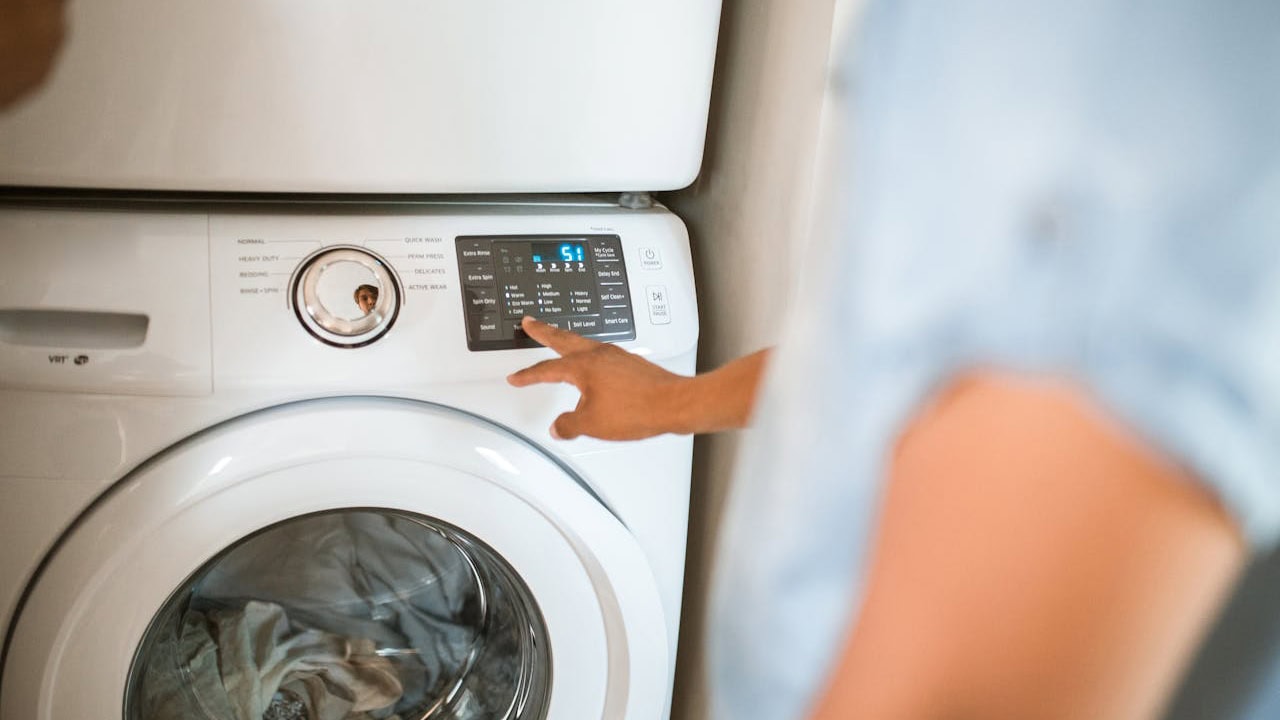
Most loads don't need a full-length heavy-duty cycle. I started using the quick wash setting for lightly worn clothes, and they came out just as clean. Shorter cycles use less water and electricity and still get the job done.
Unless you're washing towels or something extra grimy, there's no need to run a 60-minute cycle. I timed it, and quick wash loads use about 30% less energy in my machine. Multiply that by how many loads you do a month, and it adds up.
Wash in Off-Peak Hours
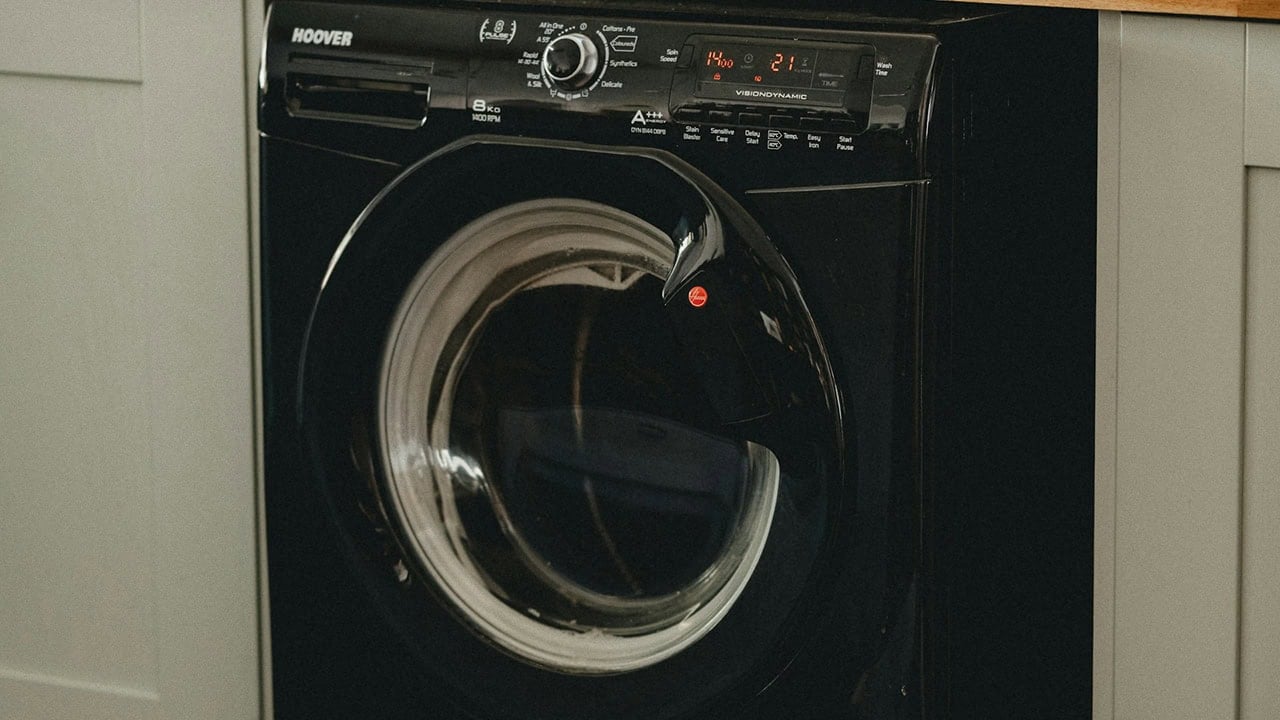
Some power companies charge less during certain times of the day. I started running laundry in the evening when rates are lower, and it helped trim a few bucks off the bill. It's not a huge savings, but it stacks with other habits.
If you're on a time-of-use plan, check when those lower rates kick in and plan accordingly. Even a couple loads during off-peak hours each week make a difference over the course of a month.
Combine Loads Strategically
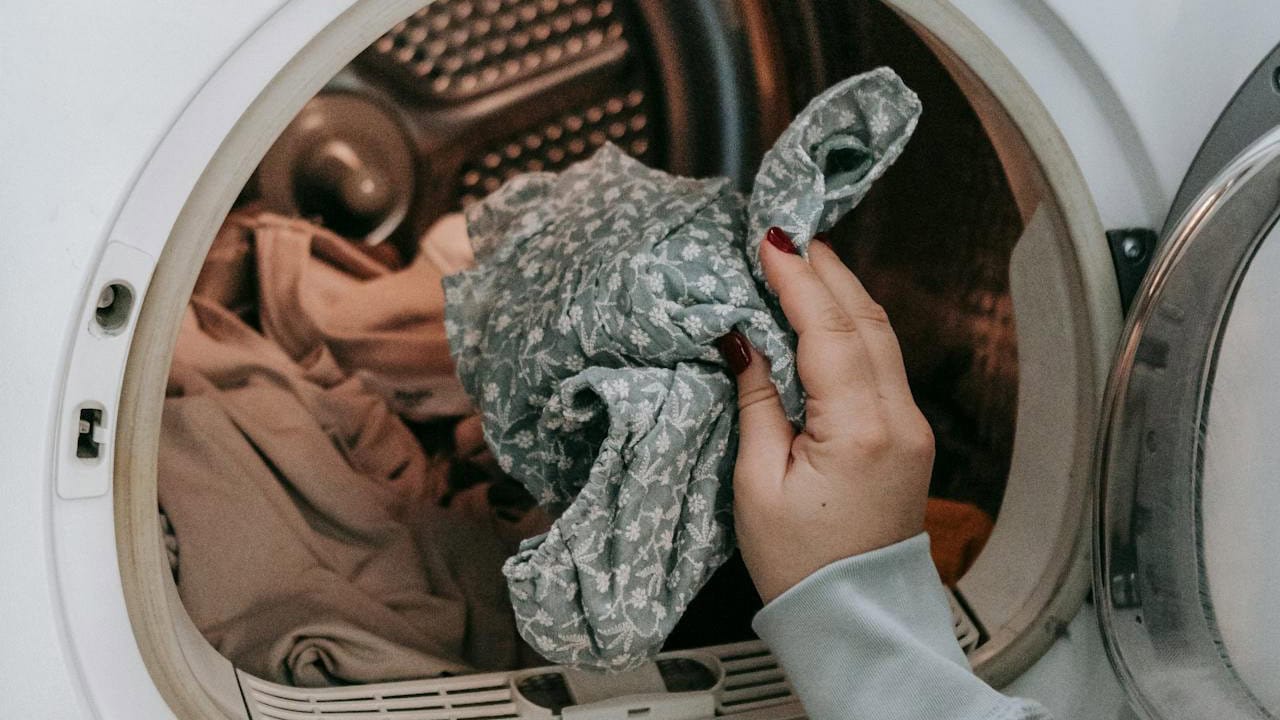
Instead of sorting everything into tiny categories, I started combining more items per load-like towels and gym clothes or darks and socks. As long as the fabrics can handle the same temperature and cycle, it's worth batching them together.
It's easy to get overly picky with laundry, but being a little more flexible cut down how often I ran the washer and dryer. I went from doing laundry four times a week to twice, and my electric bill-and water bill-dropped with it.
*This article was developed with AI-powered tools and has been carefully reviewed by our editors.






Leave a Reply