
Buying used isn't about being cheap-it's about paying for quality once and letting someone else take the "brand-new" markup. Some categories hold up so well that new makes less sense than a clean, secondhand find.
When you know what to look for, thrifting stops feeling like a gamble and starts feeling like smart shopping.
Why "thrift first" works for the right items
Certain materials age gracefully. Solid wood, glass, cast iron, and real metal hardware usually outlast their modern budget counterparts by decades. When these pieces show up secondhand, you're getting time-tested durability at a fraction of the price.
The other win is selection. Stores rotate trends every quarter. Secondhand is a time capsule. You can match the scale, style, and function you actually need instead of forcing a brand-new piece to work.
Upgrade kitchen basics without the markup
Cast iron, glass bakeware, stainless mixing bowls, and wooden spoons turn up constantly. Scan for cracks in glass, avoid warped pans, and grab lids when you find them. These are the workhorses you'll reach for every day.
Skip nonstick unless it's pristine and recent. Coatings wear out and aren't worth a maybe. Lean on materials that can be cleaned up and re-seasoned.
Start with solid wood furniture
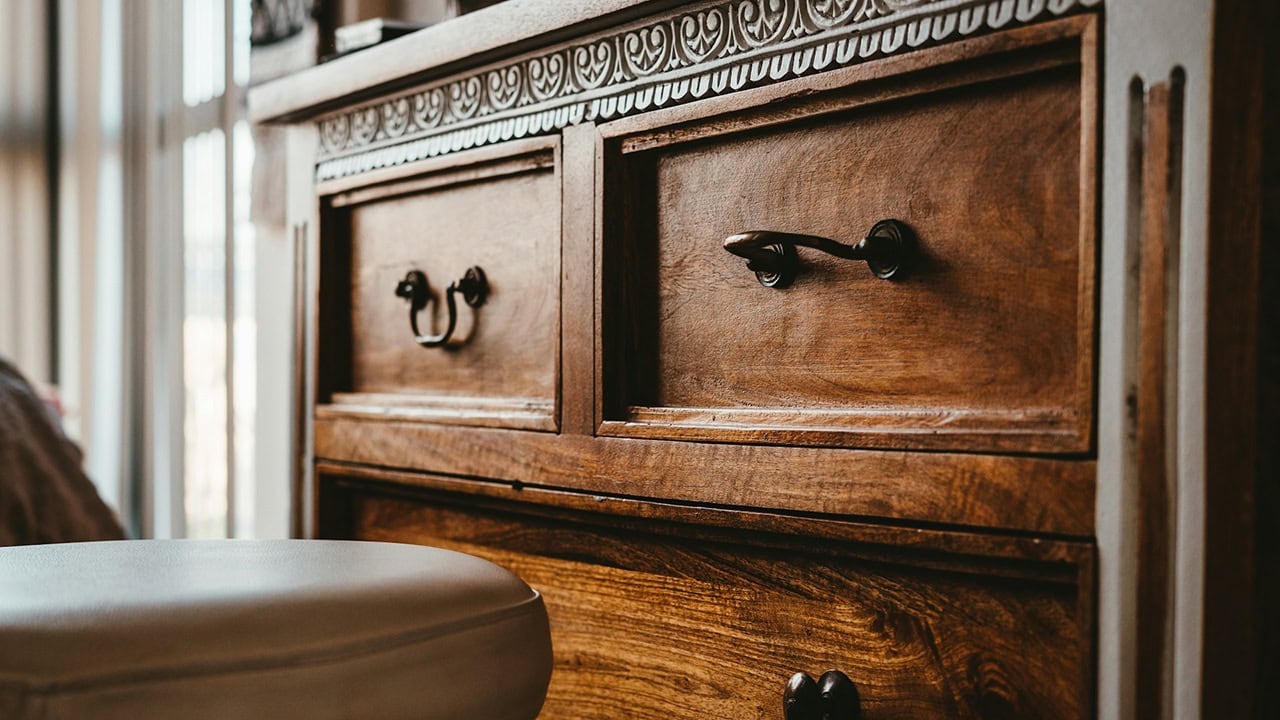
Nightstands, dressers, side tables-older pieces are often made from actual wood, not a veneer over particleboard. Check drawers for dovetail joints and feel the weight. If it's sturdy after twenty years, it'll be sturdy after twenty more.
Cosmetic fixes are easy. A light sand, new pulls, and furniture wax will carry most finds. Save paint for damaged finishes or pieces that truly need a color change.
Hunt lighting you can actually fix
Lamps are a thrift goldmine. Focus on the base-ceramic, brass, wood. The shade is replaceable and the socket is a $10 part. A solid base with a new linen drum shade looks high-end for pocket change.
Floor lamps need a sturdiness test. If the base wobbles, pass. If it stands straight and the cord isn't brittle, you've likely got a winner.
Choose frames and mirrors by material, not art
Ignore the print. Look at the frame and the glass. Real wood frames and bevel-edged mirrors hold their value. You can swap the art later or paint the frame to match your room.
Large frames are the biggest savings. A 24×36 new frame is pricey. Secondhand, it's often the cost of a latte.
Tackle outdoor furniture that can take a beating
Metal bistro sets, teak benches, and resin wicker often need cleaning more than replacing. Check for rust you can sand and paint, and make sure the structure is sound.
Cushions are replaceable. Measure the seat and back before you buy, then grab new covers that fit your palette at home.
Organizing bins and baskets that actually last
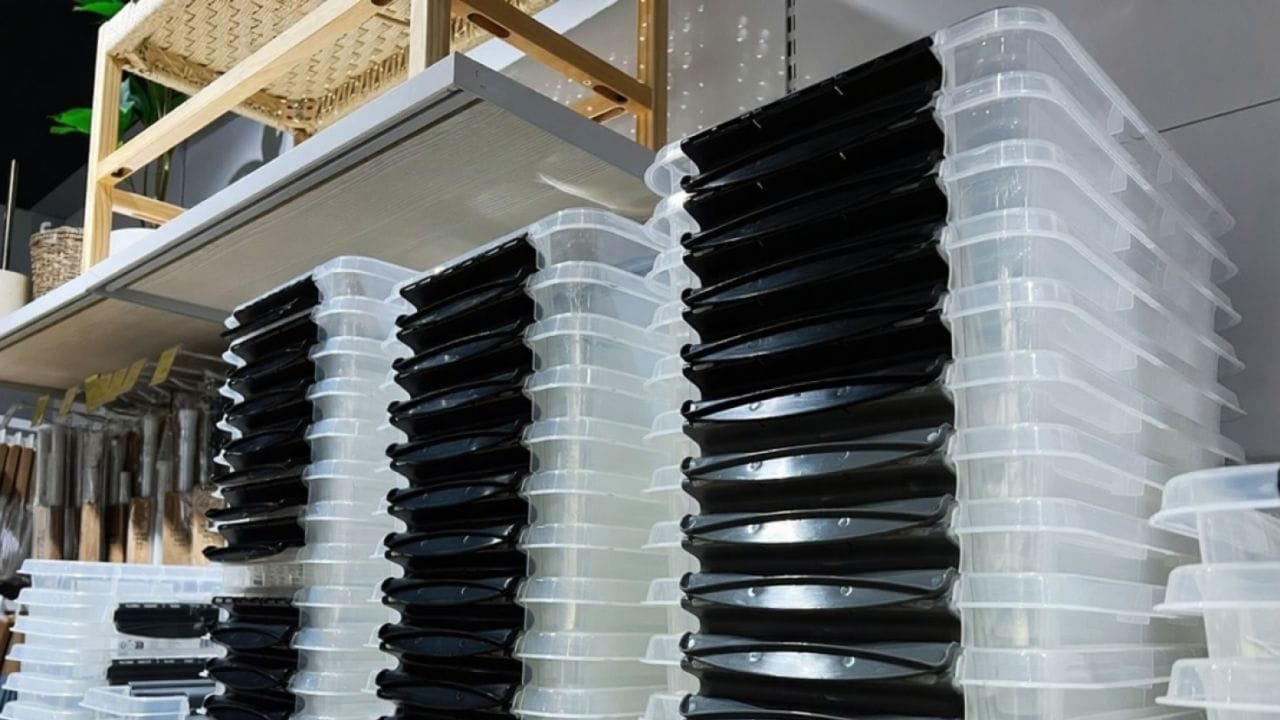
Wire baskets, enamel bins, and woven hampers pop up everywhere. Skip anything musty or broken and pick pieces with sturdy handles. These look better than plastic and survive years of rearranging.
Measure your shelves before shopping. A quick note on your phone helps you choose bins that truly fit instead of "almost."
Rugs and textiles with a sanity check
Wool rugs clean up better than synthetics. Flip them to inspect the backing and edges. If it lies flat and smells normal, you can wash or professional-clean and still beat retail by a mile.
For blankets and quilts, check seams and give them a shake. If fibers shed heavily or the weave is thin, keep walking.
Kids' gear you can wipe and roll
Wood puzzles, blocks, book sets, and ride-on toys do great secondhand. Hard plastics sanitize easily; wood gets a quick vinegar wipe and sun time.
Skip anything that relies on a battery pack you can't replace. If it needs a special charger and you don't see it, the value drops fast.
Seasonal décor that doesn't feel dated
Classic wreaths, brass candlesticks, glass ornaments, and neutral table linens age well. Focus on shape and material over trends. Simple pieces blend with your current style without shouting last decade.
Create a thrift list for the year-spring planters, fall urns, winter candlesticks-so you grab what you'll actually use and avoid closet clutter.
The thrift-first rule that keeps you from hoarding
Give yourself a two-week window. If you find a candidate, measure, take a photo, and walk away. If you're still thinking about it and the measurements work, go back.
Thrifting gets addictive. A cooling period keeps your home curated, not crowded-and your budget ahead of the game.
*This article was developed with AI-powered tools and has been carefully reviewed by our editors.






Leave a Reply