

You think you scored a $129-a-night room, and by the time you check out, the total looks closer to $200. A big chunk of that is "junk fees"-resort, destination, and other mandatory add-ons that pile up fast. The FTC's new rule means hotels have to show the full price up front starting in 2025, but it doesn't ban the fees themselves. You're still paying them; you're just seeing them earlier.
Here's what to watch for before you hit "book."
1. Resort and "destination" fees

These are the big ones. Resort or destination fees can run $20-$50+ a night and supposedly cover things like Wi-Fi, pool access, gym use, or "local discounts." In cities like Vegas, they're practically standard.
Even with the FTC rule forcing hotels to show them earlier, they're still real money. Always compare total nightly price (room + fees + taxes), not just the cute base rate.
2. Parking charges
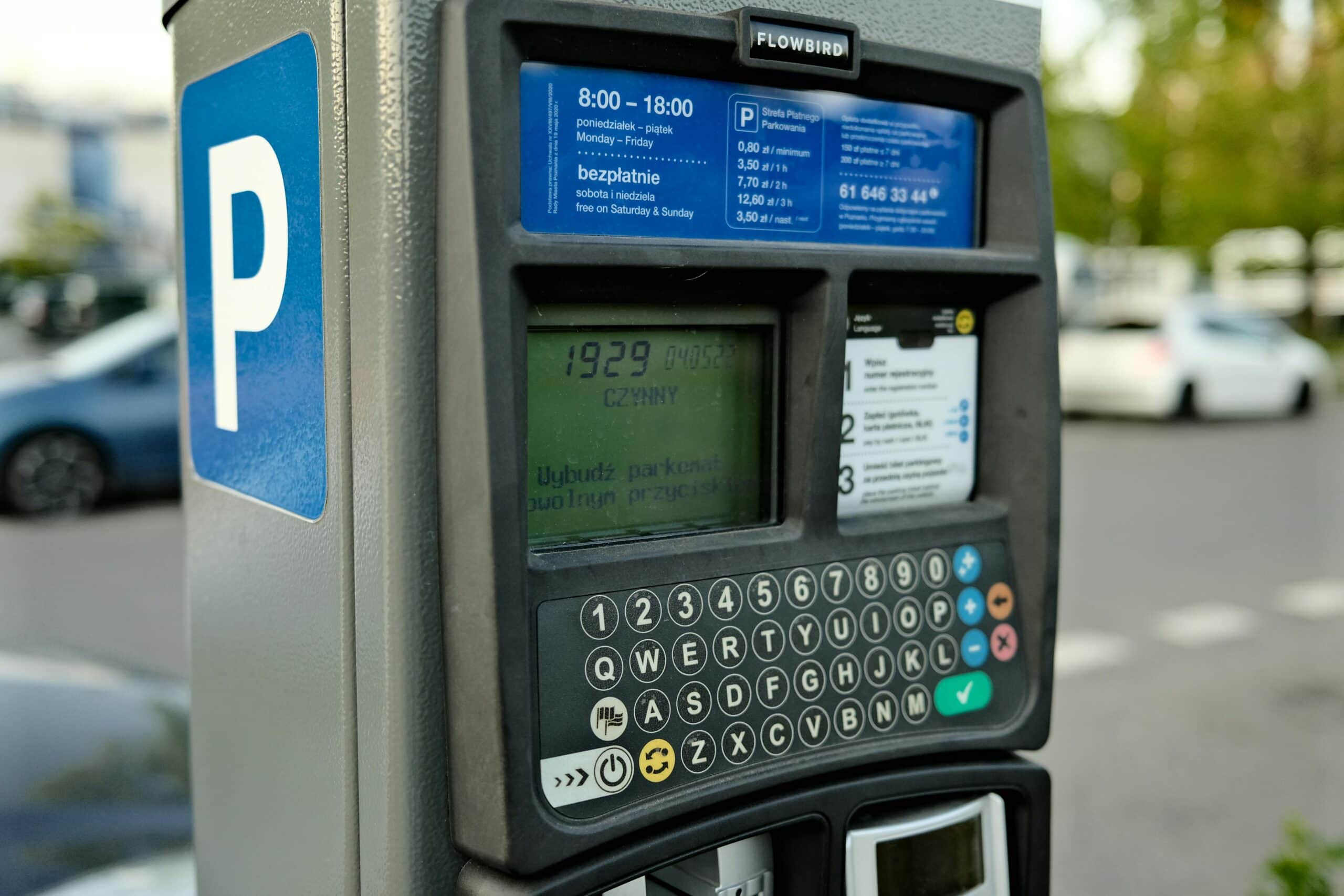
You'd think parking in their own lot would be included. A lot of places now charge $20-$50 a night for self-parking and even more for valet.
If you're driving, that's its own line item in your budget. Sometimes it's cheaper to stay slightly farther out with free parking and Uber in once or twice.
3. Wi-Fi that should have been included

Charging $15-$25 a day for decent internet in 2025 is wild, but some higher-end hotels still try. Cheaper chains often give it away; "nicer" ones charge for basic Wi-Fi and push you to pay more for "premium."
Check the amenities list before you book. If Wi-Fi isn't clearly listed as free, assume there's a catch.
4. Mandatory "amenity" or "facility" fees

Some properties bundle a bunch of stuff-coffee, gym, "business center access," lounge chairs-into an amenity fee. It sounds small until you realize it's per night and non-optional.
Ask yourself if you'll actually use what you're paying for. If not, a simpler hotel with fewer bells and whistles might be the smarter choice.
5. Early check-in and late checkout

Arrive a little early or need an extra hour? Many hotels now charge $25-$75 for early check-in/late checkout, especially in busy seasons.
If you're flexible, plan around the standard times. If not, add those charges to your mental nightly rate before deciding what's really "cheapest."
6. Housekeeping and linen fees

Some hotels quietly add "housekeeping" or "linen" fees, especially on longer stays or vacation-rental style places. You might pay extra for mid-stay cleaning or linens that used to be standard.
If you're fine making your own bed and reusing towels, make sure you're not paying a premium for daily service you don't actually need.
7. Mini-bar and in-room snack markups

The mini-bar has always been overpriced, but now some hotels charge "restocking fees" or use sensors that bill you as soon as something moves.
Rule of thumb: pretend the mini-bar doesn't exist. Toss snacks and drinks in a small soft cooler and skip the $7 water bottle.
8. Package receiving and storage

If you ship items ahead (Amazon, luggage shipping, conference materials), expect some hotels to tack on per-package receiving or storage fees.
If you're sending things to yourself, call ahead and ask: "What do you charge per package?" Decide if it's still worth it.
9. Mandatory service charges in hotel restaurants

That 18-22% "service charge" at the hotel restaurant or rooftop bar isn't always obvious until the check shows up. It may or may not go directly to your server-and then there's still a tip line, which is how people end up tipping twice.
Check your bill before you add anything. If it already includes a service charge, you're not required to tip again unless you really want to.
10. "Dynamic" pricing on everything else

On top of the listed fees, hotels are riding the same wave as the rest of travel-higher base prices, especially in peak seasons. Some 2024-2025 travel reports show average trip costs hitting record highs, especially in summer and at resort destinations.
Ignore the first number you see in the search results. Use the "total before you pay" screen as your real comparison point, or you'll spend your whole trip mad at the bill.
*This article was developed with AI-powered tools and has been carefully reviewed by our editors.






Leave a Reply