
10 home habits that raised my electric bill without me knowing

Electric bills have a way of sneaking up on you, and sometimes the biggest money drains aren't the obvious ones. It's not always blasting the AC or leaving lights on-it's the little daily habits that add up.
The truth is, you could be raising your electric bill without even realizing it. Once you know what's causing the hidden spike, it's a lot easier to cut back and keep more money in your pocket.
Leaving Chargers Plugged In All the Time
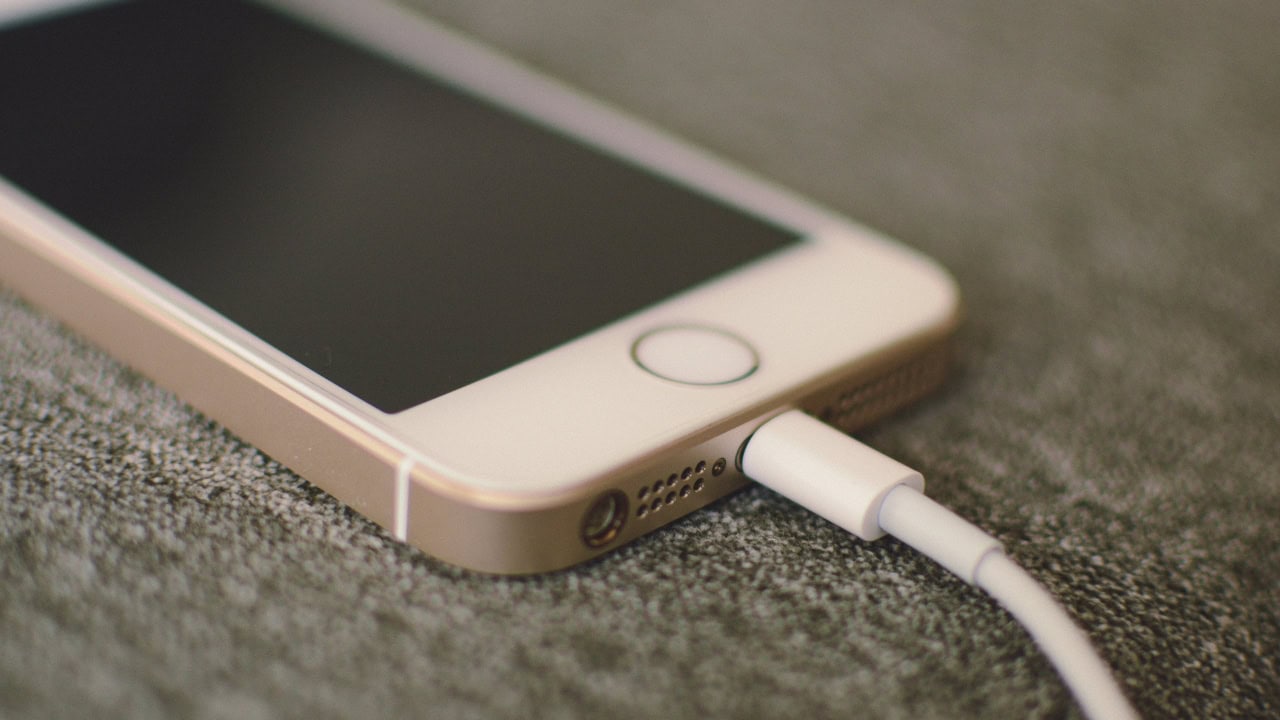
Phone chargers, laptop cords, and other small devices pull energy even when they're not actively charging. It might seem like nothing, but those "energy vampires" slowly drive up your bill.
Unplugging them when you're not using them or switching to a power strip that you can turn off makes a real difference. It's one of those small habits that add up over the course of a month.
Running the Dryer for Small Loads
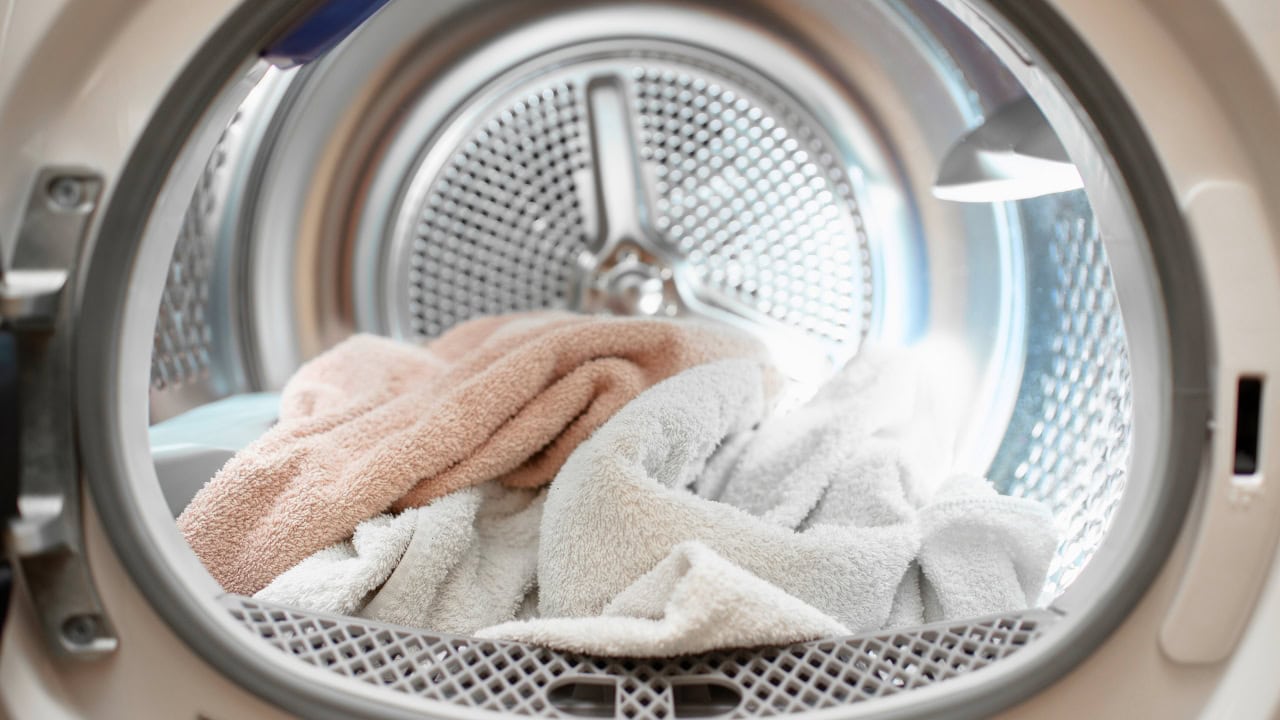
Using the dryer for just a handful of items takes up the same energy as a full load. That means you're paying more to dry less. Over time, this becomes a major expense.
If you wait until you have a full load or hang-dry smaller items, you'll cut down your usage. Even changing this one habit can noticeably lower your monthly bill.
Forgetting to Adjust the Thermostat at Night
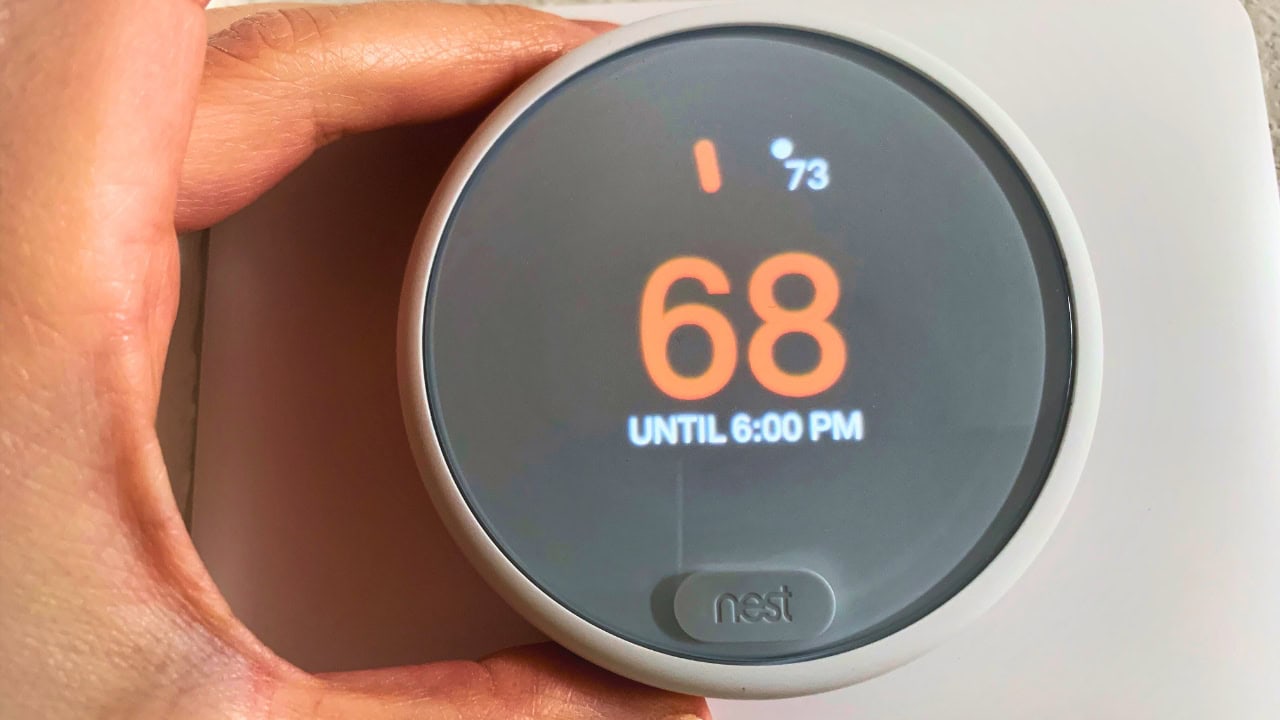
Keeping the thermostat at the same setting 24/7 forces your system to run when it doesn't need to. Nights are usually cooler, but many people forget to adjust it before bed.
By programming a smart thermostat or setting a reminder, you'll reduce unnecessary use. A few degrees can shave off a surprising amount each month without affecting comfort.
Leaving Ceiling Fans On in Empty Rooms

Fans don't actually cool the air-they cool people. When they're left running in empty rooms, all they're doing is wasting electricity.
Turning them off when you leave the room is an easy fix. It's a habit most people don't think about, but it makes a difference on the bill.
Using Old Light Bulbs Instead of LED
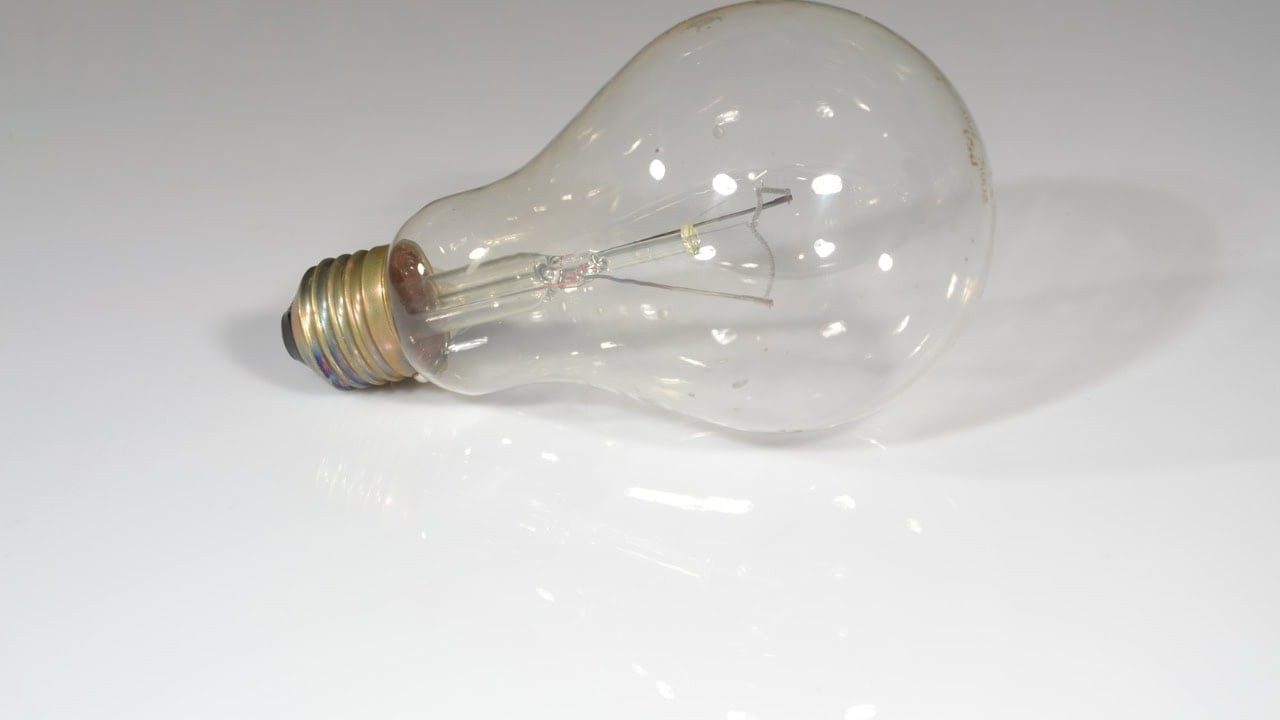
Incandescent or older CFL bulbs use significantly more energy than LEDs. If you still have them in your home, you're paying extra every month without realizing it.
LED bulbs last longer and use a fraction of the power. Swapping them out is an upfront cost, but it pays for itself quickly in savings.
Running Appliances During Peak Hours
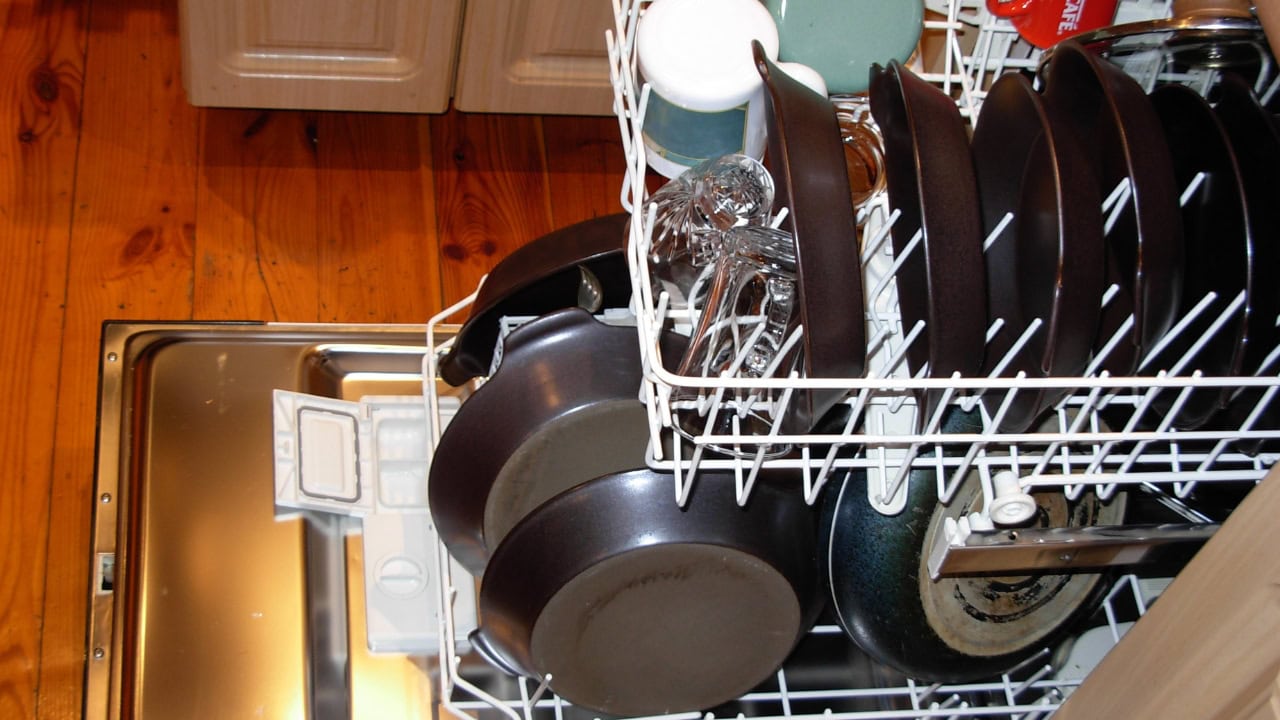
Some power companies charge more during peak hours, usually late afternoon and early evening. Running the dishwasher or laundry then could be adding dollars to your bill.
Shifting those chores to morning or nighttime can save money. It's a small adjustment that doesn't change your routine much but shows up on your statement.
Forgetting to Change Air Filters
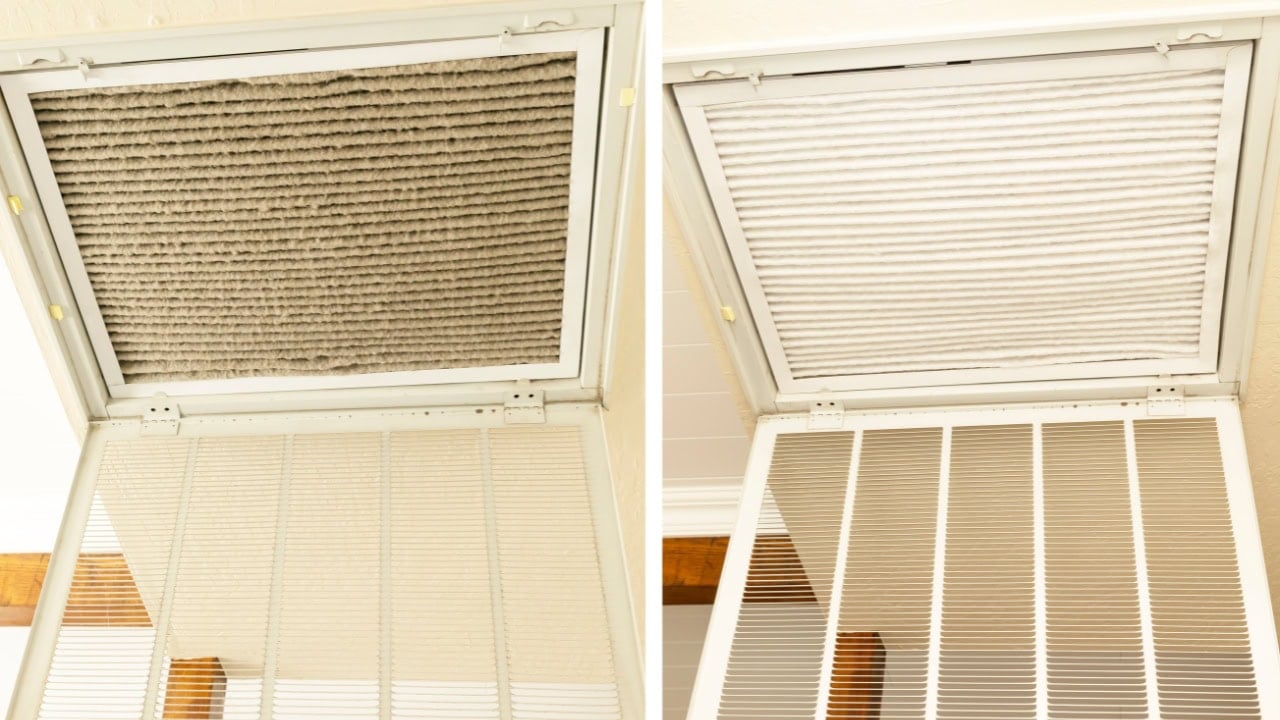
A clogged air filter forces your HVAC system to work harder, which means higher energy use. If you're not replacing filters regularly, you're probably overpaying each month.
Swapping them out every 1-3 months keeps airflow smooth and efficiency high. It's one of the cheapest, easiest ways to reduce your bill.
Keeping the Second Fridge or Freezer Too Cold
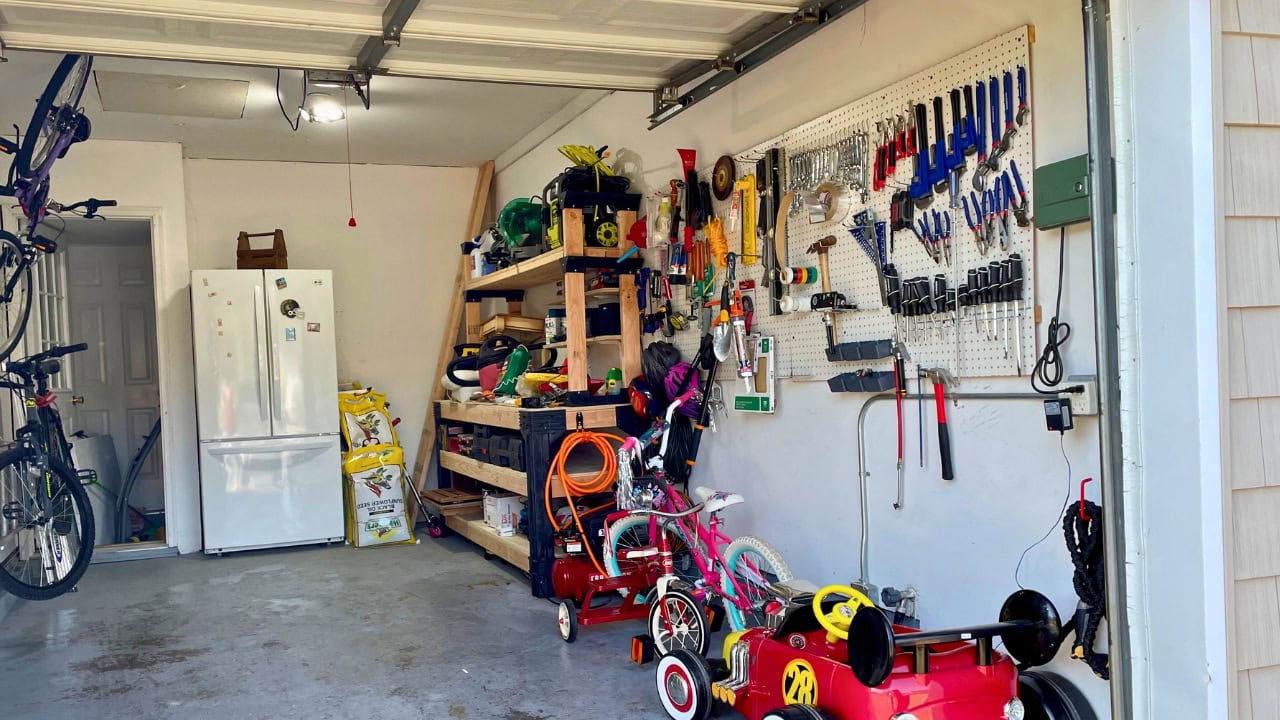
Many households keep an extra fridge or freezer in the garage, but setting it too cold burns through electricity. Old models are especially guilty of this.
Adjusting the temperature to the recommended range helps you save. If the appliance is very old, upgrading to an energy-efficient one can pay off long-term.
Ignoring Drafts Around Windows and Doors
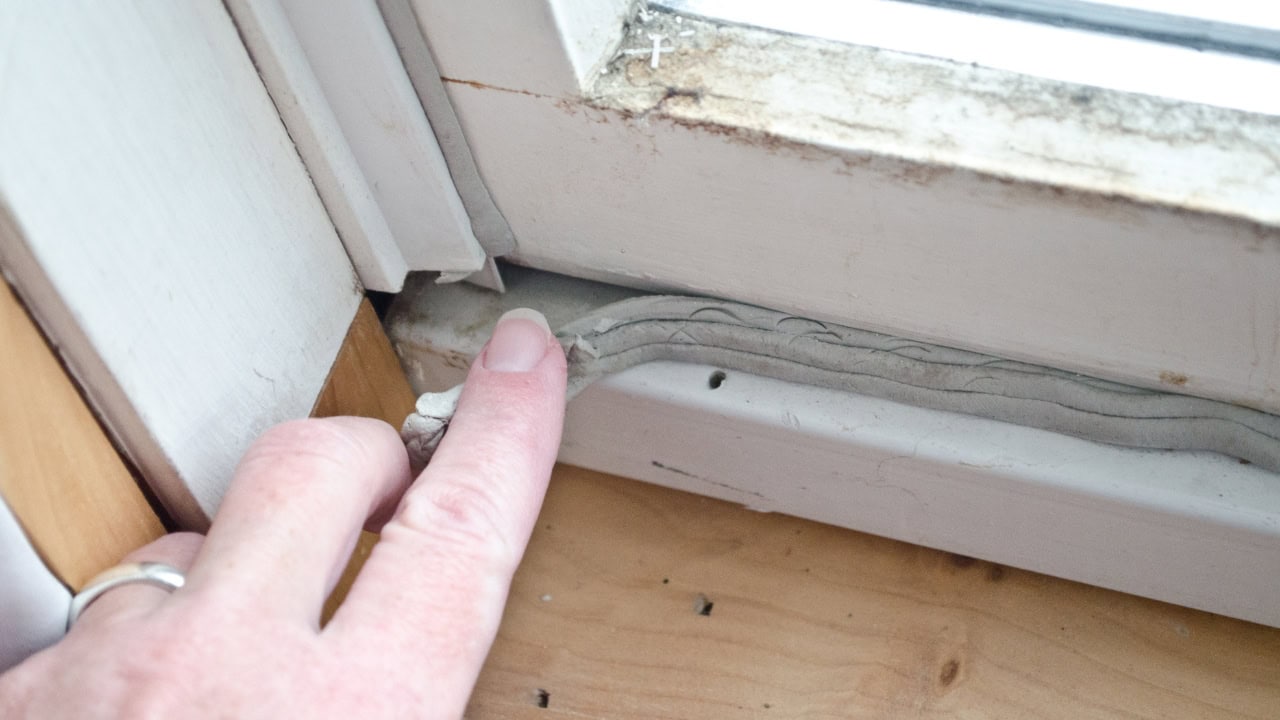
When air leaks around windows or doors, your heating and cooling system has to work harder to maintain the temperature. Even small gaps raise your electric bill.
Adding weatherstripping or sealing cracks keeps the air inside where it belongs. It's an inexpensive fix with an immediate impact.
Running Electronics on Standby Mode
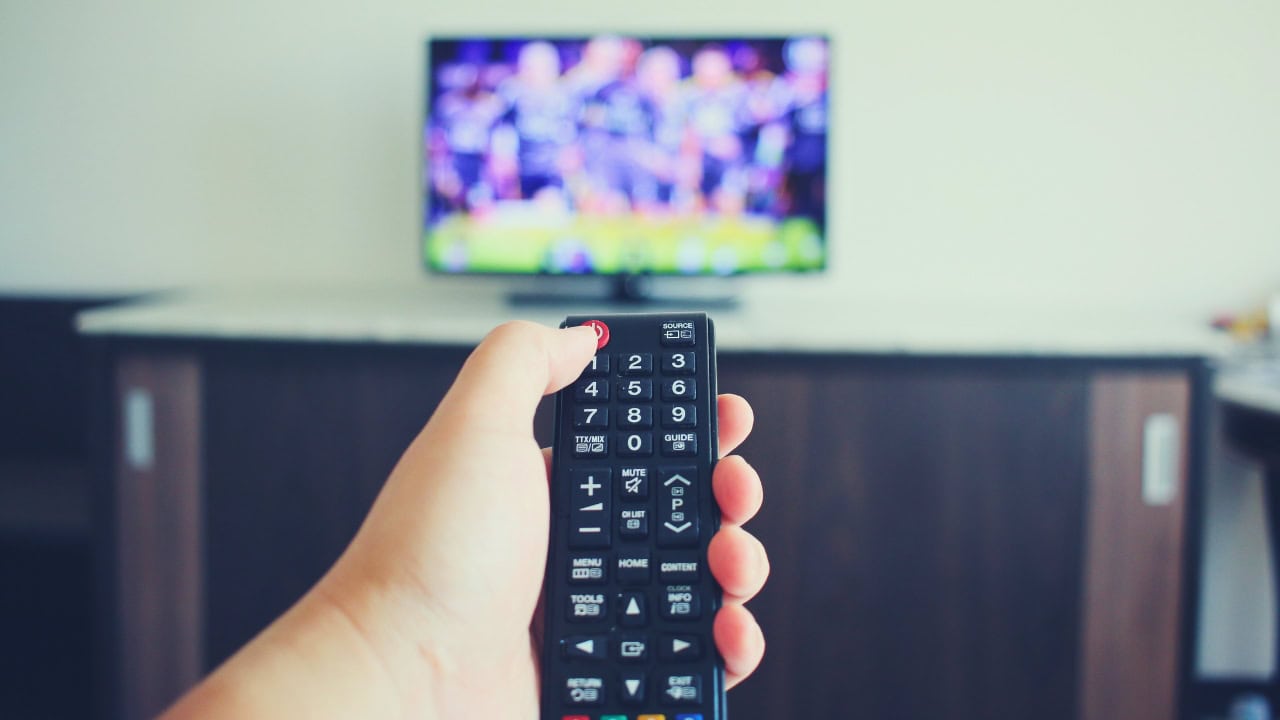
Game consoles, TVs, and even microwaves can draw power while in standby mode. That constant pull adds up throughout the month.
Turning them off completely or using a smart plug cuts off the wasted energy. It's a habit you don't notice until you see the difference in your bill.
*This article was developed with AI-powered tools and has been carefully reviewed by our editors.






Leave a Reply