
10 habits that keep my family on a tight budget
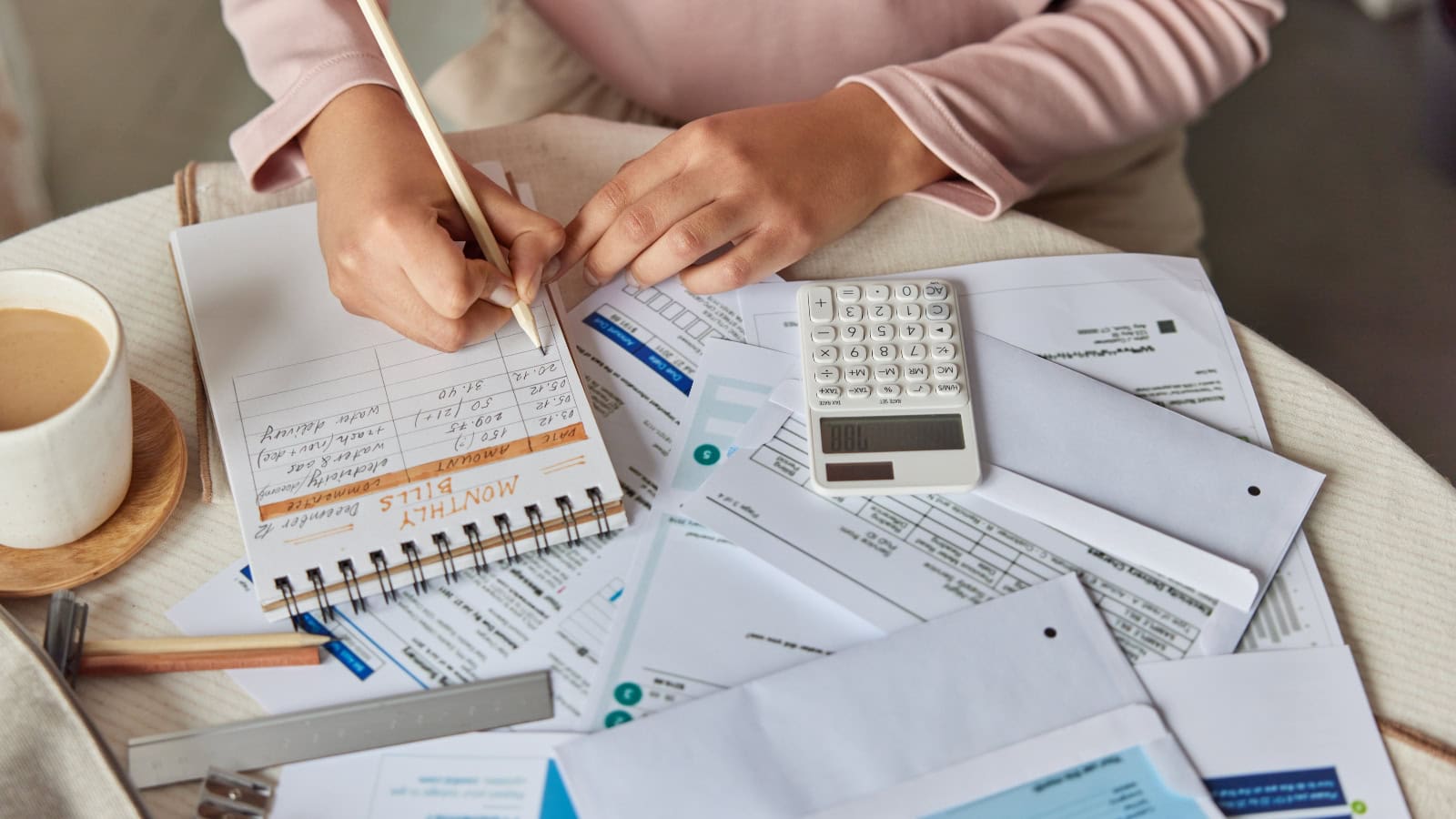
Living on a tight budget doesn't mean going without-it means being intentional with every dollar. Small habits add up and make a big difference in how far your money stretches.
When you build these habits into daily life, they stop feeling like restrictions and start becoming second nature. They keep bills under control, reduce stress, and make sure your family's needs are covered first. Here are ten habits that help keep my family on track with a tight budget.
Meal planning every week
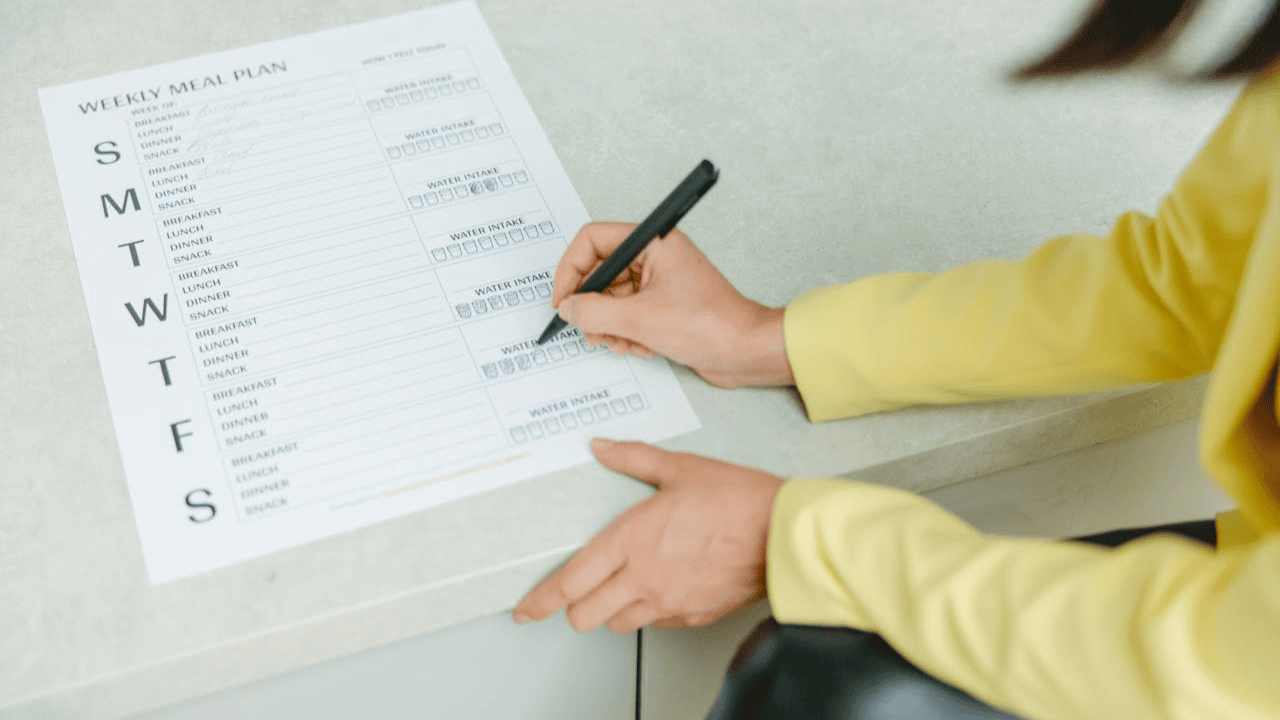
Food is one of the easiest areas to overspend, so planning meals ahead of time keeps grocery costs in check. Writing out what you'll eat for the week helps you buy only what you need.
When you walk into the store with a list, you're less tempted by extras. You also waste less food since everything you buy has a purpose.
Using cash for extras
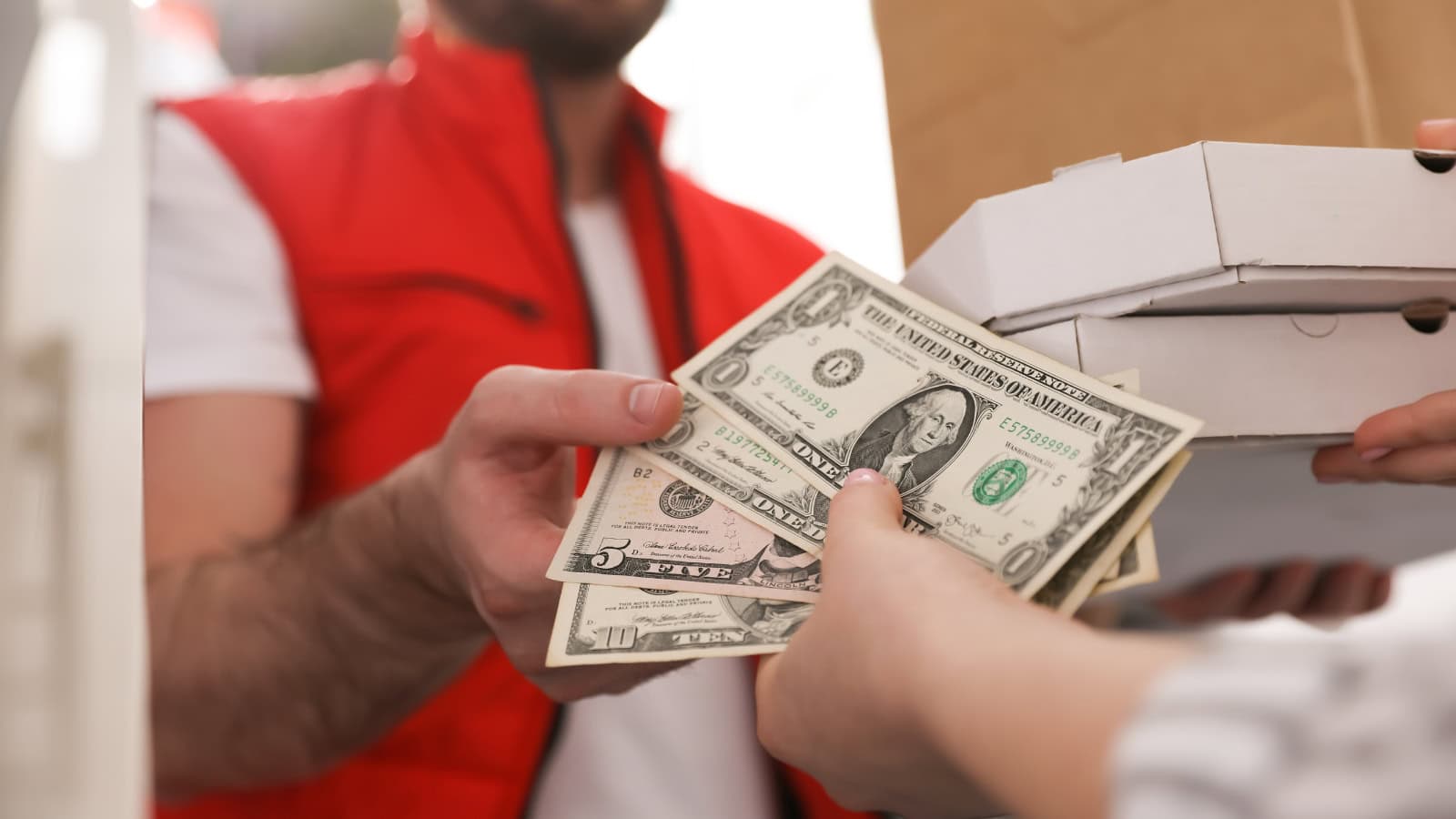
Cards make it easy to overspend without noticing. Switching to cash for extras like eating out, hobbies, or fun purchases sets clear limits.
Once the cash is gone, that's it. This habit keeps your budget intact while still giving you room for small splurges.
Tracking every expense

It's easy to underestimate how much you spend unless you're writing it down. Tracking expenses gives you a clear picture of where your money goes.
This habit helps you catch problem areas before they spiral. You can adjust quickly instead of wondering why your paycheck disappeared.
Buying secondhand first

Before paying retail, check thrift stores, resale apps, or marketplace listings. Many household items hold up well secondhand and cost far less.
This saves money on everything from clothes to furniture. Making secondhand your first stop stretches your budget without sacrificing quality.
Cooking at home

Restaurant meals and takeout add up quickly, even if you only grab them once or twice a week. Cooking at home saves a huge amount over time.
When you make it a habit, you can still enjoy favorites-just at a fraction of the cost. Leftovers also double as easy meals later, which saves even more.
Planning ahead for irregular bills

Big expenses like insurance, school fees, or holiday costs can wreck a budget if you're not prepared. Setting aside a little each payday prevents surprises.
This habit keeps you ready for what's coming up instead of scrambling. It's easier to stay on a tight budget when those bills don't blindside you.
Sticking to a grocery budget

Groceries are one of the most flexible categories, which means they can easily spiral. Setting a strict budget helps you focus on what you need.
You'll learn to prioritize staples over extras and stretch ingredients across multiple meals. Over time, this keeps food costs steady and predictable.
Canceling what you don't use

Subscriptions and memberships are easy to forget about, but they add up every month. Reviewing them regularly frees up money for more important expenses.
This habit stops you from paying for services you don't use. It's a simple way to cut waste and stay on track.
Reusing and repurposing

Instead of replacing items right away, see if they can be repaired, reused, or repurposed. Small changes like this reduce unnecessary spending.
This habit keeps money in your pocket while extending the life of what you already own. It's practical and budget-friendly at the same time.
Saying no to impulse buys

Impulse spending is one of the fastest ways to wreck a budget. Pausing before you buy helps you decide if you really need the item.
Most of the time, the urge passes and you save yourself from wasting money. This habit keeps your budget safe from unnecessary purchases.
*This article was developed with AI-powered tools and has been carefully reviewed by our editors.






Leave a Reply