
10 habits that finally helped me stop living paycheck to paycheck
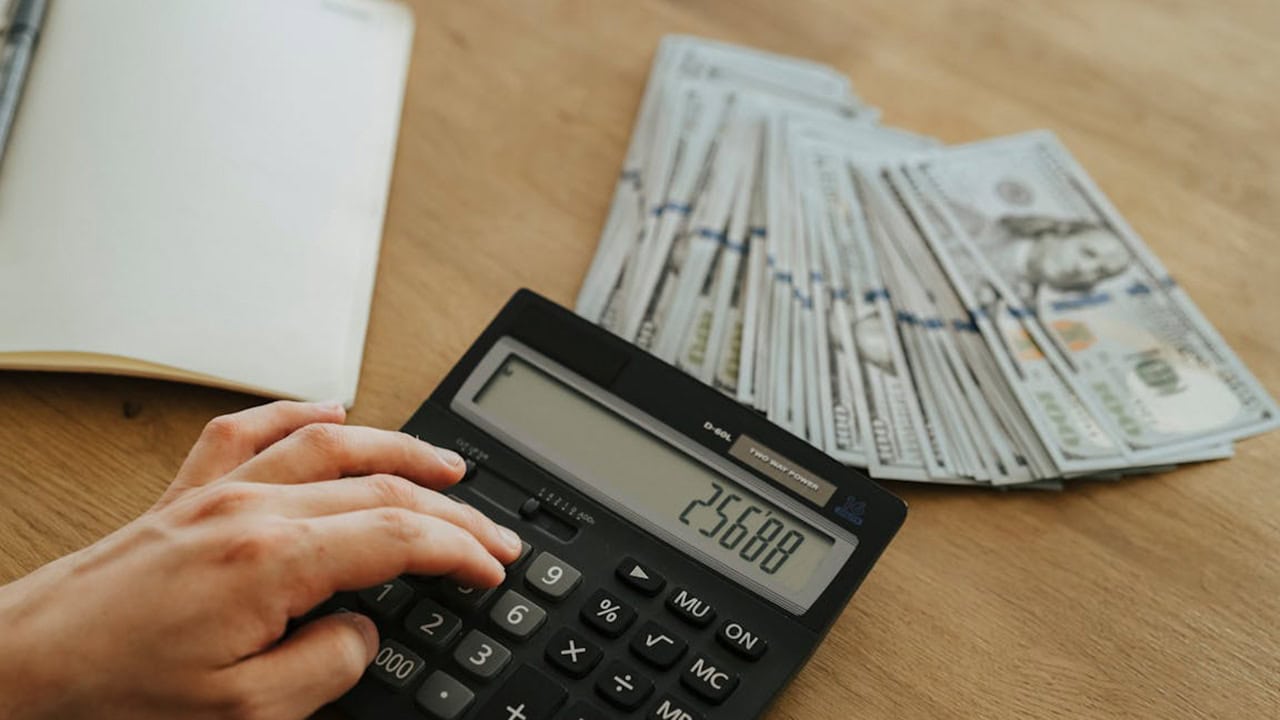
Getting out of the paycheck-to-paycheck cycle doesn't happen overnight, but it's possible when you start shifting your habits. It's not always about earning more-although that helps-it's about getting serious with what you already have.
When you know exactly where your money is going and start making small changes consistently, the gaps between paychecks feel less stressful. These are the money habits that helped me stop holding my breath until payday and actually start getting ahead.
Tracking Every Dollar (Even the Small Ones)
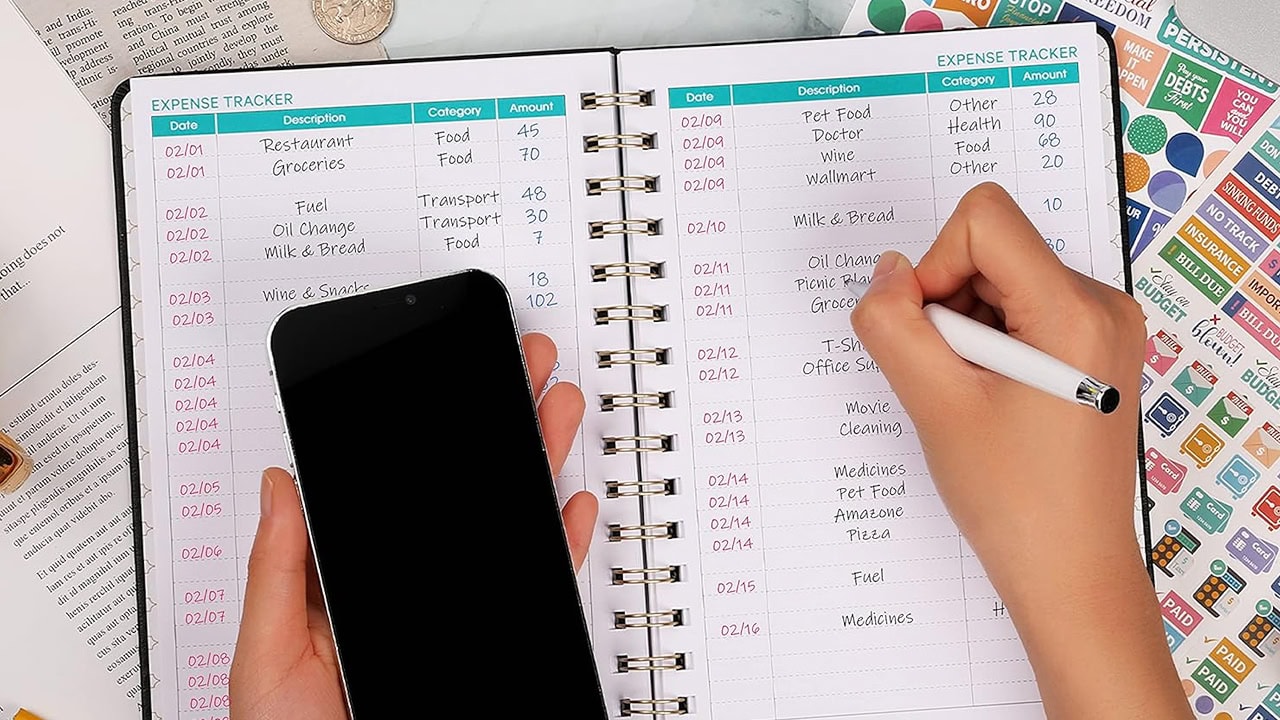
Before anything else, you need to know where your money's going. That $5 coffee or $8 takeout order doesn't seem like a big deal until you add it up over a month. Tracking everything-even the little stuff-gives you a clear picture of what's draining your bank account.
Use whatever method you'll stick with, whether that's a notebook, a spreadsheet, or a budgeting app. The point isn't to be perfect-it's to be aware. Once you see the patterns, you'll know exactly what's worth keeping and what's got to go.
Setting a Bare-Minimum Budget That Still Works

Budgets tend to fall apart when they're too restrictive. You cut everything at once and end up binging later. What worked for me was building a "bare-minimum" budget that covered essentials, made room for one or two small wants, and actually matched real life.
It wasn't fancy, but it gave me structure. I made sure the basics were covered-housing, utilities, food, transportation-and then carved out a little buffer for real-life things like birthday gifts or school expenses. That balance kept it sustainable long term.
Paying Bills the Same Day the Money Hits

One of the easiest ways to get off track is to let money sit in your account without a plan. I started paying my bills the day my paycheck hit-or at least moving money where it needed to go-so I wasn't tempted to spend it elsewhere.
This habit gave me clarity. Once the bills were handled, I could see exactly how much was left for everything else. It took the guesswork out of budgeting and stopped the panic that hit a week later when money was tighter than expected.
Treating Savings Like a Bill
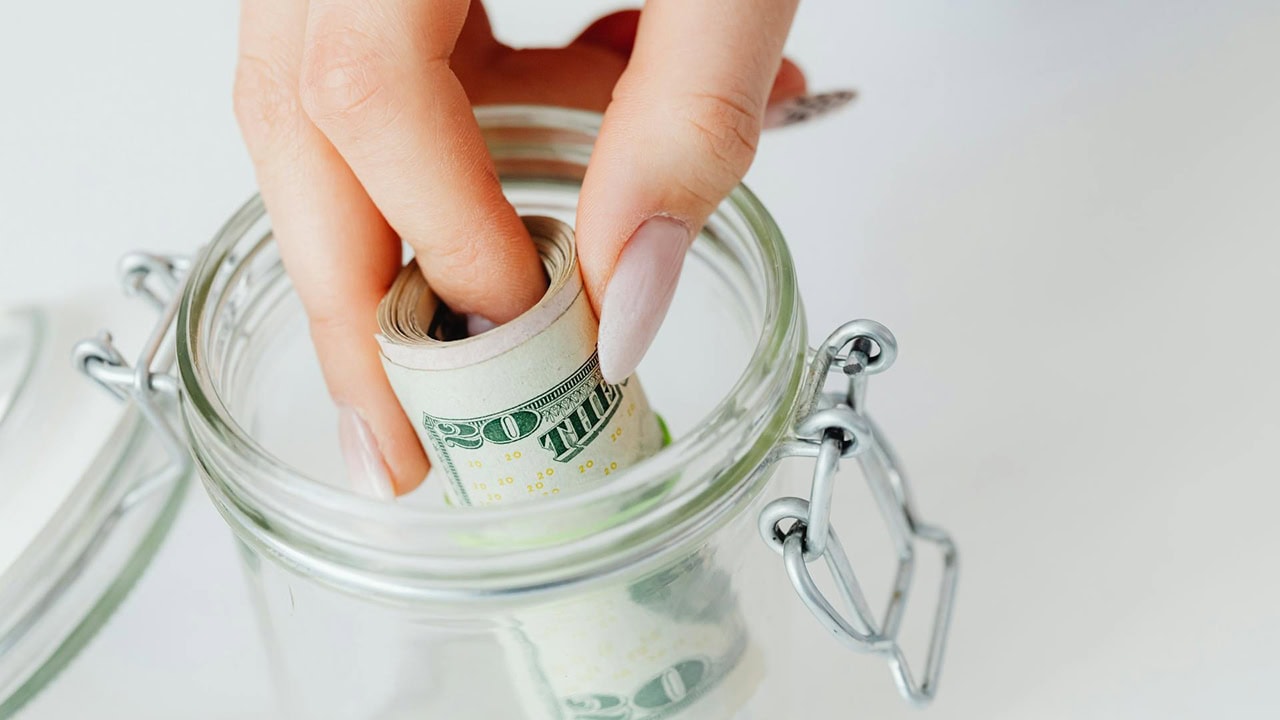
If saving is something you only do "when there's extra," there won't ever be extra. I started treating savings like a fixed bill-non-negotiable, no skipping. Even if it was just $10 some weeks, it added up fast once it became routine.
You don't need a huge amount to start. Automate it if you can. The key is consistency. When it's built into your budget like rent or groceries, it becomes normal-and that's when it starts to work.
Using Cash for the Categories That Always Blew Up
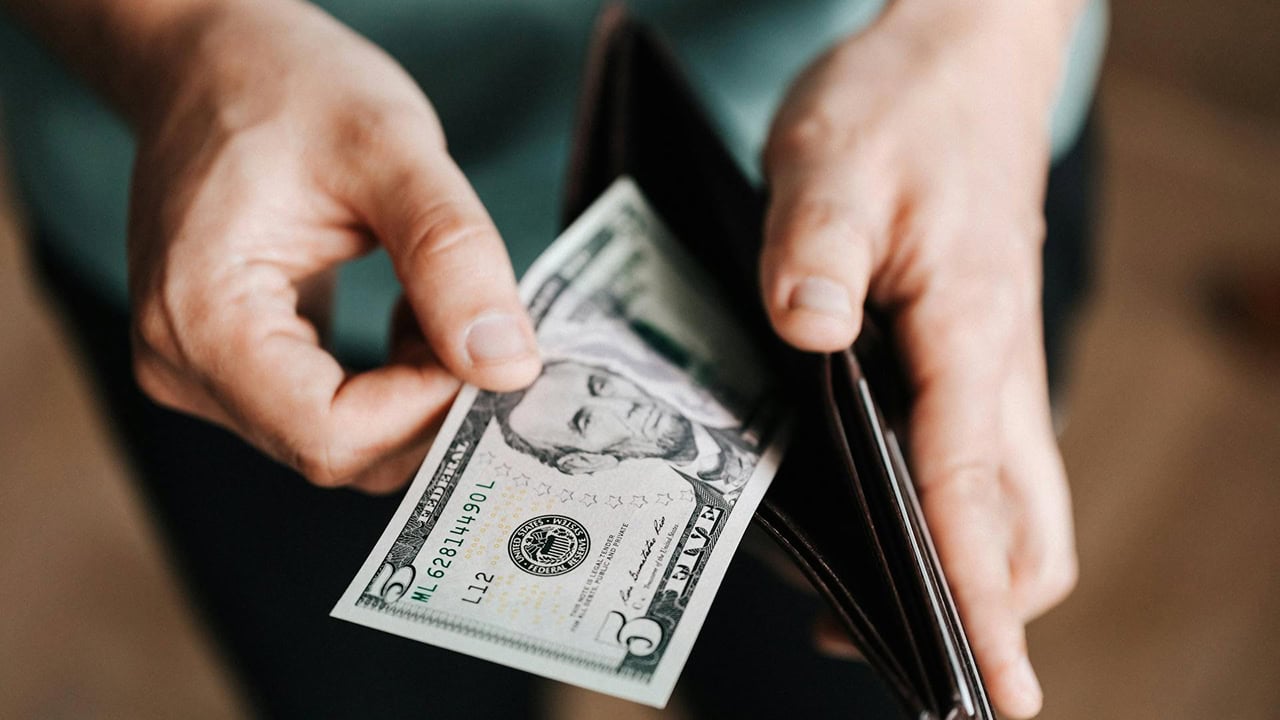
Groceries, eating out, and random Target runs were always the categories I overspent on. Switching to cash for those made a big difference. When the envelope was empty, that was it. No overspending, no mental math to see if I could "make it work."
It might feel a little old-school, but it's effective. Having physical cash made me pause before swiping, and it helped me reset my idea of what things should actually cost each month. You don't have to use cash for everything-but use it where you struggle most.
Giving Every Dollar a Job

Instead of letting leftover money hang around in my account, I started assigning it a job. Whether it went to savings, debt, or next month's expenses, it all had a purpose. That one shift made it way harder to waste money without realizing it.
Zero-based budgeting helped with this. Even if my balance looked healthy, I knew where every dollar was going before I spent it. That structure helped me stretch my money further and build better habits over time.
Building a Buffer Instead of Relying on Credit
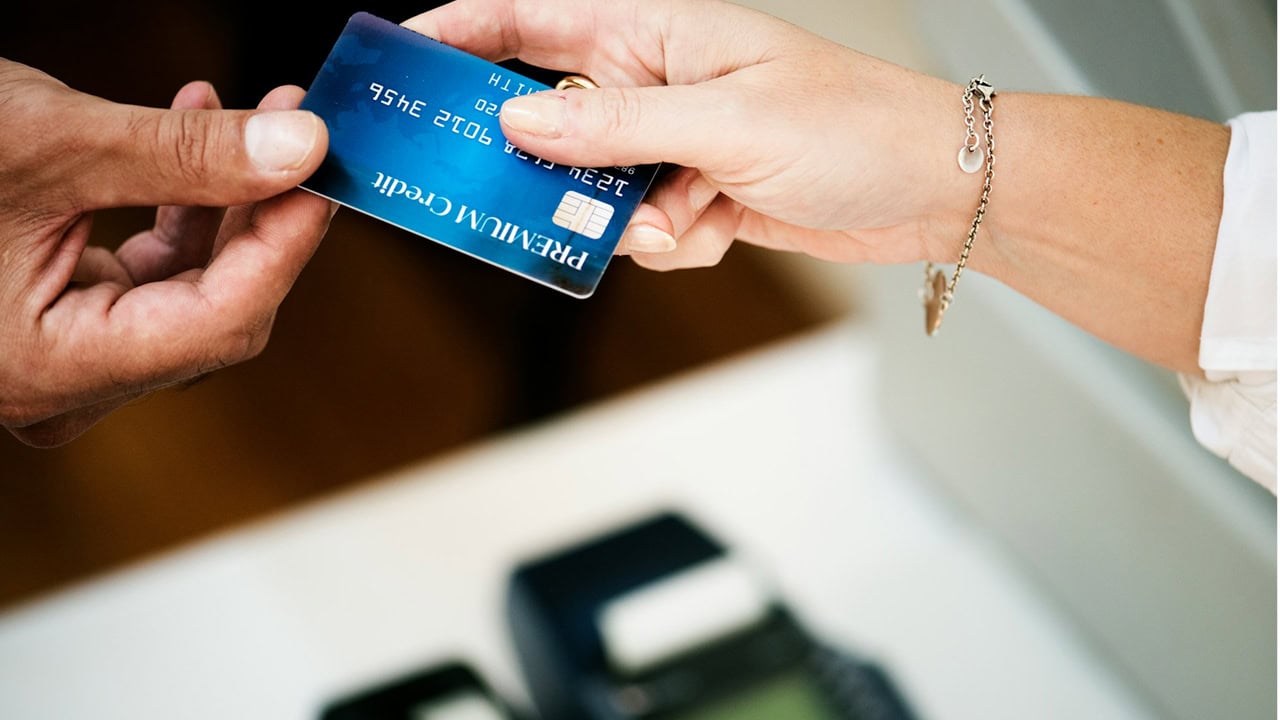
Before I had any kind of savings, I leaned on credit cards to cover random expenses or tight weeks. That kept me in a cycle of paying interest and never really getting ahead. So I made it a goal to build a small buffer-$500 at first, then more.
It didn't happen instantly, but having a cushion made emergencies less dramatic. I could pay for things with cash instead of racking up more debt. It gave me breathing room and let me stop depending on credit to fill the gaps.
Meal Planning Around What I Already Had
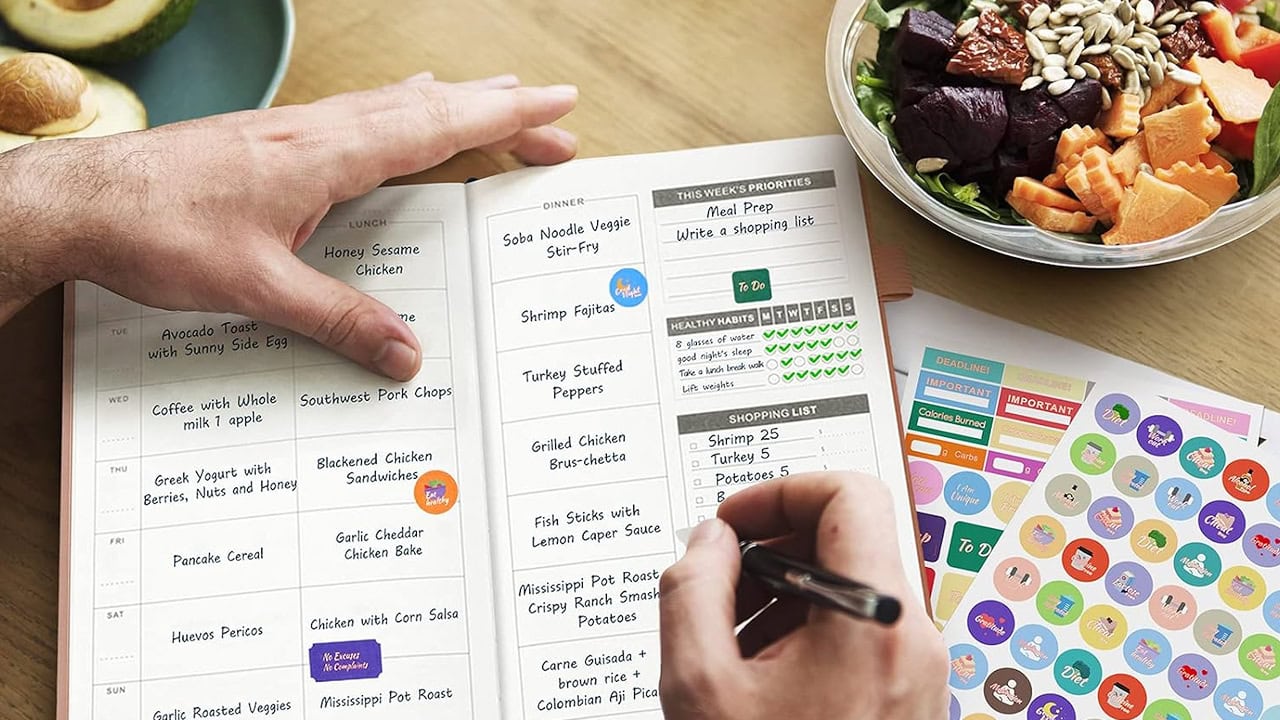
Food was one of my biggest budget drains. I used to grocery shop without checking what was already in the pantry or freezer. Once I started planning meals around what I had on hand, my grocery bill dropped fast.
It takes a little effort upfront, but it's worth it. Use what you have first, then shop for what you're missing. I'd even plan a couple "whatever's left" meals toward the end of the week to stretch things a little further. It made my budget and my food go a lot farther.
Sticking With Cheap Weeks After Expensive Ones

There are always weeks that hit harder-birthdays, car repairs, back-to-school stuff. Instead of letting those derail my whole month, I started planning for a "cheap week" right after. I'd scale back meals, skip extras, and avoid spending wherever I could.
That balance helped me recover faster. Instead of going into a spiral, I treated it like a reset. It also helped me feel more in control of the budget instead of letting one big expense throw everything off for weeks.
Getting One Month Ahead (Even if It Took a While)
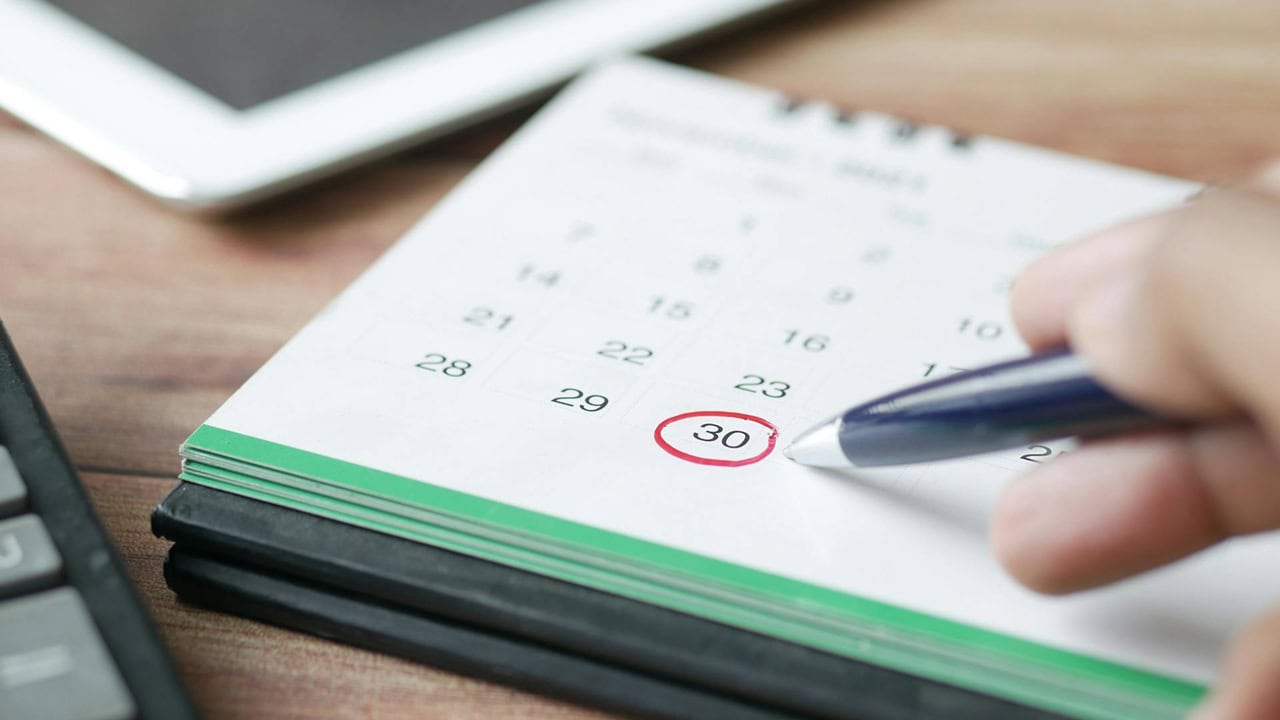
The biggest breakthrough was getting one month ahead on bills. It took time-probably six months of saving bit by bit-but once I got there, everything changed. I was using this month's income to pay next month's bills, and the stress disappeared.
No more juggling due dates or hoping the paycheck hit before the rent was due. That cushion gave me margin, and margin gave me freedom. Even a partial buffer makes a huge difference, and it's worth building slowly if that's what it takes.
*This article was developed with AI-powered tools and has been carefully reviewed by our editors.






Leave a Reply