
10 habits that added $200 to my monthly spending without realizing it
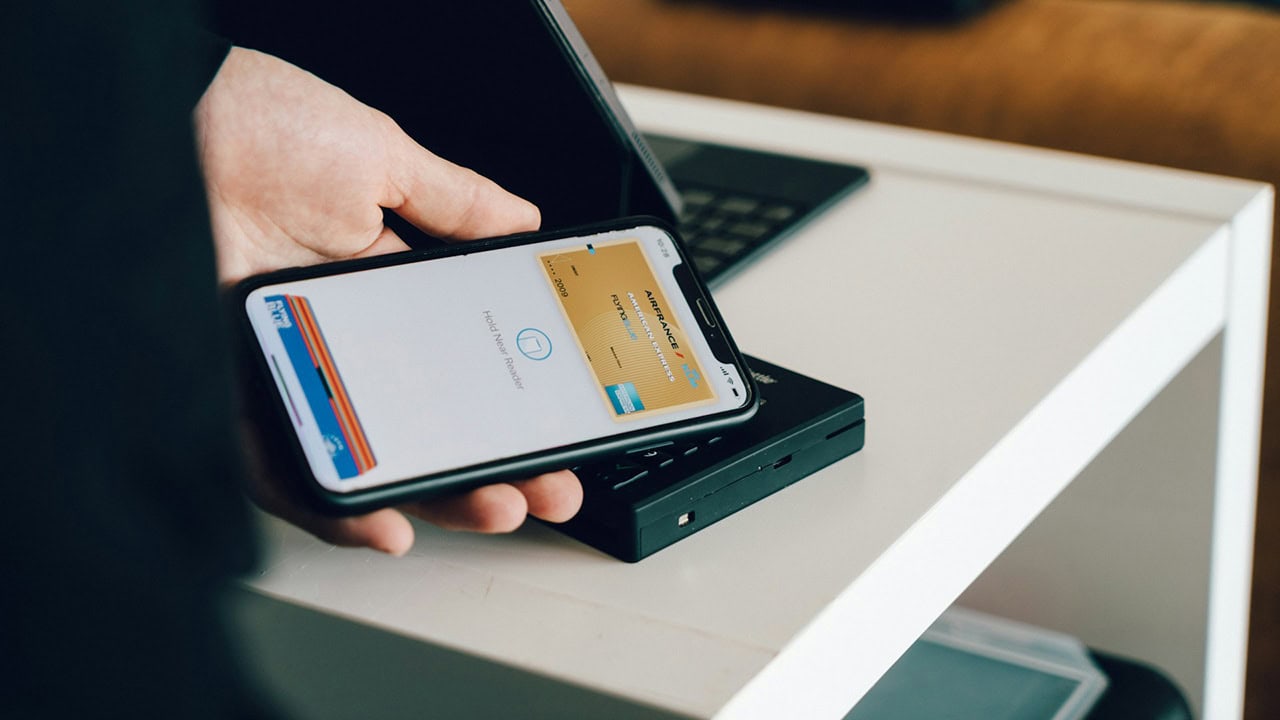
You don't always feel the hit of $200 in one big moment. It sneaks in through small habits-the ones that feel harmless because they're under $20 here or $40 there. Before you know it, they've stacked up and started dragging down your budget.
The worst part is how easy they are to miss because they've become part of your routine. These are the kinds of habits that added up fast without me realizing how much they were eating into my monthly spending.
Grabbing Drive-Thru Drinks Instead of Making Them

It feels like a small treat-a coffee here, a tea or soda there. But stopping at the drive-thru two or three times a week can easily turn into $50-$70 a month.
Even if you’re only spending $4 or $5 each time, those quick grabs start stacking up fast. Making drinks at home takes a little more effort, but it's way cheaper in the long run. You don't need to cut it out completely, but cutting it down saves more than you'd expect.
Leaving Subscription Services on Autopilot
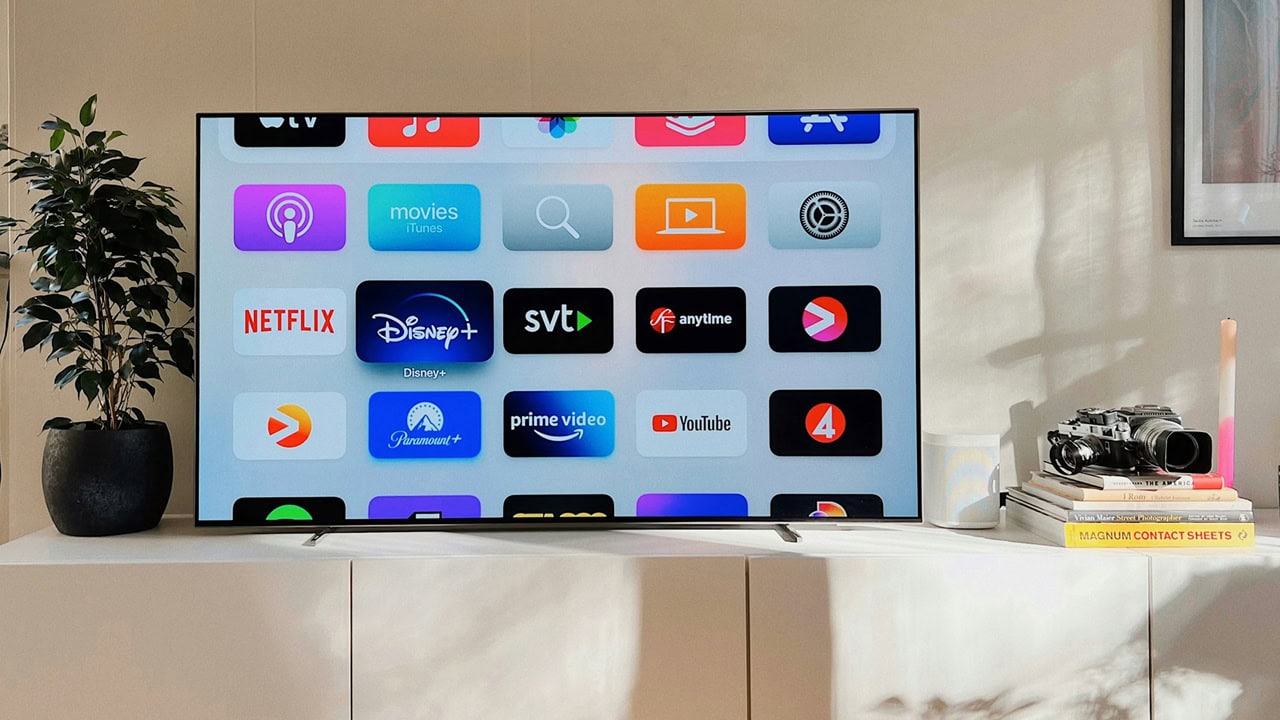
It's easy to forget how many services you're actually subscribed to-especially if they're billed on different days or through different platforms.
You think you’re paying for Netflix, but then there's Spotify, a workout app, maybe a digital magazine or meal planner. Before long, it's $60+ a month for stuff you barely use. Doing a clean sweep every few months helps keep the budget tight without feeling like you're missing out.
Grocery Shopping Without a Plan

Going into the store without a list-or worse, when you're hungry-almost always leads to extra spending. You end up grabbing snacks, duplicates, or ingredients that don't work together.
I used to think it didn't matter much, but every unplanned trip ended up $20-$40 higher than it needed to be. Taking 10 minutes to plan meals and write a list actually saves way more money than you'd think.
Paying for Convenience Too Often
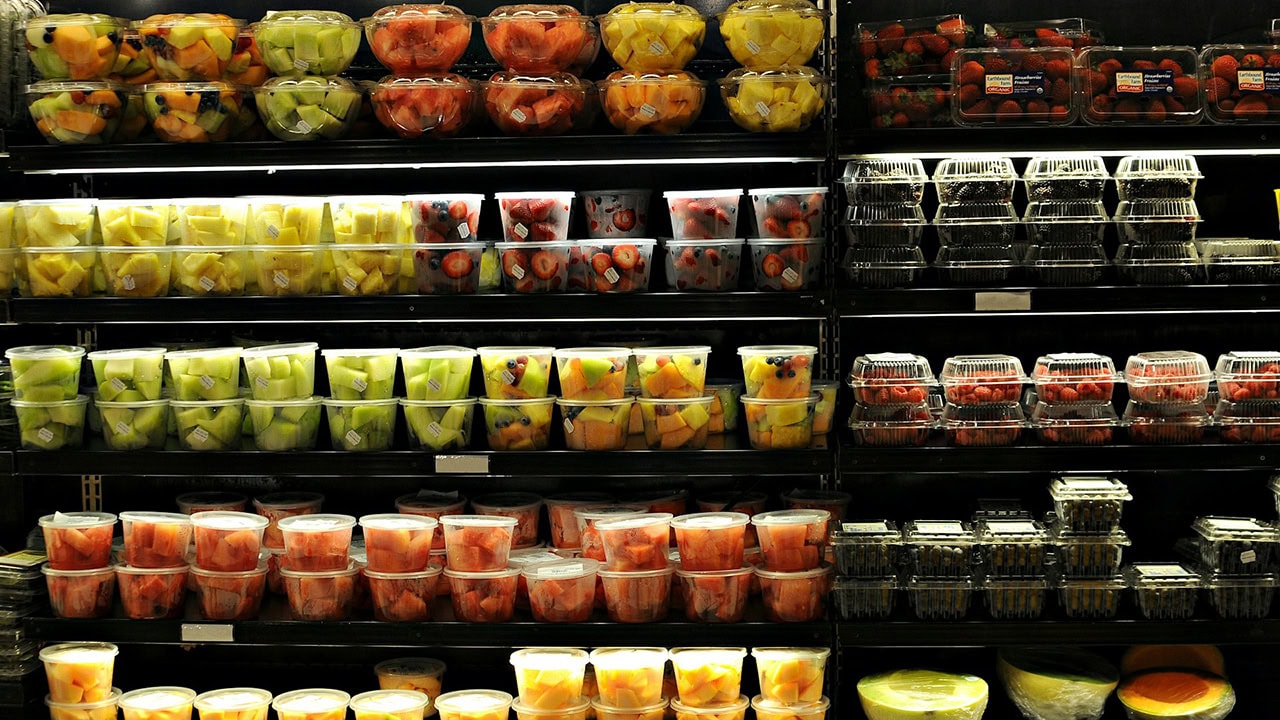
This covers everything from delivery fees to pre-cut fruit and those $10 bins of pre-made snacks. It's all about saving time, but the cost adds up every single week.
When you’re paying extra just to avoid doing a 5-minute task yourself, it’s worth asking if it's really helping long-term. I'm not against convenience-but it shouldn't become the default if you're trying to control spending.
Making Too Many "Small" Target or Amazon Runs
You go in for one thing and come out with five. That's the Target effect, and Amazon makes it even easier with one-click checkout and fast delivery.
I used to tell myself it didn't count if it was under $25, but doing that multiple times a week quietly added $100-$150 to my budget. Now I batch my purchases and avoid browsing when I'm bored-it makes a bigger difference than expected.
Ignoring Energy Usage Around the House
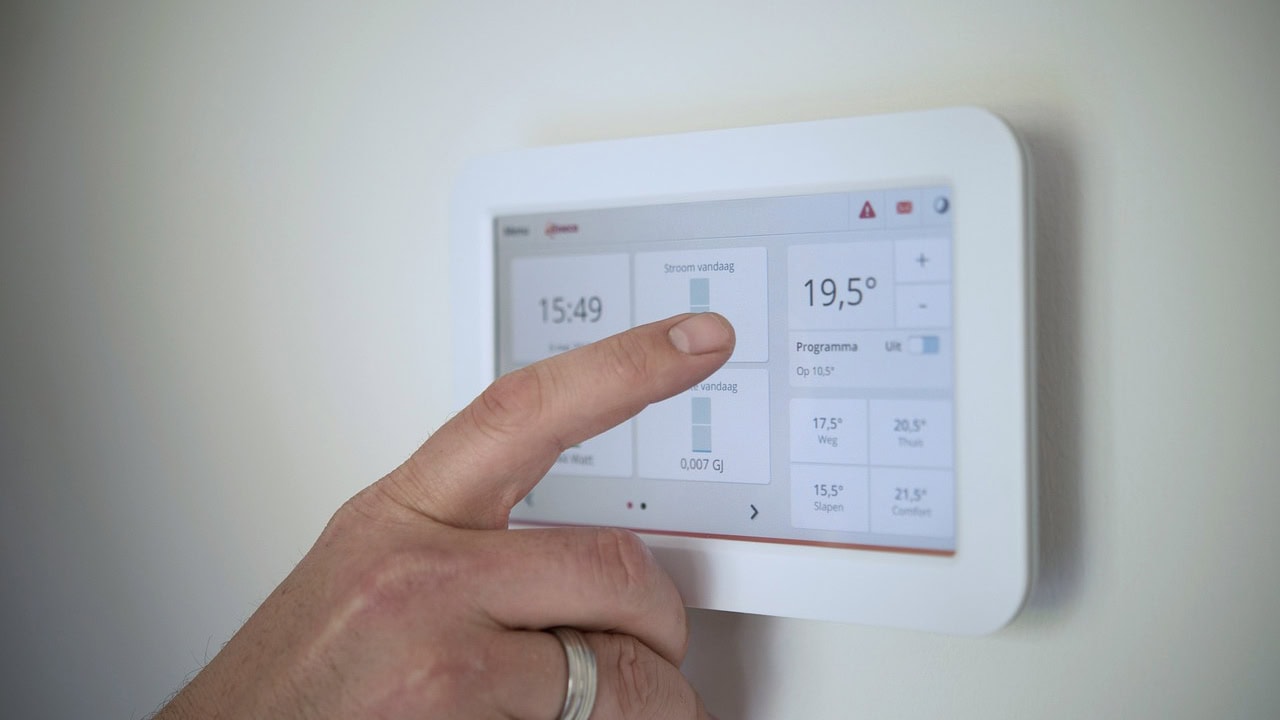
Leaving lights on, running small loads in the washer, and cranking the thermostat more than needed might not feel like big deals, but they raise your monthly utility bills fast.
You don't have to go full minimalist to see a change-just being more mindful helped shave $25-$40 off my power and water bills. It's one of those things you don't really notice until you finally look at the usage breakdown.
Overusing Credit or Buy-Now-Pay-Later Options
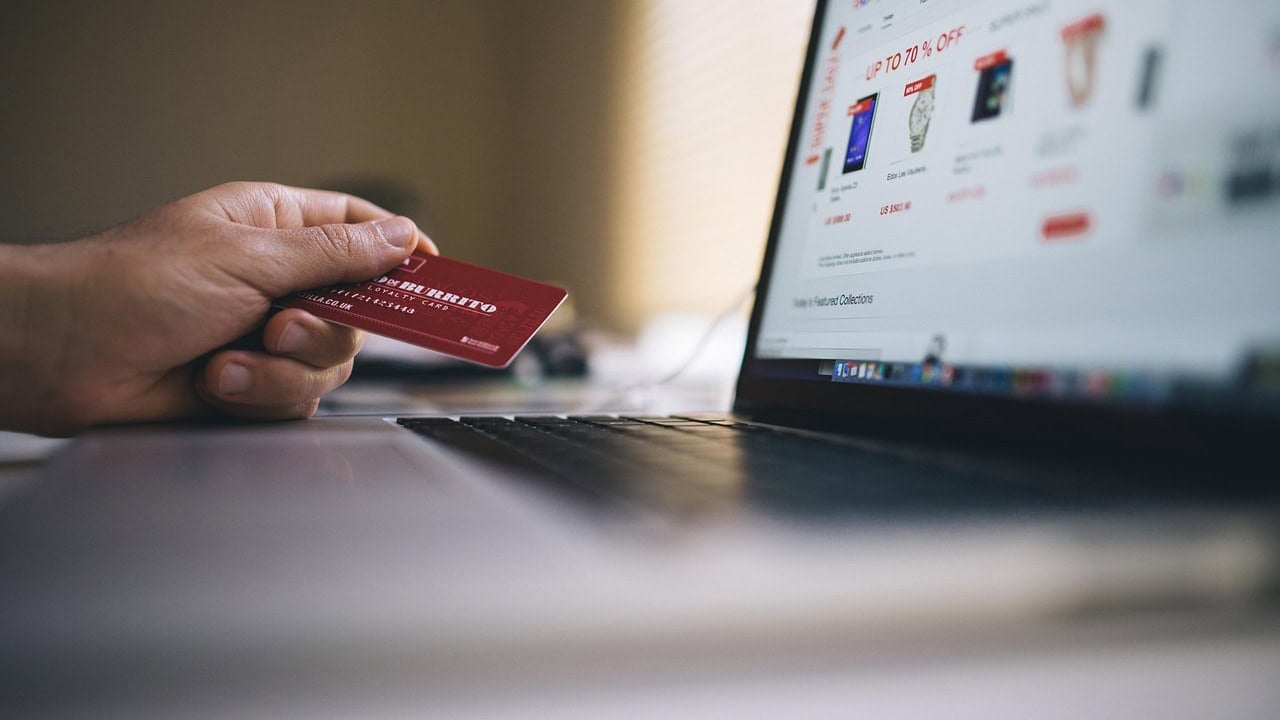
Spreading payments out feels like it makes things more manageable, but it also makes you more likely to buy stuff you don't need in the first place.
I found myself adding things to my cart because the payment was "only $15 a month." But stack a few of those and you're paying $60-$100 monthly for stuff that's already lost its excitement. Waiting and buying outright saves money and mental space.
Letting Groceries Go to Waste
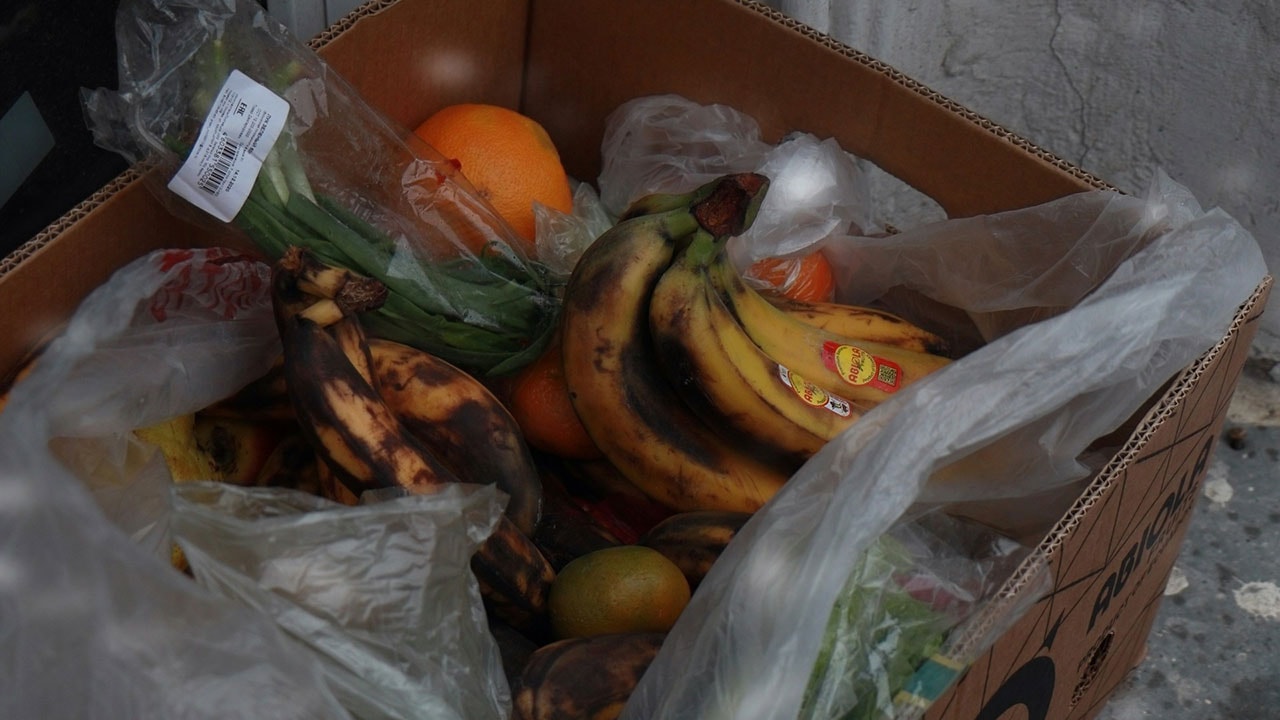
It's easy to overestimate what you'll use in a week, especially with produce or meat. When things go bad before you get to them, you're basically tossing money straight in the trash.
I used to waste $15-$25 a week on food I never got around to cooking. Now I shop smaller and more often, or freeze things I'm not going to use right away. It's a simple shift, but it keeps my grocery budget tighter.
Not Tracking Annual Expenses That Sneak Up Monthly
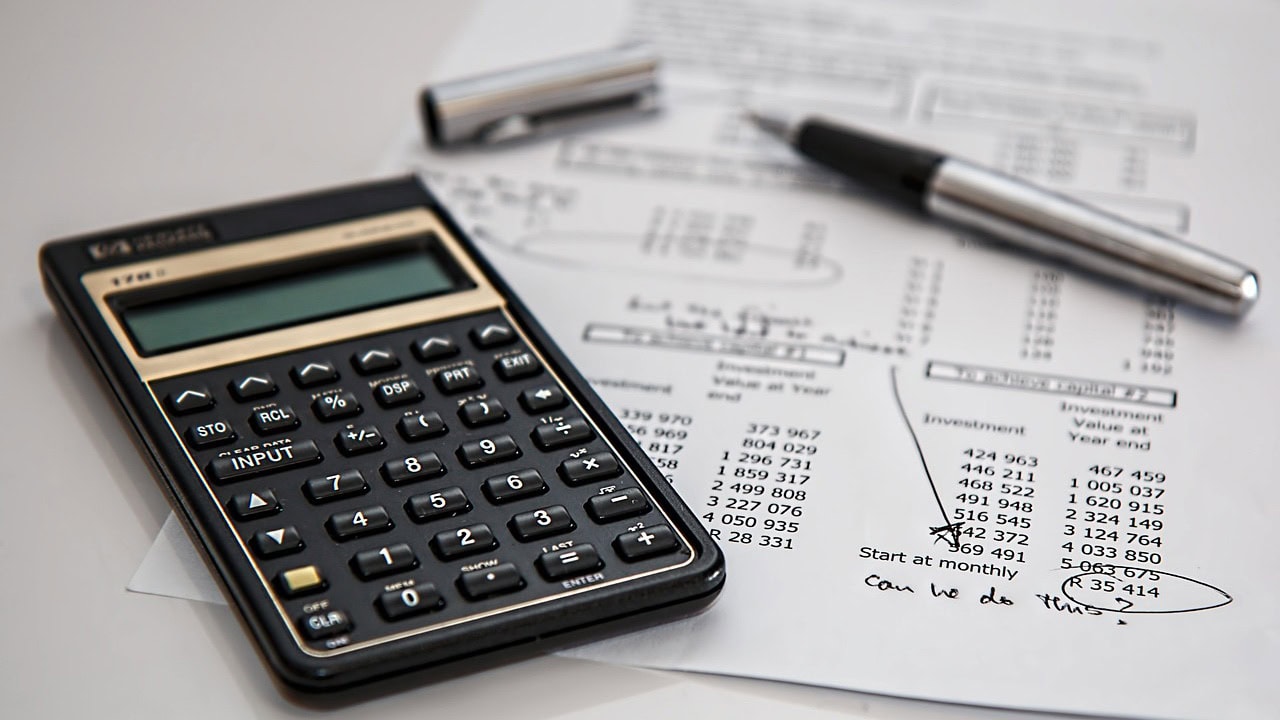
Stuff like annual fees, birthdays, holidays, or car maintenance can throw off your budget if you don't account for them ahead of time.
I used to act surprised every time something like that popped up, then I’d swipe my card and move on. Now I divide those big expenses over the year and set that amount aside monthly-it takes out the guesswork and keeps my spending consistent.
Trying Too Many "Budget-Friendly" Swaps That Weren't
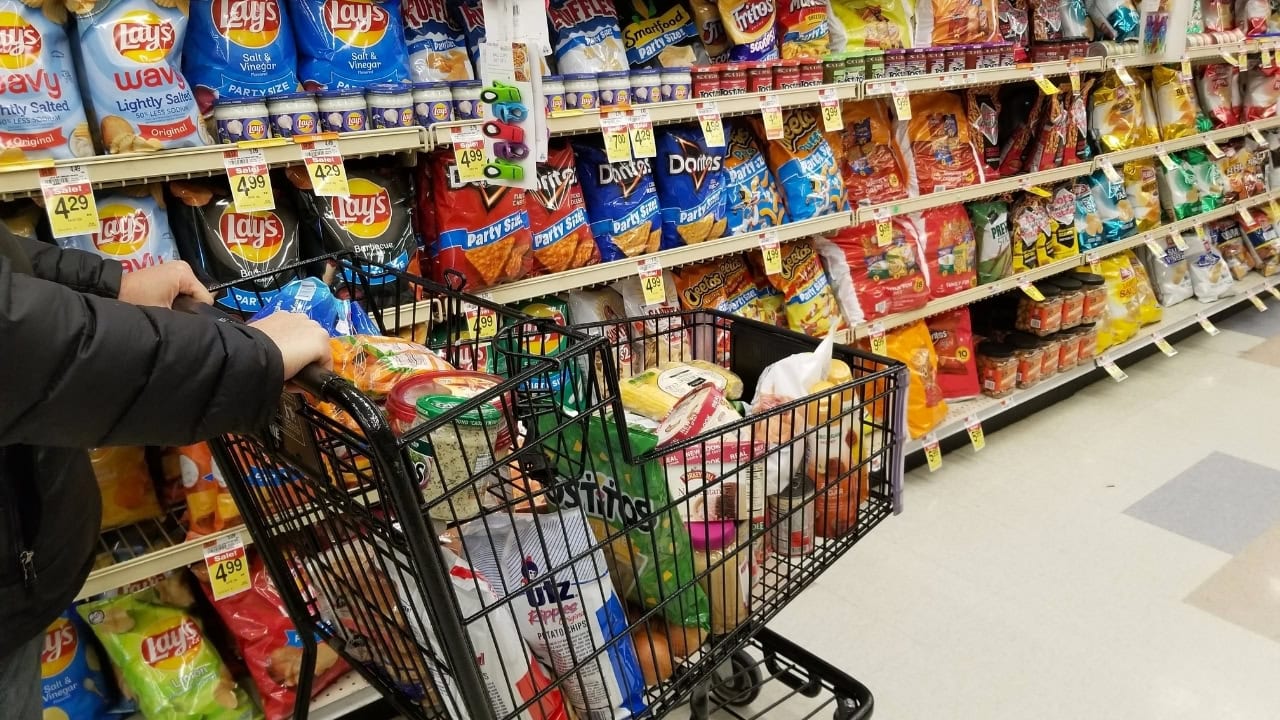
Sometimes the things that seem cheaper end up costing more. I bought knockoff brands that didn't last, tried budget food swaps that no one ate, and went with the lowest-cost option even when it wasn't functional.
Trying to save money the wrong way added up in repeat purchases and wasted time. I've learned that "budget-friendly" only works if it actually holds up-and it's okay to spend a little more up front when it makes sense.
*This article was developed with AI-powered tools and has been carefully reviewed by our editors.






Leave a Reply