
Groceries are one of the easiest areas of the budget to lose control over. A few extra items here, a skipped list there, and suddenly you've spent way more than you meant to. Overspending at the store isn't always about big splurges-it's often the small habits that add up over time.
Once you start spotting those patterns and start to break them, it gets a lot easier to keep your weekly bill in line without feeling like you're cutting back on everything.
Shopping Without a List

Walking into the store without a plan almost guarantees you'll overspend. Grabbing things as you go adds up quickly, especially when you forget what you already have at home.
When you start making a list and sticking to it, you cut out duplicates and reduces impulse buys. It also helps you organize meals ahead of time so you're buying exactly what you'll use instead of guessing.
Ignoring Store Flyers

Weekly flyers might feel like junk mail, but they actually show you where the biggest savings are. Skipping them means you could be paying full price for something that's on sale across town.
If you check sales before you shop, you can build meals around what's discounted. That small habit shift can shave off a surprising amount over the course of a month.
Buying Pre-Cut Produce
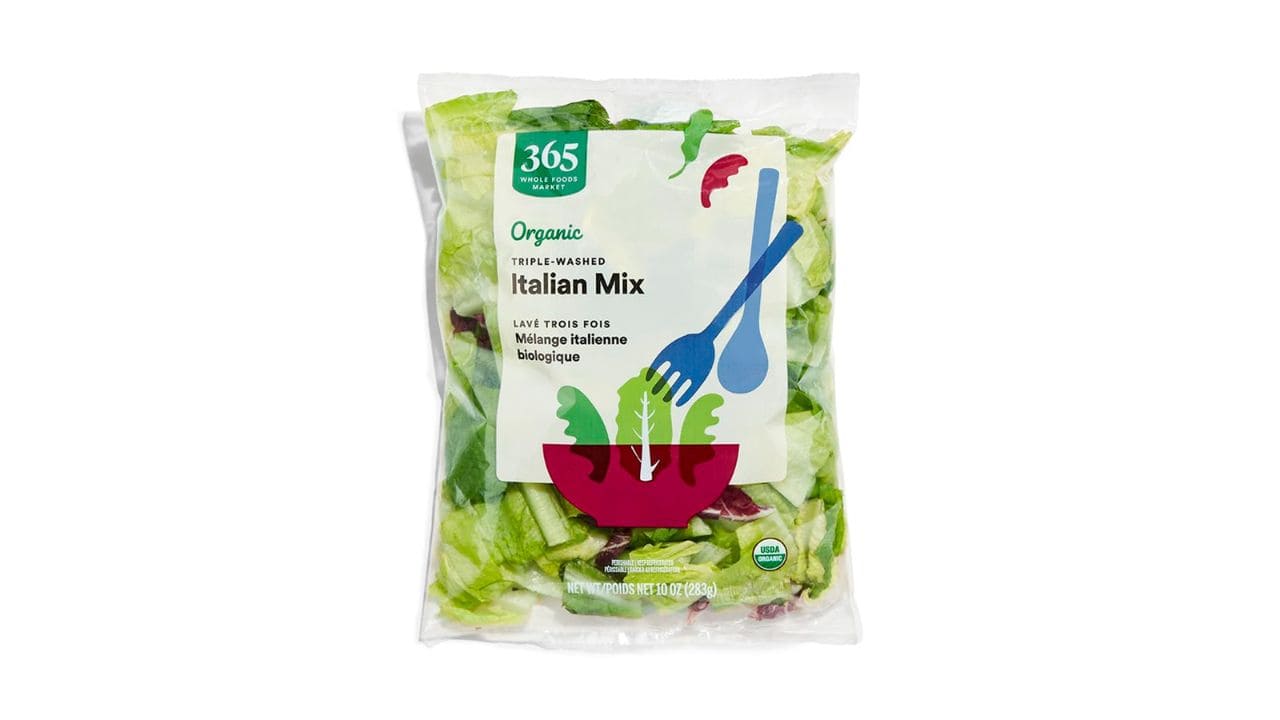
Convenience costs extra. Pre-cut fruit, veggie trays, and bagged salad mixes might save a few minutes, but you're paying a premium for packaging and prep.
Switching to whole produce and chopping it yourself stretches your money further. You still get the same fresh food, but at a fraction of the price.
Skipping Store Brands

Many shoppers automatically reach for name brands without realizing store brands are often made by the same manufacturers. That habit alone can drain your budget without offering better quality.
Trying out store-brand basics like pasta, rice, or canned goods can cut your total in half without a noticeable difference in taste or performance.
Shopping Hungry

Going to the store on an empty stomach almost always leads to overspending. Everything looks more appealing, and it's easy to throw extra snacks in the cart.
By eating before you shop, you avoid that temptation and focus on the food you actually need. It's a simple shift, but it makes a big difference.
Overbuying Perishables

It's easy to stock up on fresh produce or meat with good intentions, only to throw half of it out later. Wasted food means wasted money.
Buying smaller amounts more often keeps you from tossing spoiled items. It also encourages you to use what you already have before adding more to the fridge.
Forgetting a Budget Cap
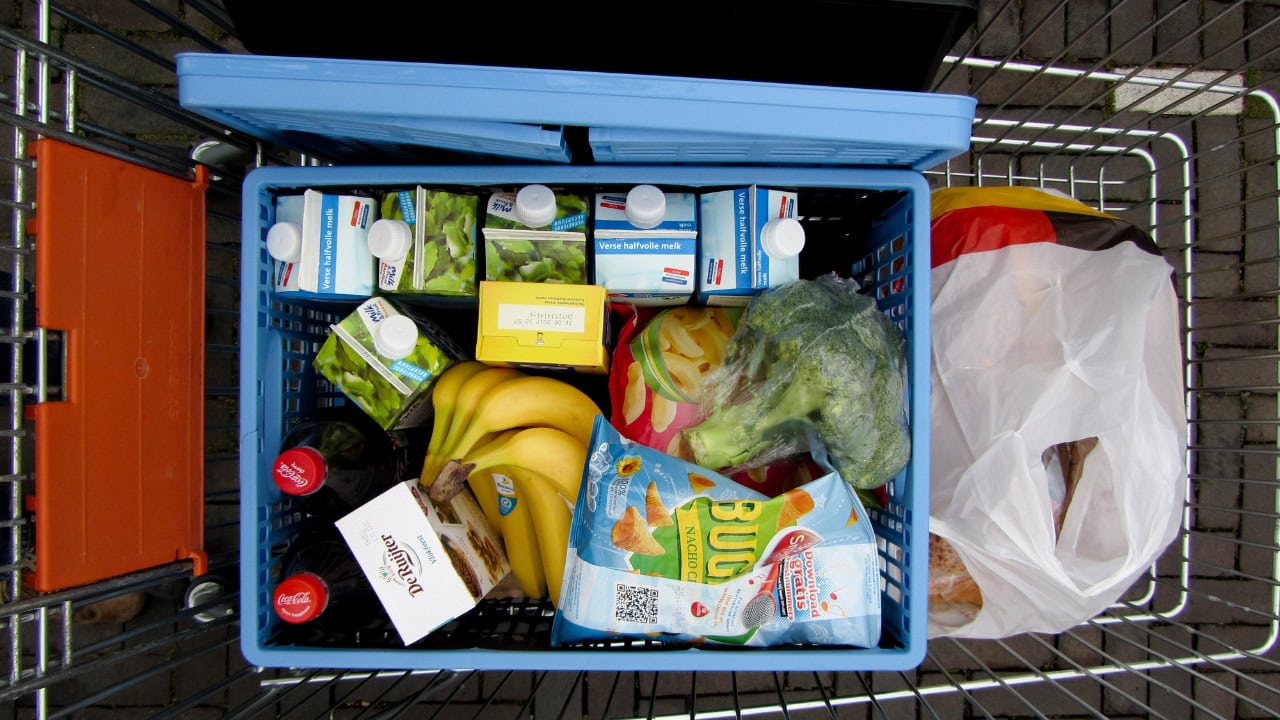
Without a spending cap in mind, it's easy to keep piling things into your cart. Even if you're careful, a lack of boundaries makes it harder to stop.
Setting a weekly or per-trip budget gives you a clear line to stay under. Once you start tracking against it, you naturally make smarter choices.
Falling for End-Cap Displays
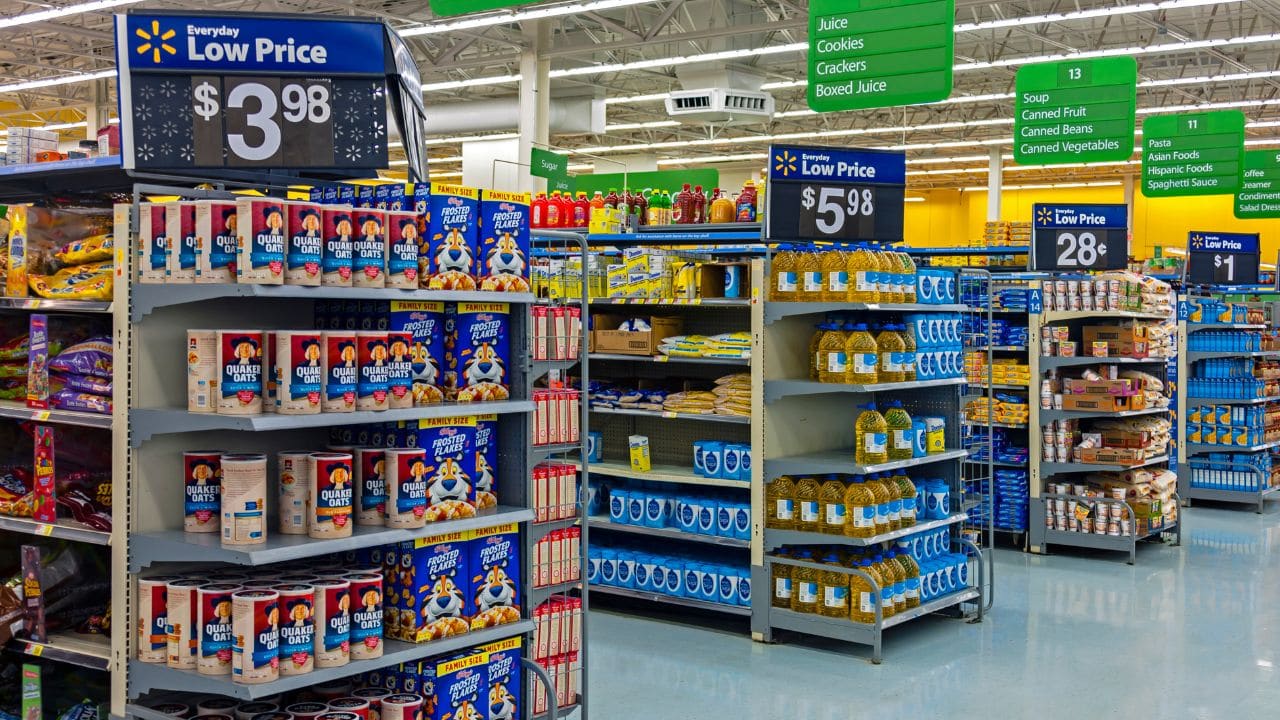
Stores place products on end caps to get your attention, and those items aren't always deals. Grabbing them without checking prices first can wreck your budget.
If you take a minute to compare, you'll often find cheaper options down the regular aisles. Training yourself to double-check before tossing it in the cart helps break this habit.
Overlooking Unit Prices
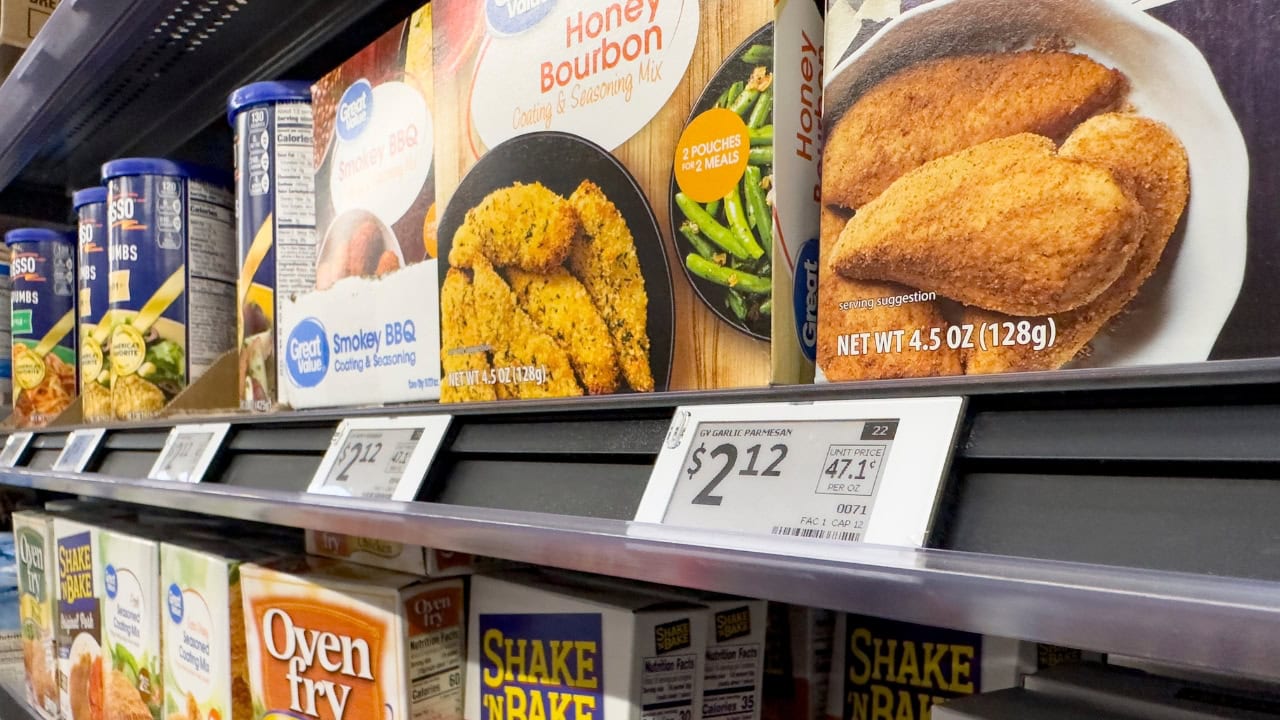
Looking only at the sticker price can be misleading. A smaller box might seem cheaper until you compare cost per ounce or pound.
Paying attention to unit pricing ensures you're actually getting the best value. It's one of the fastest ways to cut your bill without cutting items.
Shopping Multiple Times a Week
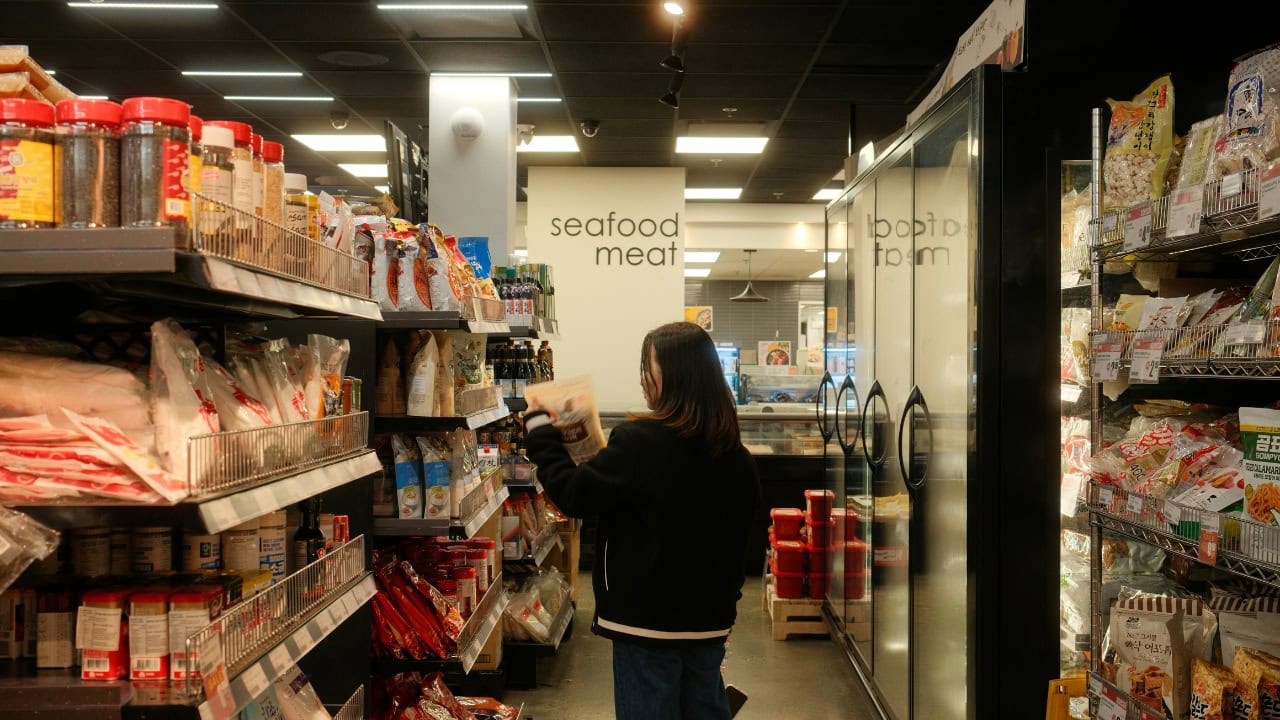
Quick trips add up fast, especially when you pick up more than what you went in for. Making several small stops instead of one planned trip can quietly drain your budget.
Consolidating your shopping into one or two trips a week helps you stay on track. Fewer visits mean fewer opportunities to overspend.
*This article was developed with AI-powered tools and has been carefully reviewed by our editors.






Leave a Reply