
Cutting down a grocery budget doesn't always mean buying less food. Sometimes it's about recognizing the things that sneak into your cart and don't actually earn their spot.
Once you start paying attention, you realize certain groceries take up more of your money than they're worth, whether that's because they go to waste, don't stretch as far, or can be replaced with something cheaper. Decluttering these items from your budget makes your weekly spending lighter without leaving you feeling deprived.
Bottled Water
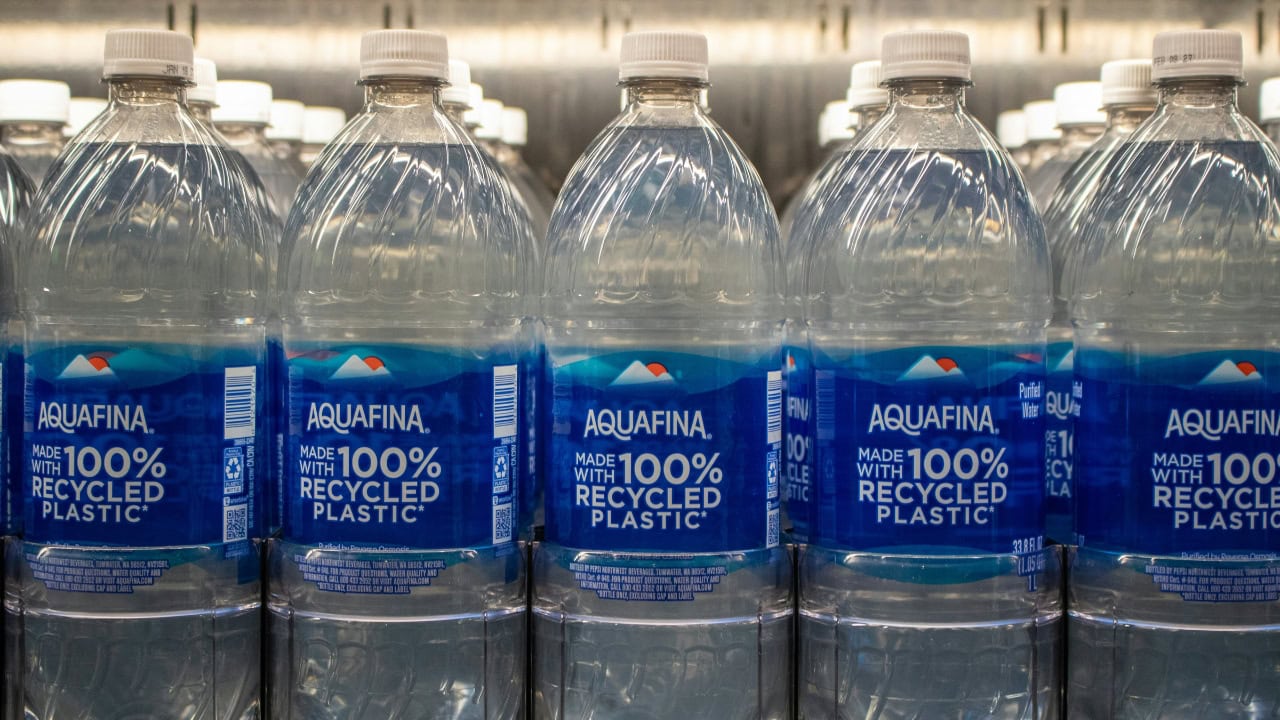
Bottled water seems convenient, but it's one of the easiest grocery expenses to cut. When you add it up, it can cost hundreds of dollars a year for something you can get at home for pennies.
A good reusable bottle and a filter pitcher or faucet attachment solve the same problem without the waste. Once you stop buying it, you'll notice the savings pile up almost instantly.
Pre-Cut Produce
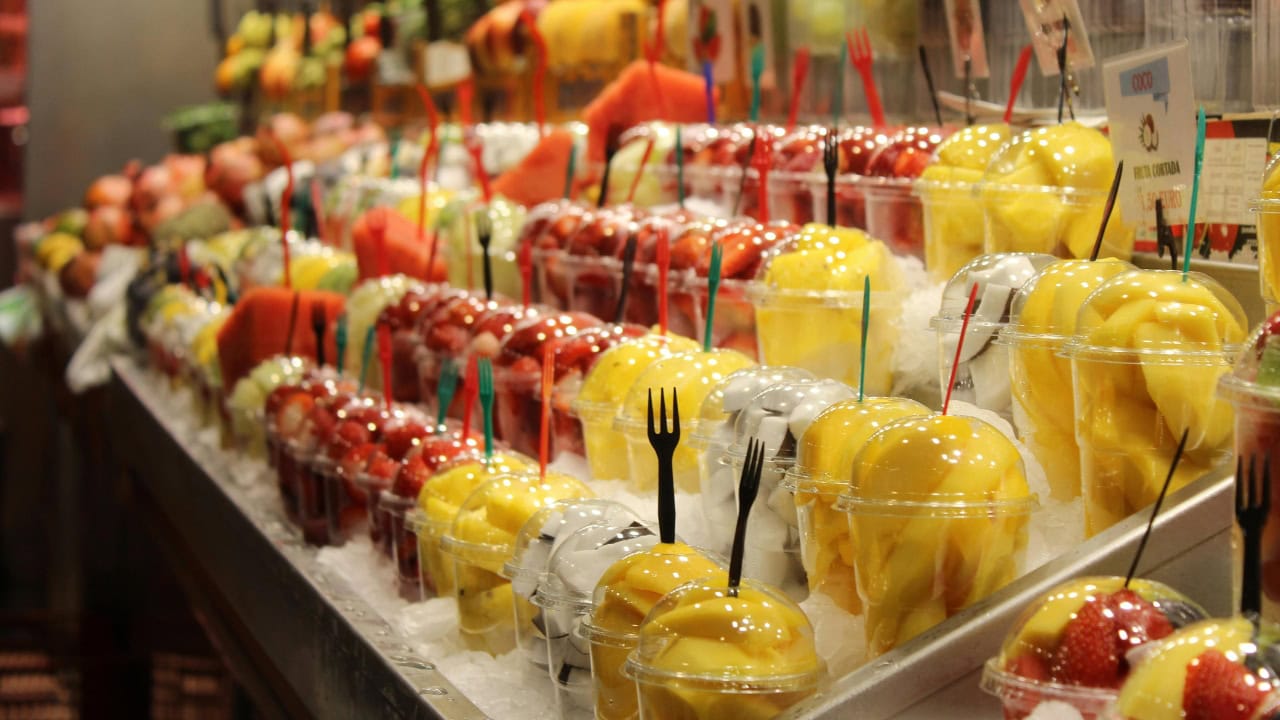
Buying chopped fruits and vegetables feels like a time-saver, but you're paying a steep markup for packaging. Most of the time, they don't last as long, either, which means more food waste.
Switching to whole produce takes a few extra minutes of prep but saves you a noticeable amount at checkout. Plus, your groceries stay fresher longer when you handle them yourself.
Single-Serve Snacks
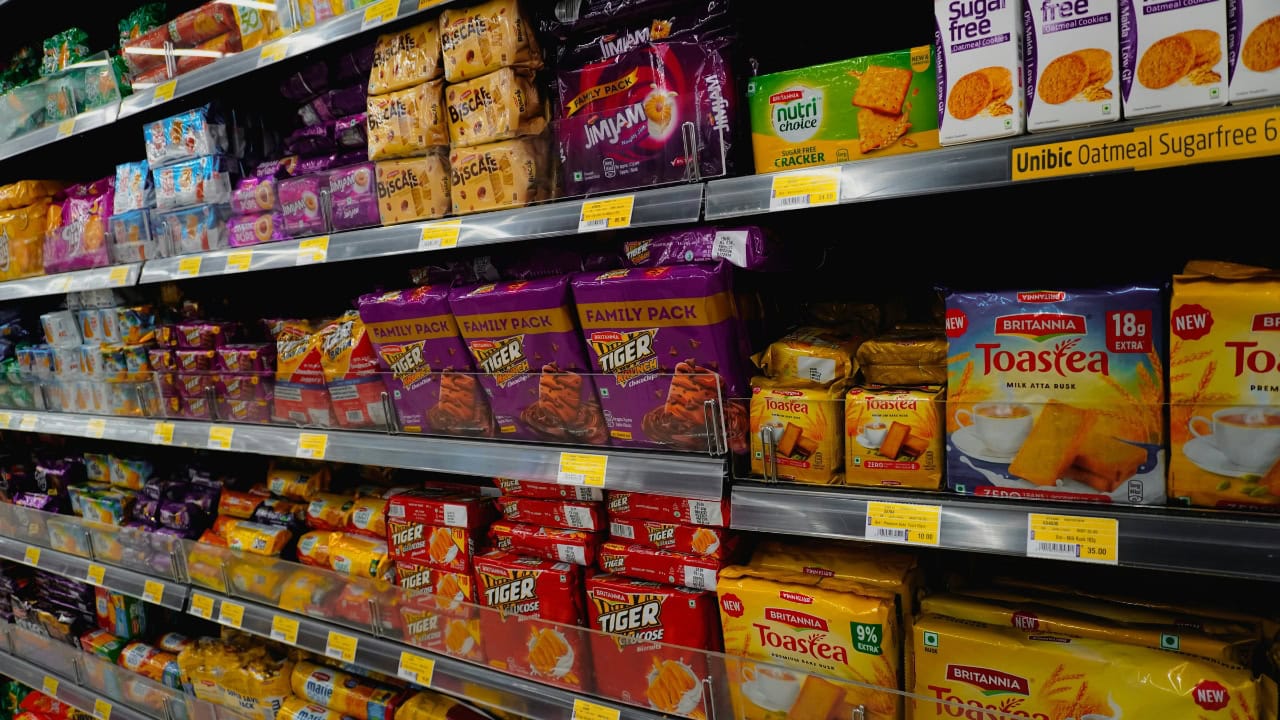
Individually packaged snack packs are easy to grab, but they cost way more per ounce than buying a larger bag. They also disappear quickly, which means you're back at the store sooner.
Buying in bulk and portioning snacks into reusable containers cuts the cost without losing the convenience. You'll still have grab-and-go options, but without the inflated price tag.
Sugary Drinks
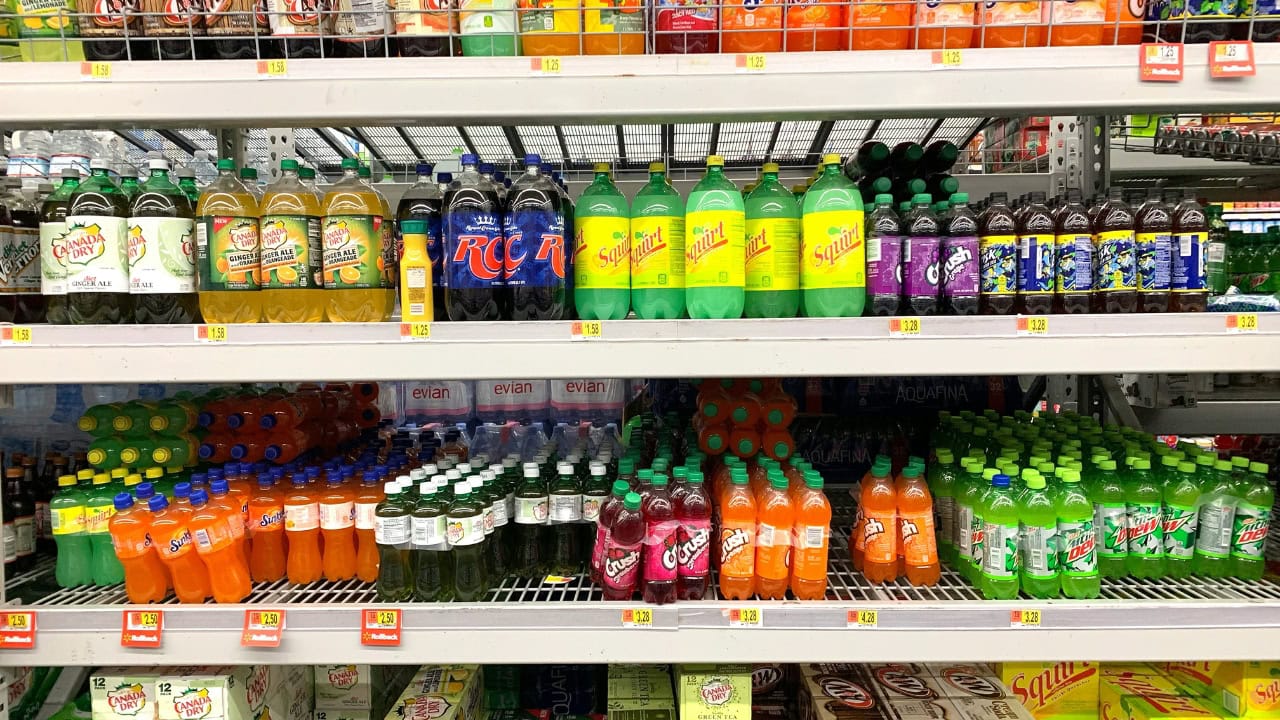
Sodas, flavored waters, and juices add a lot to your total without doing much to fill you up. Even if they're on sale, keeping them as a regular purchase pushes your bill higher.
Once you cut them out, you'll see savings immediately. Making iced tea at home or using water flavor drops gives you variety for a fraction of the price.
Specialty Cheeses
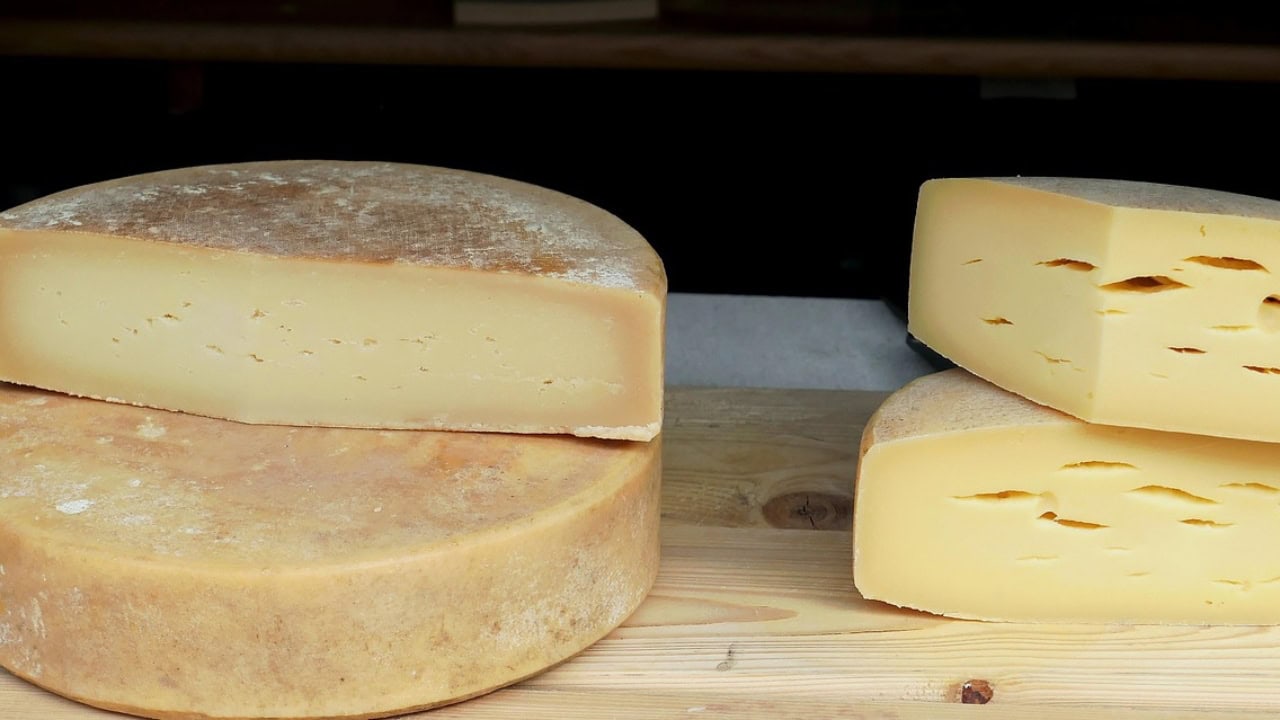
It's easy to grab fancy cheese for recipes or snacks, but those wedges and wheels don't come cheap. Unless you're hosting or cooking something specific, they're more of a splurge than a staple.
Sticking to basics like shredded mozzarella or cheddar saves money and still covers most meals. When you want something special, it feels like a treat instead of a weekly drain on the budget.
Packaged Salad Kits
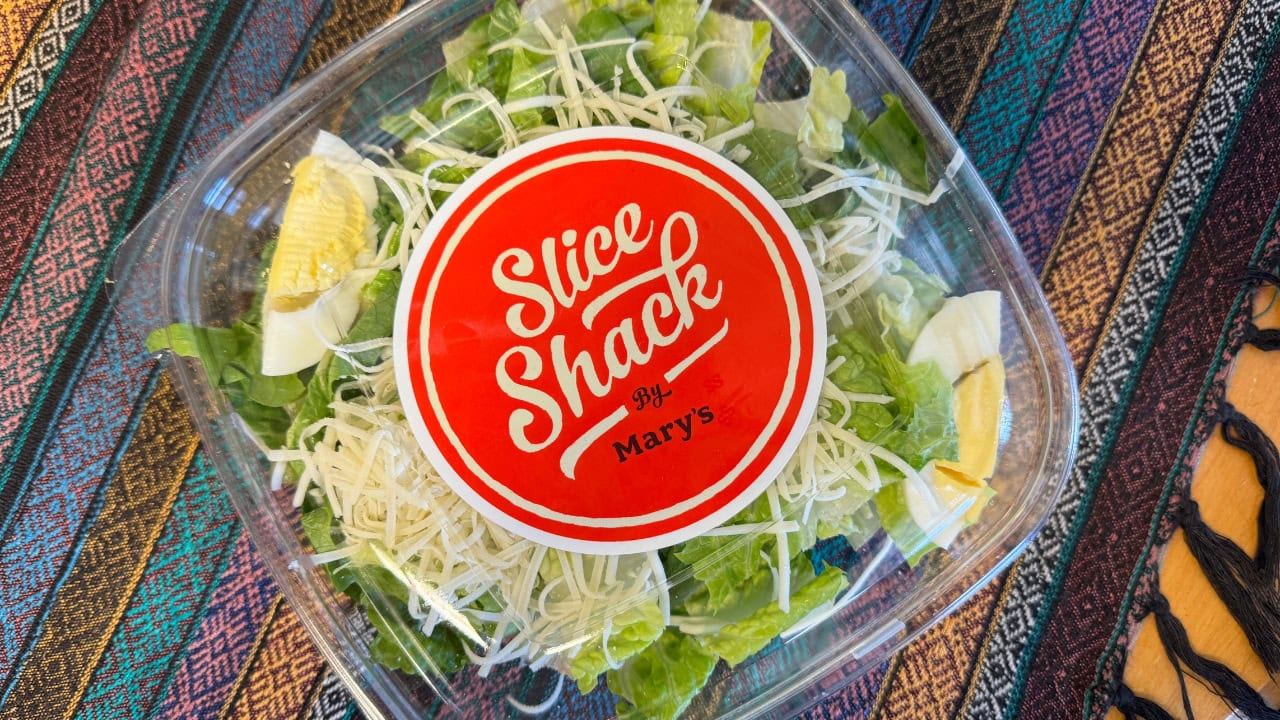
Salad kits are convenient, but at $4-$6 each, they add up quickly. You're paying for pre-washed greens and tiny packets of toppings that don't go very far.
Buying a large container of greens and a few add-ins separately is much cheaper and stretches across several meals. You still get the variety without the constant cost of the kits.
Breakfast Pastries

Frozen waffles, toaster strudels, and packaged muffins may seem like easy breakfast options, but they're expensive for what you get. They also disappear fast, which means they don't actually save you time in the long run.
Making your own muffins or pancakes in bulk and freezing them keeps the cost low. You get the same convenience without blowing money on single-use boxes.
Deli Meats
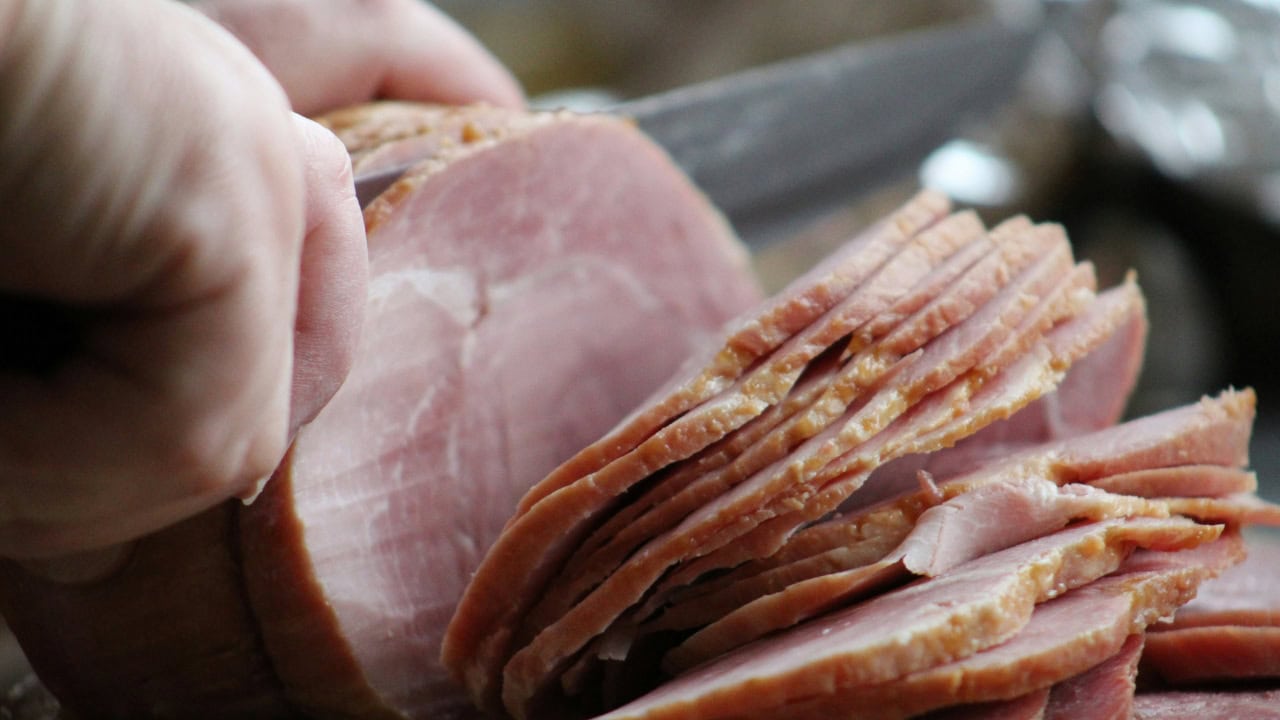
Sliced turkey, ham, or roast beef feels like a lunch staple, but the price per pound is high. On top of that, they don't last long in the fridge, so waste is common.
Cooking a whole chicken, ham or roast and slicing it yourself saves money and gives you better flavor. It takes a little planning, but the payoff is worth it.
Frozen Sides
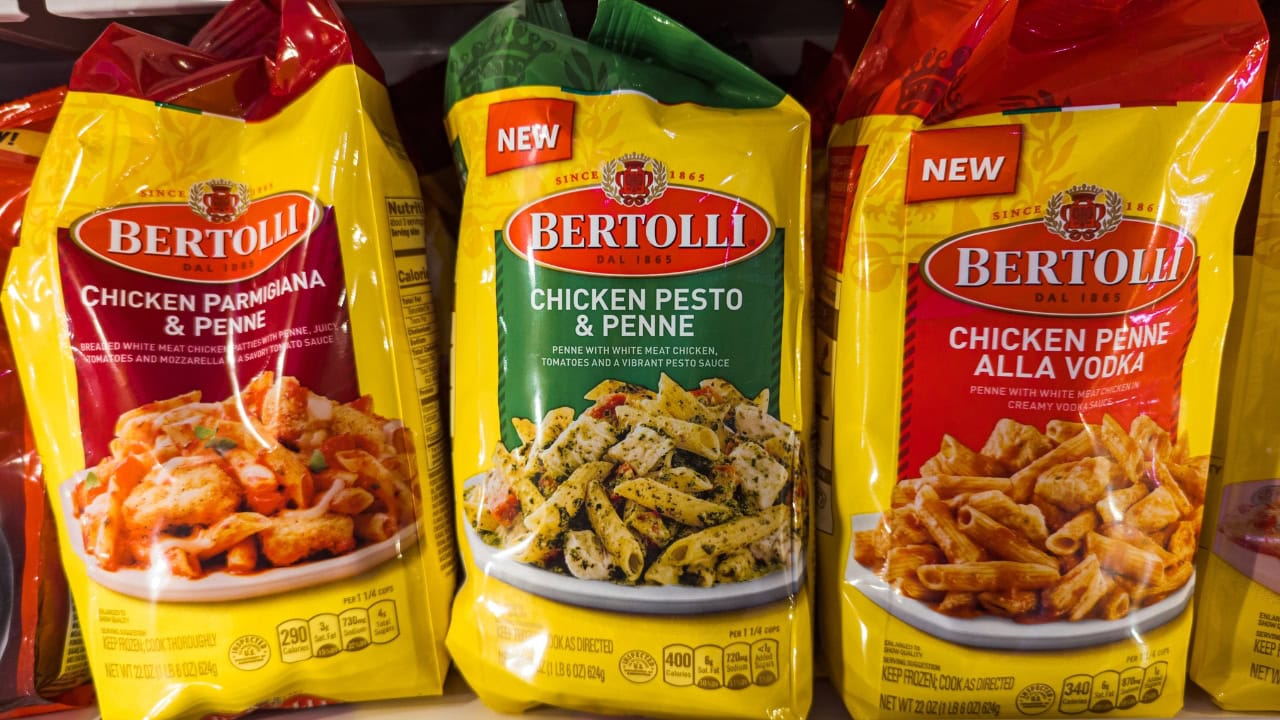
Pre-packaged frozen sides like rice, pasta, or mashed potatoes charge you for convenience. Most of the time, you can make the same thing at home with pantry staples for a fraction of the cost.
Once you stop buying them, you realize how easy it is to prepare your own sides in bulk. It costs less, tastes fresher, and keeps your budget on track.
Name-Brand Pantry Staples
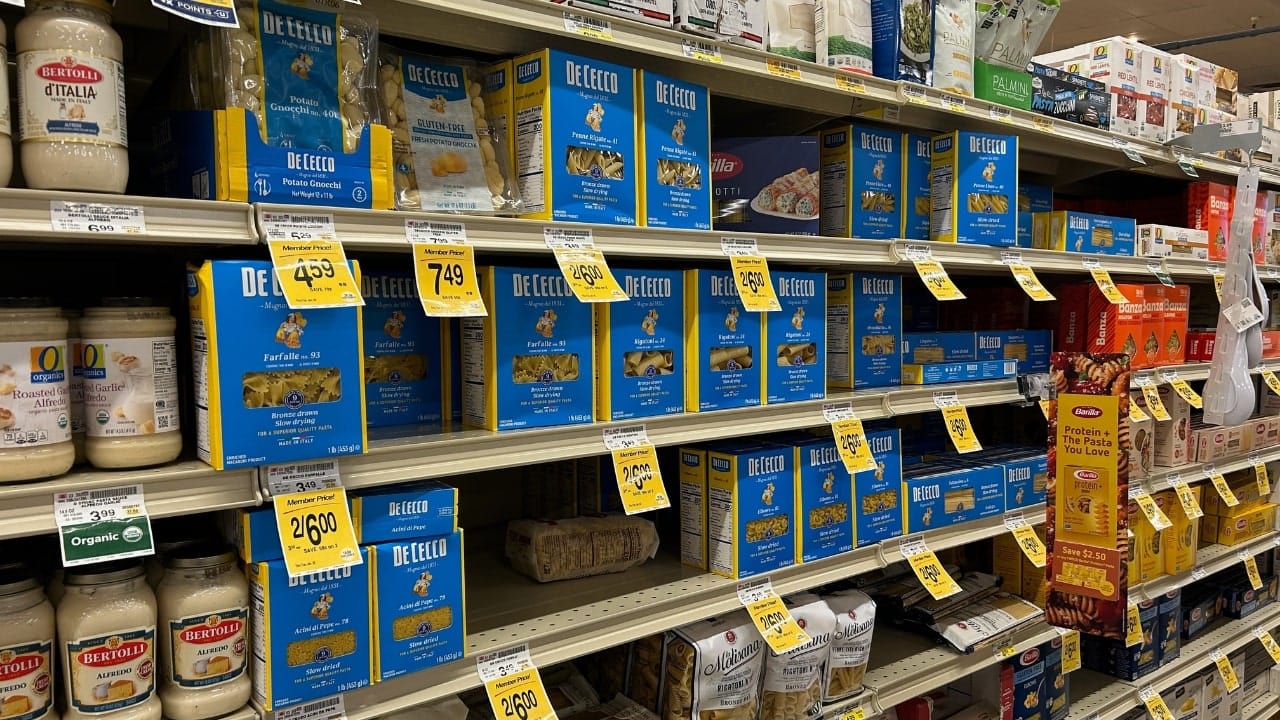
Items like pasta, canned beans, and baking supplies don't need to be name-brand. Store brands usually come from the same manufacturers and taste the same.
Switching to store-brand staples trims your grocery bill without changing your meals. Over time, those small swaps add up to significant savings.
*This article was developed with AI-powered tools and has been carefully reviewed by our editors.






Leave a Reply