
10 frugal habits that help me say yes more often
Saying yes more often-whether it's to a last-minute dinner invite, a spontaneous weekend trip, or something your kids ask for-usually comes down to how tight your budget feels that month. But when you've already built a few solid frugal habits into your routine, those yeses feel a whole lot easier.
Meal Plan Around What You Already Have

Before you ever make a grocery list, look at what's in your fridge, freezer, and pantry. If you've already got a half bag of rice and some frozen chicken, that's one night handled.
Building your meals around what's already paid for stretches your food budget and keeps waste down. The less you spend on "filler groceries," the more you can say yes to takeout with friends or a drive-thru treat for the kids.
Buy Secondhand Before Paying Retail

Getting in the habit of checking Marketplace or thrift stores first makes a huge difference long term. Whether it's clothes, toys, furniture, or tools, you'll almost always find it cheaper used.
When you're not dropping $50 on every little thing that pops up, you've got room to say yes to the stuff that matters. You'll be surprised how many "needs" turn into non-issues once you stop assuming it has to be new.
Set a Weekly Spending Limit
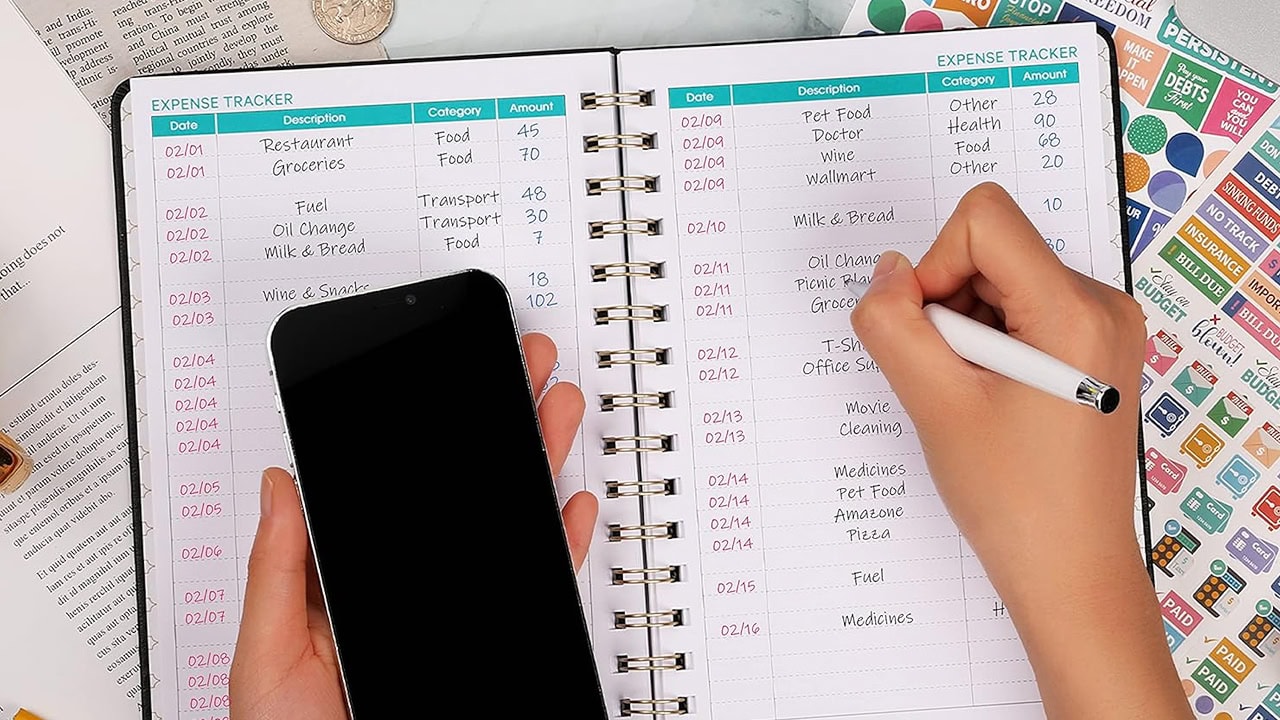
Instead of budgeting monthly, break it into weekly limits for things like eating out, extras, and fun money. It helps you stay more aware of what's left and keeps you from blowing through everything early in the month.
When you've only got $40 left for the week, you get creative fast-but that clarity helps you confidently say yes when you do have the margin, instead of always guessing.
Keep a Running List of Easy, Cheap Wins

Have a few go-to meals, gifts, and activities that are low cost but never feel cheap. Things like a movie night at home with $1 snacks, a homemade birthday treat, or a pantry dinner that's actually good.
When those ideas are already in your back pocket, it's easier to say yes to hosting friends or giving a small gift without the mental math. The key is not reinventing the wheel every time.
Automate the Bills and Transfers

Set up your accounts so the essentials-like rent, utilities, savings, and tithes-go out automatically. Once you've taken care of the big stuff, you're free to say yes without second-guessing yourself.
It also cuts down on the stress of wondering if you forgot something. When your system runs in the background, you're more focused on living your life instead of constantly catching up.
Shop With Cash for Variable Spending

Use cash envelopes or prepaid cards for things like groceries, fun money, and eating out. It keeps your limits visible, and once it's gone, it's gone.
When you've got real boundaries in place, you feel less guilt saying yes to something spontaneous because you're not pulling it from the same pile that pays the electric bill.
Choose One Big Thing to Save Toward

Having a goal you're excited about-a vacation, a weekend getaway, a big family day-makes it easier to cut back on the things you don't actually care about.
Instead of saying no to everything, you start saying yes with purpose. You're not being stingy-you're making space for something better. That shift alone makes you feel more empowered than deprived.
Learn to Fix or Repurpose Things
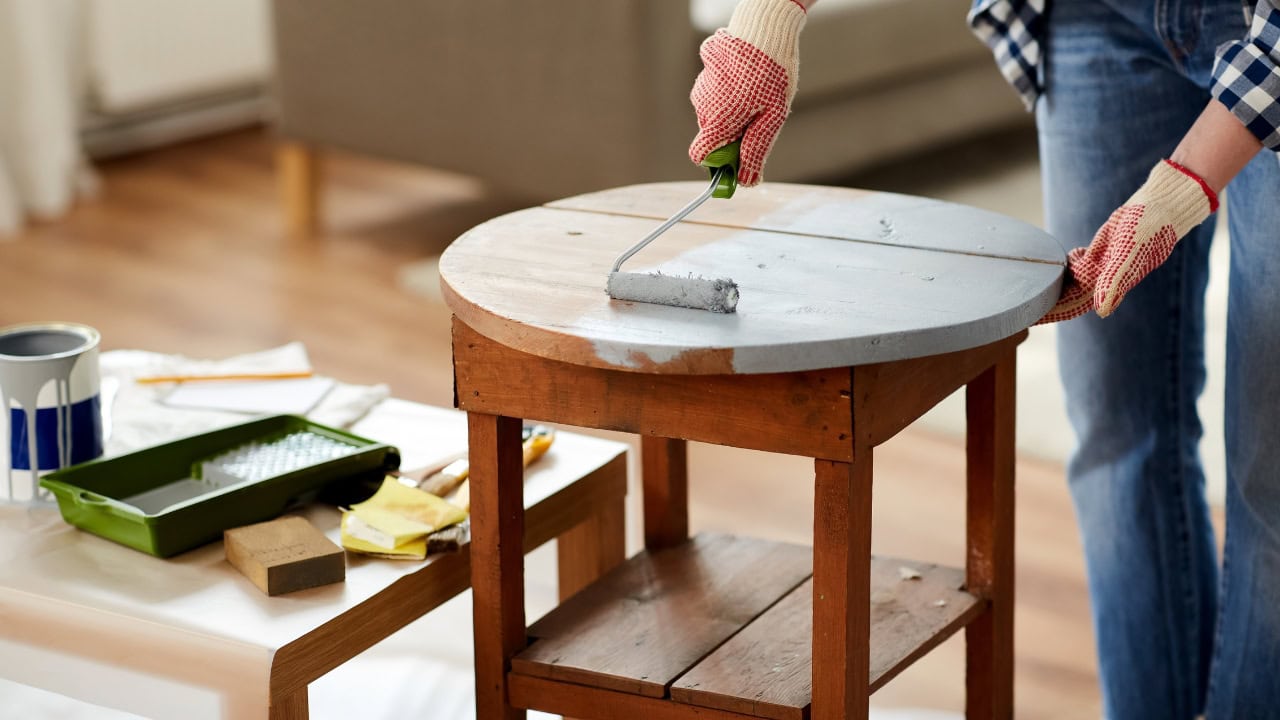
Getting comfortable with repairs, patches, and small DIYs saves more money than most people realize. Mending clothes, tightening furniture screws, or repainting something instead of replacing it all adds up.
When your instinct isn't to toss and rebuy, you're spending less by default-and that gives you breathing room to say yes when something new actually is worth it.
Skip the Trendy Extras

Trendy cleaning products, seasonal decor, and matching storage bins are fun, but they're not usually the thing that actually makes your life better. When you train yourself to pass on that kind of stuff, you free up a surprising amount of budget.
Saying no to the things that only look good in a picture makes room to say yes to experiences, real needs, or generous moments that actually stick with you.
Keep a Buffer You Don't Touch
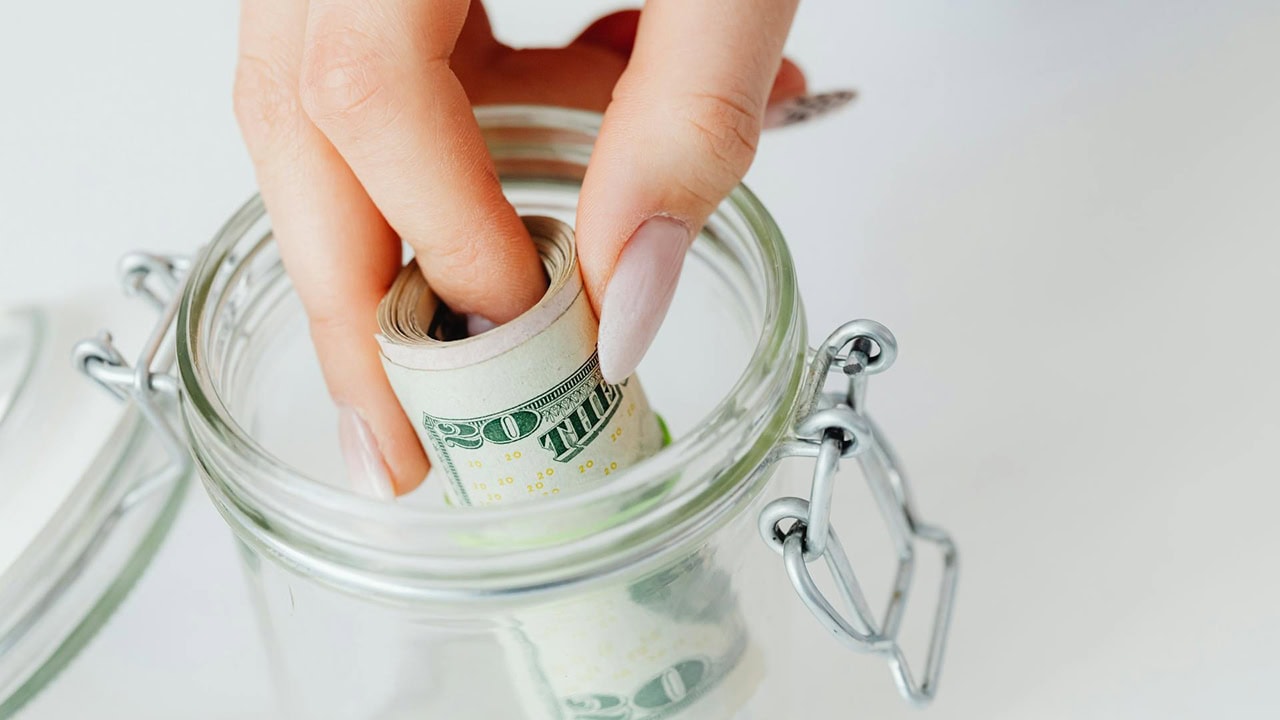
Even if it's just $50-100, having a separate buffer that you mentally label as "untouchable unless it's worth it" helps you say yes without derailing your month.
This isn't your emergency fund-it's your quiet permission slip to be generous, spontaneous, or smart when the moment calls for it. You don't have to overthink it-you've already made space.
*This article was developed with AI-powered tools and has been carefully reviewed by our editors.






Leave a Reply