
10 frugal habits that actually helped us to stop being poor
Getting ahead financially doesn't usually come from big windfalls-it comes from making steady, intentional choices that free up money over time. Frugal habits aren't about depriving yourself; they're about deciding where your money works best.
By cutting back in certain areas and focusing on what really matters, you create space to save, pay down debt, or invest in your future. Here are ten frugal choices that made the biggest difference in helping us move forward.
Cooking at home

Eating out used to be one of the biggest drains on our budget. Once we committed to cooking at home more often, the savings added up quickly.
Planning meals around sales and making use of leftovers helped stretch our food dollars even further. Over time, this one change freed up money we could use elsewhere.
Buying secondhand
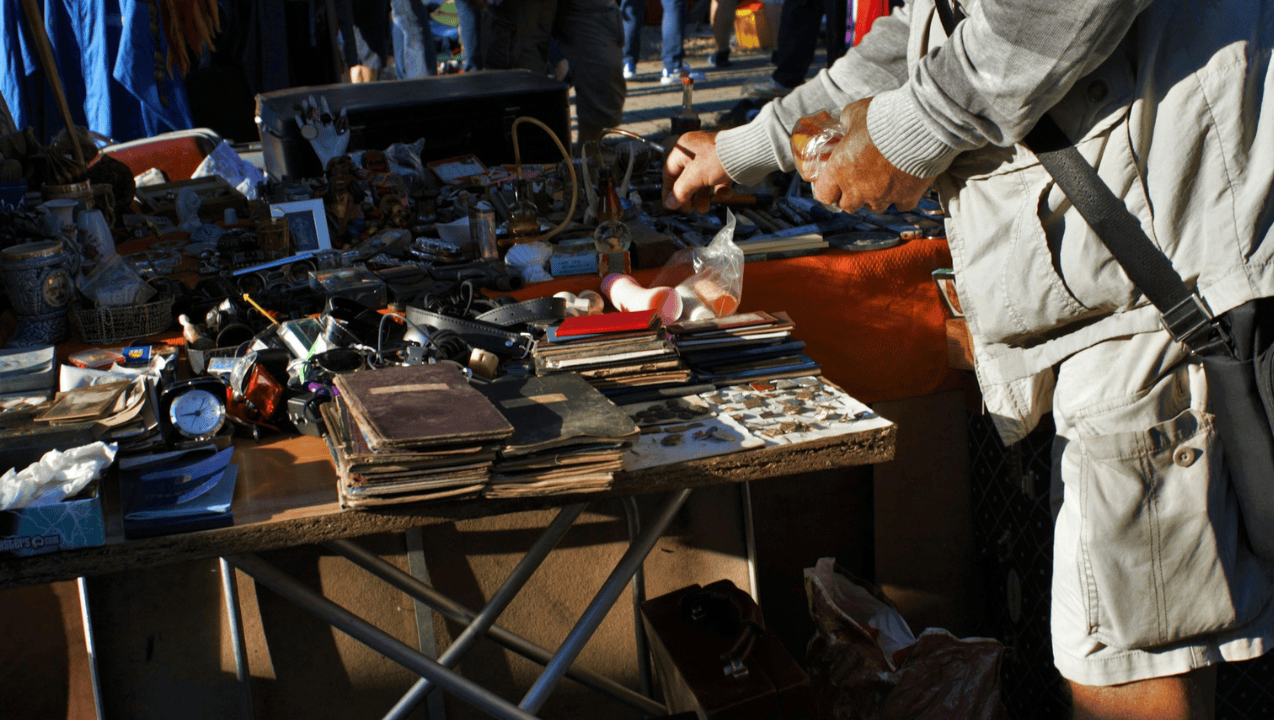
Choosing secondhand first for furniture, clothes, and even tools saved us hundreds. Thrift stores, online marketplaces, and consignment shops offered plenty of durable options.
By avoiding retail prices, we could still get what we needed without draining our budget. Many secondhand items held up better than new ones, making the savings long-term.
Cutting unnecessary subscriptions

Monthly charges for streaming, apps, and memberships added up without us realizing it. Taking the time to cancel what we didn't use gave us an instant boost.
Keeping only the services we truly valued made it easier to save each month. The habit of reviewing them regularly ensures money isn't slipping away unnoticed.
Driving older cars

Instead of upgrading every few years, we chose to keep our vehicles as long as they were reliable. Avoiding car payments gave us more flexibility in our budget.
We focused on regular maintenance and repairs instead of jumping into new loans. That decision freed up hundreds each month for savings and debt payoff.
Using cash for extras

Switching to cash for categories like eating out or hobbies made spending limits clear. Once the cash was gone, we knew to stop.
This habit helped prevent overspending and gave us more control. It turned small choices into big savings over time.
DIY home projects

Tackling basic repairs and projects ourselves instead of hiring out saved a significant amount. With tutorials and a little effort, many jobs were manageable.
By doing what we could on our own, we avoided costly labor fees. This approach stretched our budget while teaching us valuable skills along the way.
Meal planning around sales

Instead of buying groceries without a plan, we started building meals based on weekly sales. This cut down on waste and lowered our overall food bill.
Pairing sale items with what we already had in the pantry made a big difference. Shopping this way consistently added up to noticeable savings.
Delaying big purchases

When we wanted something expensive, we gave ourselves time before buying. Waiting often showed us we didn't need it, or we found it cheaper later.
This habit prevented impulse spending and kept us focused on priorities. The money we didn't rush to spend stayed in savings instead.
Reusing instead of replacing

Looking for ways to reuse what we already had became second nature. Storage containers, clothing, and household items often lasted longer than we thought.
This mindset cut down on waste and stretched our budget. Choosing to repair or repurpose instead of replacing saved more than we realized.
Living below our means

The biggest choice was deciding not to spend everything we earned. Even when income went up, we kept our expenses steady.
This habit created room for savings and investments that moved us forward. Living below our means is what gave us lasting financial breathing room.
*This article was developed with AI-powered tools and has been carefully reviewed by our editors.






Leave a Reply