
It's easy to blow through money on clothes without realizing it. You think you're saving by grabbing something on sale or following the latest trend, but some habits actually drain your wallet over time.
Between cheap fabrics that don't last, trends that fade fast, and little "extras" that never really get worn, a lot of people spend more replacing clothes than they ever needed to in the first place. If your closet feels full but your bank account doesn't, these might be the reasons why.
Buying fast fashion for every season
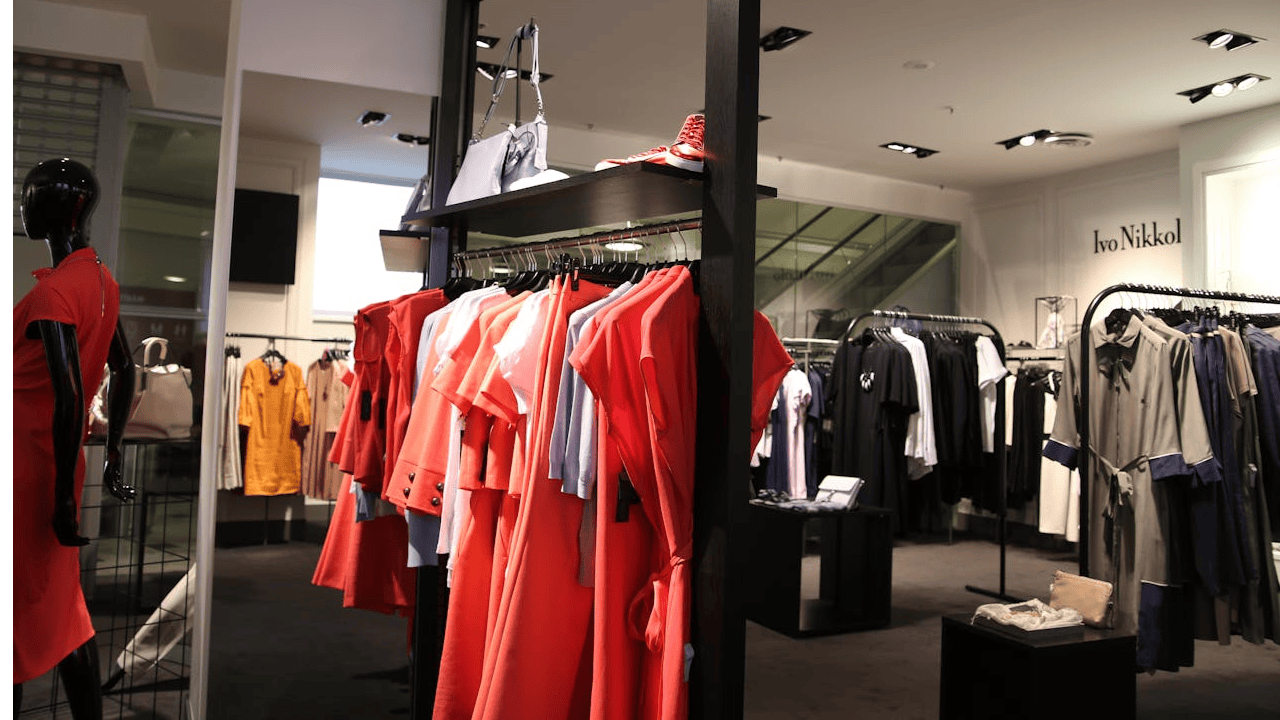
Fast fashion seems like a deal - trendy pieces for under $20 - but those savings vanish once you start replacing them every few months. The thin fabrics and rushed construction don't hold up to washing or wear.
When clothes stretch, shrink, or lose shape after a few uses, you end up spending more in the long run. Investing in better-quality basics saves money over time because they actually last.
Chasing trends too often

Trends move fast, and staying on top of them costs more than people admit. When you buy what's "in" each season, half of it ends up outdated or unworn within a year. That's money sitting in your closet doing nothing.
Stick to timeless pieces that work year after year. You can still add a few trendy touches, but make them accents, not the foundation of your wardrobe.
Ignoring care labels
A lot of people ruin good clothes by ignoring the washing instructions. Throwing "dry clean only" pieces in the washer or using high heat on delicate fabrics shortens their lifespan - and that means spending more on replacements.
Always check the tag before tossing something in the wash. Following care directions keeps your clothes looking new longer and saves you from expensive dry-cleaning mistakes.
Overpaying for logos

Designer logos might look impressive, but you're often paying for branding, not better quality. Many mid-range brands use the same fabrics and factories for a fraction of the price.
If you like the look of designer pieces, you can find similar quality from smaller labels or secondhand stores. Paying extra for the logo doesn't make sense if the material wears out at the same rate.
Buying clothes that don't fit right
A bad fit can make even expensive clothes look cheap - and when something doesn't fit, you're less likely to wear it. That's money wasted on pieces that stay in the closet.
Take the time to try things on or spend a little on tailoring. A well-fitted $40 jacket looks better than a $200 one that hangs wrong.
Shopping for events instead of your lifestyle

Buying outfits for one-time events - weddings, parties, or vacations - adds up fast. You wear it once, it hangs for years, then ends up in a donation pile.
Before buying, ask if it works for more than one occasion. Renting or borrowing for special events saves money and closet space, especially for pieces you'll only wear once.
Ignoring secondhand options
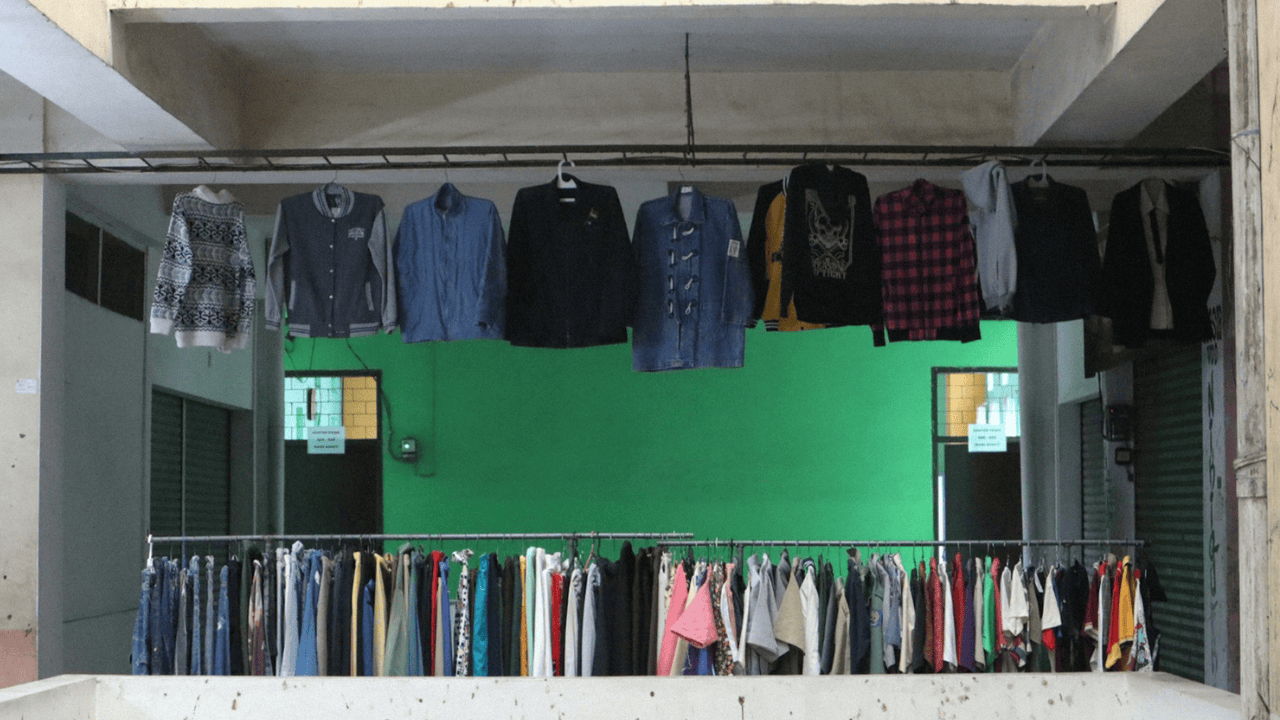
Some people avoid thrift stores or resale apps, assuming everything's worn out or outdated. But you can find high-quality pieces - even designer - for a fraction of retail price.
Shopping secondhand stretches your budget further and helps you buy better materials without overspending. It's also one of the easiest ways to build a more durable wardrobe without sacrificing style.
Falling for "buy more, save more" sales
Those tiered discounts - like "buy two, get one half off" - sound great but often push you to buy things you don't need. If you weren't planning to spend that money, you didn't save anything.
Sales can be smart when you already need replacements, but buying to hit a discount threshold always backfires. Stick to what you actually planned to buy, not what the sign tells you to.
Forgetting about alterations
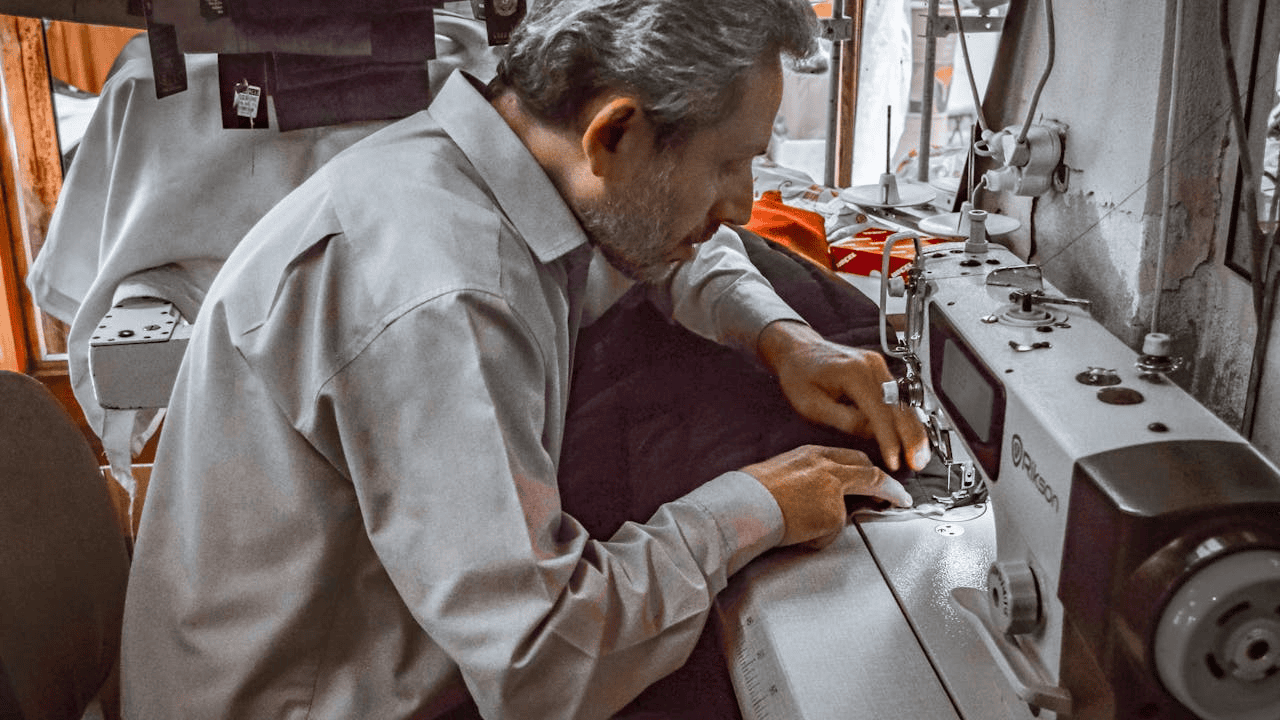
A lot of people give up on clothes too soon because of small issues - a loose button, too-long hem, or slightly tight waistband. Fixing those problems is almost always cheaper than buying something new.
Find a local tailor or learn a few basic sewing fixes. Small adjustments can make old clothes wearable again and extend their life for years.
Not tracking what you actually wear

If you've ever said, "I have nothing to wear," while staring at a full closet, you're not alone. Most people wear 20% of their wardrobe 80% of the time - which means the rest is wasted money.
Pay attention to what you reach for most and stop buying things that never leave the hanger. Focusing on what you actually wear makes your wardrobe (and budget) work smarter.
*This article was developed with AI-powered tools and has been carefully reviewed by our editors.






Leave a Reply