
10 expensive ingredients that are almost always a waste
It's easy to get pulled in by fancy ingredients that promise to take your cooking to the next level-but the truth is, some of them don't live up to the price. Whether it's something trendy, overhyped, or just not that different from a cheaper alternative, there are a lot of grocery splurges that quietly collect dust in the back of the pantry.
If you’re trying to stretch your grocery budget or just cook smarter, here are the ingredients you can skip without missing a thing.
Truffle Oil
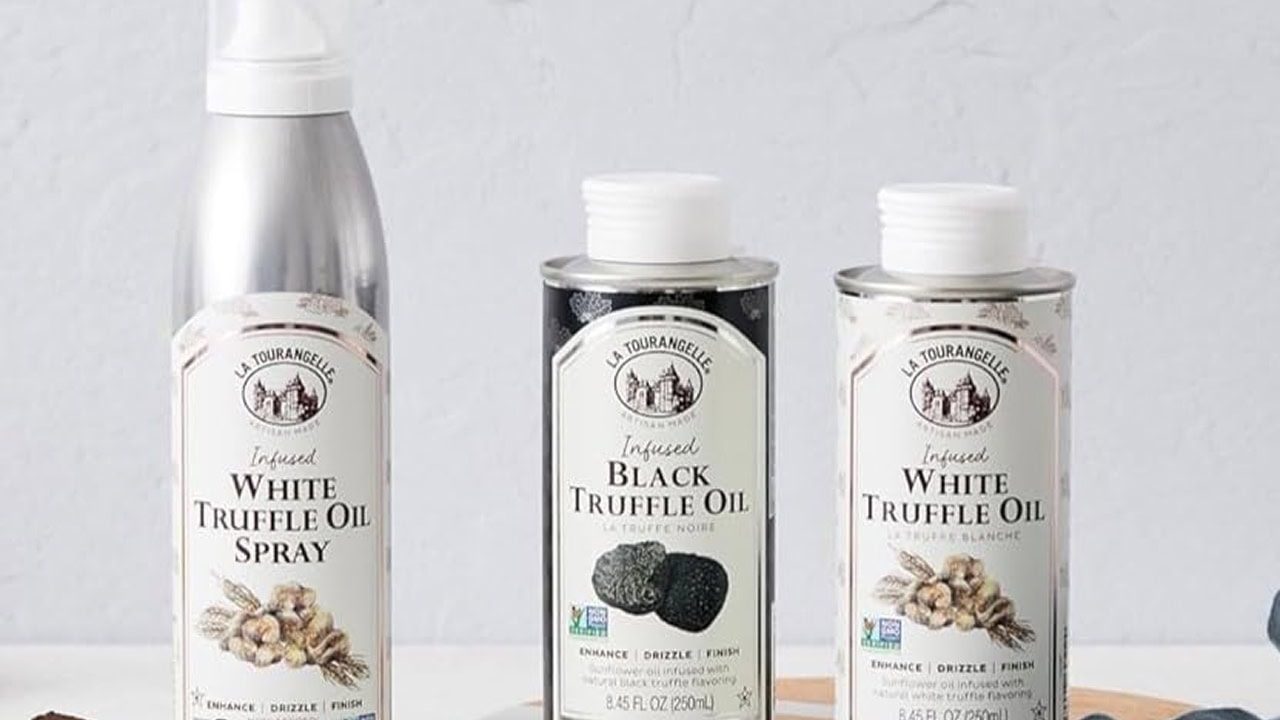
Truffle oil sounds fancy, but most of what's sold in stores doesn't contain real truffles-it's usually infused with synthetic flavoring. It's also extremely overpowering, and a few drops can throw off the balance of a dish fast.
Unless you're cooking in a high-end kitchen with access to actual truffles, the oil won't add much more than a strong, artificial mushroom taste. You can get better depth from mushrooms, garlic, or a splash of soy sauce for way less.
Saffron
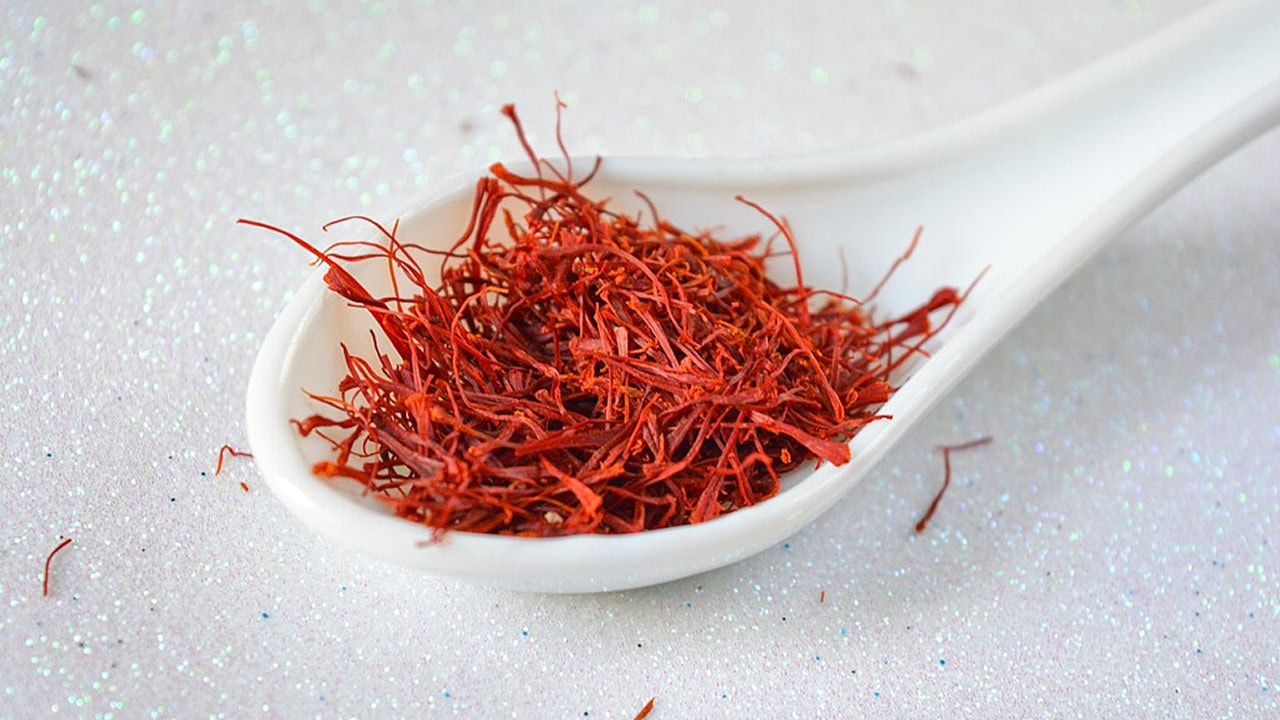
Saffron is known for being one of the most expensive spices in the world-but for home cooks, it rarely makes enough of a difference to justify the cost. It adds a mild floral note and a golden color, but not much else unless you use a lot.
There are plenty of budget-friendly ways to add flavor and color to dishes like rice or stew without spending $15 on a tiny vial. Turmeric or smoked paprika can give you similar visual impact for a fraction of the price.
Aged Balsamic Vinegar
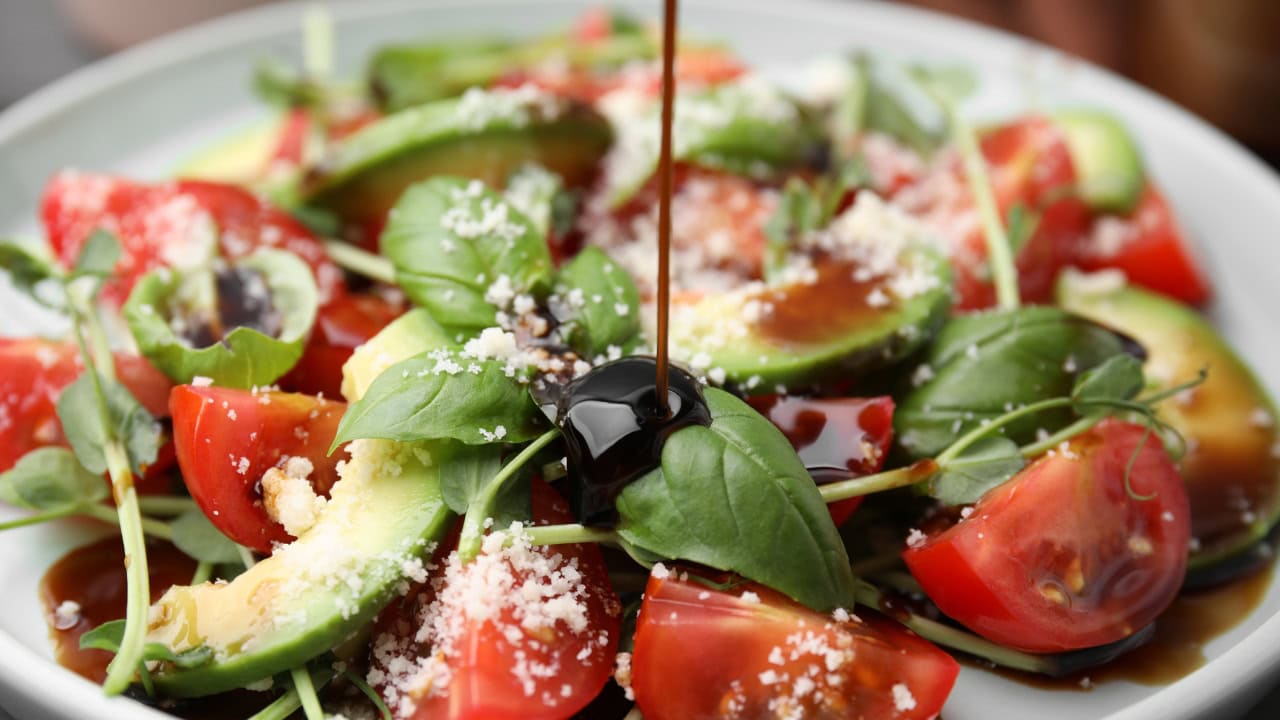
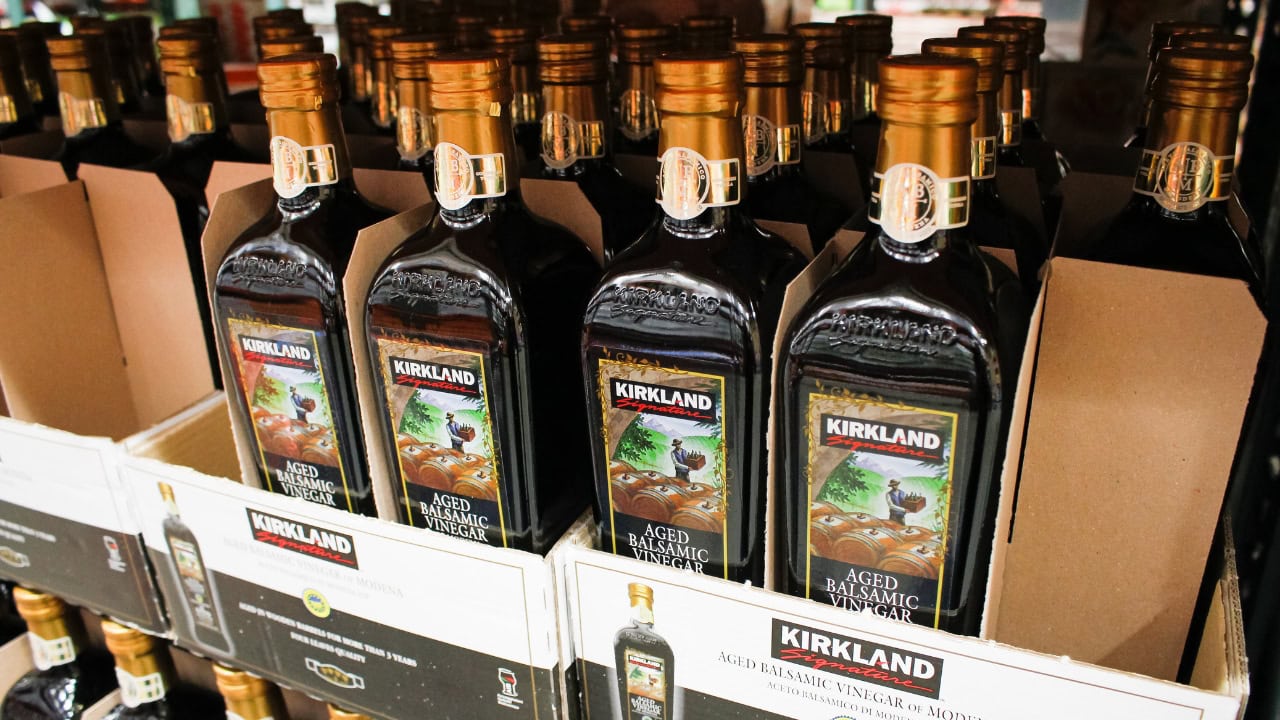
Aged balsamic vinegar can be incredible-but only if you're buying the real deal, which can run $100+ a bottle. Most "aged" balsamic at the grocery store is just regular vinegar thickened with additives to seem premium.
For everyday use, a decent-quality regular balsamic works fine, especially when reduced or mixed into dressings. You're not going to taste the difference drizzled over salad or roasted veggies unless you’re really into balsamic.
Vanilla Beans
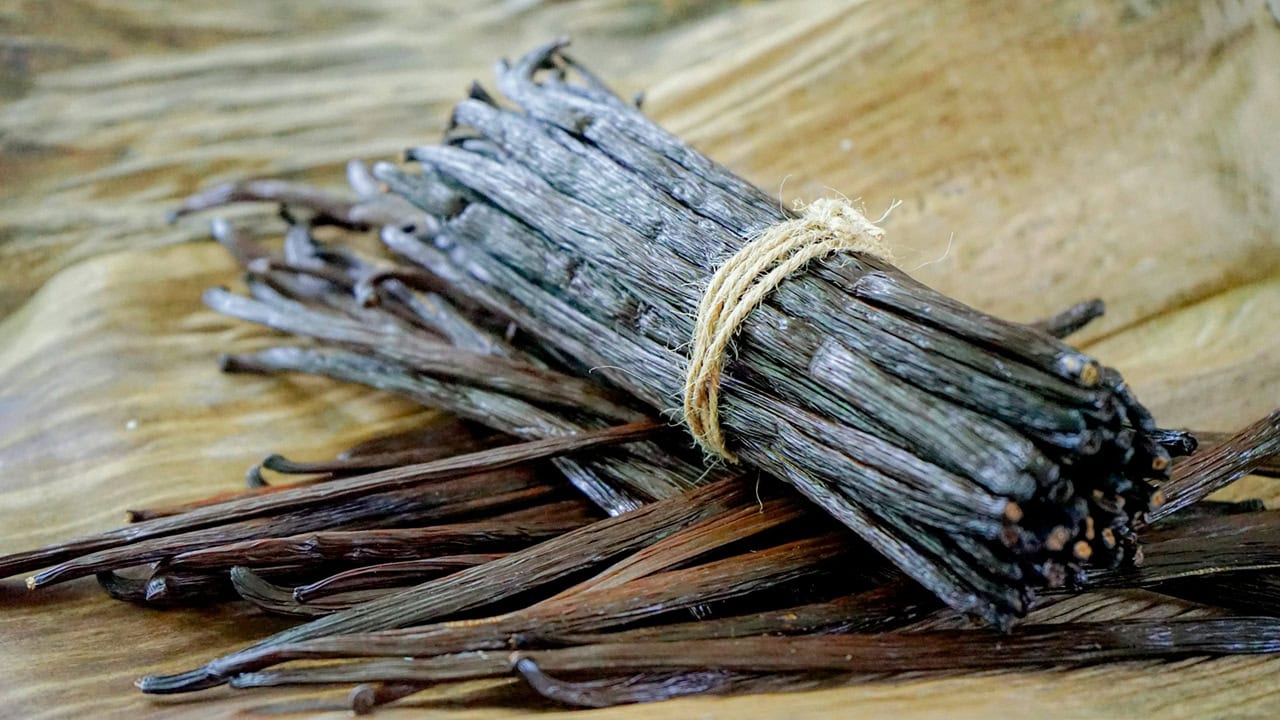
Vanilla beans look impressive, but they're expensive-and unless you're baking something where vanilla is the main flavor, you probably won't notice the difference. Most people can't tell if a cookie was made with extract or a scraped pod.
Vanilla extract, especially if it's real and not imitation, gives you solid flavor without the hassle or the cost. Save the beans for special occasions or skip them altogether without feeling guilty.
Artisan Sea Salt
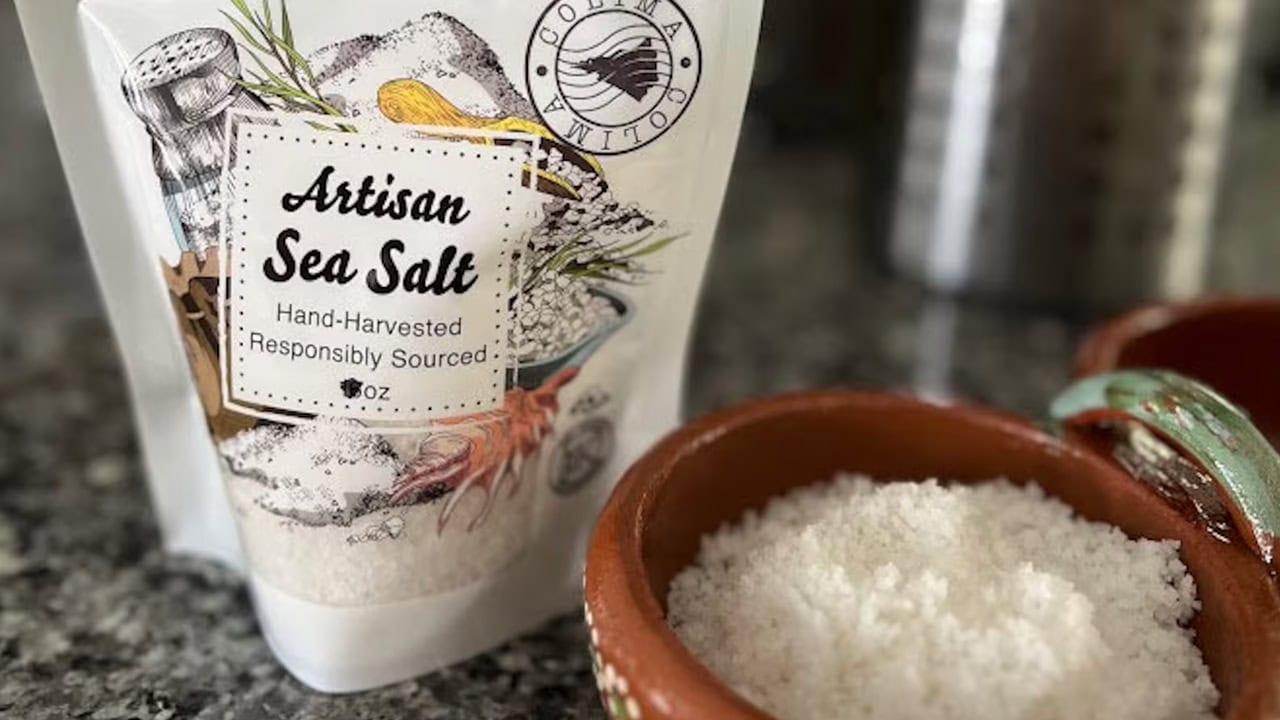
There are dozens of fancy sea salts out there with clever names and high price tags. In the end, it's still salt. Unless you’re finishing a dish where texture and crunch actually matter, the type you use doesn't make a huge difference.
Kosher salt works for nearly everything in a home kitchen. Spending extra on pink Himalayan flakes or smoked crystals doesn't really change the outcome of most meals-it just eats into your grocery budget.
Fresh Truffles
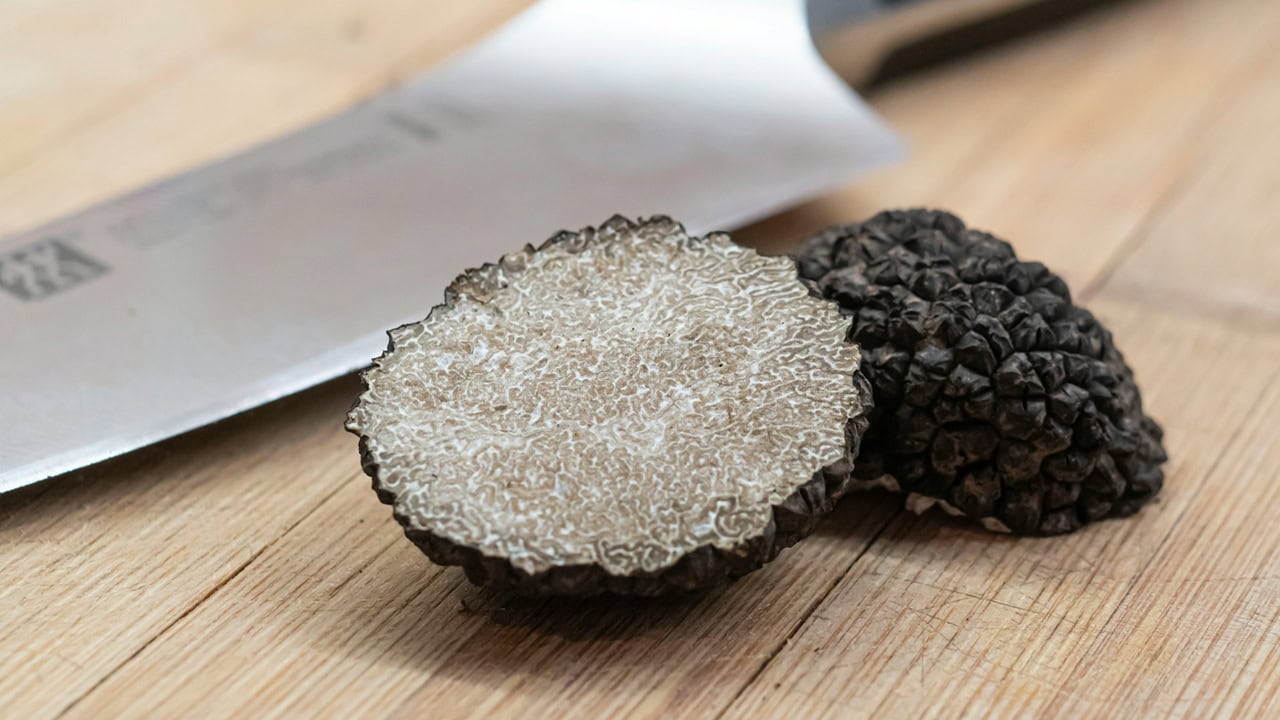
Fresh truffles are insanely expensive and incredibly delicate. You have to use them right away, and even then, the flavor can be underwhelming unless you know exactly how to prep and pair them.
Most home cooks don't get enough impact from them to make the price worthwhile. Unless you're making a special dinner with someone else footing the bill, skip it and stick to ingredients you'll actually use.
Fancy Bottled Water for Cooking

If you've ever seen recipes calling for "spring water" or "filtered bottled water" in pasta or soup, don't fall for it. Unless your tap water has a strong off-taste, there's no need to use anything but what comes out of the faucet.
Your pasta doesn't know the difference, and neither will anyone eating it. Save the bottled stuff for drinking if you prefer it, but don't waste it on boiling potatoes or making stock.
Pre-Shredded Gourmet Cheese
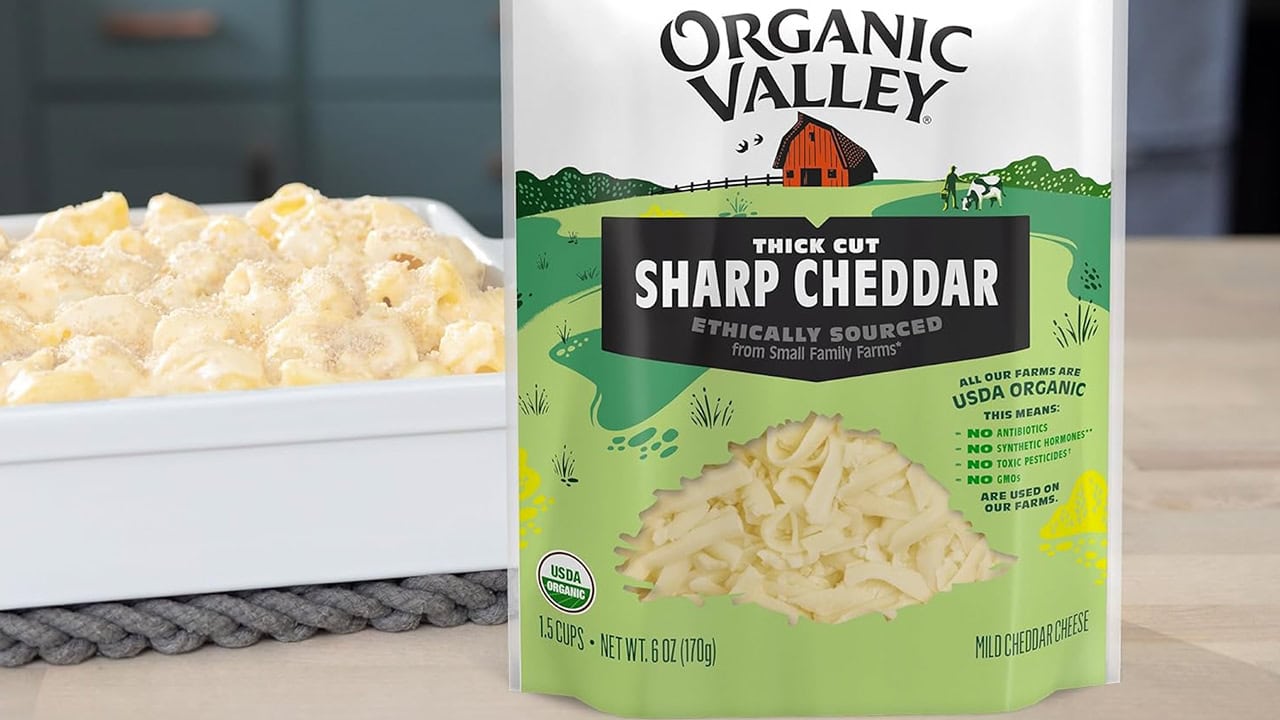
The fancier the cheese, the more you're paying for the packaging when it's pre-shredded. Once it's shredded, it's also coated in anti-caking agents that affect how it melts and tastes.
You'll get better texture and stronger flavor by buying a block and shredding it yourself. It's cheaper, lasts longer, and actually performs better in recipes-especially when you're baking or melting.
Flavored Olive Oil
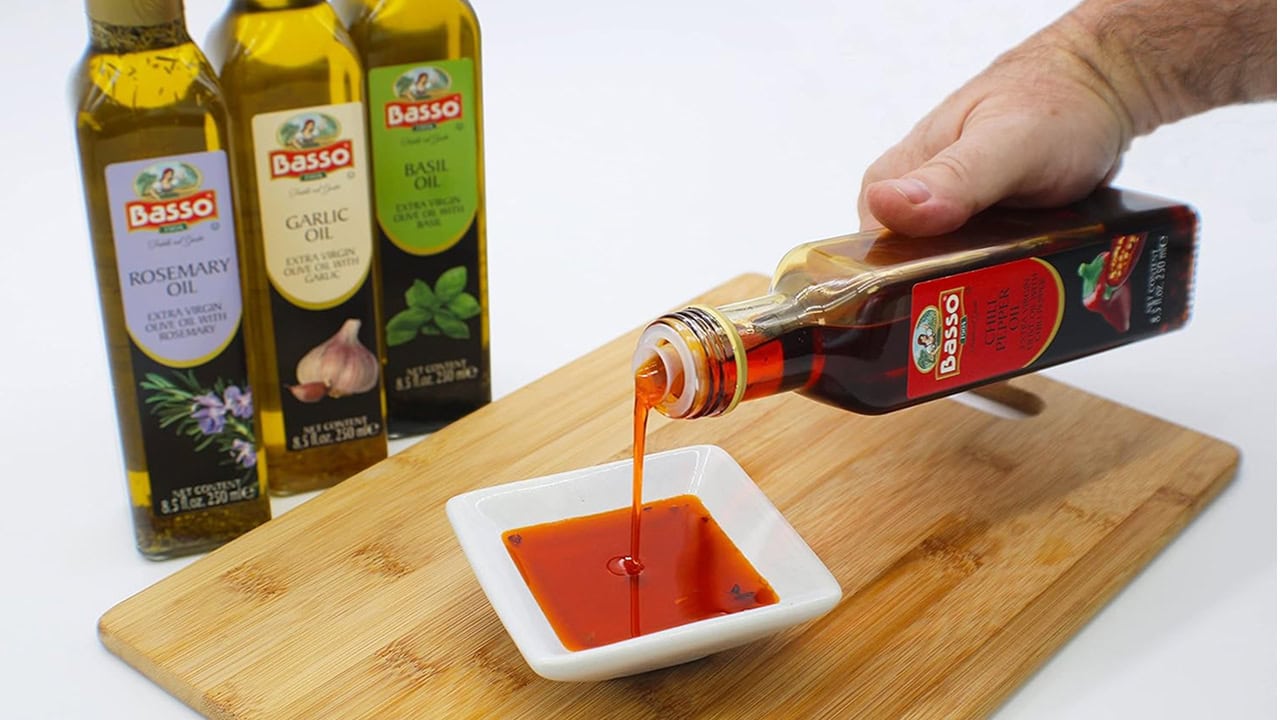
Infused olive oils are tempting, but they're usually not worth the price. Garlic, lemon, or chili oil might sound like a shortcut, but the flavors are often muted or go rancid quickly.
You can get better results by adding fresh garlic or herbs to regular olive oil as you cook. That way, you're not locked into one flavor and you're not spending extra on something that's already halfway to going bad.
Bottled Salad Dressing
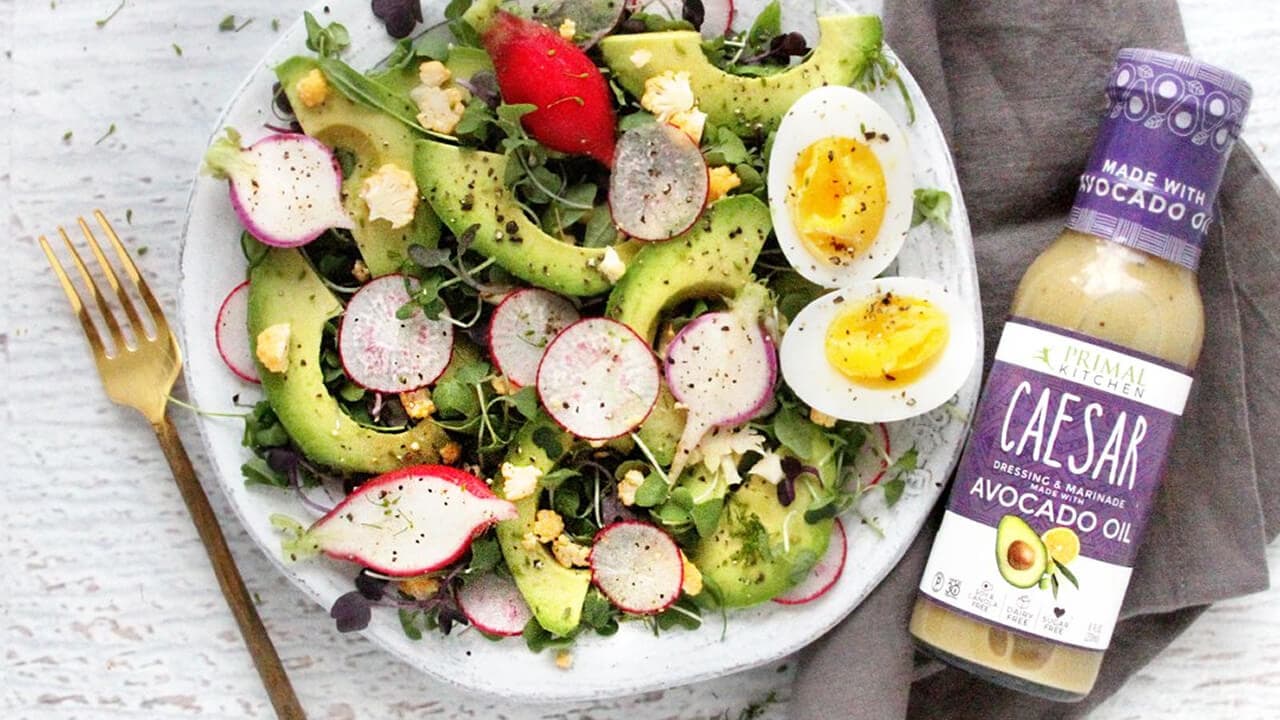
Fancy bottled dressings with "craft" labels or imported ingredients can cost way more than they need to. Most are filled with the same oils, vinegars, and sweeteners you already have at home.
Homemade dressing takes five minutes and tastes better every time. You'll save money, skip the preservatives, and avoid paying six bucks for something that's mostly canola oil and sugar in a nice bottle.
*This article was developed with AI-powered tools and has been carefully reviewed by our editors.






Leave a Reply