
10 end-of-month habits that reset your budget fast

The end of the month is the perfect time to check in with your money and get things back in order before the next round of bills hits. A quick reset can help you see what worked, what didn't, and where your money actually went.
You don't need a complicated system-just a few consistent habits that keep you grounded and ready for the month ahead. These end-of-month routines can help you catch mistakes early, make better decisions, and start fresh without stress.
Check your actual spending against your budget

Take a few minutes to look at what you planned to spend versus what you actually did. This gives you a clear picture of where things went off track.
If you're consistently overspending in one area, that's your cue to adjust for next month. Awareness is the first step to real control.
Move leftover money to savings

If there's any money left over at the end of the month, transfer it straight to savings before it disappears. Even small amounts matter.
When you move it intentionally, it stops being "extra" and becomes progress toward something meaningful-like an emergency fund or debt payoff.
Pay off small balances
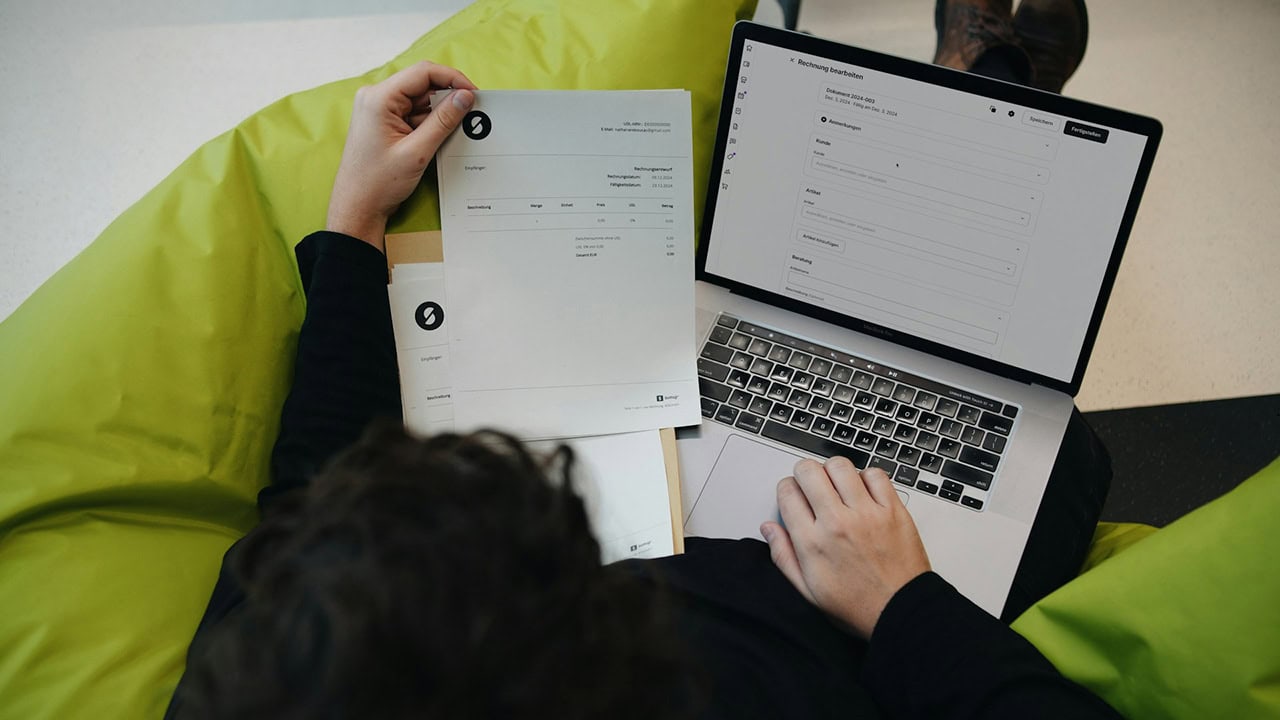
If you have lingering balances on credit cards or small bills, clear them out before the new month starts. It simplifies your finances instantly.
The fewer payments you're juggling, the easier it is to stay organized and avoid late fees that eat into your budget.
Review your subscriptions

Subscriptions are easy to forget about but add up fast. Check your bank statement and see what renewed without you realizing it.
If you didn't use it this month, cancel it. That small habit can save you hundreds over a year without feeling like a sacrifice.
Plan for known expenses next month

Every month has those predictable costs-birthdays, car maintenance, school events. List them now so you can plan for them ahead of time.
When you expect these expenses instead of being surprised, your budget stops feeling like it's working against you.
Refill sinking funds

If you use sinking funds for things like holidays, travel, or home repairs, top them off at the end of the month. That small step keeps future expenses from catching you off guard.
It's a proactive move that smooths out your spending instead of letting everything hit at once.
Declutter your wallet and receipts
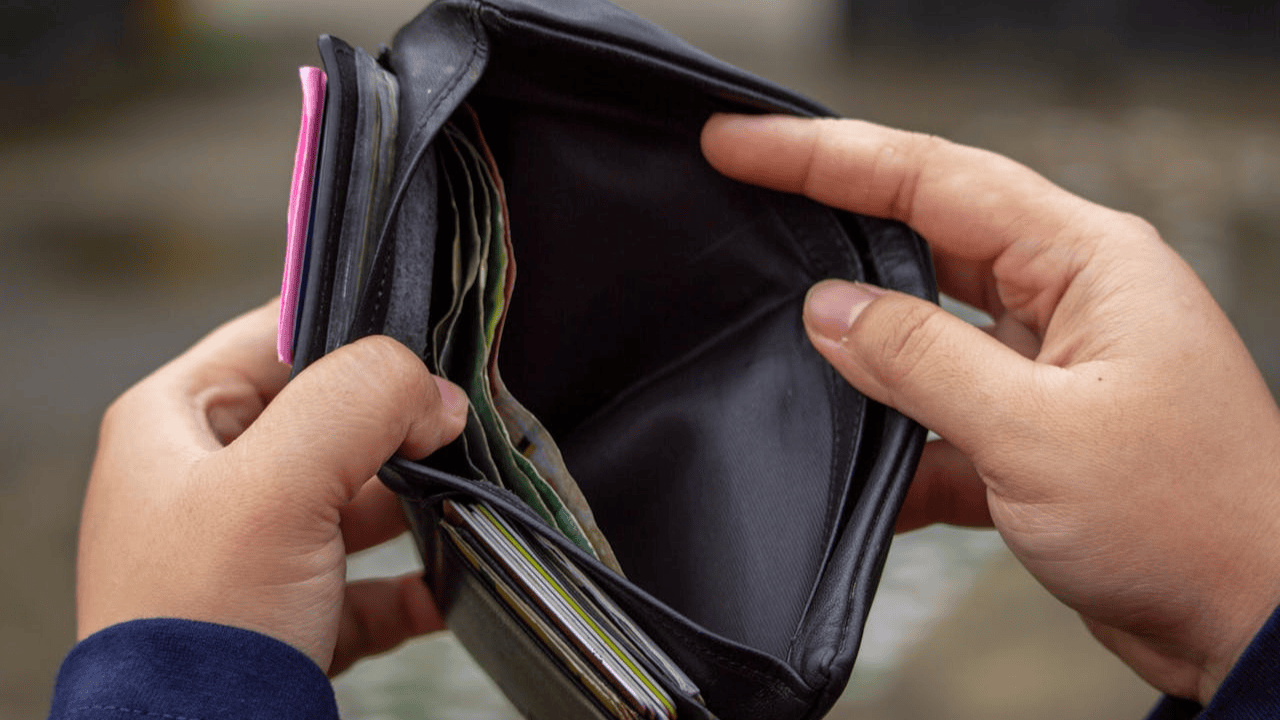
Clean out old receipts, expired coupons, or cards you don't use. Keeping your wallet organized helps you see what's actually available to spend.
It sounds small, but this quick reset gives you a sense of control and makes you more mindful of where your money's going.
Check your automatic payments

Auto-pay is great until something changes and you don't catch it. Review what's being pulled automatically each month.
Make sure every payment is still accurate, and pause any that no longer make sense. This keeps your money flowing where it should.
Adjust your grocery and gas estimates

If you've been overspending in these two categories, look back and adjust your expectations. These are the most common places budgets go off course.
Bumping those numbers slightly-while cutting back somewhere else-can make your budget more realistic and easier to stick with.
Write a quick money summary

End each month by jotting down what went well and what didn't. It doesn't have to be detailed-just a few notes in your phone or notebook.
Over time, you'll start to see patterns in your spending and habits. That reflection is what turns budgeting into something sustainable, not stressful.
*This article was developed with AI-powered tools and has been carefully reviewed by our editors.






Leave a Reply