
10 credit card habits that cost me $400 a year
Credit cards are one of those things that can either work for you or quietly drain your wallet. Most people think the real damage comes from interest-and it can-but fees, poor timing, and overlooked benefits can add up just as fast.
I didn't realize how many small habits were quietly costing me until I sat down and added it all up. If you’re trying to keep more money in your pocket, these are the habits worth breaking.
Paying Your Bill Late by a Day or Two
Even if you pay off your balance in full, being late by one day can trigger a late fee. Most cards charge around $30-$40 each time, and those can stack quickly if you're not careful.
I got in the habit of waiting until the due date to pay, and more than once, I misjudged the processing time. A small delay doesn't seem like a big deal, but it's an easy way to throw away money for nothing.
Letting Rewards Points Expire

Credit card rewards don't always last forever. Depending on your card, points can expire after a year or two of inactivity, or even sooner if your account closes or changes.
I lost over $100 in points once because I didn't track them or use them in time. If you’re not logging in regularly or cashing out rewards when they build up, you could lose money that's technically yours.
Using the Wrong Card for Big Purchases
Not all cards earn the same rewards. Some give better cash back for groceries, others for gas, and some for online shopping. Using the wrong card for big purchases means missing out on extra points or cash.
I kept using the same card out of habit, even when I had a better option for specific categories. That added up to at least $50-$100 in lost rewards every year without me even realizing it.
Not Paying Attention to Annual Fees
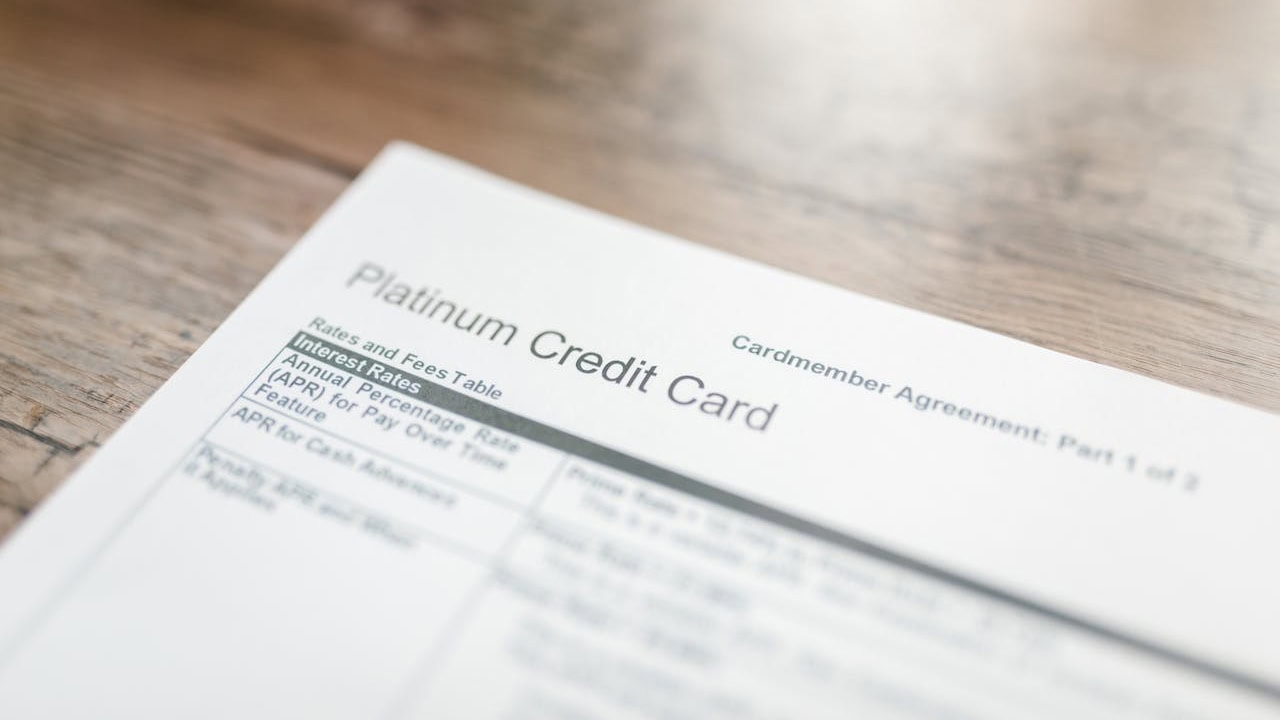
Some credit cards come with perks, but the annual fee might outweigh the benefits if you're not using them fully. If you’re not traveling often or taking advantage of premium offers, that fee's a waste.
I paid $95 for a card that didn't give me anything I actually needed that year. Canceling it or downgrading to a no-fee version would've saved me instantly. Don't assume the perks are worth it without running the numbers.
Ignoring Small Subscription Charges

It’s easy to put a subscription on autopilot and forget about it. But when it’s tied to a credit card, it quietly charges every month-and if you forget to cancel, you're losing money you never meant to spend.
I had two small subscriptions I didn't use anymore, adding up to over $200 a year. That's half the total loss right there. Going through your monthly statement once a month is a good way to catch what's slipping through.
Not Setting Up Auto Pay for the Minimum

Even if you want to pay manually each month, having autopay set for the minimum can protect you from late fees. One missed payment can mean a fee and a ding to your credit.
I once forgot to hit "submit" on a payment, and it cost me $35. If I'd had the minimum on autopay, it would've been covered. It's one of the easiest ways to protect yourself from dumb mistakes.
Taking Cash Advances in Emergencies

Using your credit card for a cash advance might feel like a quick fix, but it's an expensive one. You usually get hit with an upfront fee and higher interest from day one.
I used mine once in a bind and ended up paying nearly $100 more than I borrowed. It's better to have a small emergency fund or look into other short-term solutions. Cash advances should be a last resort, not a habit.
Carrying a Balance and Making Small Purchases
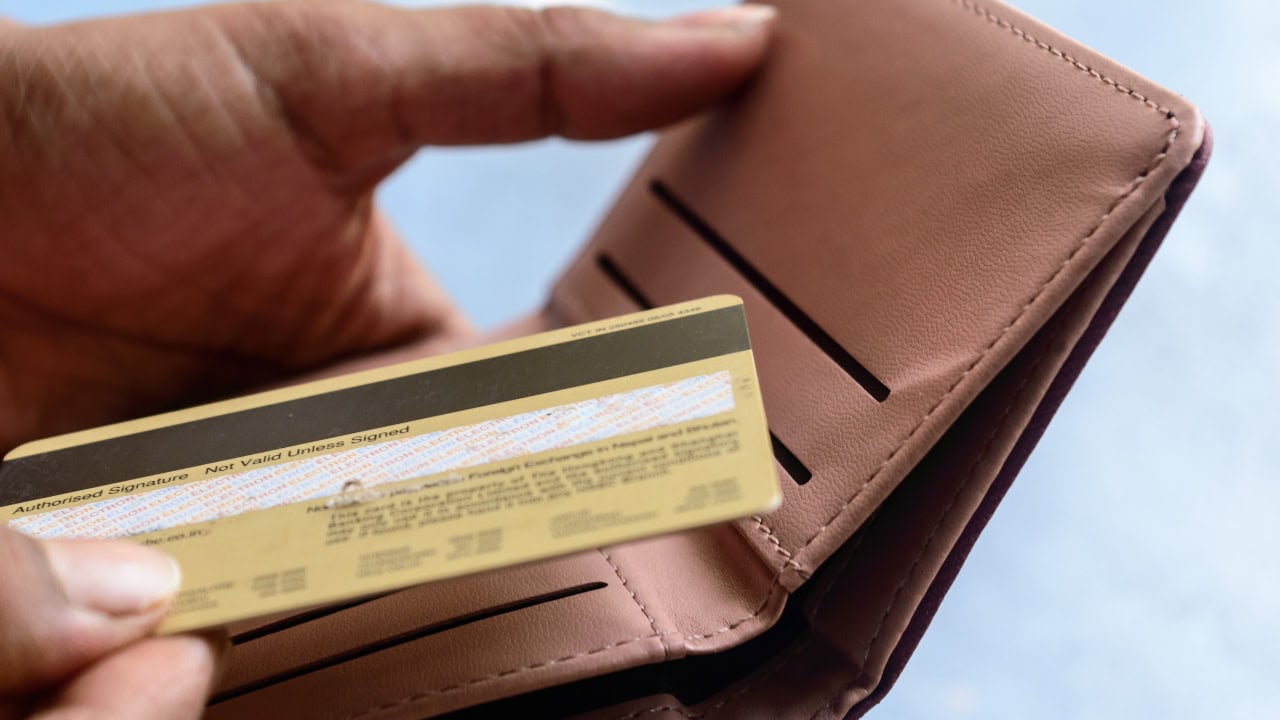
When you already have a balance that's growing interest, every new charge gets added to that. Even if you think you'll pay it off soon, interest starts building immediately.
I used to treat my card like a debit card even when I had a balance-and those $10-$20 purchases made my interest bill worse. When you're carrying a balance, keeping the card in your wallet can make a real difference.
Skipping the Fine Print on Intro Offers
A lot of cards offer a sign-up bonus or 0% interest period, but there's always fine print. If you don't meet the spending threshold or miss a payment, you lose the perk and often get hit with a penalty.
I missed out on a $200 bonus once because I was $20 short of the spending requirement. That's an easy mistake to avoid if you read carefully and set reminders as soon as you activate the card.
Using Cards with Foreign Transaction Fees
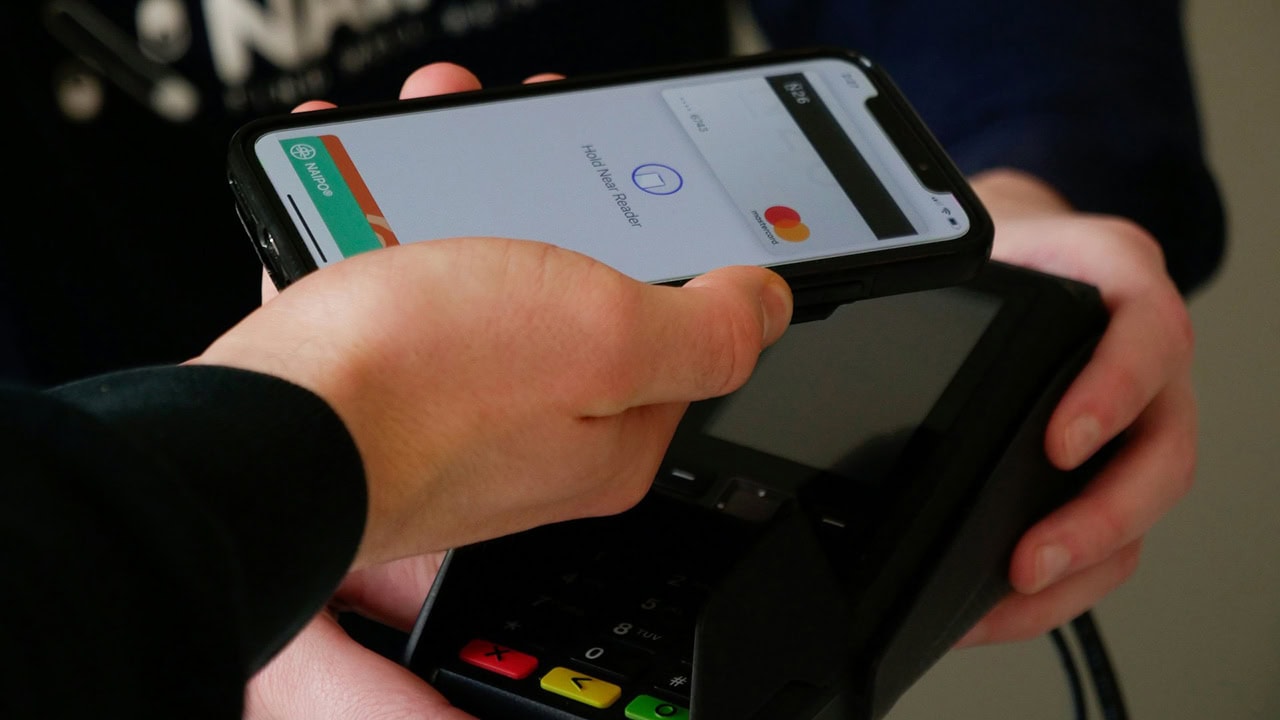
If you shop online or travel out of the country, foreign transaction fees can sneak in. They're usually 1-3% of the purchase-and that adds up fast over the year.
I didn't realize one of my favorite online stores was charging in another currency, and I kept getting hit with extra fees. Using a card that waives them or switching where you shop can save a good chunk by year's end.
*This article was developed with AI-powered tools and has been carefully reviewed by our editors.






Leave a Reply