
You don't have to spend $8 on a specialty cleaner to get results. Most of the time, those big-brand bottles are full of filler with a scent slapped on top. I started looking closer at what I was buying and realized how many of my go-to products could be replaced with something cheaper that worked just as well-or better.
A lot of $2 alternatives clean more thoroughly, last longer, or stretch further when you make a few smart swaps.
All-Purpose Spray → Diluted Castile Soap
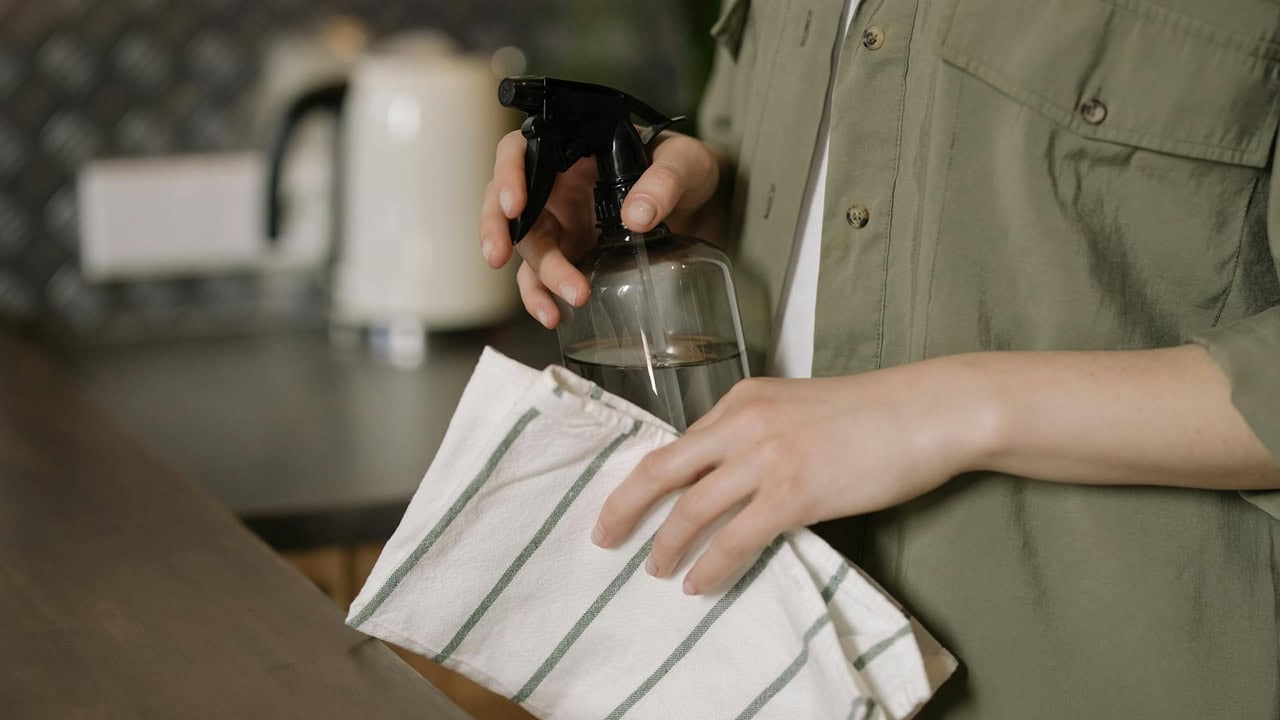
Most all-purpose sprays are just watered-down surfactants with fragrance. A $2 bottle of Castile soap lasts ages and works on everything from countertops to cabinets when you mix a small amount with water in a spray bottle. It cuts grease, rinses clean, and doesn't leave that sticky film behind.
You can customize the ratio depending on how dirty the surface is, which gives you more control than a pre-mixed cleaner. Plus, it's safe enough for kids' toys and high chairs without needing a separate "baby-safe" version.
Glass Cleaner → Vinegar and Water
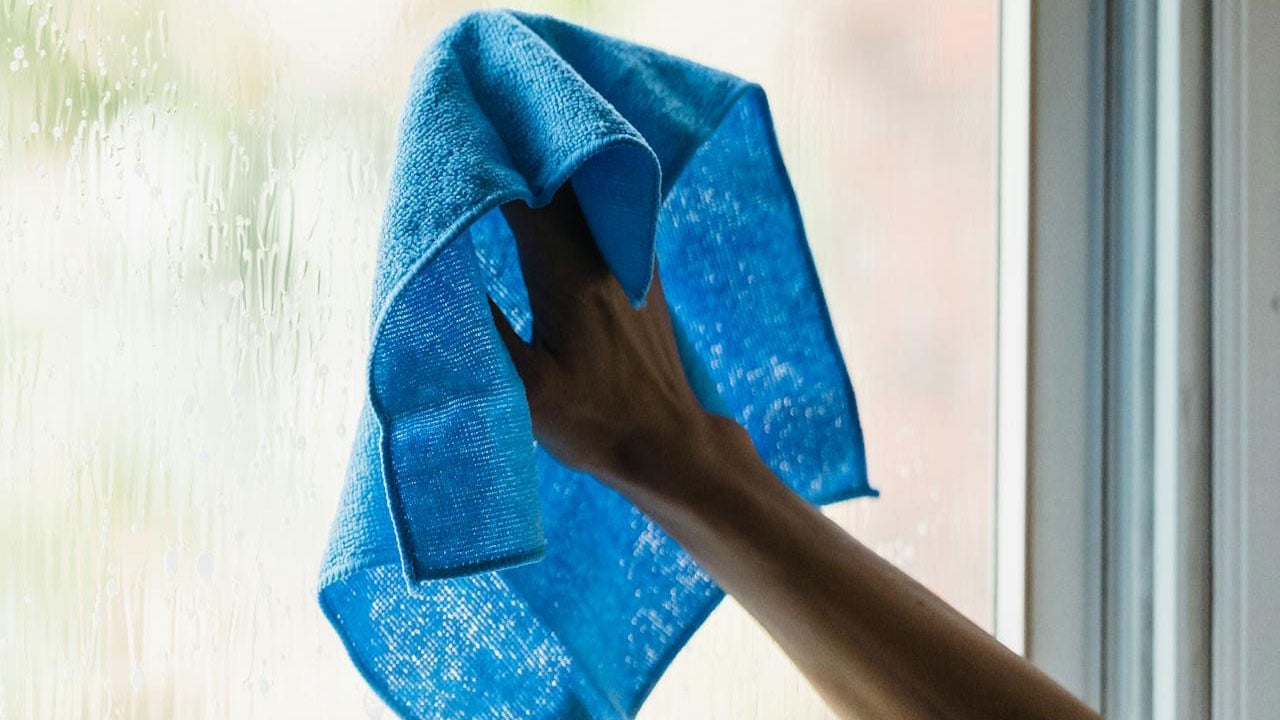
Window sprays promise streak-free shine, but a dollar-store spray bottle filled with equal parts white vinegar and water does the same thing for a lot less. Vinegar evaporates clean, cuts through fingerprints and haze, and doesn't leave that weird film some sprays do.
You can wipe with newspaper, a microfiber cloth, or even a coffee filter if you're out of the others. It works on mirrors, windows, stainless steel, and faucet fixtures-no blue dye required.
Stainless Steel Polish → Olive Oil
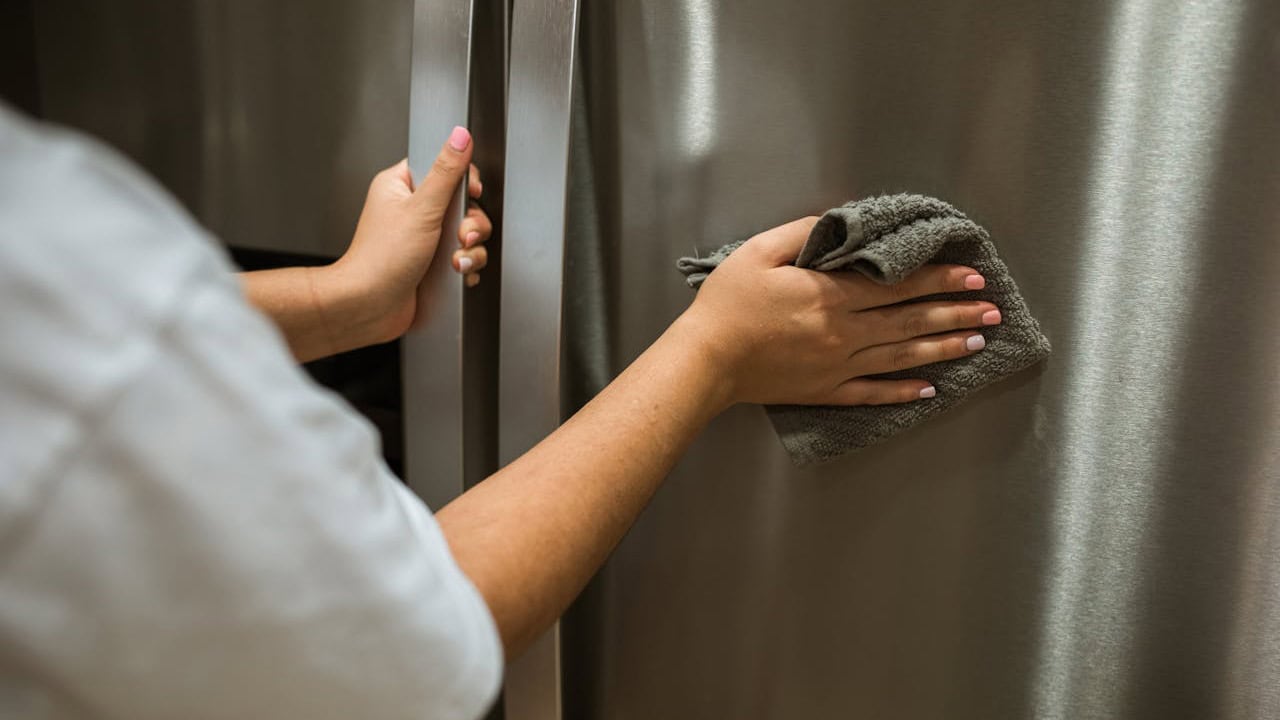
You don't need a special polish to make your appliances look clean. A tiny bit of olive oil on a rag buffs stainless steel better than most sprays, and you probably already have it in the kitchen. It hides fingerprints, evens out smudges, and gives that clean, even finish.
You're not using enough for it to feel greasy-just a few drops worked in the direction of the grain. It holds up well, and you're not paying for a fancy label or extra chemicals.
Toilet Bowl Cleaner → Baking Soda and Vinegar
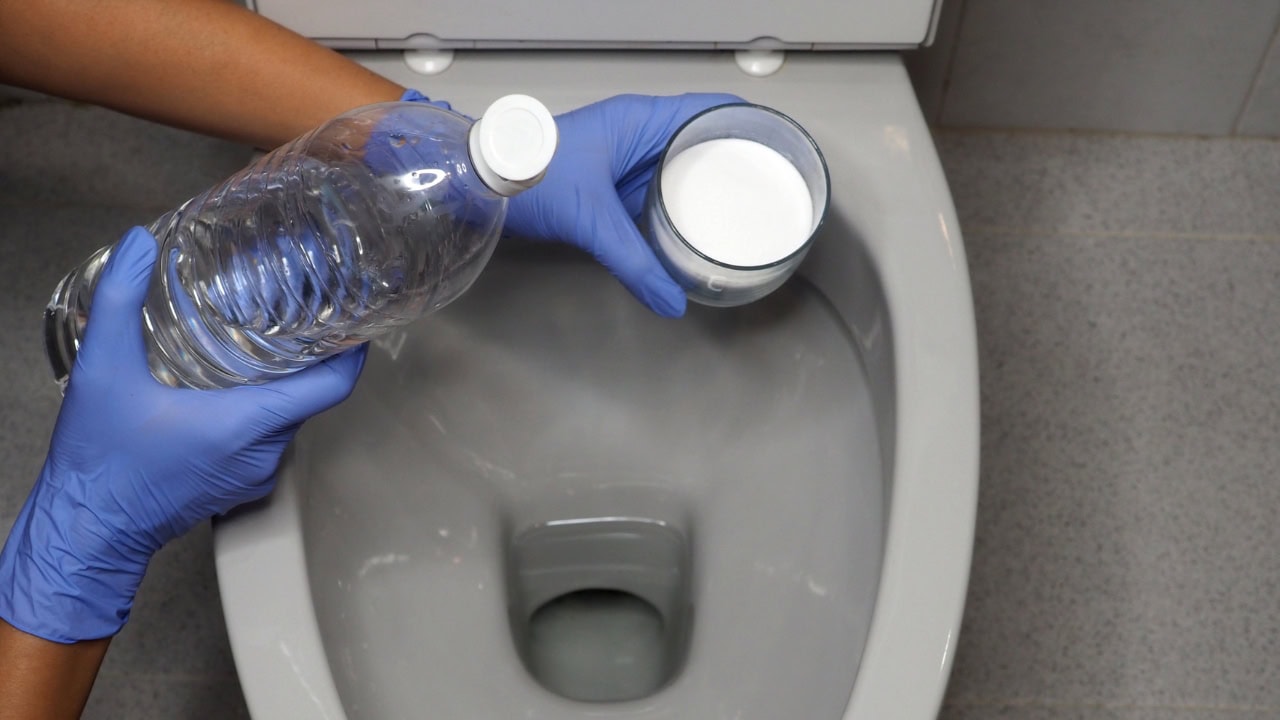
Toilet bowl cleaners can be harsh, and they're gone fast. I started sprinkling baking soda directly into the bowl, letting it sit for a bit, and following it up with vinegar. The fizzing action helps break down stains and gunk around the rim without scrubbing forever.
It's cheap, safe, and doesn't leave that strong chemical smell in the bathroom. You still need a toilet brush, but this combo works surprisingly well without all the extra dyes and fake fragrance.
Floor Cleaner → A Splash of Vinegar in Warm Water
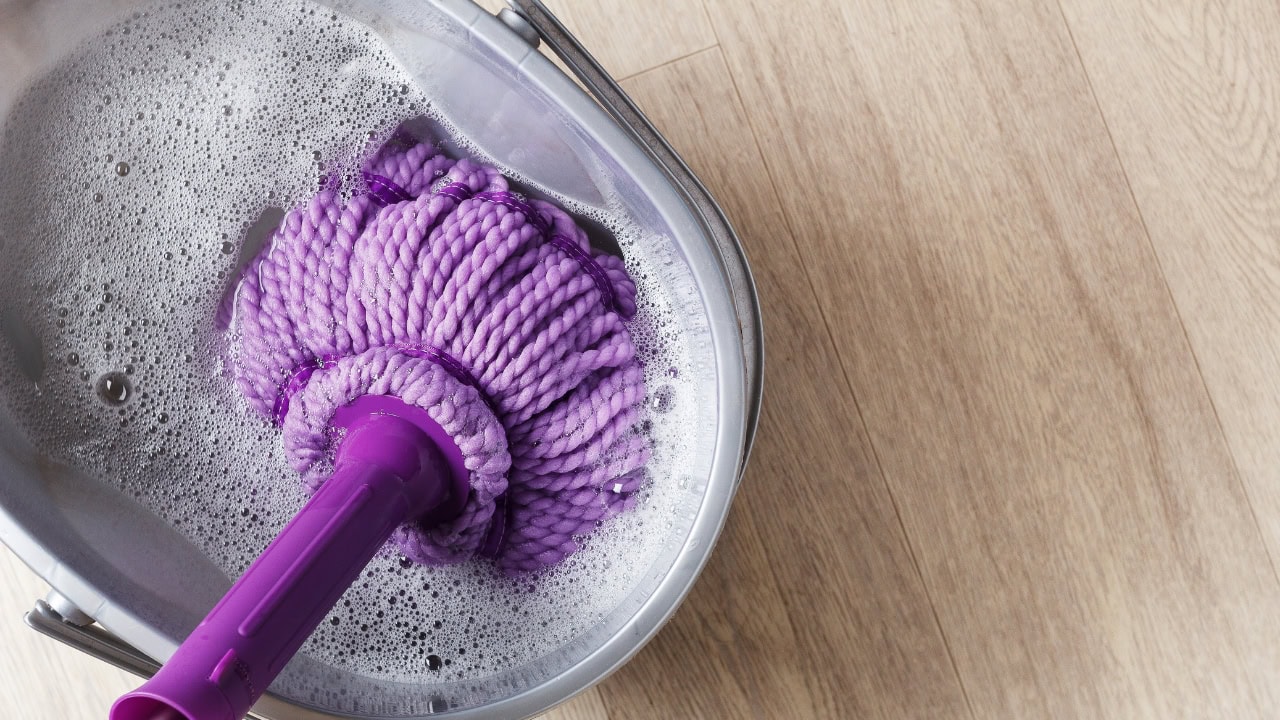
You don't need a fancy floor solution for hardwood, laminate, or tile. A capful of vinegar in a bucket of warm water is enough to lift dirt, mop away grime, and leave floors streak-free. It evaporates fast and doesn't leave residue, which some big-brand products actually do.
If you want it to smell better, add a few drops of essential oil. This trick works great on sealed floors and costs almost nothing per use. Plus, it's pet- and kid-friendly once dry.
Dusting Spray → Damp Microfiber Cloth
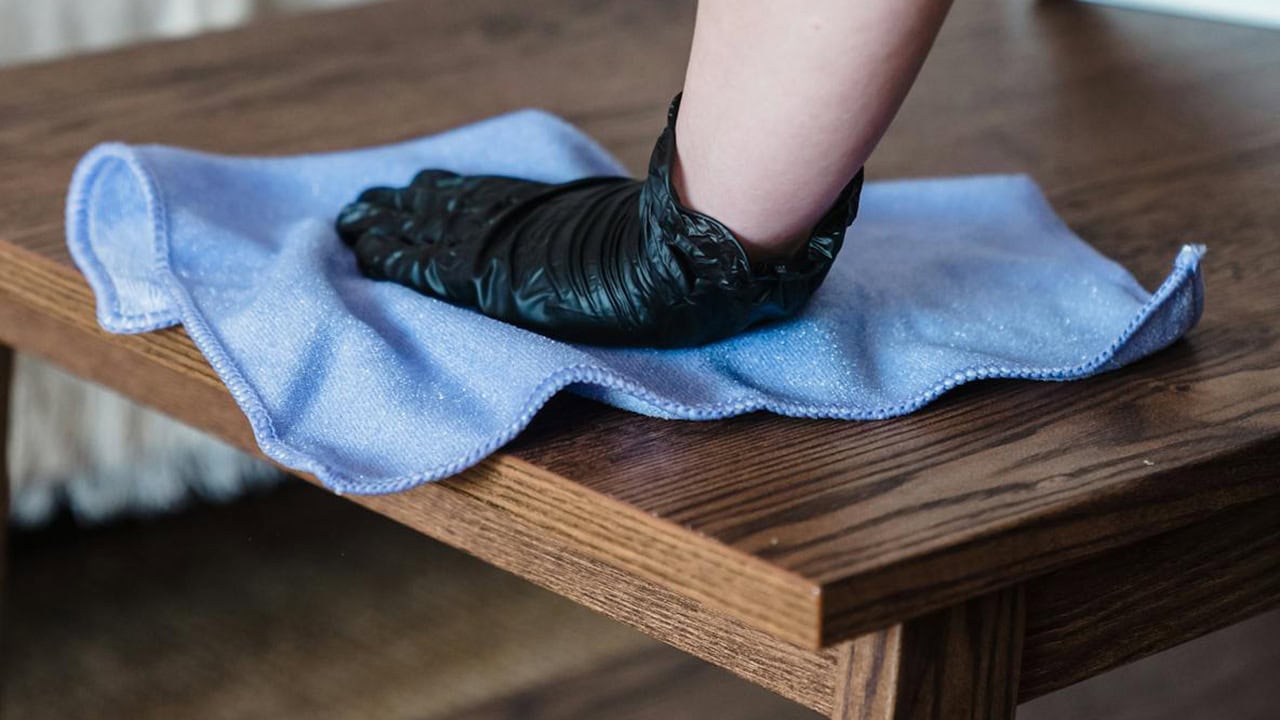
Those canned dusting sprays might smell good, but they leave buildup over time. A microfiber cloth lightly dampened with water grabs dust better without smearing it around. You don't need anything more than a $2 pack of cloths from the cleaning aisle.
They're washable, reusable, and work on electronics, wood furniture, shelves, and baseboards. You can use them dry too, but the light moisture helps lock in the dust instead of sending it into the air.
Carpet Powder → Baking Soda and Essential Oil
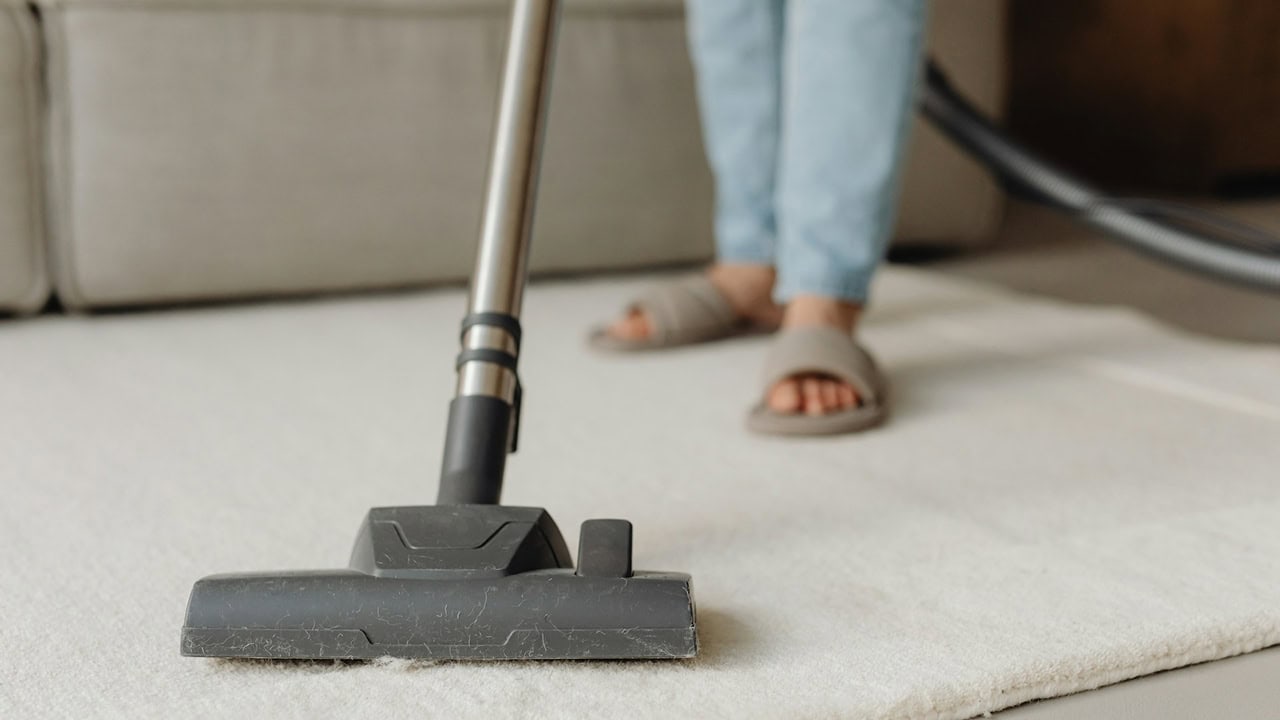
Pre-scented carpet powders can be pricey and sometimes irritate pets. I switched to plain baking soda mixed with a few drops of essential oil. Sprinkle it over the carpet, let it sit 10-15 minutes, and vacuum it up. It neutralizes odors without leaving that powdery residue behind.
This version costs less than $2 a batch and covers more area. You can tailor the scent if you want, or skip the oil completely and go scent-free if someone in the house is sensitive.
Grout Cleaner → Peroxide and Baking Soda Paste
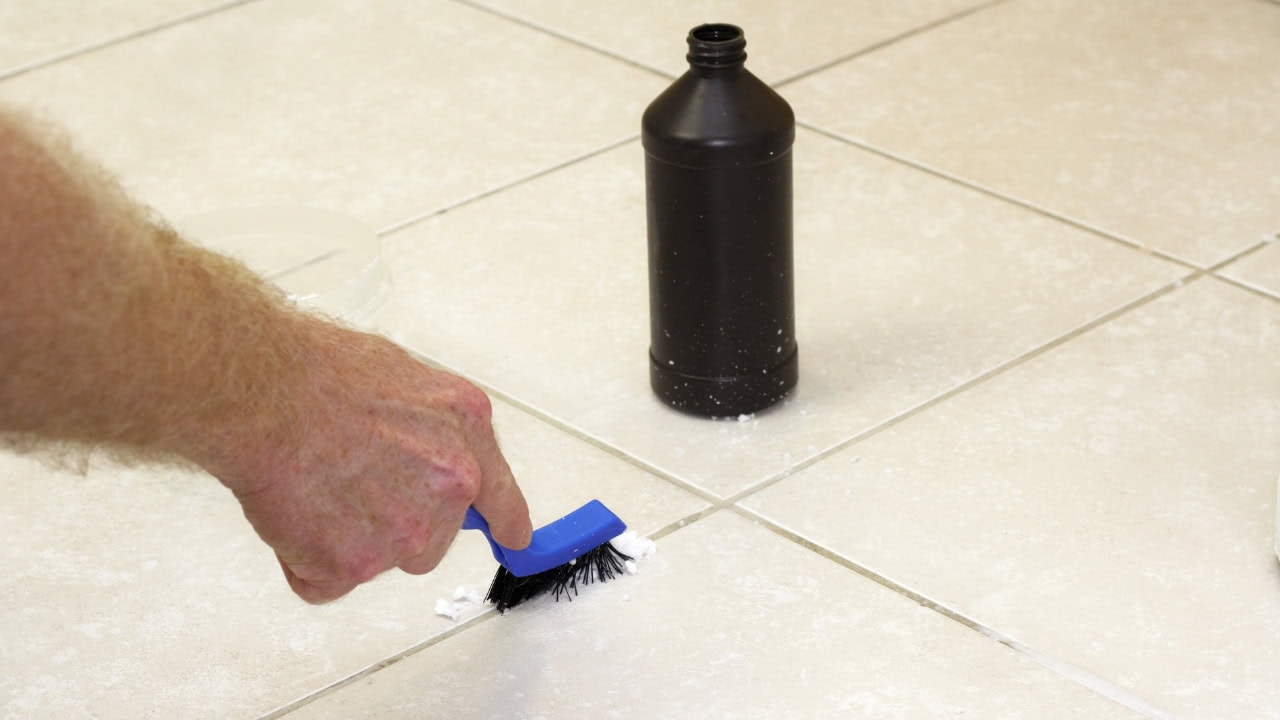
Grout cleaners are usually high in bleach and high in price. Instead, I mix hydrogen peroxide and baking soda into a thick paste and spread it along grimy grout lines. Let it sit a few minutes, scrub with an old toothbrush, and rinse.
It lifts dirt without destroying your nostrils or making your eyes water. Both ingredients are cheap, shelf-stable, and get used in other areas of the house too, so nothing goes to waste.
Air Freshener Spray → Simmer Pot or Baking Soda Jar

Instead of spraying synthetic fragrance into the air, I started simmering lemon peels, cinnamon sticks, or herbs in water on the stove. You can also keep a small mason jar of baking soda with a few drops of essential oil near the trash or bathroom.
These options cost next to nothing and actually absorb odor instead of masking it. You get a fresh scent without coating the air with chemicals-and one pot on the stove can freshen the whole house.
Drain Cleaner → Boiling Water, Baking Soda, and Vinegar
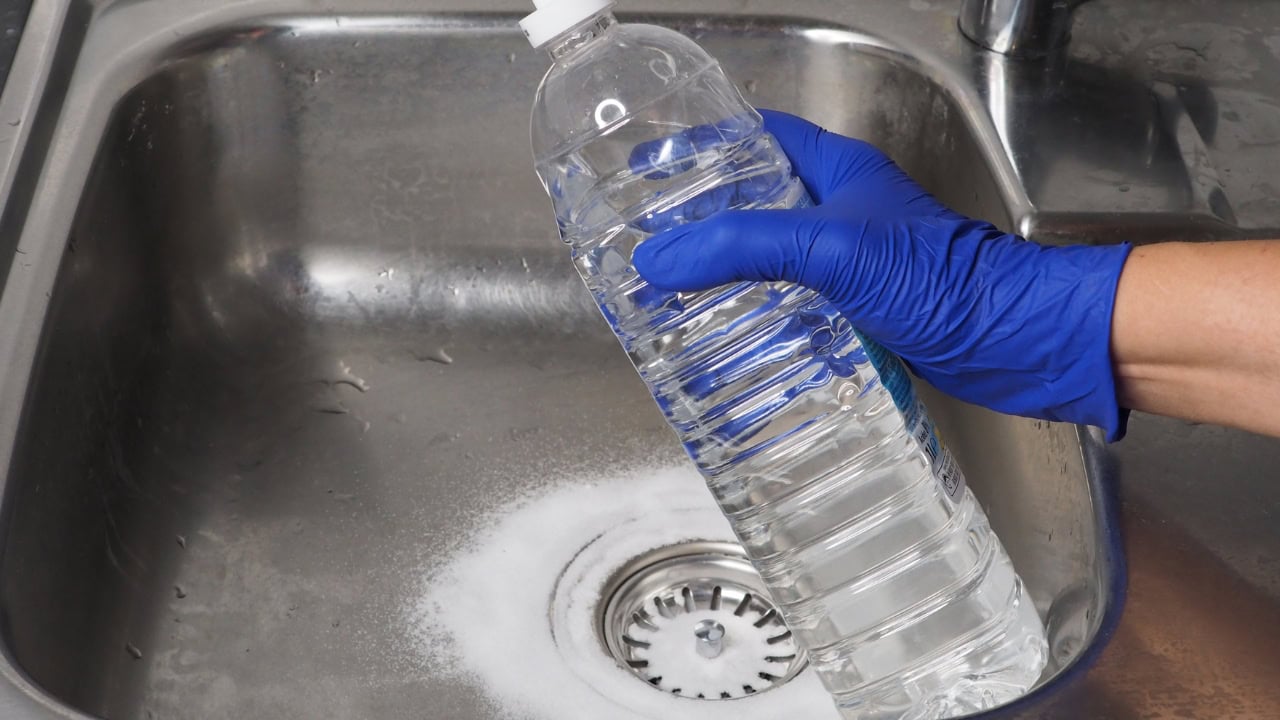
Instead of reaching for the harsh chemical stuff when a drain starts to slow down, pour in half a cup of baking soda followed by half a cup of vinegar. Let it fizz, wait ten minutes, then pour boiling water down the drain. It clears up minor clogs and keeps pipes smelling clean.
This combo won't fix a major backup, but for maintenance or slow drains, it works surprisingly well. You don't need to keep a $7 bottle of drain cleaner on hand when these basics do the job.
*This article was developed with AI-powered tools and has been carefully reviewed by our editors.






Leave a Reply