
10 changes that lowered my electric bill by $90 a month
When the electric bill started creeping up past what I was comfortable with, I knew something had to give. It wasn't one massive change that made a difference-it was stacking smaller, smarter decisions that actually stuck. I started paying closer attention to what was running, what was wasting, and what could be swapped out.
Some fixes were quick wins. Others took a little upfront effort. But all of them added up to real savings-around $90 off my monthly bill, without living in the dark or sweating through summer.
Switched to LED Bulbs in Every Room

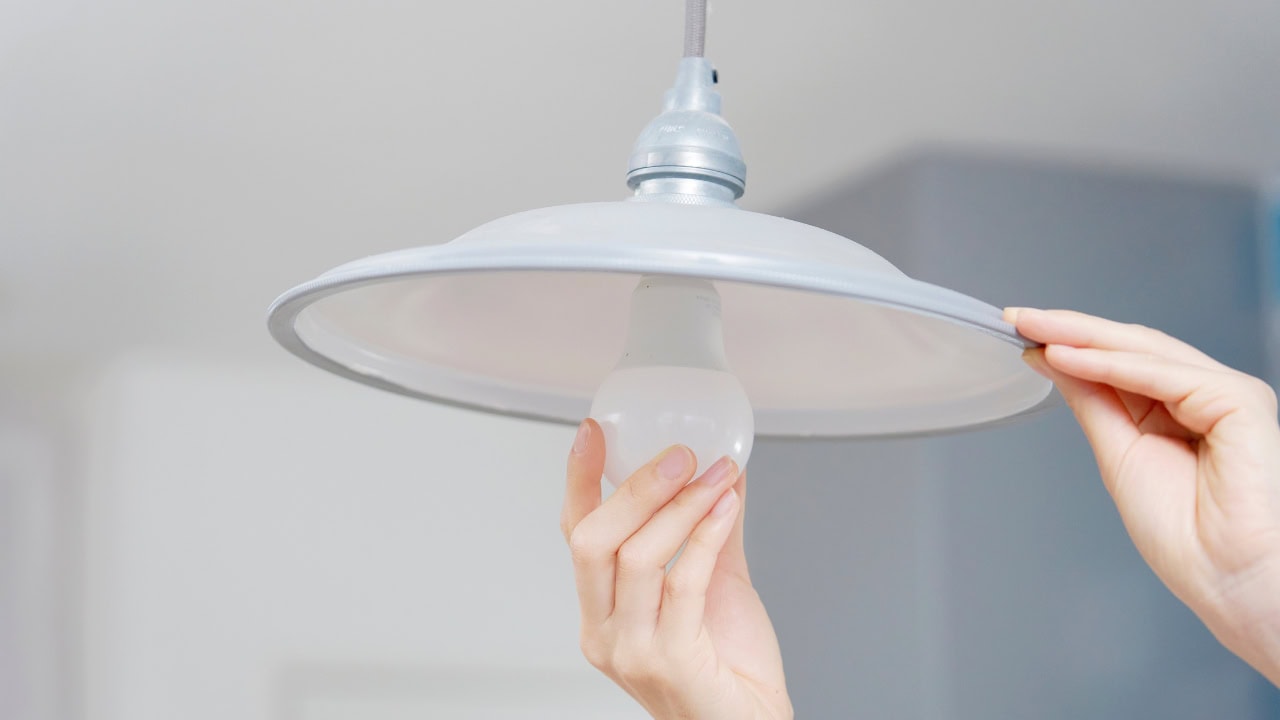
If you haven't swapped out your old bulbs for LEDs, you're leaving money on the table. LEDs use way less power and last way longer than traditional incandescent bulbs. They also give off less heat, which matters in the summer when your AC is already working hard.
You don't have to do it all at once. I replaced them as the old ones died, then noticed a dip in the bill once every bulb was switched. It's one of the easiest ways to cut power usage without changing anything about your routine.
Used Power Strips to Cut Phantom Load
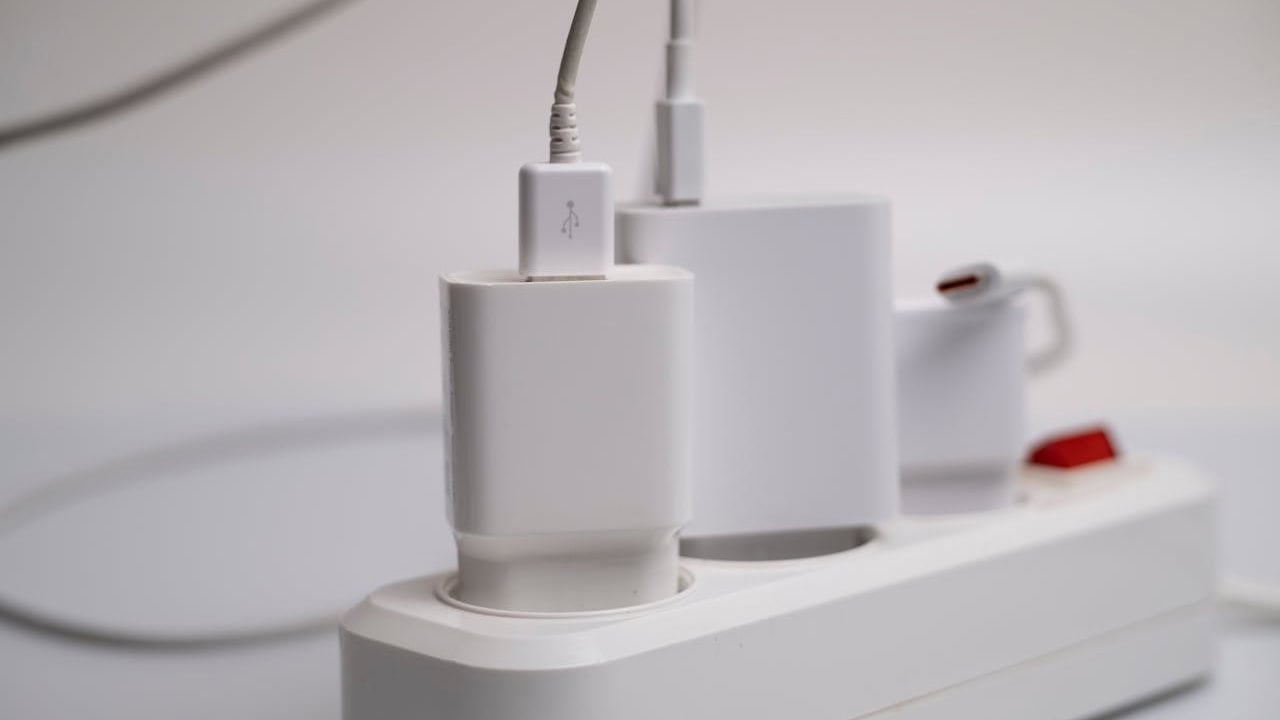
Electronics suck energy even when they're "off"-TVs, gaming consoles, chargers, and microwaves all pull phantom power around the clock. I plugged those into power strips and flipped them off when they weren't being used.
It made a bigger difference than I expected. You don't realize how many devices stay half-awake all day long. Cutting that idle power was a quiet fix that added up quick, especially with the kids' electronics and the kitchen gadgets.
Set the Thermostat and Left It Alone
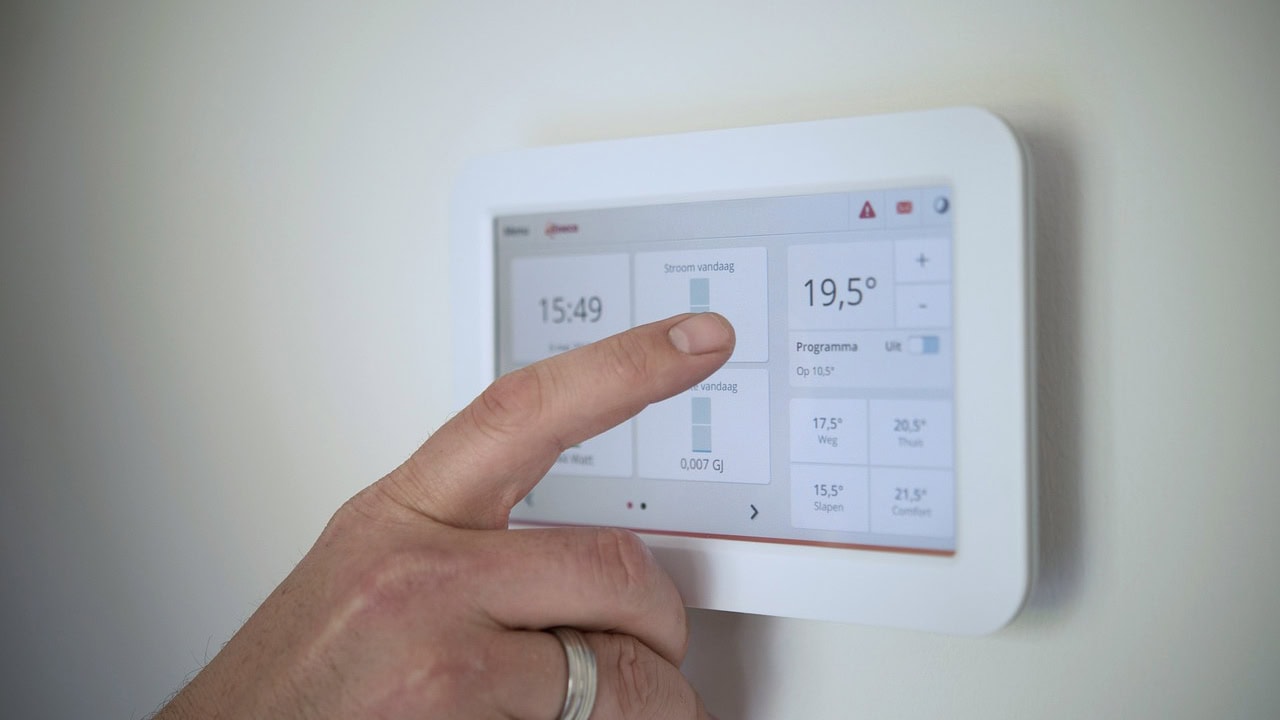
I used to nudge the thermostat every time I felt a little too warm or too cold. But once I picked a reasonable temp and stopped adjusting it, the system ran more efficiently. In the summer, I keep it at 76°F during the day and 74°F at night.
Constant fluctuations make your unit work harder. A stable setting-even if it's a degree or two warmer than you'd prefer-can shave a big chunk off the bill. Ceiling fans help fill the gap if you need extra airflow.
Started Air-Drying Laundry

The dryer was one of the biggest energy hogs in the house. I started line-drying anything that didn't have to be fluffed-towels, sheets, workout clothes, you name it. In warm weather, they dried outside. In the colder months, I hung them on an indoor rack.
It felt old-school at first, but I got used to it quick. My dryer barely runs now, and I noticed a drop in usage right away. Plus, clothes last longer without the high heat beating them up.
Closed the Curtains During the Day
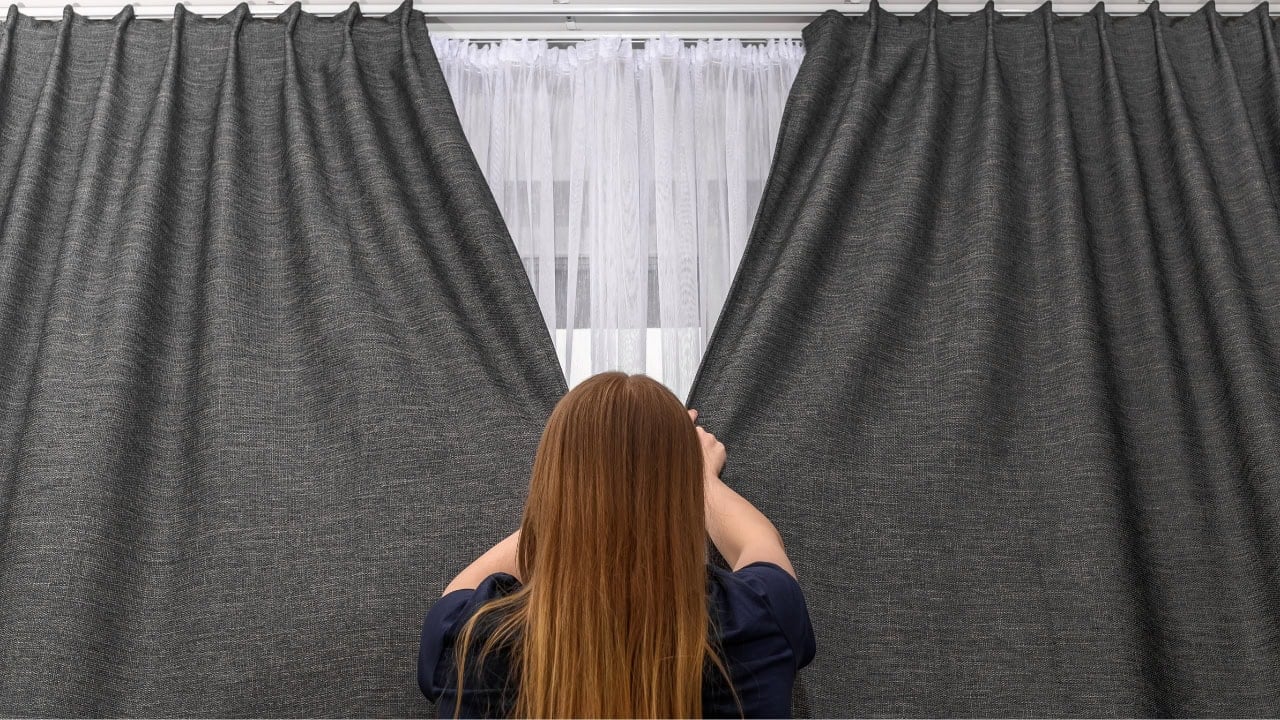
Sunlight pouring in through the windows looks nice-but it heats up the house fast. Once I started closing the curtains or blinds in the late morning, the AC didn't have to work as hard to cool the space.
This one's an easy, no-cost change that helps especially in rooms that face direct sunlight. It keeps things more comfortable without needing to touch the thermostat, and it made the biggest difference during July and August.
Swapped Out the Air Filter Regularly
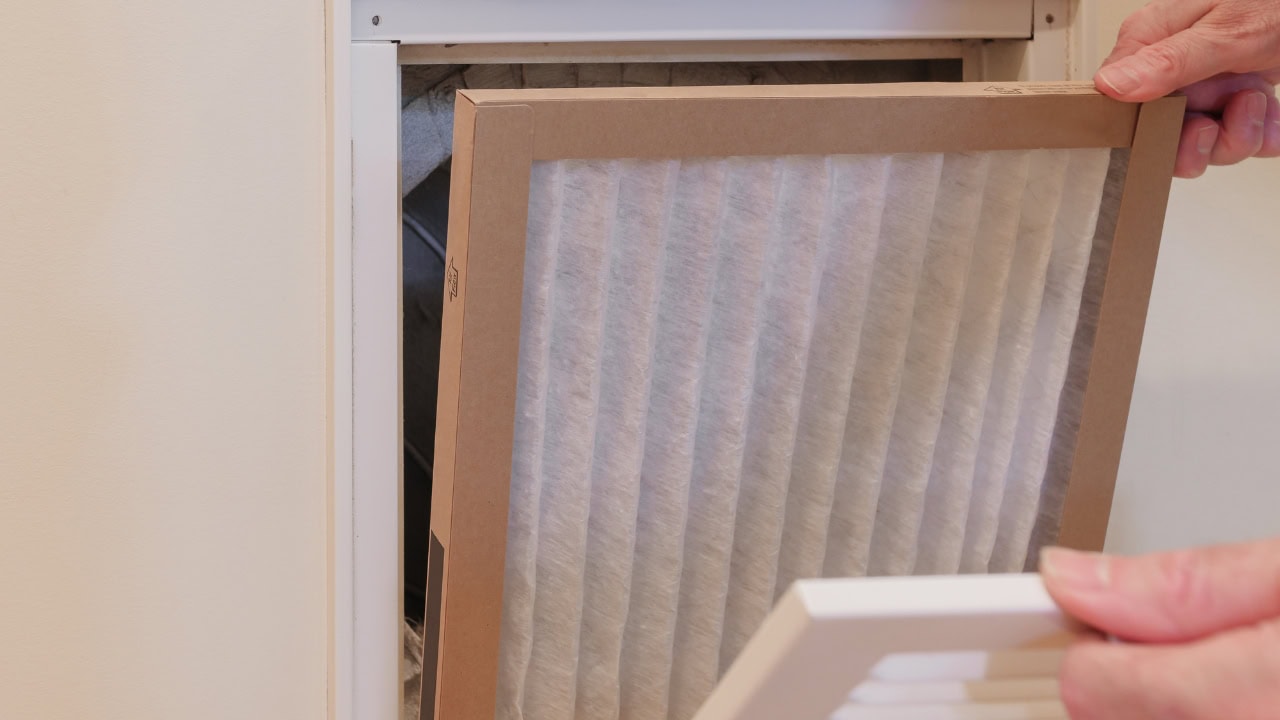
A dirty filter makes your HVAC system work harder than it should. I set a reminder to check and replace the air filter every 30 days in summer, every 60-90 in winter. A clean filter keeps air flowing like it's supposed to.
It's one of those boring maintenance tasks that's easy to forget, but skipping it can cost you. Since staying consistent, my unit runs smoother and the cycles are shorter-less runtime equals less electricity.
Upgraded to a Smart Thermostat
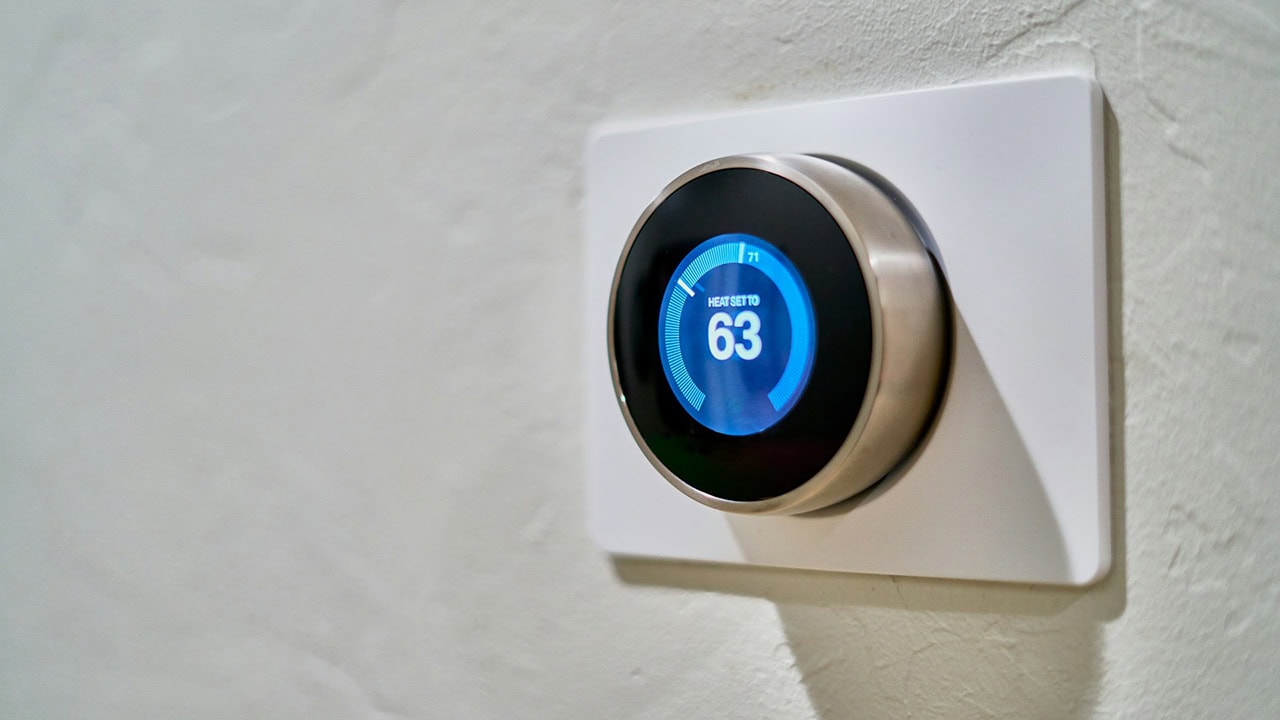
The old thermostat wasn't doing me any favors. I switched to a basic smart model that lets me set schedules and adjust temps from my phone. I programmed it to ease off when we're gone during the day or asleep at night.
Even without fancy automation, the preset schedule kept the house comfortable and the bill lower. It's a one-time purchase that paid itself off in a couple of months, especially during the most expensive seasons.
Used the Oven Less in Summer
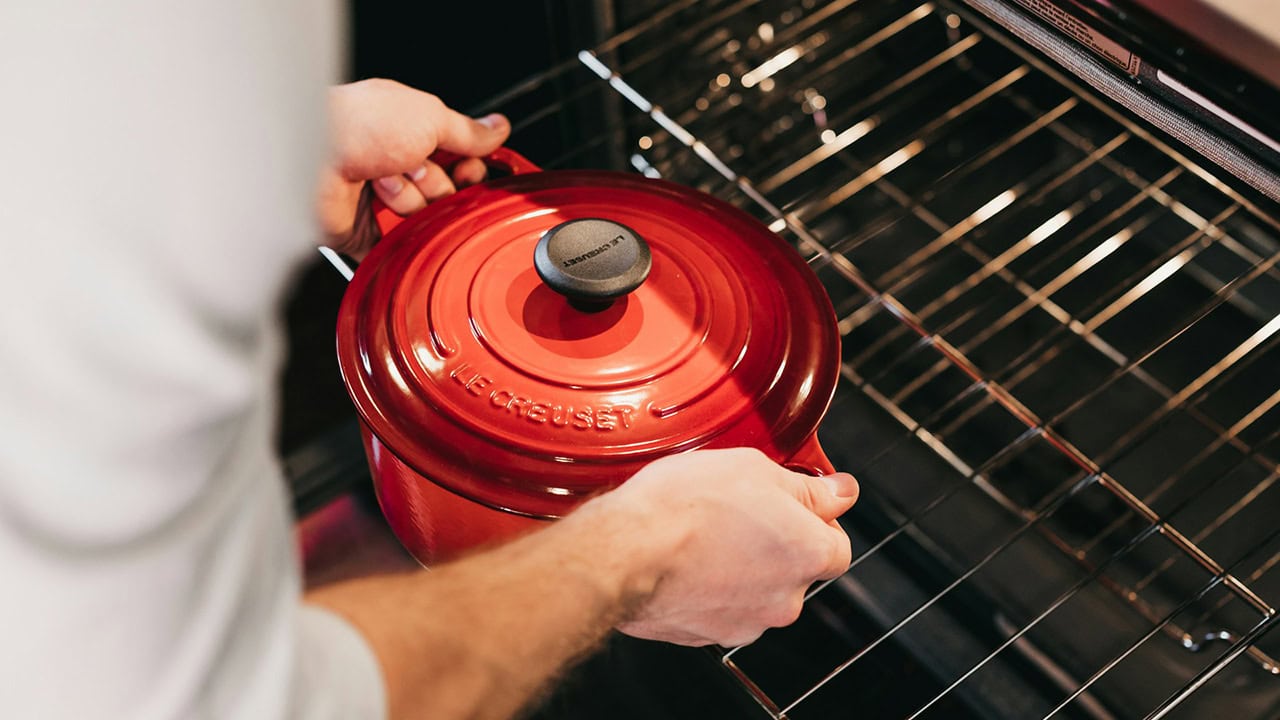
Running the oven heats up the whole kitchen, which makes the AC kick on more often. In the hotter months, I leaned on the air fryer, slow cooker, and stovetop instead. It kept meals manageable without baking the whole house.
It's a simple shift, but it makes a noticeable difference in both comfort and usage. Less heat indoors means less cooling needed-and that directly affects what you're paying for electricity.
Unplugged What Wasn't Being Used
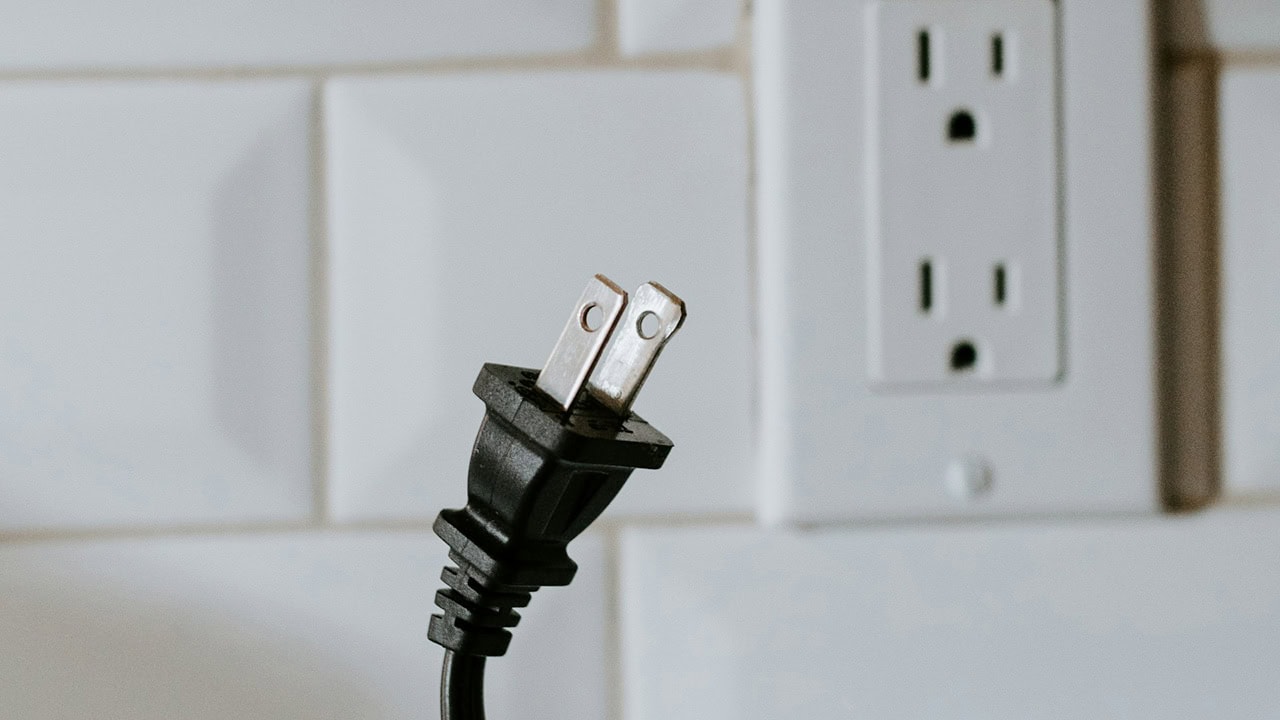
It sounds minor, but unplugging unused appliances adds up-especially things like extra coffee makers, old lamps, and second fridges or freezers that aren't full. I did a sweep and unplugged anything that didn't need to be running.
I didn't expect to see much change from this, but over a month or two, the bill told a different story. If something's only used once in a while, there's no reason for it to stay plugged in 24/7.
Ran Big Appliances at Off-Peak Hours
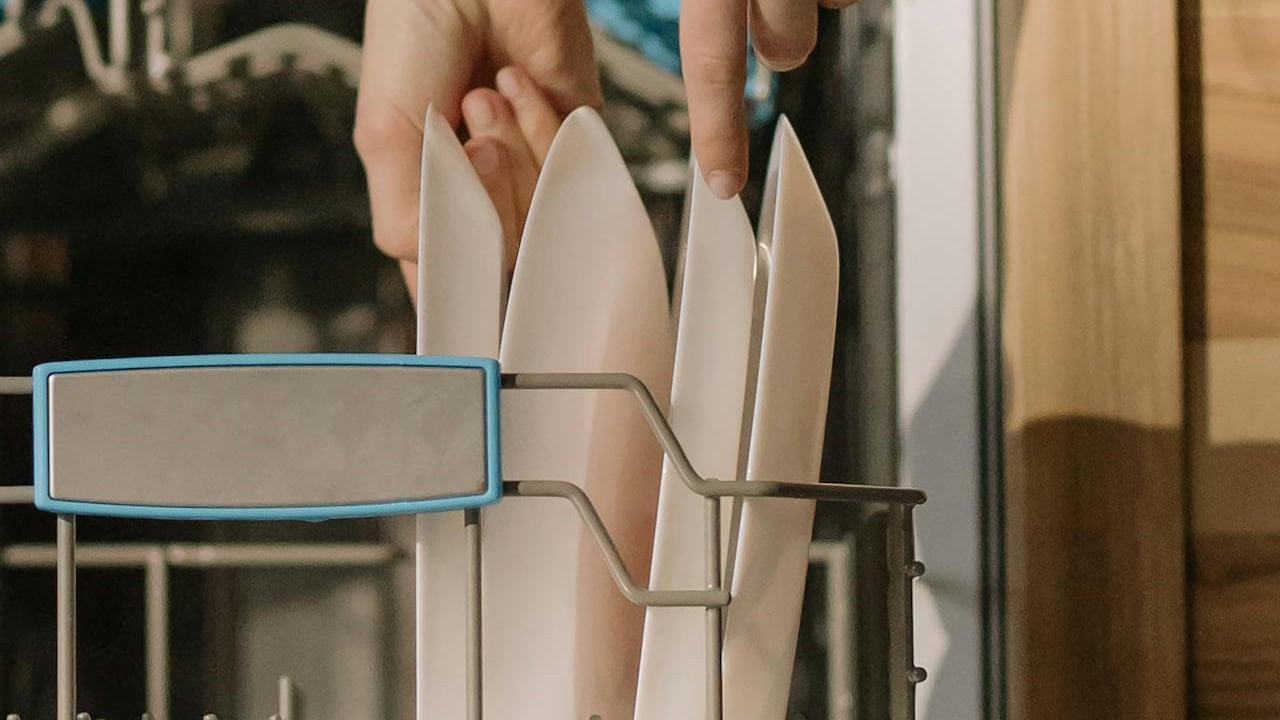
My power company charges more during peak times, so I started doing laundry and running the dishwasher early in the morning or late at night. It didn't change how often I used them, but it did change how much I paid to use them.
Some utilities offer time-of-use plans that reward this kind of scheduling. It's worth checking if yours does. Once I lined up my habits with off-peak hours, I saw a consistent $10-$15/month drop without sacrificing anything.
*This article was developed with AI-powered tools and has been carefully reviewed by our editors.






Leave a Reply