
Electric bills have a way of creeping up, especially when small habits pile on top of each other. The good news is you don't have to overhaul your life or live in the dark to see real savings.
Most of the changes that make a difference are quick, low-cost, and easy to stick with. By paying attention to the things that quietly pull power all day, you can trim your bill without giving up comfort.
Switching to LED Bulbs
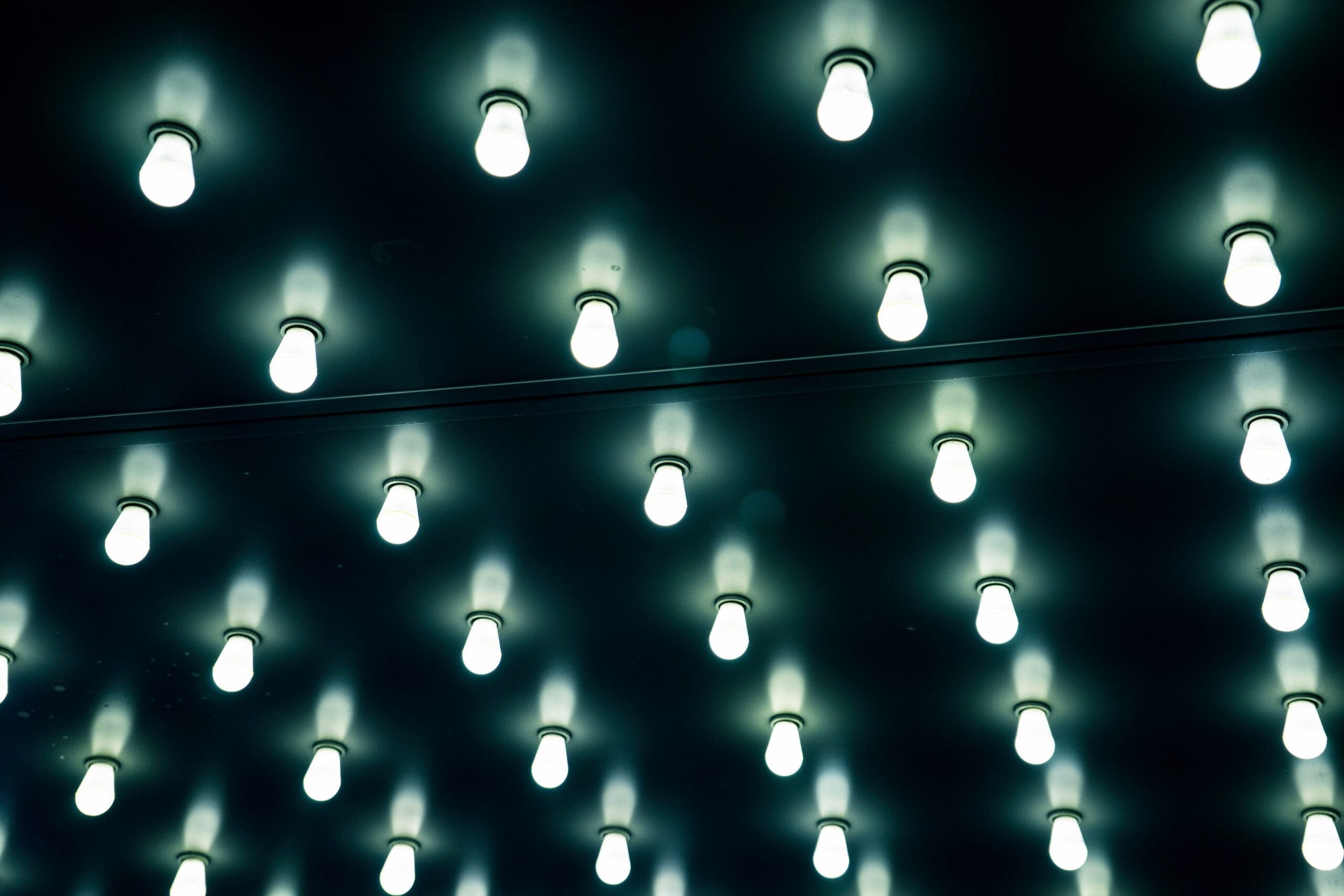
Older lightbulbs draw a surprising amount of power compared to LEDs. Swapping them out doesn't just cut costs-it also means you're not changing bulbs nearly as often.
LEDs use up to 80% less energy and last years longer. You can replace them one room at a time, and you'll still notice the drop in your bill.
Unplugging Electronics
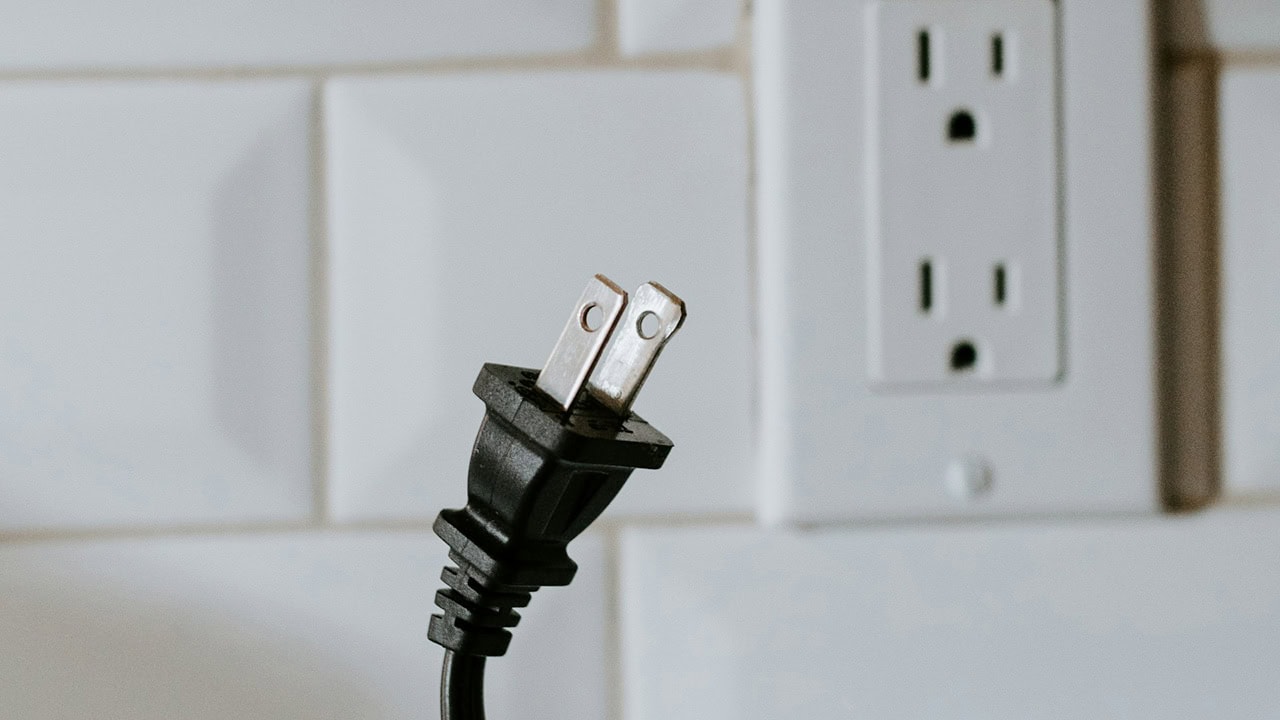
Chargers, TVs, and appliances keep pulling power even when they're off. That "phantom load" might not seem like much, but over a month it adds up.
Unplugging or using a power strip you can switch off helps stop the trickle of wasted energy. It's a small step that makes a noticeable difference.
Adjusting the Thermostat
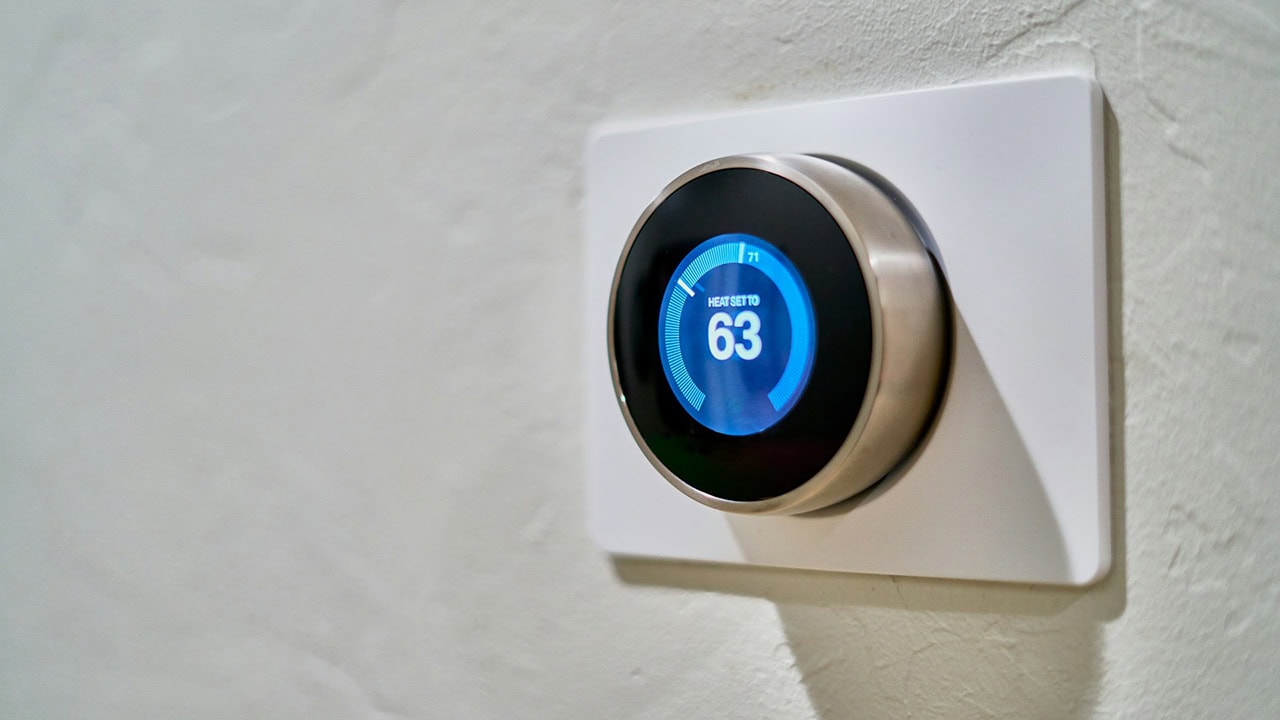
Heating and cooling make up the biggest part of most electric bills. Even a two-degree adjustment can cut costs without making the house uncomfortable.
Setting it slightly warmer in summer and cooler in winter helps your system run less often. Pairing it with ceiling fans makes the change easier to live with.
Using Cold Water for Laundry
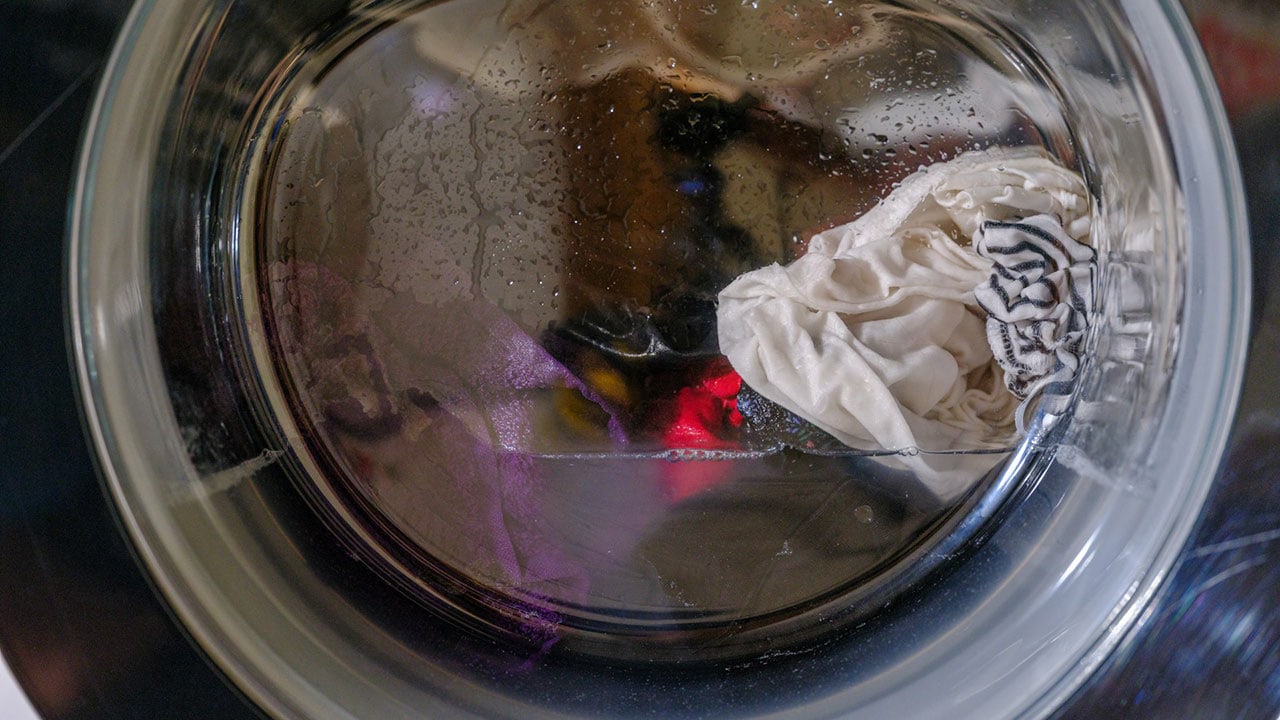
Washing machines don't use much electricity themselves-it's the hot water that spikes your bill. Switching most loads to cold makes a big difference without hurting results.
Detergents today are made to work well in cold water, so your clothes still come out clean. This one change saves money every single week.
Running Full Loads Only
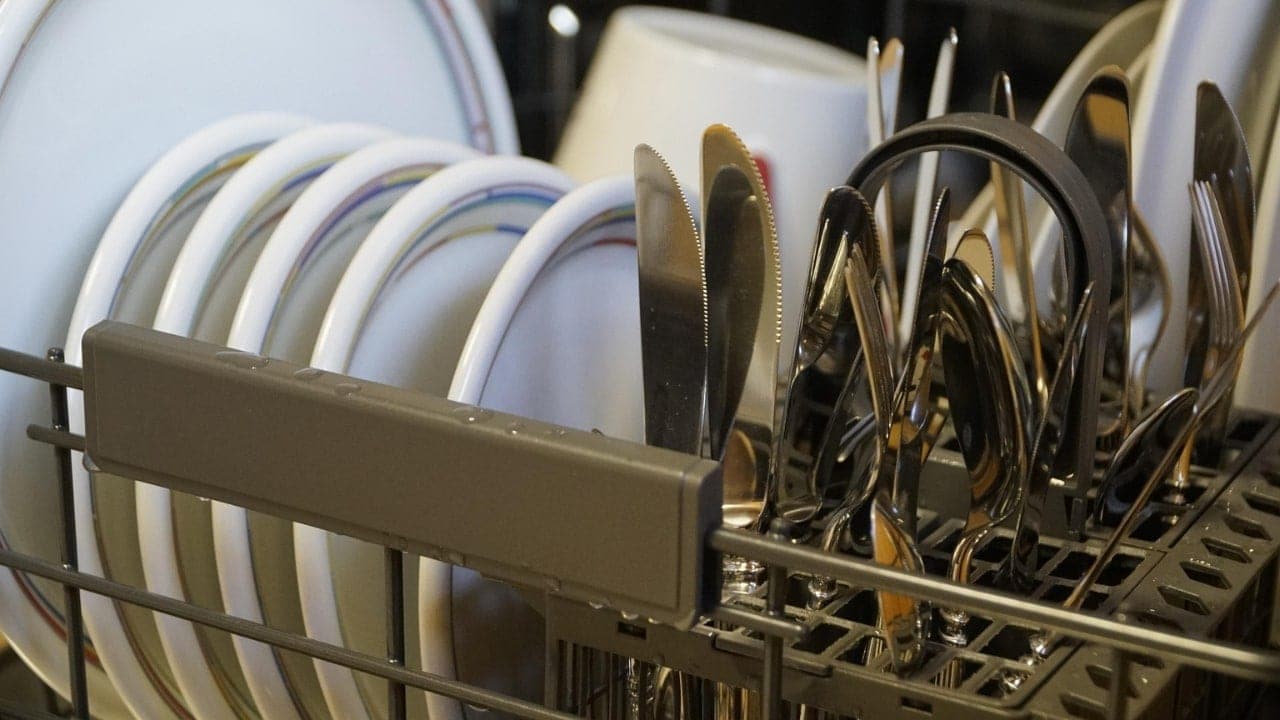
Dishwashers and washers use the same amount of energy whether they're half-full or packed. That means running them less often is one of the simplest ways to cut costs.
Waiting until you have a full load doesn't just save electricity-it saves water too. It's a habit that pays off on more than one bill.
Air-Drying When Possible
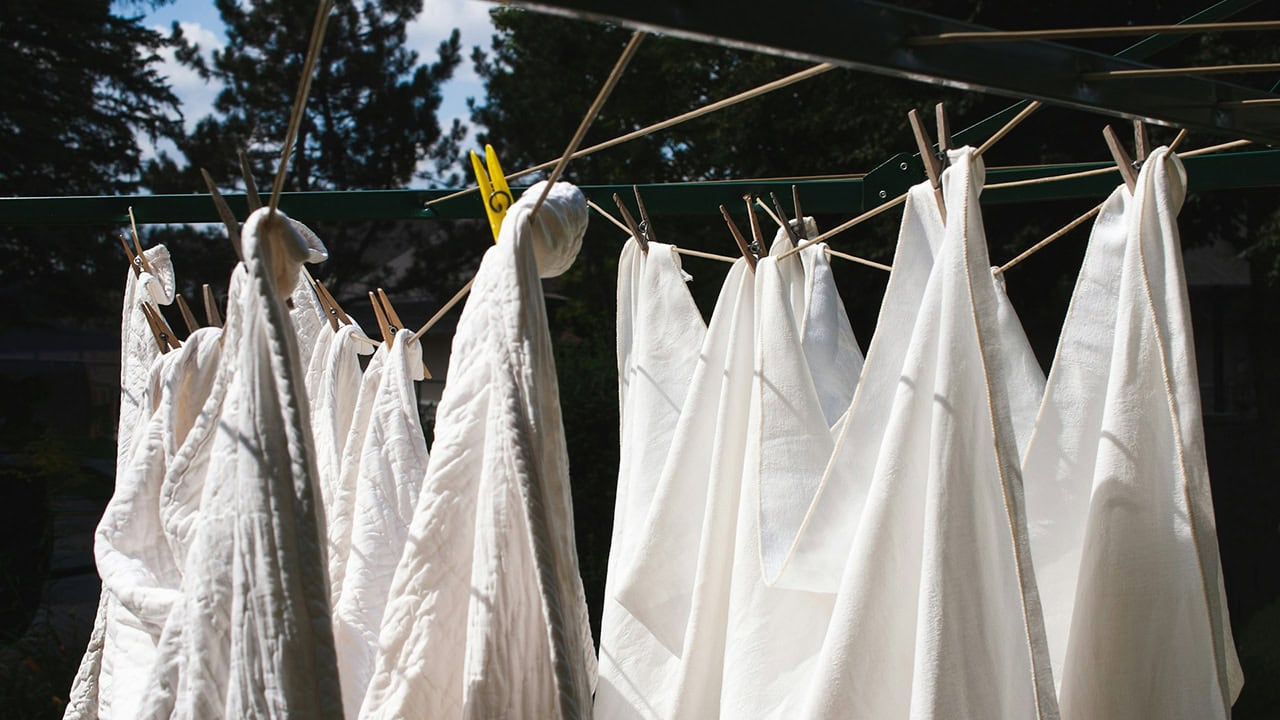
Dryers are one of the biggest energy drains in the house. Even cutting back a few loads a month helps keep your bill down.
Using a drying rack or clothesline for towels, sheets, or anything that dries quickly gives your dryer a break. It doesn't take long to notice the savings.
Sealing Drafts
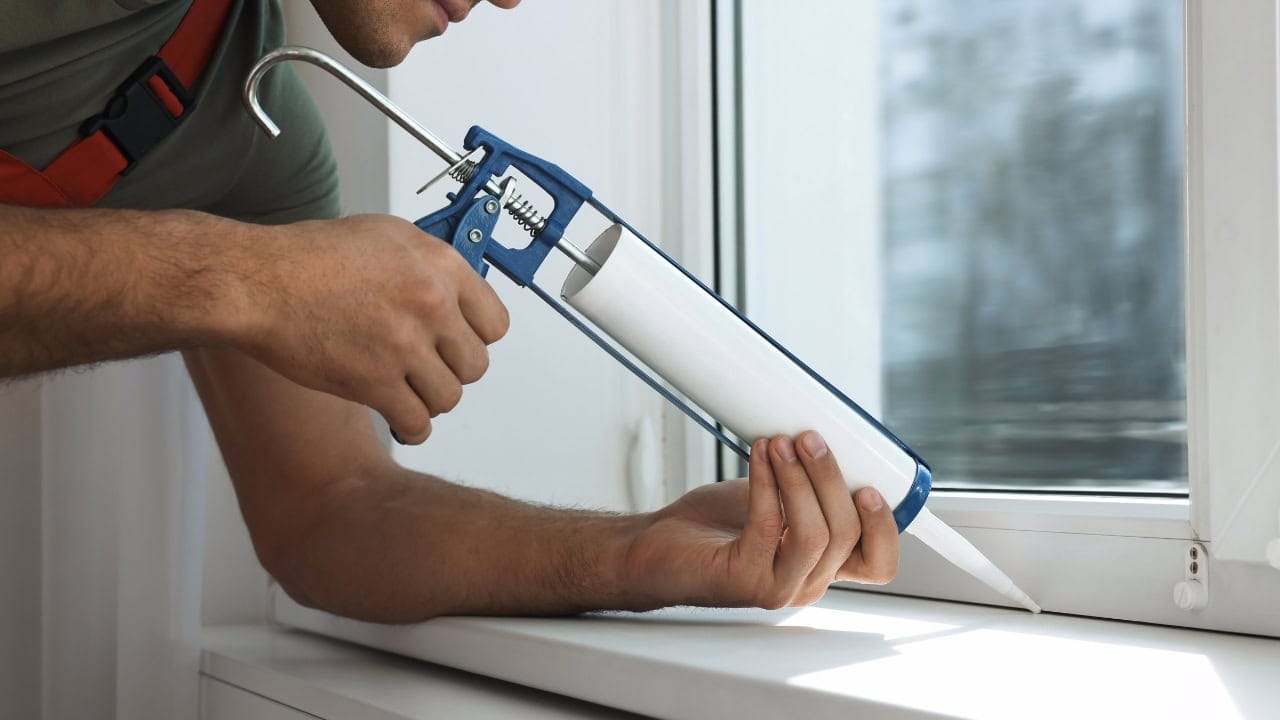
If air is leaking around windows and doors, your system has to work harder to keep the house comfortable. That extra run time shows up on your bill.
Weatherstripping and caulking are cheap fixes that keep more of your heated or cooled air inside. You'll feel the difference in comfort as well as cost.
Switching Ceiling Fans Off
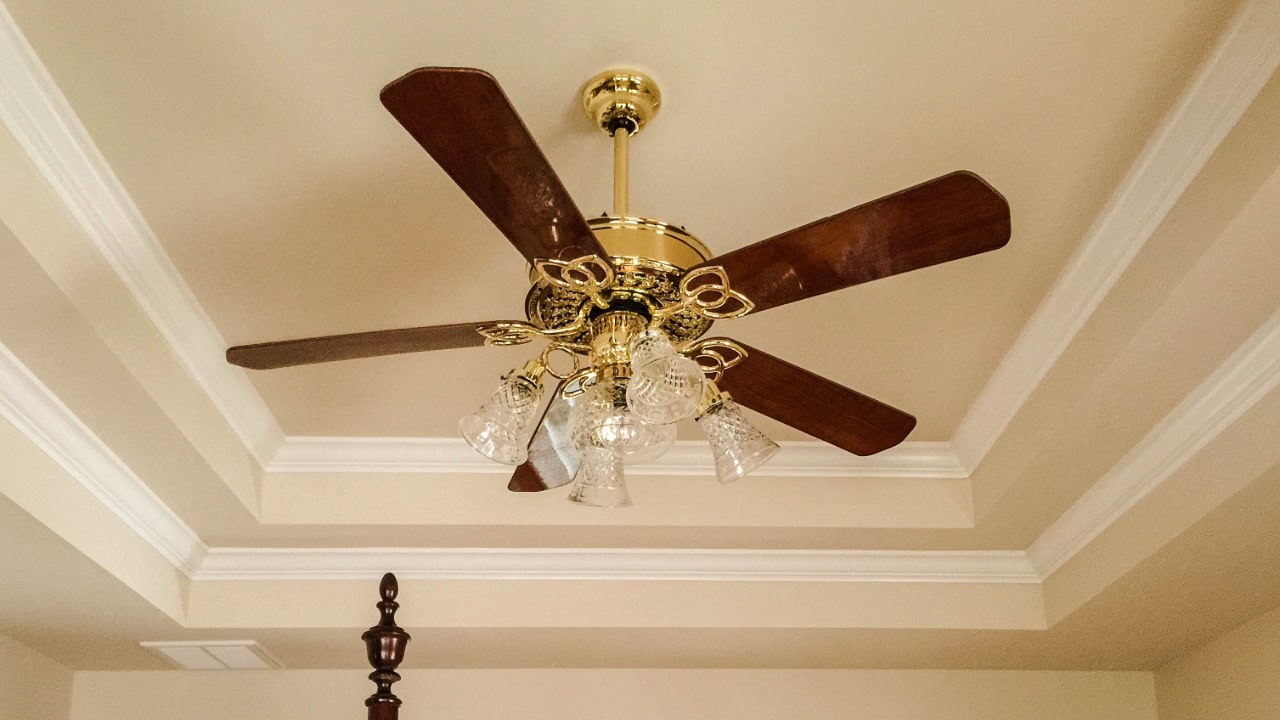
Fans don't cool the air-they cool people. Leaving them running in empty rooms is an easy way to waste electricity without realizing it.
Making a habit of switching them off when you leave keeps your usage in check. When you are in the room, they make it easier to set the thermostat higher or lower.
Checking Appliance Settings
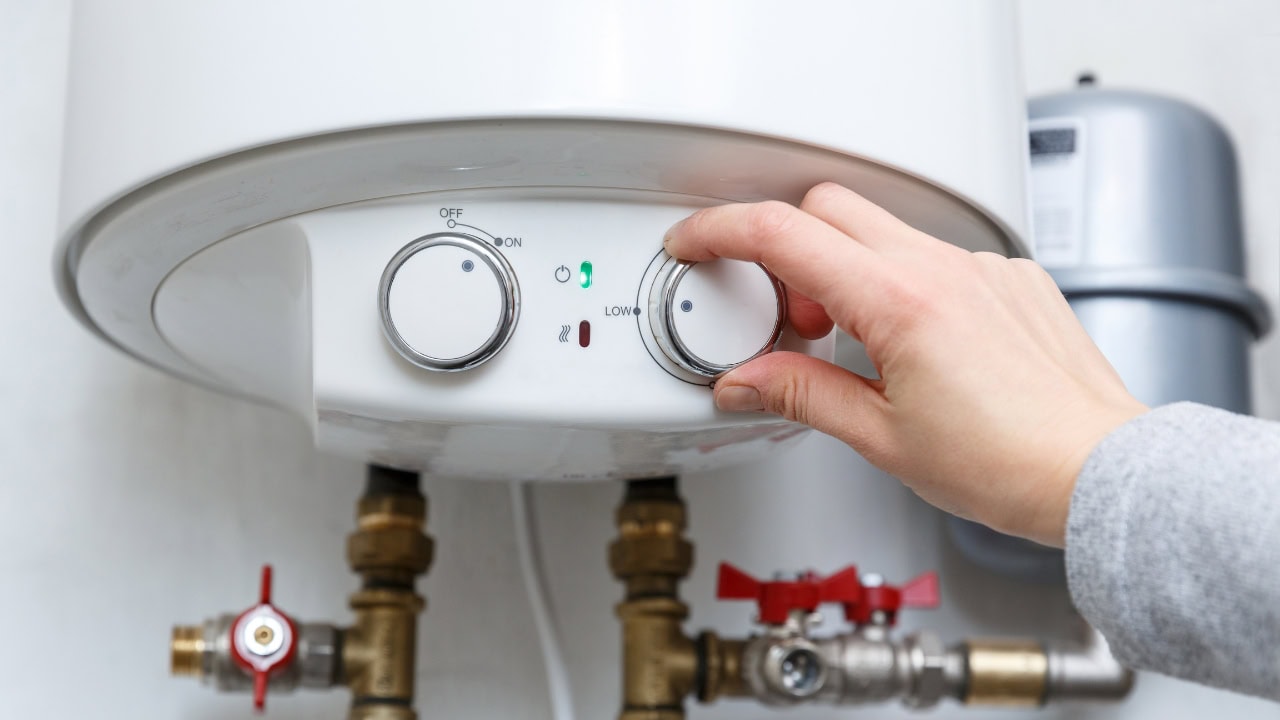
Many appliances come set to higher levels than you really need. Refrigerators, freezers, and water heaters often use more energy than necessary on default settings.
Adjusting them to recommended levels keeps everything running efficiently without sacrificing performance. A quick check can save you every month.
Using Natural Light
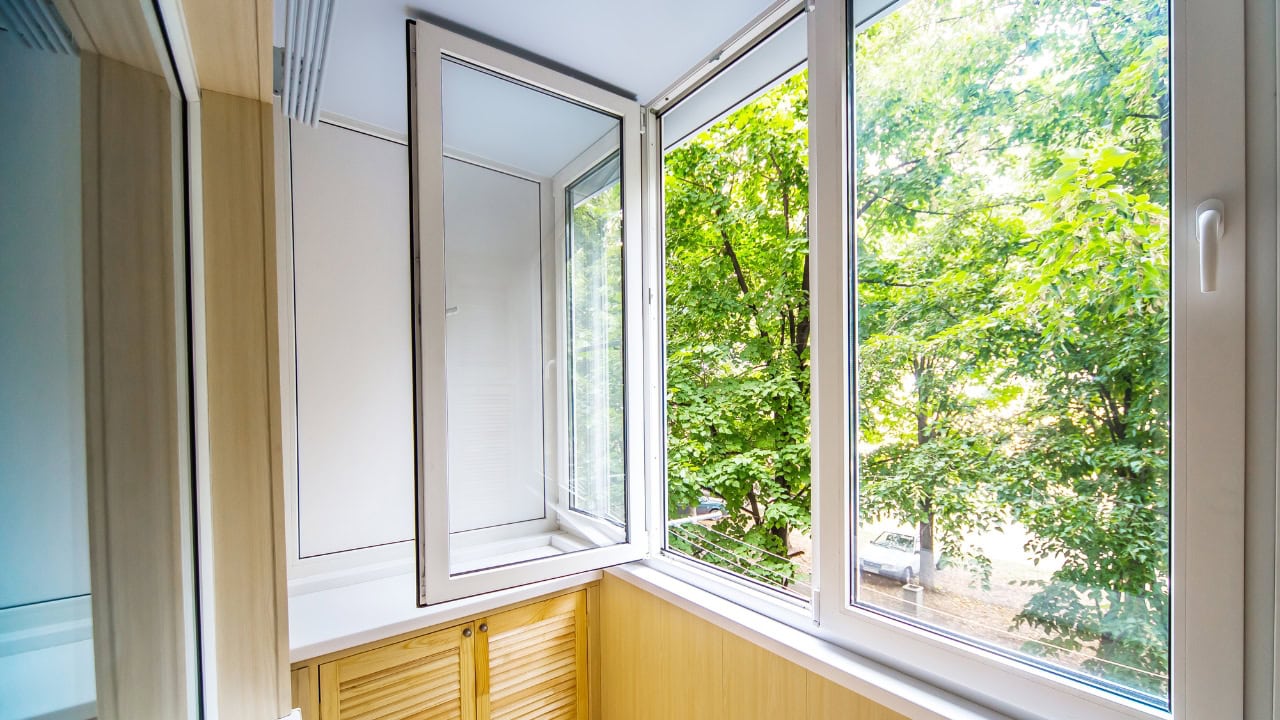
Relying less on lamps during the day cuts down on electricity without any effort. Opening blinds or rearranging furniture so rooms feel brighter saves more than you'd think.
Natural light doesn't cost you anything, and it makes your space feel better too. The less you flip a switch, the more those savings add up.
*This article was developed with AI-powered tools and has been carefully reviewed by our editors.






Leave a Reply