
10 budgeting myths that kept me stuck too long

Budgeting isn't hard because of math-it's hard because of mindset. Most people don't get tripped up by the numbers. They get stuck in the expectations, guilt, and all the "rules" they think they're supposed to follow. I used to think budgeting meant restriction or that it only worked for people in a different financial season than me.
Once I started questioning those assumptions, things started to click. If budgeting has ever felt overwhelming, boring, or pointless, you're probably believing at least one of these.
"If I Budget Right, I Should Never Go Over"

Budgeting doesn't mean guessing perfectly every month. Some categories will swing, life will throw curveballs, and overspending occasionally isn't proof that you're bad at it. It just means your budget is a working document-not a contract in blood.
The goal isn't perfection. It's awareness and adjustment. A flexible budget lets you make smarter choices without shame when things shift. The important part is paying attention, not hitting some magic number every time.
"Budgeting Means Cutting Out All the Fun"

If your budget feels miserable, you won't stick to it. Budgeting isn't about eliminating every non-essential-it's about making space for the things you value and setting limits around what drains your money without adding value.
You don't have to give up every coffee, date night, or Target run. You do need to decide how often they're worth it and stay honest about where your money's actually going. Freedom doesn't come from spending blindly-it comes from spending on purpose.
"You Need a Consistent Income to Budget"

Irregular income isn't a reason to skip budgeting-it's a reason to take it even more seriously. The numbers might shift month to month, but your baseline expenses usually don't. That's what your budget helps you manage.
You can still plan using average income, lowest-case scenarios, or priority-based spending. It may take a little more prep work, but it's possible-and honestly, essential-if you're a freelancer, contractor, or living on commission.
"I'll Start Budgeting When I Make More"

Waiting for a higher income to fix your money habits is a trap. If you can't manage $2,000, you won't magically manage $5,000. Budgeting helps you tell your money where to go-no matter how much or how little you're working with.
Getting in the habit now makes a bigger paycheck work harder later. Without a plan, more money usually leads to more spending-not more peace. Start with what you have and build the skill as you grow.
"Budgeting Is Too Time-Consuming"

It doesn't have to take hours. Once you have a system that works for you, it can be a 10-minute weekly check-in. Most people spend more time scrolling than it would take to review where their money went.
The key is keeping it simple. You don't need 27 categories or a color-coded spreadsheet if that overwhelms you. Use whatever method you'll actually stick with-even if it's a notebook and a calculator.
"If I Budget, I Can't Be Spontaneous"
Budgeting doesn't eliminate flexibility-it creates it. When you know your numbers, you can say yes to unexpected things without wondering if you're about to mess everything up. That kind of clarity gives you freedom, not limits.
Set aside a "fun money" category or leave wiggle room for unplanned expenses. You don't have to account for every dollar to stay on track-you just need to stop pretending surprise charges don't add up.
"Cash Envelopes Are Outdated"

Cash might feel old-school, but for some categories, it still works better than plastic. It makes spending more tangible, especially if you tend to swipe and forget. Groceries, eating out, and personal spending are great places to test it.
You don't have to go full envelope system. Even one category can help you rein things in without tracking every receipt. When the envelope's empty, you stop spending. That kind of boundary can reset your habits fast.
"If I Budget, I Can't Be Generous"

You can absolutely make space for giving in your budget. In fact, planning for generosity makes it easier to do it consistently without feeling like you're risking your own stability. It doesn't have to be huge-it just has to be intentional.
Whether you're tithing, helping a friend, or supporting a cause, putting it in your budget means it's part of the plan, not something you feel guilty about later. Giving and being wise with money don't cancel each other out.
"I Need a Fancy App to Make It Work"
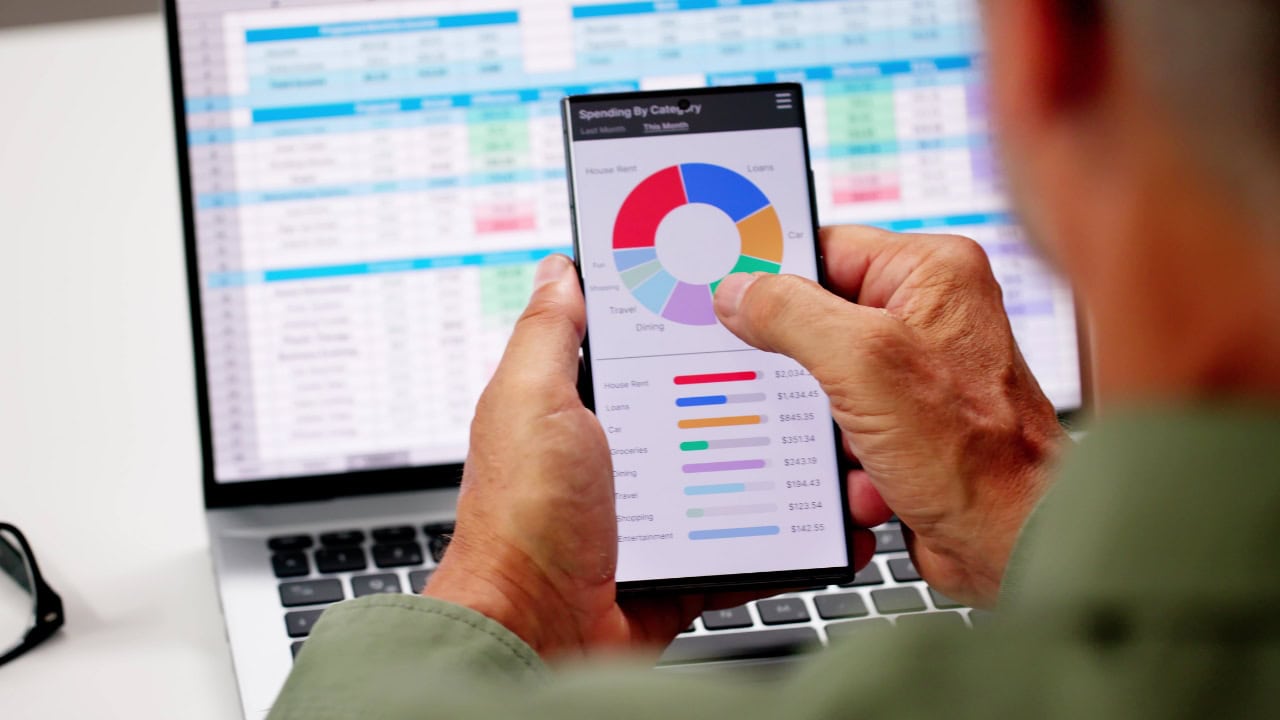
Apps can help, but they're not magic. If the app feels overwhelming or you don't open it consistently, it's not helping. The best budget is the one you'll actually use-and for some people, that's pen and paper.
Don't get stuck thinking tech will solve what discipline needs to handle. Use the tools that fit your personality and your season. A notebook that keeps you consistent is better than an app you forget exists.
"Budgeting Is Only for People in Debt"

Budgeting isn't a punishment-it's a tool. Even if you're debt-free, it helps you stay on track, save for goals, and make your money do what you want it to do. Avoiding it just means losing that clarity.
Whether you’re building wealth, staying on top of bills, or just trying to stop overspending, budgeting gives you control. You don't outgrow it when you "get ahead"-you lean on it to keep moving forward.
*This article was developed with AI-powered tools and has been carefully reviewed by our editors.






Leave a Reply