
10 budget swaps that saved me $200 right away
Big savings don't always come from big changes. Sometimes it's the small swaps that make the fastest difference-especially when you're already stretched thin. I started tracking where our money was going and found a few everyday habits that were quietly costing way more than they needed to.
Once I made these changes, I saw $200 stay in my bank account that would've been gone otherwise. These are the exact swaps that worked for me, and none of them felt like a downgrade.
Swapped Out Paper Towels for Washable Rags
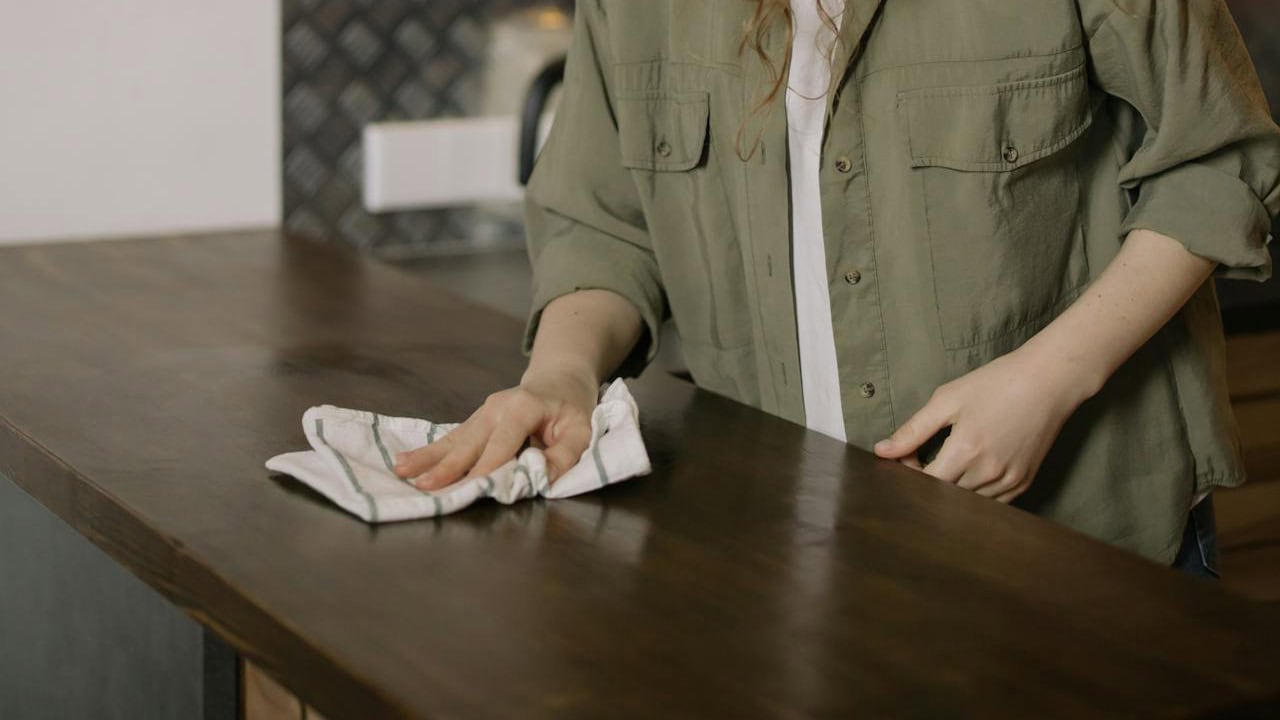
We were going through about two to three rolls of paper towels a week without realizing how fast it added up. At $1.50-$2 per roll, that was nearly $20 a month.
I switched to a stack of washable bar mop towels and use those for everything-cleaning counters, wiping spills, drying dishes. They’re easy to toss in with the regular laundry, and I don't have to constantly restock.
Replaced Streaming Subscriptions With Free Alternatives

We had multiple subscriptions running-Netflix, Hulu, Disney+, and Spotify Premium. I canceled two of them and stuck with one paid service and a couple free streaming apps like Tubi and Pluto.
Between those cuts, we saved over $30 a month. I thought I'd miss the others, but with so many free options out there now, I haven't really noticed.
Bought Pantry Staples in Bulk
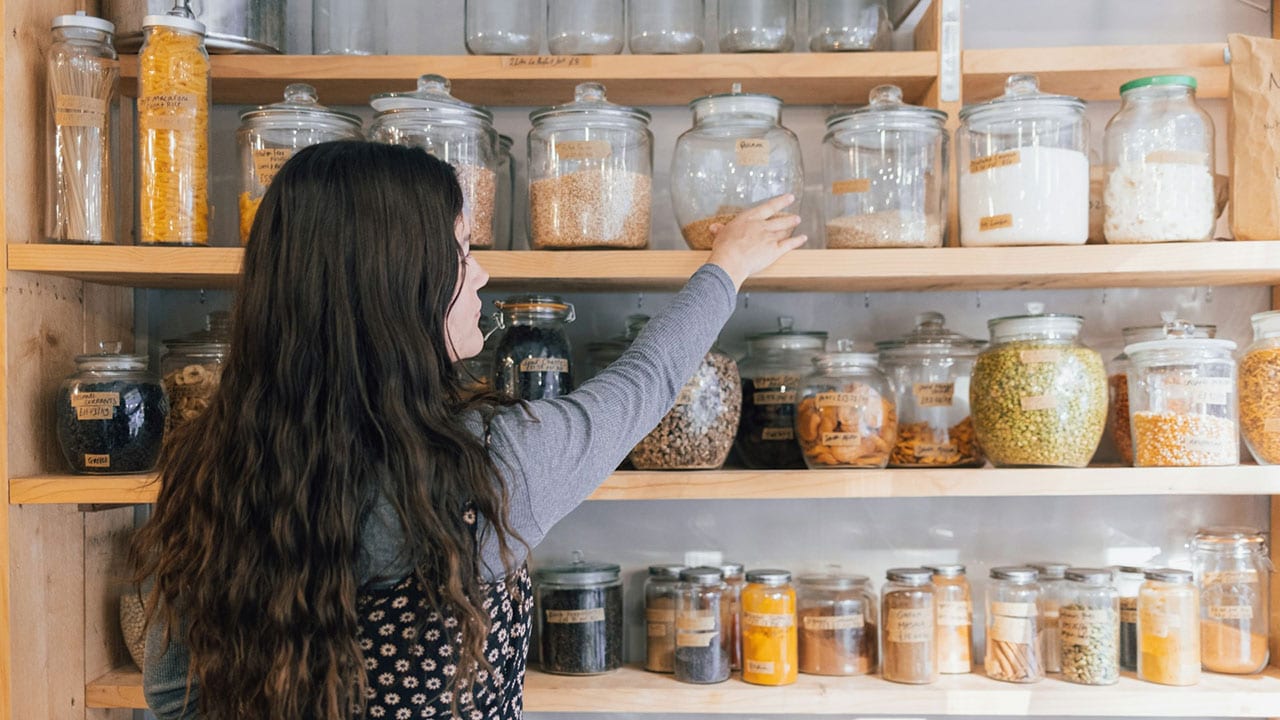
Stuff like rice, beans, oats, and flour are always cheaper when you buy them in larger quantities. I started picking those up at Costco or buying from bulk bins where available.
Even switching to 10-lb bags instead of 1- or 2-lb options saved us about $15 across a couple pantry staples. And I didn't have to restock them as often, which kept me out of the store longer.
Switched to Store Brand Cleaning Products
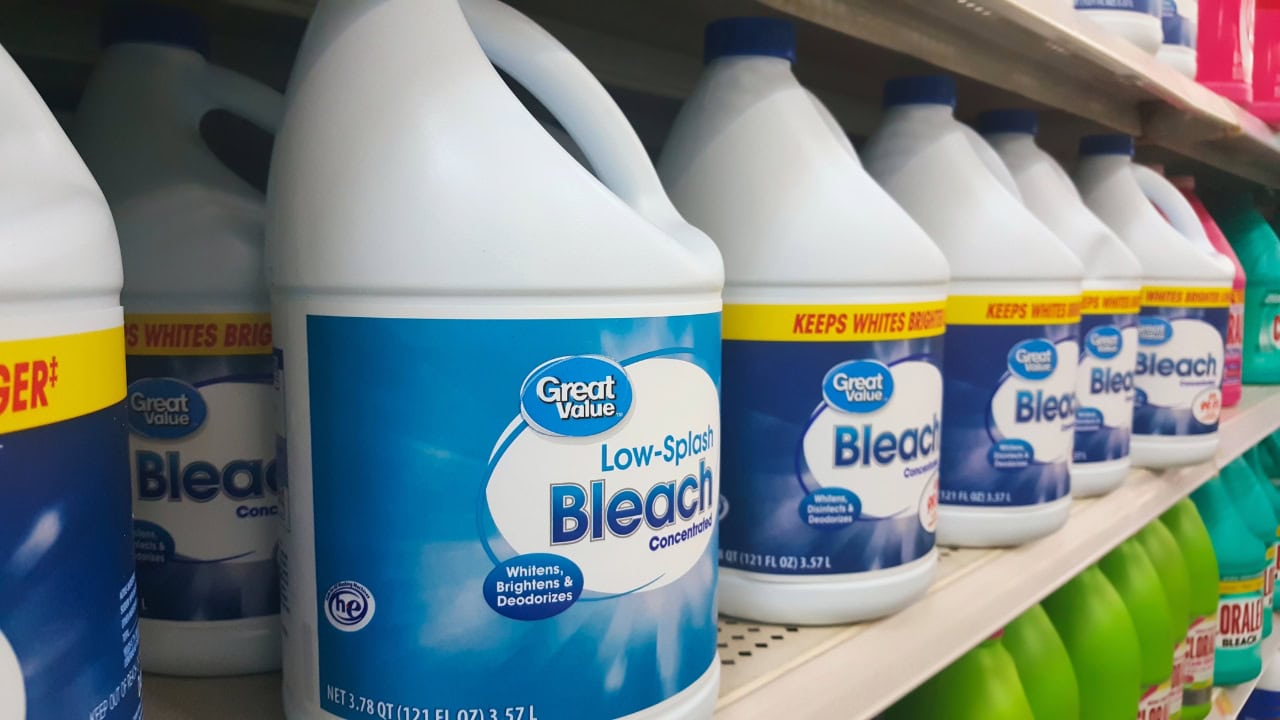
I used to grab name-brand cleaners out of habit-Windex, Lysol, Dawn. But swapping them for store brand versions cut each one by $2-$3. And honestly? They work the same.
Making that change across four or five products saved me more than $10 in a single trip. You're paying for the label more than the formula most of the time.
Started Meal Planning Around What We Already Had
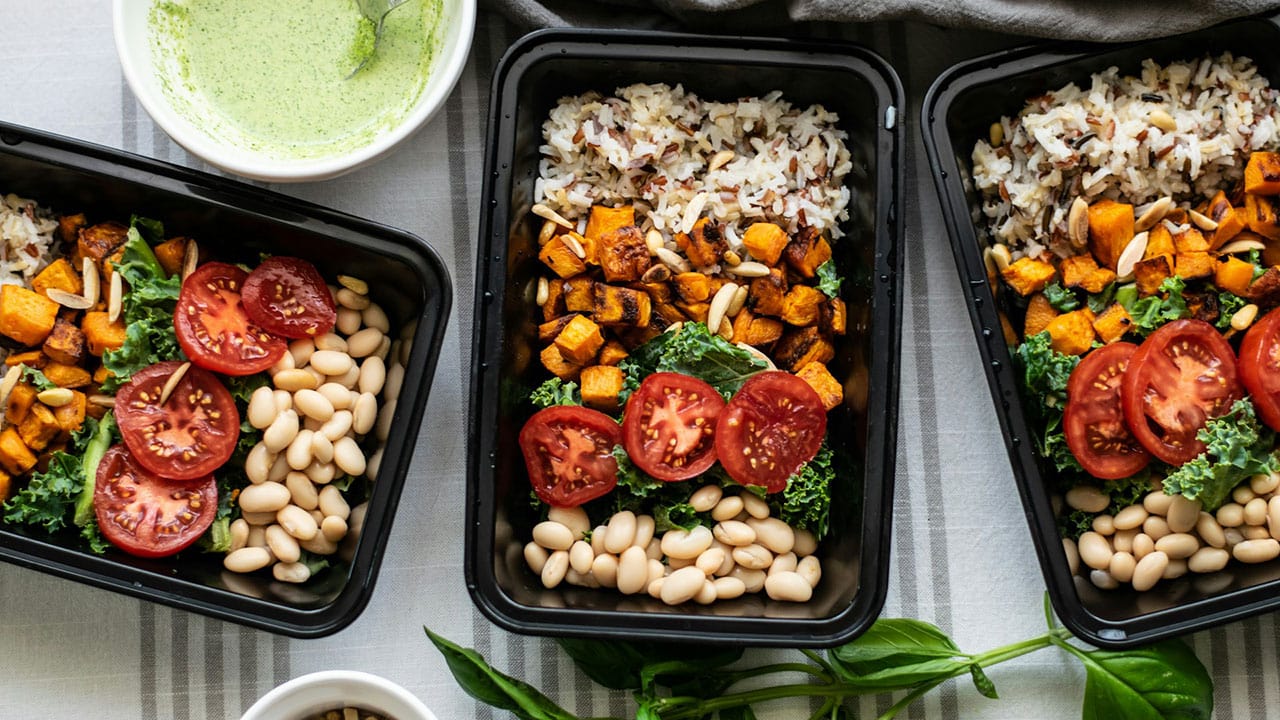
This one shift saved me more than I expected. Instead of planning meals and then buying everything for them, I started checking the pantry and freezer first.
By building meals around what we already had, I trimmed each grocery trip by $25-$30. That added up fast, especially when we were already stocked on meat or canned goods.
Cut Disposable Snack Bags and Got Reusables
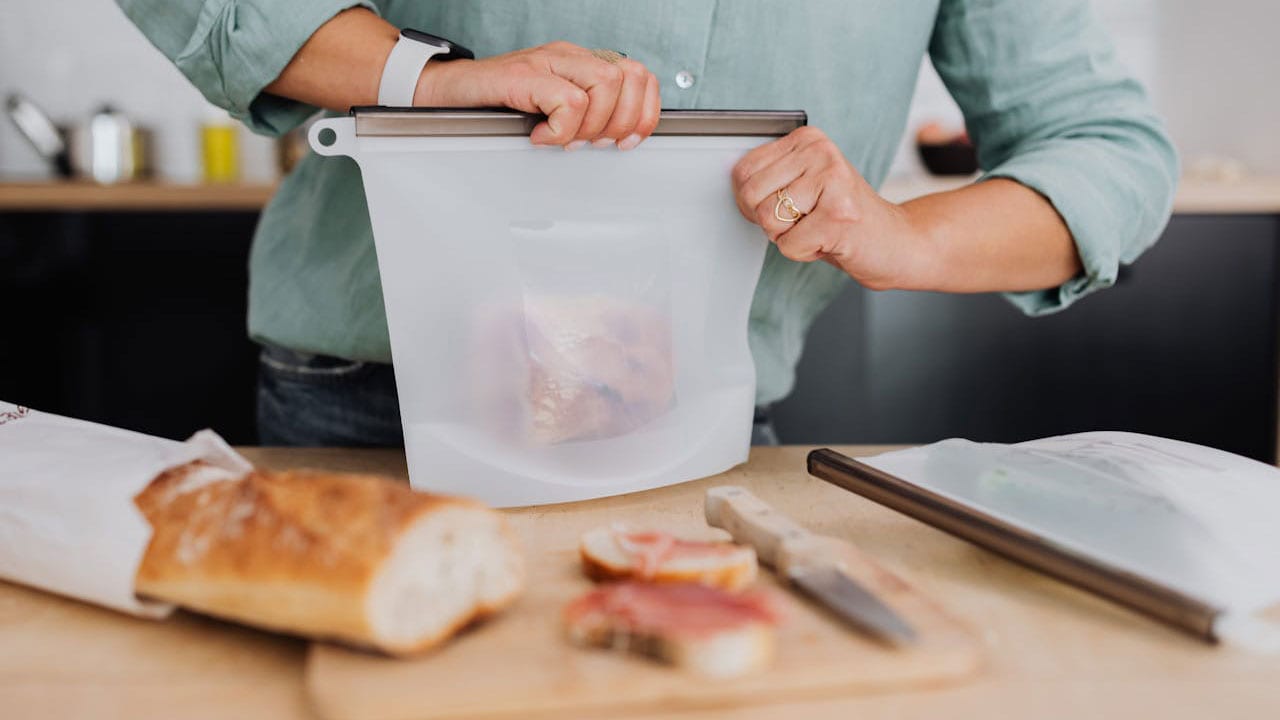
We were blowing through plastic bags for school lunches and snacks. I grabbed a 10-pack of reusable silicone bags for under $15, and they paid for themselves in a month.
Not only did that cut about $8 off our monthly grocery bill, it also made it easier to portion snacks in advance without running out of bags all the time.
Switched Out Dryer Sheets for Dryer Balls

Dryer sheets cost me about $10 every couple months, and I was always forgetting to grab more. I switched to a six-pack of wool dryer balls, and they've been working fine for months.
They cut drying time a little too, which shaved a few bucks off the electric bill. Altogether, it's a small swap that adds up more than you'd think.
Bought Gas With a Cash-Back App
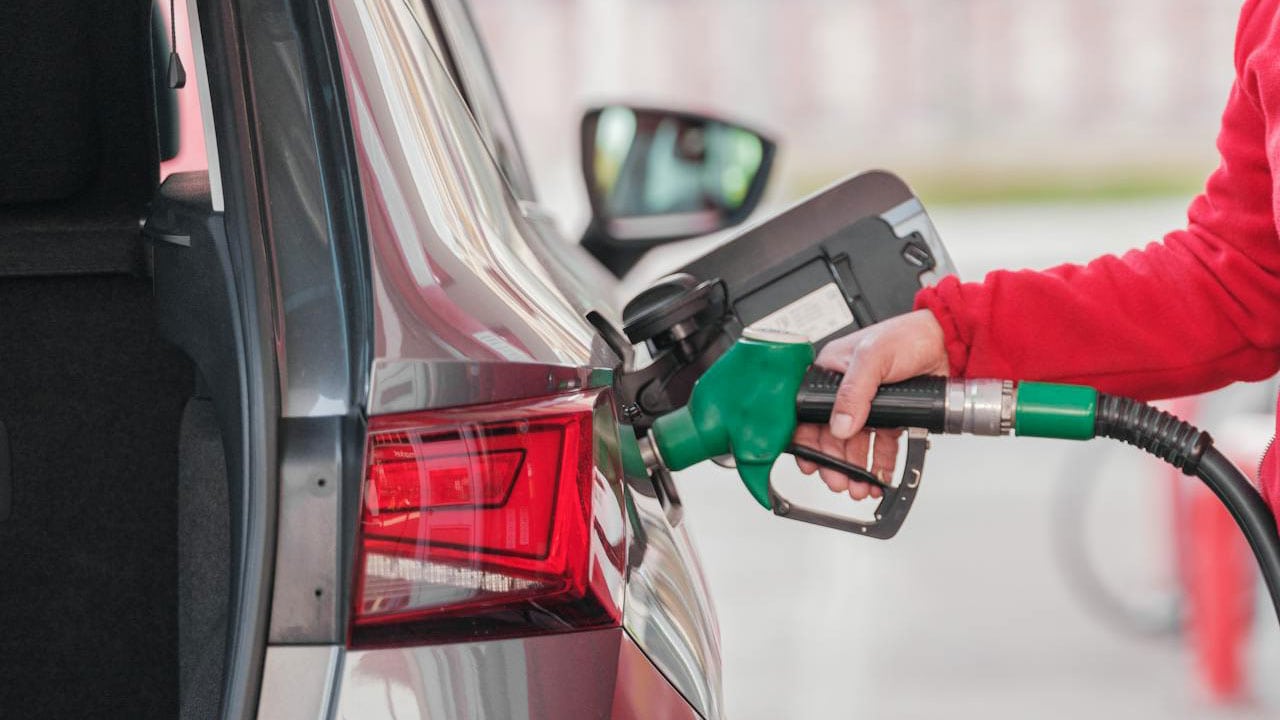
Gas prices fluctuate constantly, but one thing that helped consistently was using an app like Upside. It gives you a few cents per gallon back when you buy gas through the app.
Between a couple tanks a week, I earned back around $10 in the first month. It's not huge, but it's automatic-and better than paying full price.
Moved to a Cheaper Cell Phone Plan

We were paying over $120 a month for two lines. I switched to a prepaid plan through Mint Mobile and got three months of service for $45 per line.
Even with taxes, that saved us nearly $40 that month. The service was solid, and I didn't feel like we gave anything up for the lower bill.
Bought Meat in Bulk and Froze It
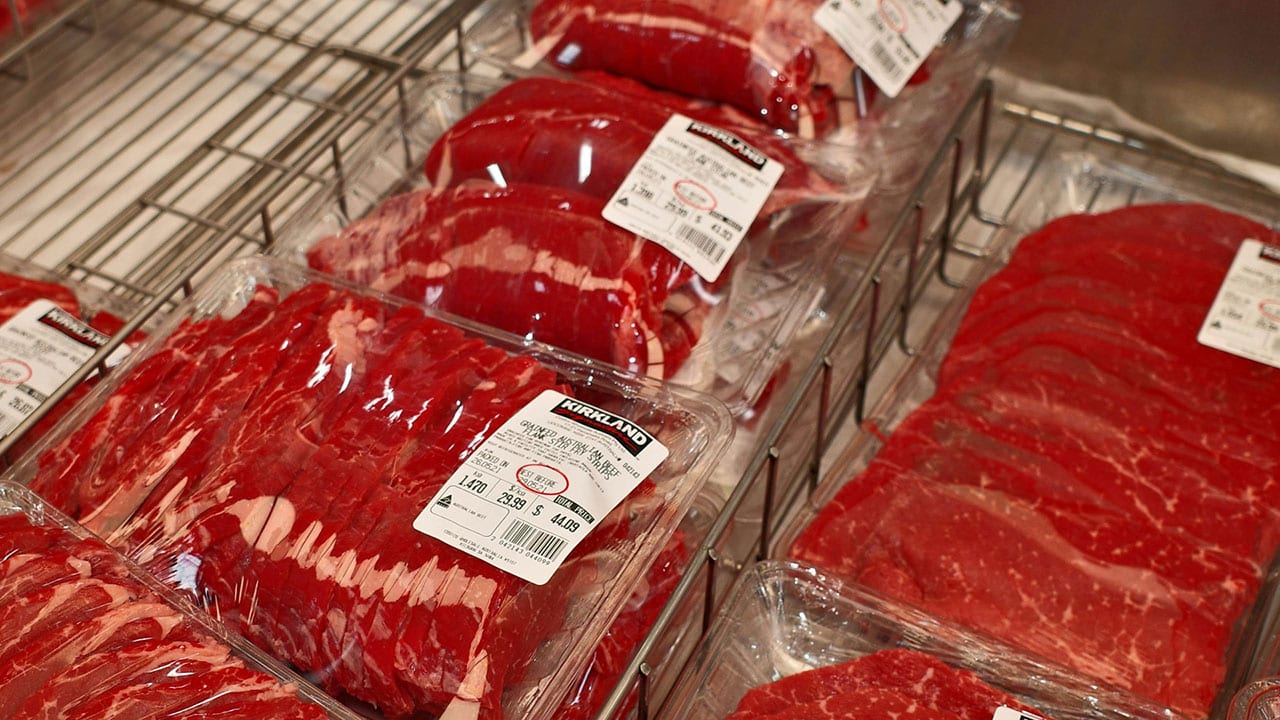
Buying meat in bulk-especially chicken and ground beef-cut the cost per pound significantly. I started freezing it in meal-sized portions so it was ready to go.
That knocked about $25 off each grocery trip. It took some prep upfront, but over the course of the month, that one switch was one of the biggest money-savers.
*This article was developed with AI-powered tools and has been carefully reviewed by our editors.






Leave a Reply