
10 budget moves that feel small but add up fast
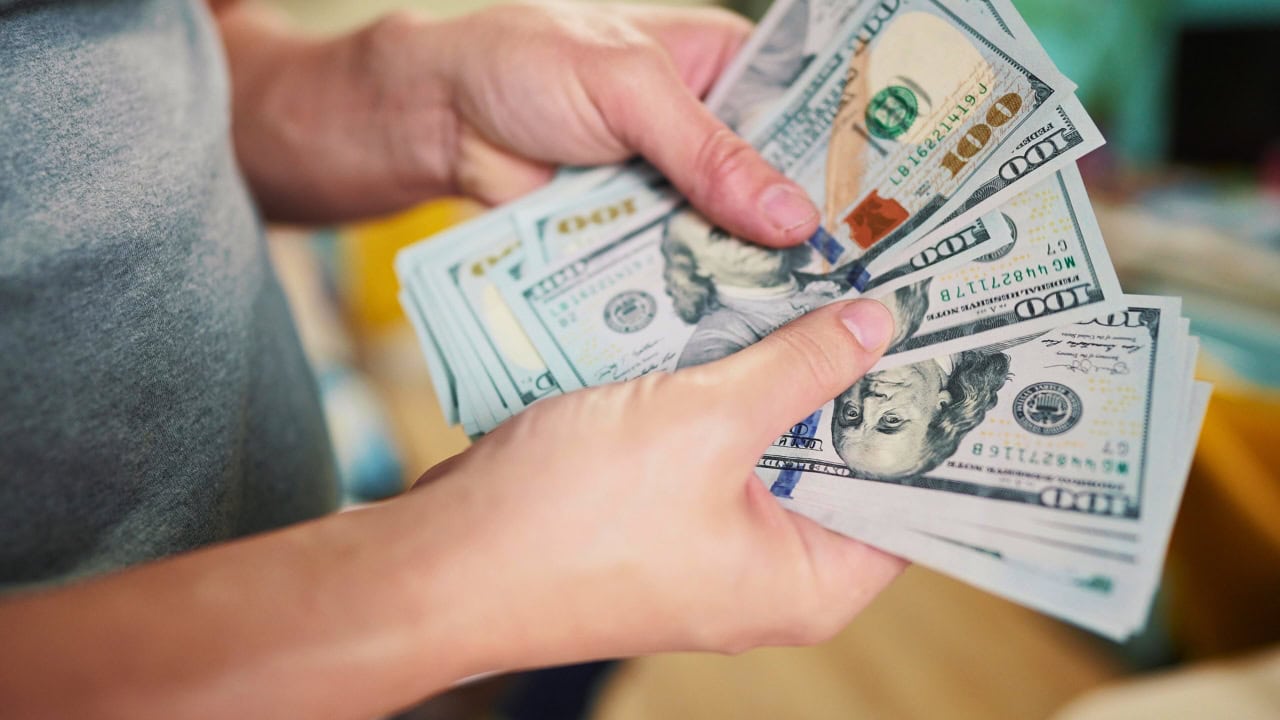
When you're trying to get ahead financially, it's the small changes that often make the biggest impact. Big savings goals can feel overwhelming, but shifting everyday habits frees up money in ways you actually notice. The trick is finding changes that don't disrupt your life but still lower your expenses.
Over time, these little moves add up into something significant. Here are ten budget moves that might seem small at first but make a real difference once you stick with them.
Bringing lunch from home
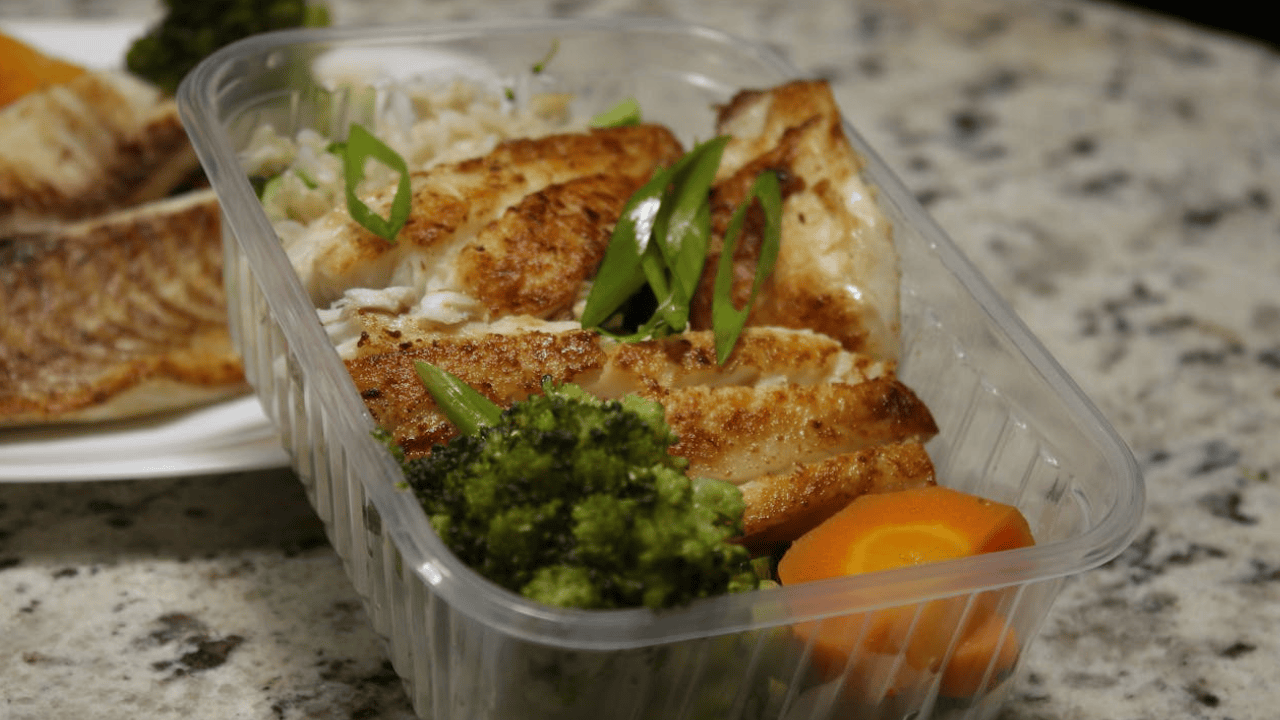
Buying lunch every day adds up quickly. Even spending $10 a day on weekdays turns into hundreds over a month.
Packing lunch doesn't have to be fancy-leftovers or a quick sandwich save a huge amount. Over a year, this one habit can put thousands back into your pocket.
Canceling unused subscriptions

It's easy to sign up for streaming or apps and forget about them. Even $10 a month is $120 a year wasted if you don't use it.
Reviewing subscriptions regularly keeps you from paying for things you don't need. Cutting a few frees up money instantly without changing your lifestyle.
Using cash for extras
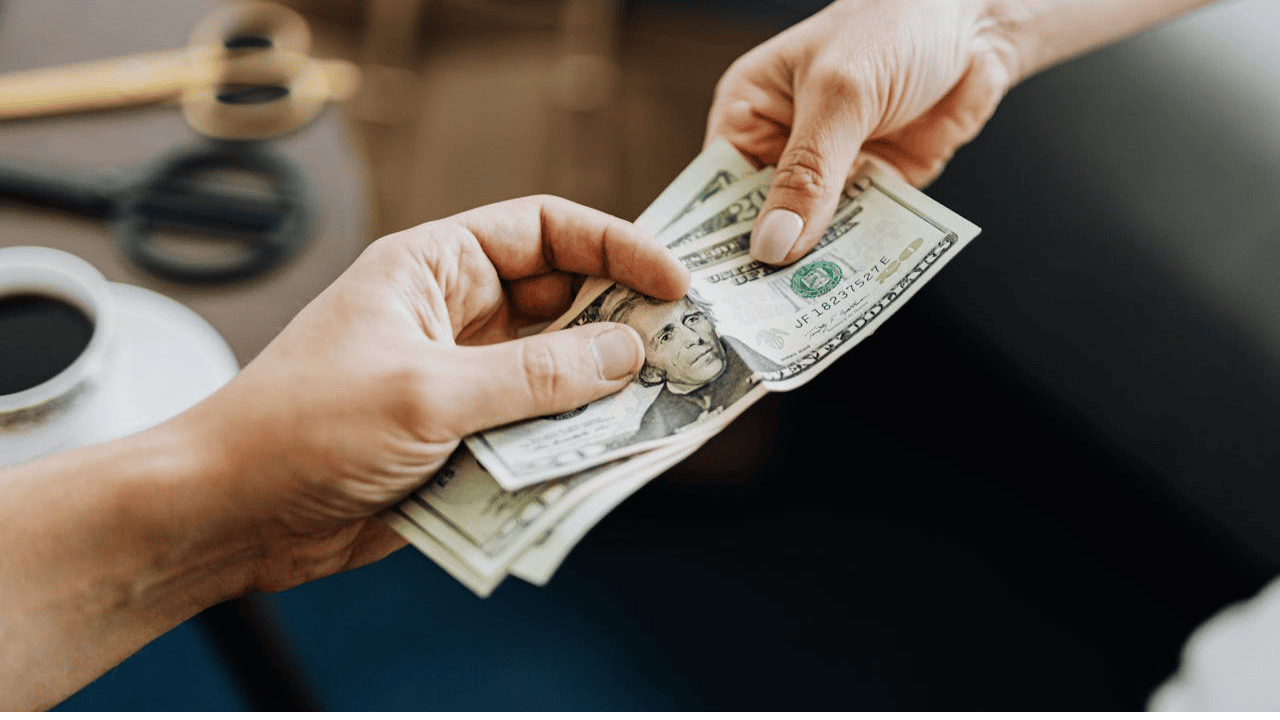
Cards make it easy to swipe without thinking. Switching to cash for categories like eating out or entertainment sets a clear limit.
Once the cash is gone, you know to stop. This move feels small, but it helps you stay within budget consistently.
Buying store brands

Name brands cost more, but often there's no real difference. Swapping to store brands on staples like milk, pasta, or cleaners can save several dollars each trip.
Over time, those small savings stack up. You get the same quality for less, and your grocery bill stays under control.
Meal planning around sales
Instead of shopping with no plan, build meals from what's on sale that week. A few swaps can lower your grocery total without cutting meals you enjoy.
This habit reduces waste too, since everything you buy has a purpose. That double savings adds up quickly over the year.
Automating savings

Setting up an automatic transfer to savings makes it effortless. Even $25 a week builds into $1,300 by the end of the year.
You won't miss it when it's automatic. This small move builds consistency, which is what makes your savings grow steadily.
Using your library

Books, movies, and audiobooks get expensive if you're buying them constantly. The library offers them all for free, often with digital access too.
Switching to the library for entertainment saves hundreds a year. It's one of the easiest ways to cut spending without feeling deprived.
Brewing coffee at home

Grabbing coffee out feels small, but daily runs add up fast. Spending $5 a day means over $100 a month on caffeine.
Making coffee at home costs pennies per cup. You still get your caffeine fix while saving hundreds over the year.
Buying in bulk
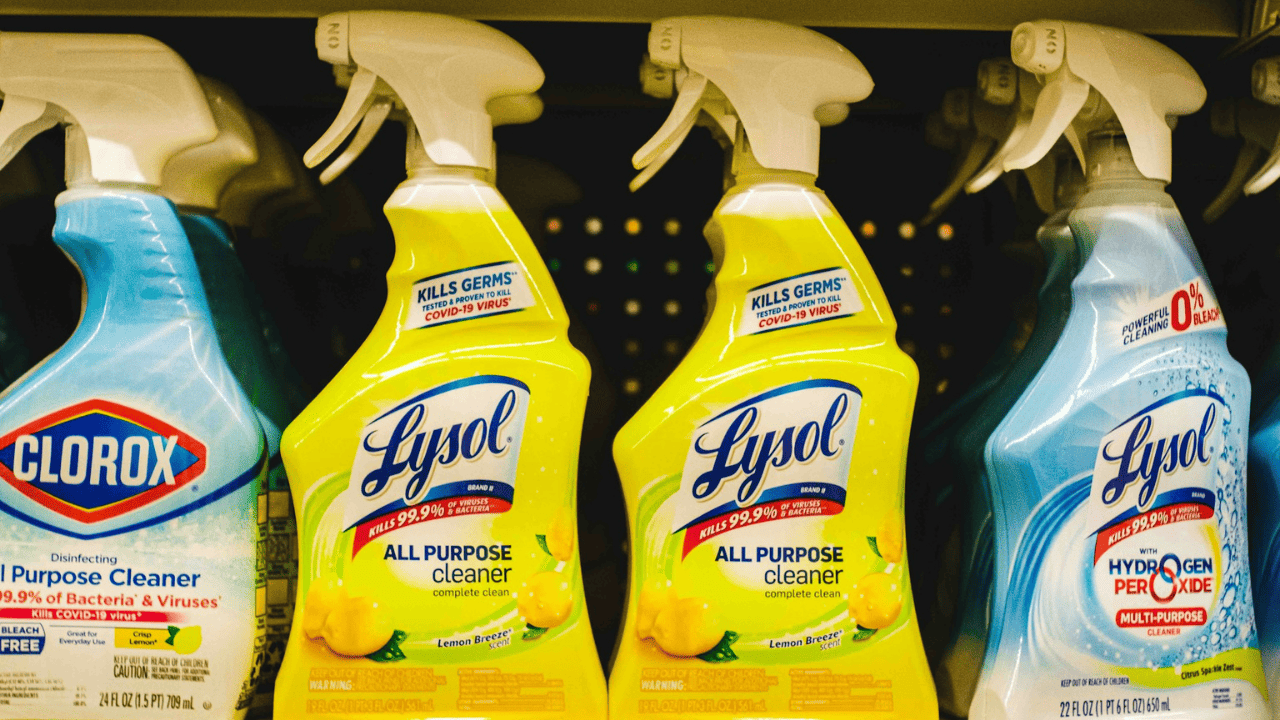
Items like paper goods, cleaning supplies, or pantry staples are cheaper when bought in bulk. Paying a little more upfront lowers costs over time.
When you stock up once, you also cut down on extra store trips that lead to impulse buys. This habit multiplies your savings in two ways.
Rounding up expenses
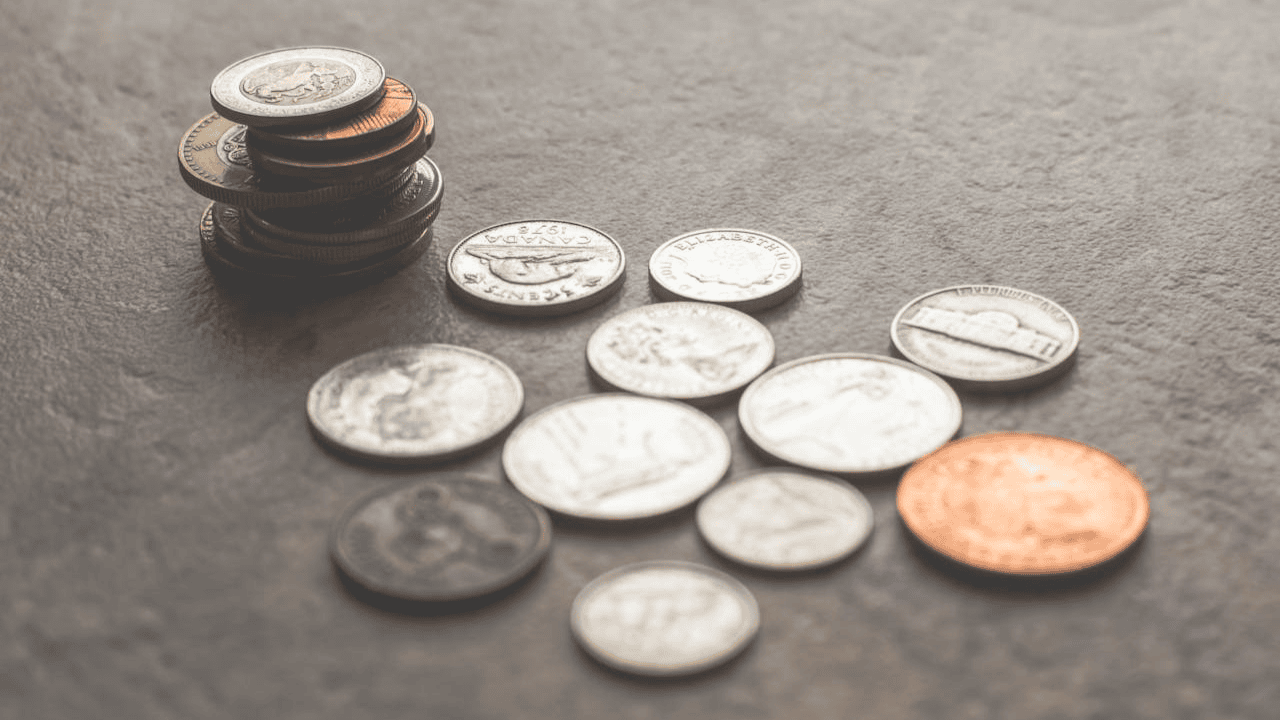
Some banks let you round purchases to the nearest dollar and move the difference into savings. Spending $2.60 becomes $3, with 40 cents set aside automatically.
It feels small, but those little amounts grow into real money. You're saving without noticing, which makes it one of the easiest moves to stick with.
*This article was developed with AI-powered tools and has been carefully reviewed by our editors.






Leave a Reply