
10 Budget Habits That Made Life Feel Lighter
When your budget finally starts working for you, it's not just about saving money-it's the relief that follows. No more guessing if you'll make it to the next paycheck. No more guilt when you buy groceries or say yes to plans. These habits didn't come from being perfect with money. They came from messing up, learning what mattered, and doing a little better each month.
If your budget feels tight, scattered, or like it’s constantly chasing the next emergency, these changes can give you some breathing room.
Always Knowing What's Left in the Budget

Keeping tabs on what's actually left in your spending categories stops you from accidentally going over. When you know there’s $45 left for groceries or $20 for eating out, you’re not guessing.
It takes maybe a minute to check before making a purchase, but it saved me from constantly overdrawing or regretting a Target run. Whether you're using a budget app or a sticky note on the fridge, knowing your numbers keeps everything calmer.
Budgeting the Boring Bills First

Covering the basics-mortgage, gas, utilities-before anything else made the rest of the month feel less stressful. Once those were paid or set aside, I could look at what was left without panic.
I stopped trying to budget around the fun stuff and started building the budget around what actually had to be paid. That one change made money feel like a tool instead of something I had to wrangle.
Giving Every Dollar a Job

Instead of letting money sit around, I started assigning every dollar to something-groceries, savings, gas, Christmas fund, whatever. It didn't have to be complicated, it just had to be clear.
When money had a job, it stopped disappearing. That extra $200 didn't get lost in impulse buys-it went to something I actually needed. I could look at the plan and know what we could or couldn't do without guilt.
Planning for the Irregular Stuff

It's easy to forget things like birthday gifts, car registrations, or school supplies until they pop up and ruin your budget. I made a list of every "once in a while" expense and started setting aside small amounts each month.
When those things hit, it wasn't a crisis anymore. It was already covered. That one habit turned big surprise bills into no-big-deals, which made everything else feel lighter.
Grocery Planning With a Running List

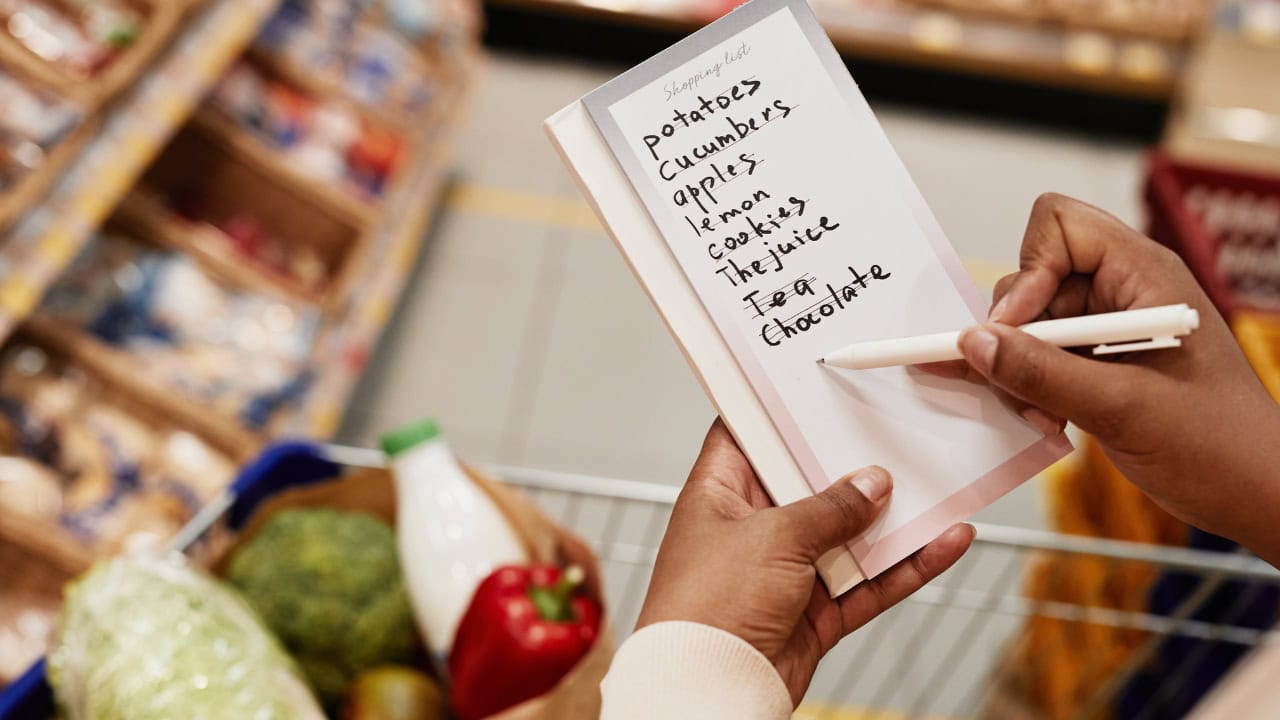
Instead of guessing what we needed while standing in the store, I kept a running grocery list on the fridge. When something ran low, it got written down immediately.
That one habit kept me from making four grocery trips a week, overspending, or buying stuff we didn't need. It sounds small, but it saved time, money, and the mental load of figuring out dinner every night.
Waiting 24 Hours Before Buying Anything Non-Essential
Adding a 24-hour pause rule gave me space to ask if I actually needed something or if it was a temporary want. Most of the time, the urge passed and I forgot about it.
Even for smaller stuff like clothes, books, or household extras, that pause helped me make fewer emotional purchases. And when I did buy something, I felt good about it-because I'd actually thought it through.
Always Having a Buffer

Even before I built a full emergency fund, I kept at least $100 to $200 as a buffer in checking. That habit alone helped me stop living on the edge.
If something hit the account a day early, or I needed to fill up before payday, I wasn't scrambling. That little bit of margin gave me more confidence with money and kept unexpected things from turning into full-on stress.
Sticking to One Spending Account
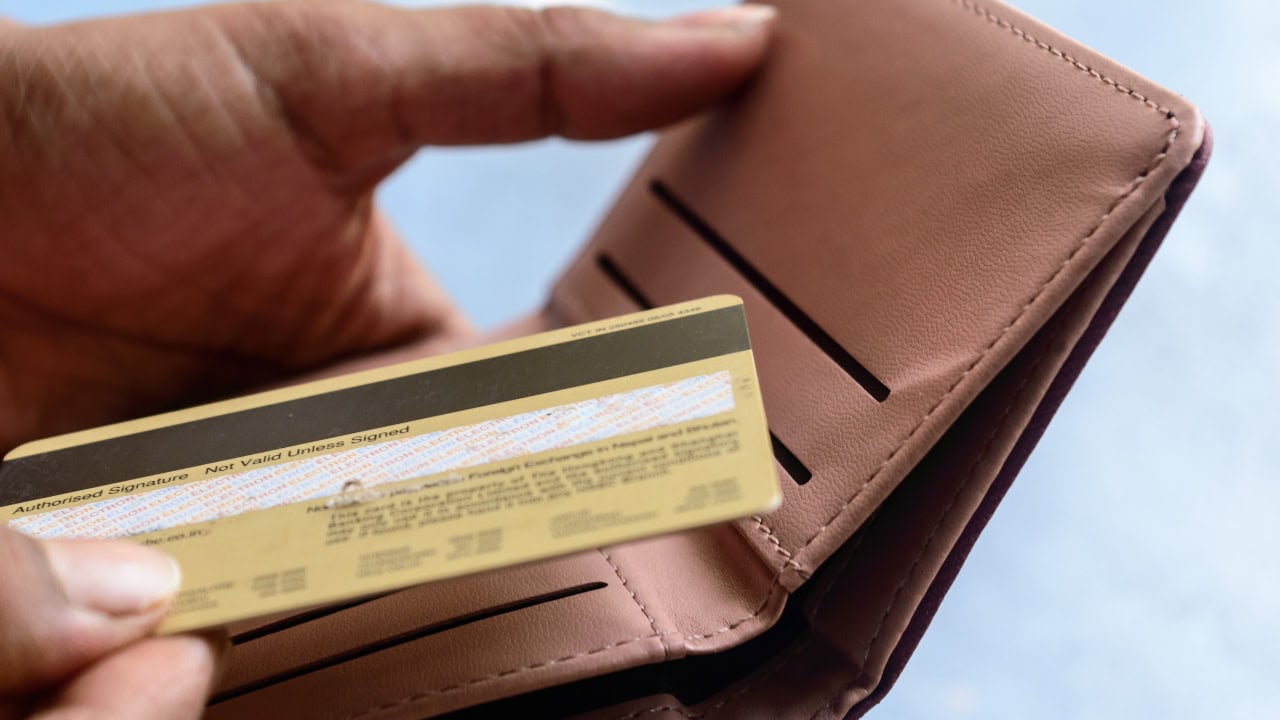
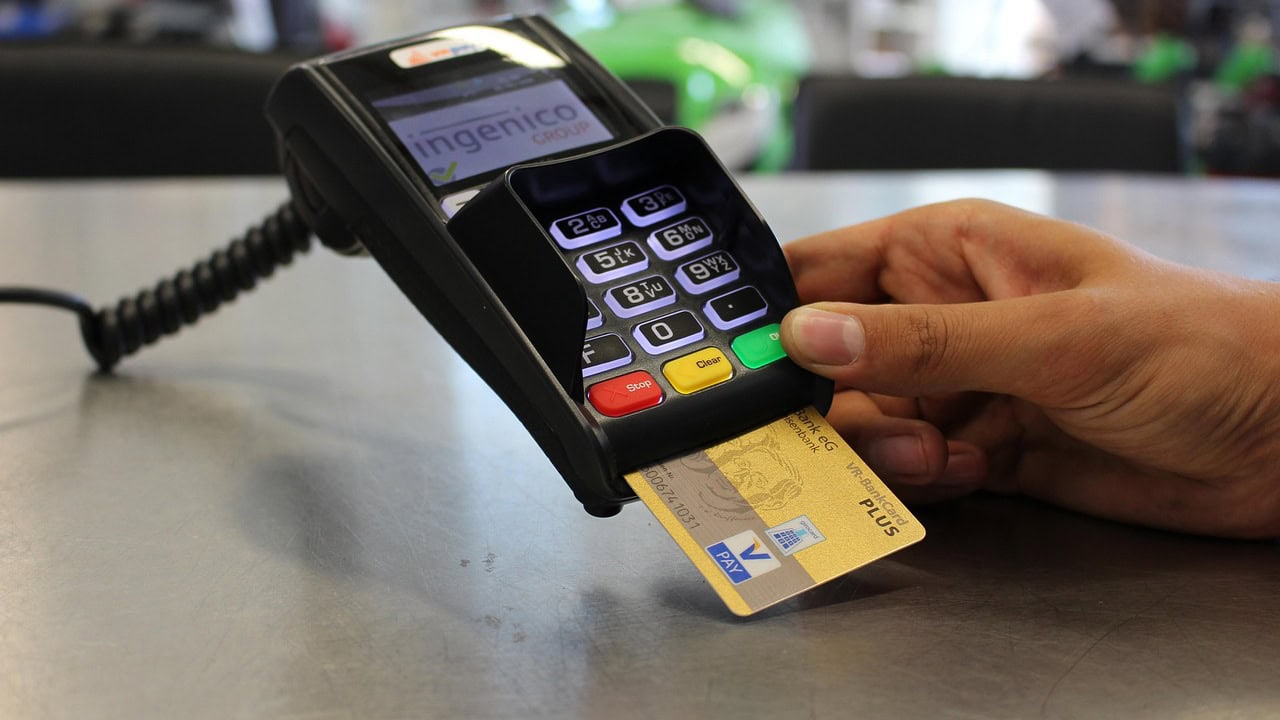
I used to swipe different cards for different things and always felt confused about how much I'd actually spent. Switching to one debit card for variable spending helped a lot.
I could check one place and instantly know where we stood. No surprise credit card bills. No wondering if I'd double-counted something. It simplified our whole system without needing more spreadsheets.
Eating at Home More By Default
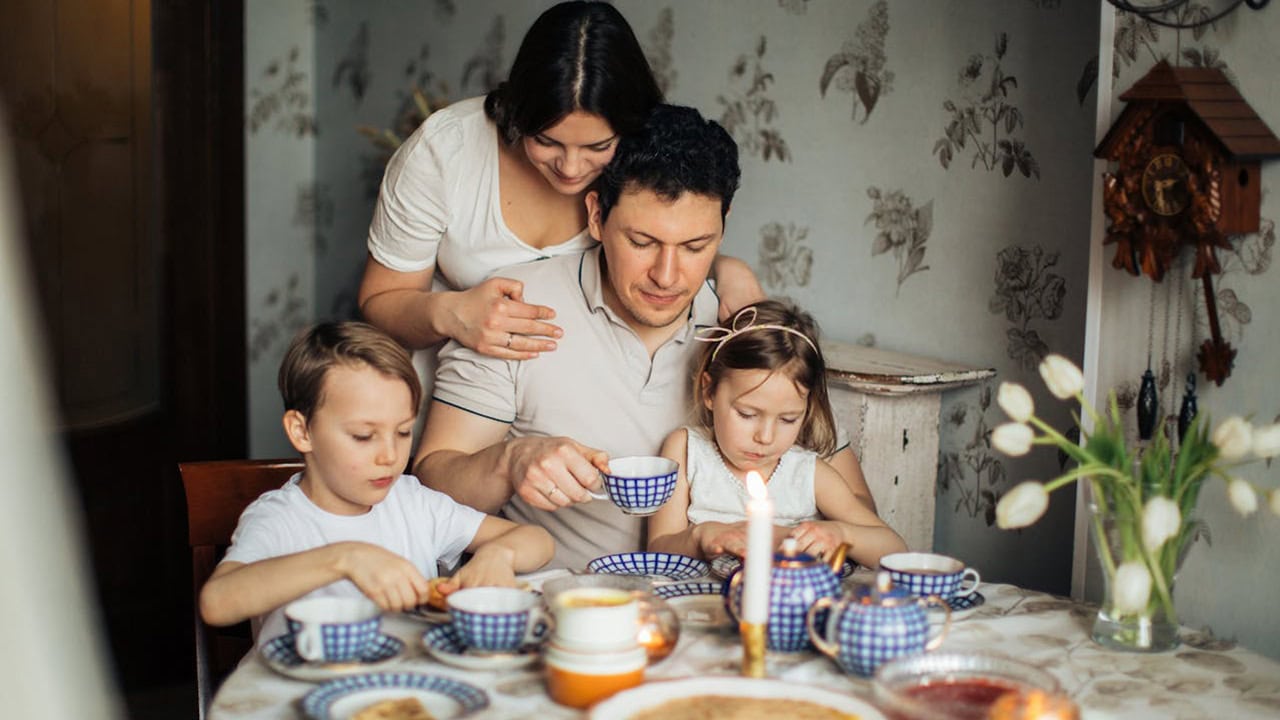
Instead of asking "should we cook or go out?", we made eating at home the default. That didn't mean never eating out, but it meant planning around meals we already had.
Even a $30 dinner out adds up fast if it happens multiple times a week. By making eating at home the baseline, we saved hundreds without feeling deprived. We still had takeout-we just planned for it.
Tracking Progress, Not Perfection
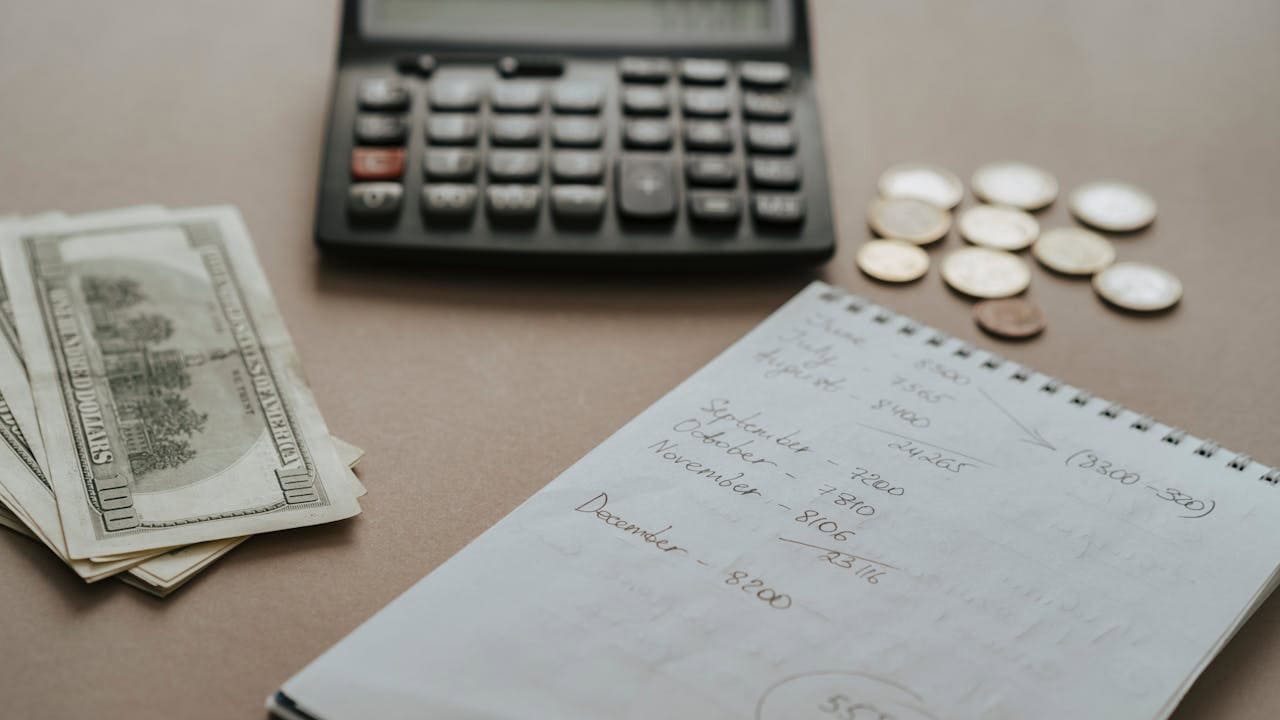
I stopped aiming for a flawless budget and started looking at how much progress we were making each month. That shift made it easier to keep going, even when we overspent in one area.
Celebrating small wins-like sticking to the grocery budget or setting aside $50 in savings-helped me stay motivated. Over time, those small wins turned into real momentum, and money felt a lot less heavy.
*This article was developed with AI-powered tools and has been carefully reviewed by our editors.






Leave a Reply