
10 budget-friendly routines that add up to $300 a month in savings

Small habits don't always feel like they're doing much, but when you stick to them month after month, they can save more than you'd think. I've built a few budget-friendly routines into my day that don't require big sacrifices or hours of effort-but together, they've helped me avoid a whole lot of unnecessary spending.
These aren't gimmicks or theoretical tricks-they're the kind of everyday routines that actually make a dent in your monthly expenses without making life harder.
Meal Plan Once a Week and Actually Use What You Buy

Setting aside 15 minutes a week to plan meals saves more than most people realize. When you don't know what's for dinner, you're more likely to waste ingredients, eat out, or make multiple runs to the store. All of that adds up fast.
The key is planning around what's already in your pantry or freezer. Make a list, shop once, and prep anything that might go bad before you use it. Doing this every week can easily save $100-$150 a month compared to winging it every night.
Fill Up on the Cheapest Gas Day
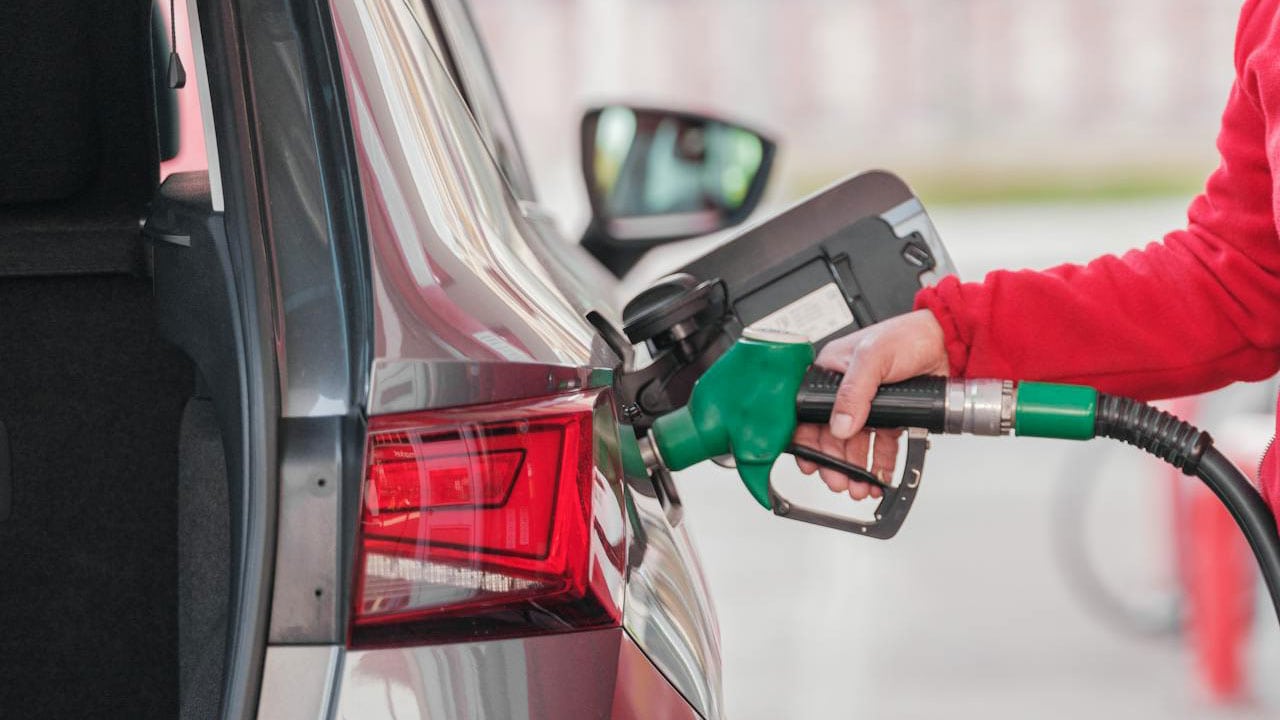
Most areas have a "cheapest" day for gas-and it's usually midweek. Checking gas prices and filling up on the lower-cost day of the week can save you anywhere from $10-$30 a month depending on how much you drive.
Apps like GasBuddy help you spot trends in your area. If you're always filling up last-minute or waiting until your tank is empty, you're paying more than you need to. Making it a routine to fill up at the right time keeps you from getting gouged.
Wash Clothes in Cold and Skip the Dryer When You Can

Switching to cold water for laundry and line-drying when possible cuts down both your energy use and wear on your clothes. Hot water and dryer cycles use way more power-and cause fabrics to break down faster.
You don't have to hang everything, but skipping the dryer on heavier or air-dry-safe items saves more than you think. Between energy savings and fewer clothing replacements, this routine easily keeps $15-$25 in your pocket each month.
Use a Grocery Rewards App Every Trip

Making it a habit to scan receipts or use a rewards app after every grocery run stacks up fast. Apps like Fetch or Ibotta give you points or cashback for purchases you're already making.
It takes less than 2 minutes and can add up to $20-$40 in real monthly savings, depending on how often you shop. The key is consistency. Build it into your post-grocery routine like putting the eggs in the fridge or tossing the receipt.
Cancel One Subscription You Don't Actually Miss

Most people forget they're still paying for a streaming service, app, or delivery membership they rarely use. Pick one day a month to scan your bank statement and cancel anything that's not pulling its weight.
Even one unused $9.99 subscription adds up to $120 a year. Making this part of your monthly money check-in saves more over time than you’d expect-and keeps you from funding services you don't even enjoy anymore.
Make Coffee at Home Five Days a Week

Grabbing a coffee on the go might feel like a harmless $4 here and there, but doing it daily adds up to more than $80 a month. Making it at home during the week keeps that cash in your account without cutting it out entirely.
Even with good beans or syrups, the cost per cup is significantly lower. Reserve coffee runs for weekends or travel days. Turning it into a Monday-Friday routine makes it manageable without feeling restrictive.
Pack a Snack and Water Bottle When You Leave the House

If you're out for more than an hour or two, chances are you'll end up buying food or drinks-especially if you've got kids with you. Bringing a protein bar or reusable water bottle can save you from an impulse $10-$15 stop.
I keep a snack stash in the car and refill water bottles before we leave. It's an easy habit that keeps us from making fast food stops or buying overpriced gas station snacks when we didn't plan ahead.
Set a Weekly Spending Limit for Extras

Giving yourself a set amount of money each week for non-essentials makes it easier to stay within budget without feeling deprived. Whether that's $20 or $40, it keeps small impulse purchases from snowballing.
When you make it a habit to track that weekly spending and pause when it's gone, you start paying attention to what's actually worth it. That alone can save $50-$100 a month, depending on your usual spending habits.
Rotate Streaming Services Monthly

Instead of paying for four or five streaming platforms every month, rotate them. Pick one or two you'll use for the month, cancel the others, and switch it up next time. Most don't lock you in.
If you're paying $60 or more for platforms you're not even watching, this routine can cut that number in half. You still get access to the shows you want-but without the constant drain from services you forgot you even signed into.
Use the Library Before Buying Books or Movies

Getting in the habit of checking your local library's app or website before buying anything entertainment-related can keep $20-$50 in your pocket every month. Most libraries now offer digital access to ebooks, audiobooks, and streaming-no late fees or hassle.
You'd be surprised how often they have exactly what you're about to pay for. I check mine weekly and almost always find something new to read or watch without spending a dime. It’s a small routine that adds up without feeling like a sacrifice.
*This article was developed with AI-powered tools and has been carefully reviewed by our editors.






Leave a Reply