
10 beliefs about money that cost me thousands

It's easy to adopt money beliefs without realizing where they came from. Sometimes they're passed down by family, sometimes they're picked up from the internet, and sometimes they sound smart until they quietly drain your bank account.
The problem is, these beliefs shape how you spend, save, and react to financial stress. And if they go unchecked, they'll cost you way more than you think. Here are the ones that hit my wallet the hardest-and why I had to let them go.
"If I Work Hard, the Money Will Come"

Working hard matters, but it doesn't automatically mean you'll earn more. Plenty of people burn out working long hours and still struggle financially because the job itself is capped or underpaid.
You have to look at the numbers. If there's no path for growth or your time isn't valued, working harder won't fix it. I learned I had to work smarter-not more-and start saying yes to the things that actually paid off.
"Debt Is Normal-Everyone Has It"

Normal doesn't mean smart. I used to believe debt was just part of life: credit cards, car loans, financing furniture. It added up fast, and I didn't even feel like I was living fancy.
Once I stepped back, I saw how much I was losing in interest alone. Normal was costing me thousands a year. Now I ask myself if I really need it before I swipe-and I don't care if it's "what everyone does."
"If I Can Afford the Payment, I Can Afford It"
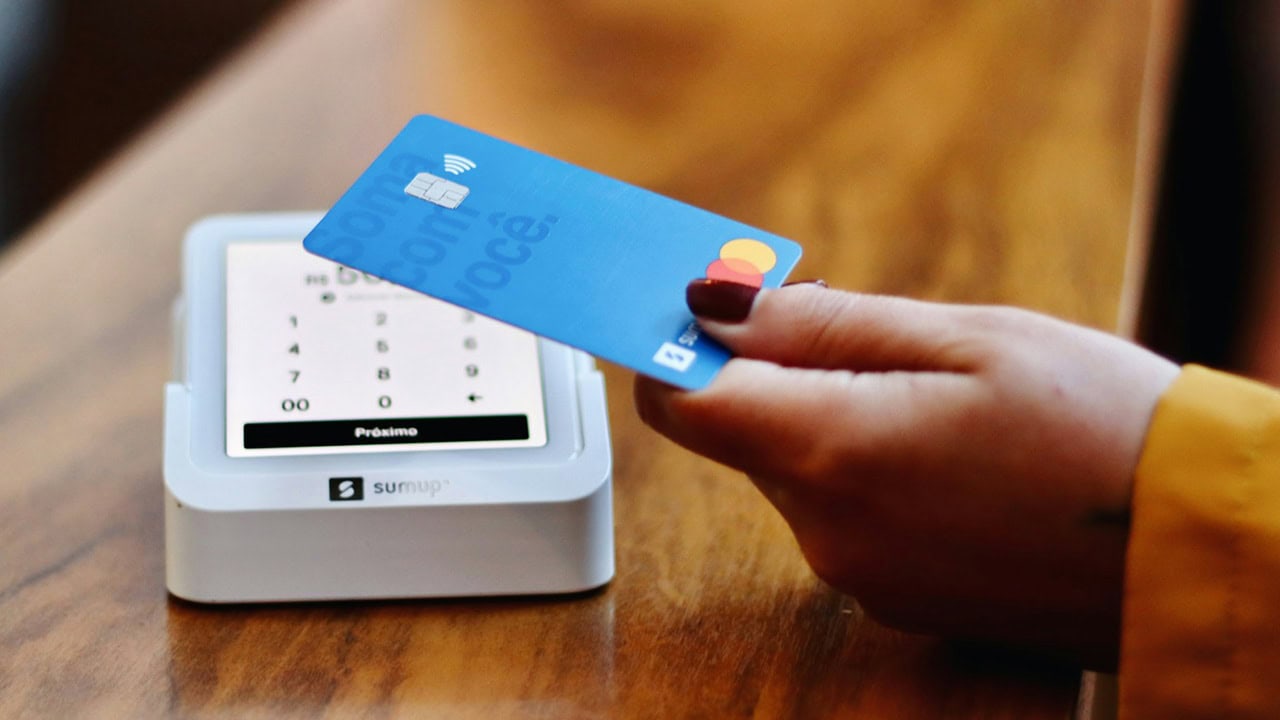
That logic kept me in a cycle of constantly owing money. I'd buy based on the monthly payment instead of the total cost, and it felt manageable until I had too many payments stacked on top of each other.
Just because a payment fits in your budget doesn't mean the purchase makes sense. It took a while to shift that mindset, but now I think in totals, not monthly bites.
"Buying Is Better Than Renting"

There's this idea that if you're renting, you're throwing money away. That belief pushed me into a house before I was ready, and I wasn't prepared for the surprise expenses that came with it.
Renting would've been cheaper and less stressful during that season. Ownership can be smart-but only if you're financially stable and willing to take on everything that comes with it. Otherwise, it can drain you faster than rent ever did.
"If It's On Sale, I'm Saving Money"

I've spent more on "sales" than I ever did paying full price. If you wouldn't buy it at full price, you're not saving-you're spending. And I fell for that trap over and over.
Clearance aisles and flash deals used to feel like wins. Now I ask if I'd still want it tomorrow. Most of the time, the answer's no. That one shift saved me hundreds every year.
"I Deserve This"

Spending out of frustration, stress, or the need to feel better led to a lot of unnecessary purchases. I'd say, "I've worked hard-I deserve this," and ignore what it meant for my budget.
You can treat yourself without blowing through your money. I had to learn that "deserve" doesn't mean "buy now." It means finding long-term ways to support your life that don't wreck your finances.
"Budgeting Is Restrictive"
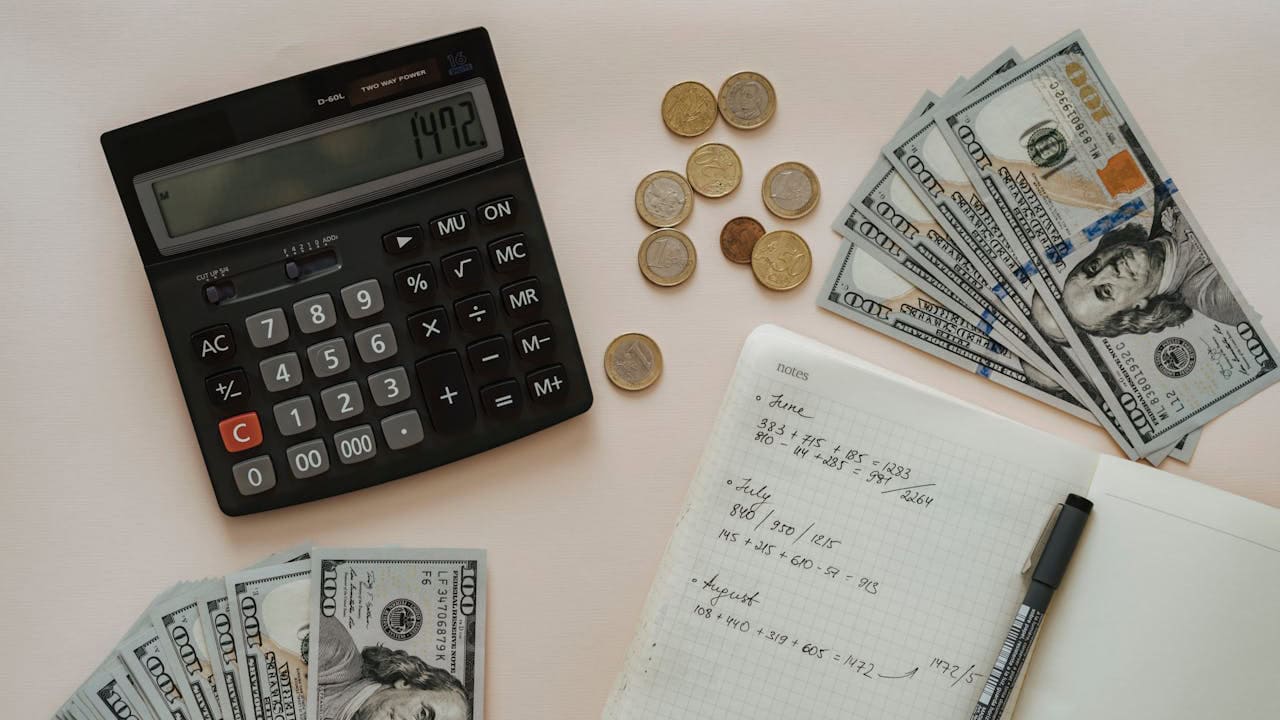
I used to think budgeting meant saying no to everything fun. Turns out, not having a budget meant saying yes to the wrong things and having nothing left for what actually mattered.
Once I got serious about budgeting, I felt more freedom-not less. I stopped guessing where my money went and started telling it where to go. That clarity helped me stop the leaks and finally get ahead.
"As Long as I'm Paying My Bills, I'm Doing Fine"

Covering the bills felt like enough. But I wasn't saving, I wasn't investing, and I wasn't preparing for anything unexpected. One emergency would've wrecked me financially.
Paying bills is the bare minimum. It's not the full picture of financial health. Once I started building margin, even $50 at a time, I felt way more secure-and more in control.
"I'll Start Saving When I Make More"
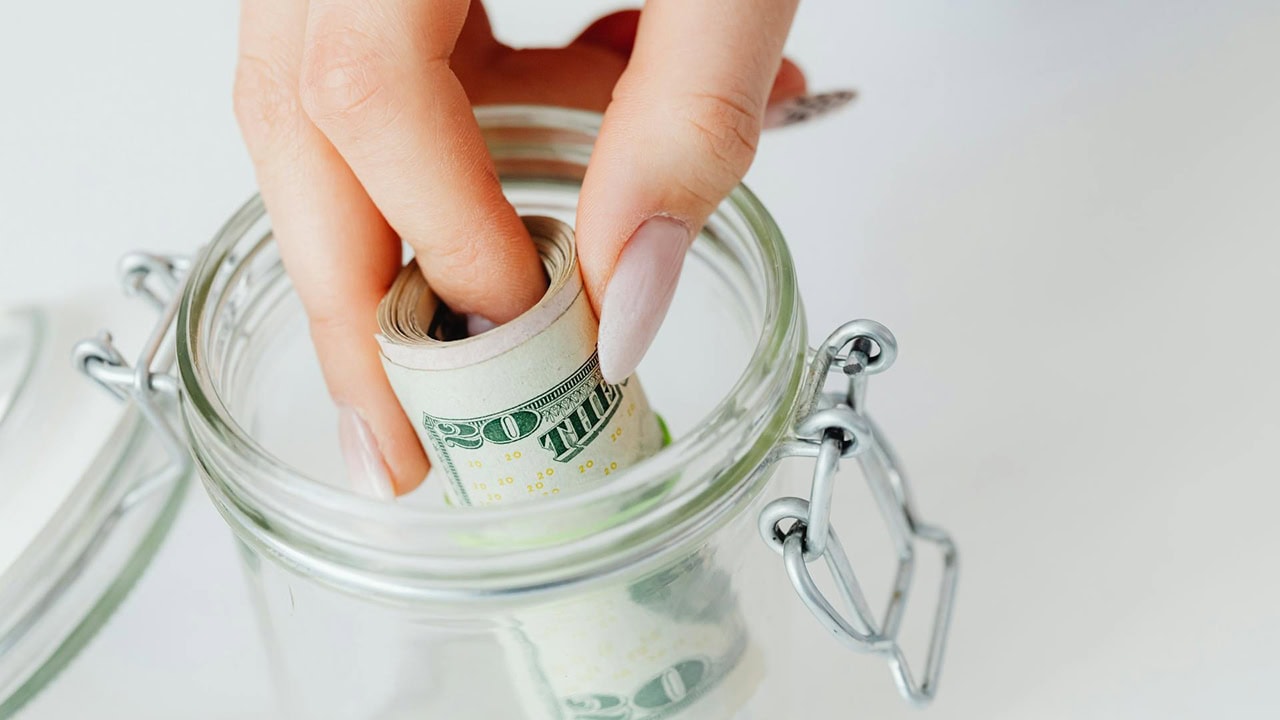
Waiting to save until you're making more usually means you won't start at all. I told myself that for years, and every time I got a raise, the money disappeared somewhere else.
You have to start with what you have. Even small savings builds the habit. I wish I'd started earlier with $10 here and there-it would've added up faster than I thought.
"Money Is Too Complicated to Figure Out"

I avoided learning about money because I thought it was too overwhelming. Investing, credit, interest rates-it all sounded like something you had to go to school for.
But once I took the time to actually read and ask questions, I realized it's not as complicated as people make it out to be. The basics are learnable, and that knowledge has saved me thousands since.
*This article was developed with AI-powered tools and has been carefully reviewed by our editors.






Leave a Reply