
10 beginner couponing habits that still work in 2025

Couponing has changed a lot, but the basics that actually save you money haven't gone anywhere. You don't need a binder, a separate email address, or three hours in the parking lot before you shop.
What you do need is a few simple habits you repeat every week so the savings stack quietly in the background while you live your normal life.
Here are beginner-friendly coupon habits that still work right now-no overwhelm required.
1. Pick one main store and learn that system first

Instead of trying to coupon at five places, start with the store you already shop the most-your regular grocery chain, Walmart, or Target.
Download their app, sign up for the rewards program, and start noticing how their weekly ad and digital coupons work together. Once that feels normal, you can add a second store if you want. But in the beginning, keeping it to one place keeps you from burning out before you ever see a difference in your budget.
2. Make your list, then check for deals
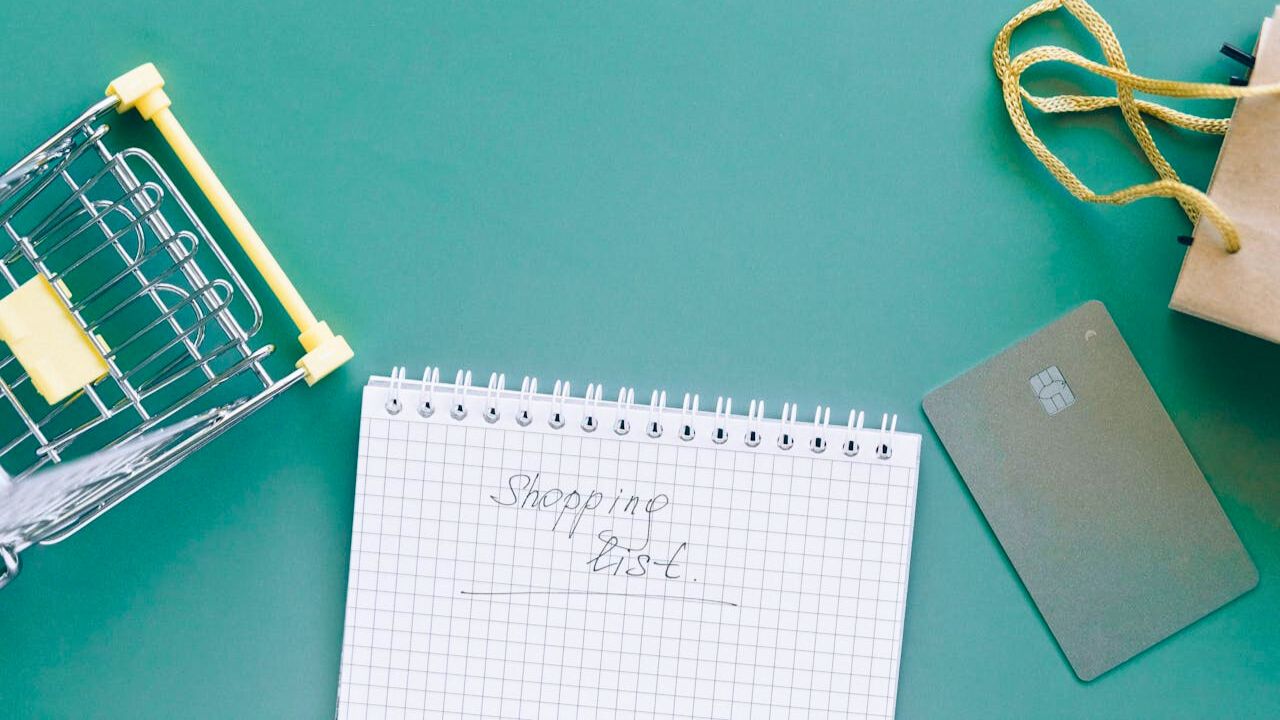
Old advice says, "Plan your list from the ad." That's how you end up with pantry strangers nobody likes. Flip it around.
Plan meals based on what your family actually eats, make your list, then open the store app and search the items that are already written down. Clip any matching coupons or offers. That way, every bit of savings lands on food and products that were already part of the plan, not random things you grabbed because they were "cheap."
3. Focus on a few high-impact categories

You don't need a coupon for everything. Aim your energy where it counts: meat, snacks, paper goods, cleaning supplies, and personal care.
If you find a good sale and a coupon for something like detergent or kids' snacks, great-grab extra. If there's a coupon for an odd sauce you'll never use, skip it. Narrowing your focus keeps couponing from taking over your brain and still trims down the parts of your budget that move the most.
4. Use digital coupons before you ever touch paper

Paper coupons still exist, but digital is easier for most busy seasons of life. Almost every store app has "clip" buttons built in.
Before you shop-or while you're sitting in the car-open the app, search a few items from your list, and tap the offers that match. You don't have to catch them all. Even snagging a handful each trip adds up over a month, and you never have to shuffle slips of paper at the register.
5. Let receipt apps be the last step, not the plan

Receipt apps and cash-back tools are nice, but they become a problem when you shop for the rebates. Keep them at the end of the process instead.
Do your normal shopping with your list and store coupons. When you get home, unpack the bags, snap your receipts in one or two apps you like, and then toss them. Those small rebates turn into gift cards or cash over time, and you didn't buy a single thing just because an app suggested it.
6. Stack one coupon with a sale and call it a win
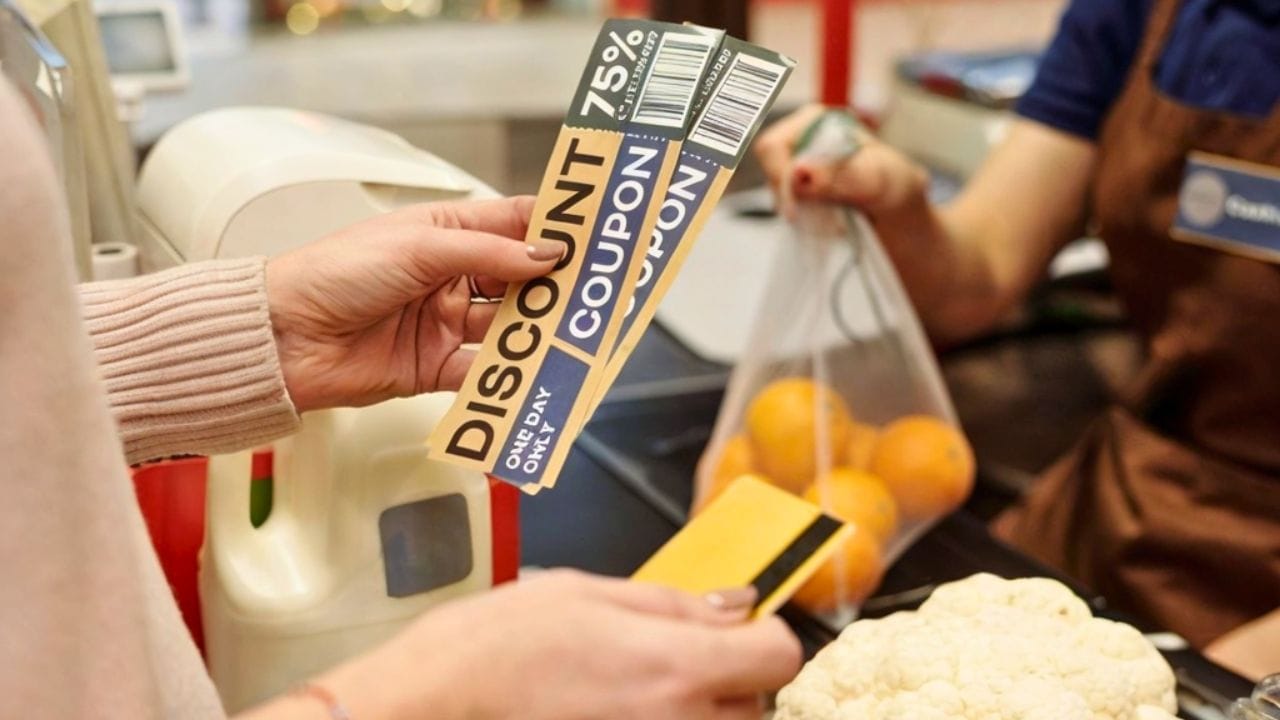
It can be fun to see people pull off three-layer stacks, but you don't have to do that to save real money. For beginners, aim for this: buy on sale, then add one coupon or one app offer.
That might be a store coupon on top of a weekly sale, or a sale item that also has a small cash-back offer. Keeping it this simple means you'll actually keep doing it, which beats a complicated system you drop after two weeks.
7. Set a time limit so it doesn't eat your whole day

Couponing can turn into a time sink if you let it. Give yourself a cap-maybe 10-15 minutes tops before each big grocery trip.
In that time, you can skim the ad, clip a few digital coupons, and scan your receipt when you get home. If a deal takes more energy than that to figure out, it's okay to let it go. Your time matters just as much as your money, and a realistic system is one you'll stick with.
8. Only "stock up" on things your family actually uses
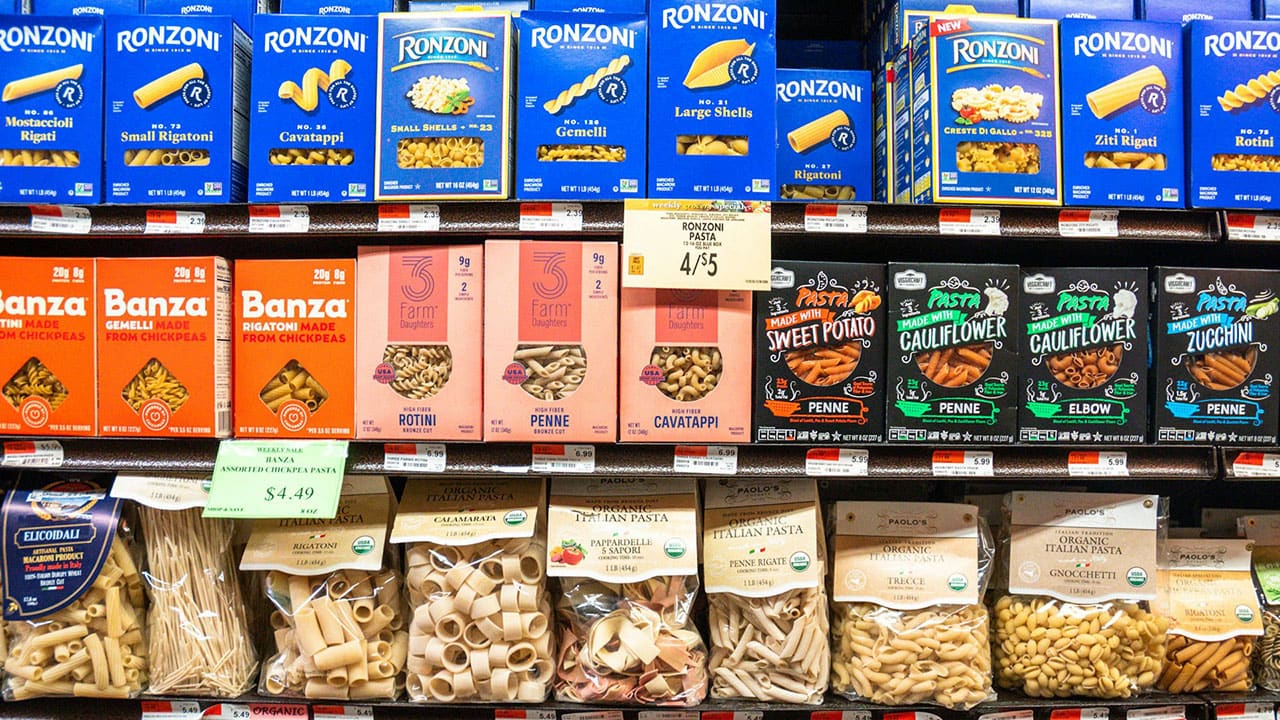
Beginner couponers often make the same mistake: stocking up on whatever is cheap, then discovering nobody in the house likes it. That's not a savings-that's lost money sitting in your pantry.
For now, only buy multiples of items you know for sure will get used: your usual cereal, the brand of pasta you always eat, the trash bags that fit your cans. If it's something totally new, buy one and test it before you ever devote stockpile space to it.
9. Give your savings a job so they don't disappear

If your receipt says "You saved $18," it's easy to think, "Yay!" and then accidentally spend that $18 somewhere else the same day.
Pick a direction for your savings: paying extra on a bill, building a small cushion, or cashing out apps to cover Christmas or birthdays. You don't have to track every penny perfectly, but even loosely putting those savings toward a goal keeps couponing from just turning into "I saved money so now I can spend more."
10. Be okay with "good enough" instead of extreme

The people saving 90% at the register have usually spent years building that skill-and a lot of time chasing it. You don't have to do that.
If your beginner couponing knocks $10-$25 off your weekly basics without stressing you out, that's a huge win over a year. Let "simple and sustainable" be the goal. A system you can run on a tired Tuesday night will always beat some perfect setup that only works when life is calm, quiet, and organized.
Like Thrifty Jinxy's content? Be sure to follow us.
Here's more from us:
How to Make Baby Yoda Cookies with Step-by-Step Instructions
Super Easy Biscuit Recipe with No Shortening
*This article was developed with AI-powered tools and has been carefully reviewed by our editors.






Leave a Reply