
It's easy to let things pile up when the kids move out. You want to hang onto memories, or maybe you're keeping things "just in case" they need them again. Before long, your spare rooms, closets, and even the garage are full of other people's belongings-and you're the one paying for it.
Those boxes, bins, and furniture pieces might seem harmless, but they're quietly eating up your time, space, and money.
You're paying to heat and cool their storage
Every square foot of your house costs something to maintain. When you're keeping old furniture, sports gear, or childhood keepsakes in climate-controlled comfort, you're basically paying their energy bill.
Even a packed guest room or basement takes extra to heat and cool, especially if the vents are open or the door stays shut. Start by clearing one zone-turn it back into usable space, or close it off entirely. The less volume your system has to handle, the lower your bills go.
You're spending to store clutter that no one misses
It's not always emotional stuff that fills your storage-it's everyday leftovers from a life phase that's long gone. Think extra kitchen sets, old mattresses, or duplicate decor your kids didn't want in their new homes.
The hard truth is most of it will never be used again. Go through one area at a time and ask yourself who it's really for. If the answer is "no one," it's time to donate or sell. You'll free up space and stop spending on bins, shelving, or even off-site units to hold what no one needs.
You're insuring things you don't own anymore

Home insurance doesn't just protect your walls-it also covers the contents inside. The more you store, the higher your coverage needs to be. That means you could literally be paying higher premiums for items that belong to someone else.
Once you clear out the excess, contact your insurance provider. You might be able to lower your coverage and save money every year. It's one of those quiet leaks that adds up over time, especially when your square footage no longer matches your actual possessions.
You're cleaning around their leftovers
Even if you're not consciously maintaining those extra items, you're still spending time, effort, and supplies keeping them clean. Dusting around boxes, mopping storage areas, and moving bins to reach corners all take time.
Less clutter means less cleaning. Every item that leaves your house saves you time every week-and time is worth something, too. Once you get used to living without those constant reminders of "someday," your house starts to feel lighter and easier to manage.
You're blocking your own space from being useful
That spare room could be a guest space, an office, or a craft room-but it's still a catch-all for kids' leftovers. The garage could finally hold both cars, but instead it's half filled with old furniture.
The financial cost is more than storage-it's opportunity. You might be avoiding projects or hobbies because there's no room. Once you reclaim those areas, your home starts serving you again, instead of everyone else.
You're emotionally attached to "helping"
Sometimes keeping their things isn't about space-it's about comfort. You tell yourself you're saving them time or money, but often it's an emotional holdover. Letting go feels like cutting a tie, even though it's not.
You can still support your kids without storing their old stuff. Offer to help them go through it or take photos of sentimental items before letting them go. Once you realize the memories don't live in the objects, it's easier to part with them-and easier on your budget, too.
You're paying for convenience that backfires
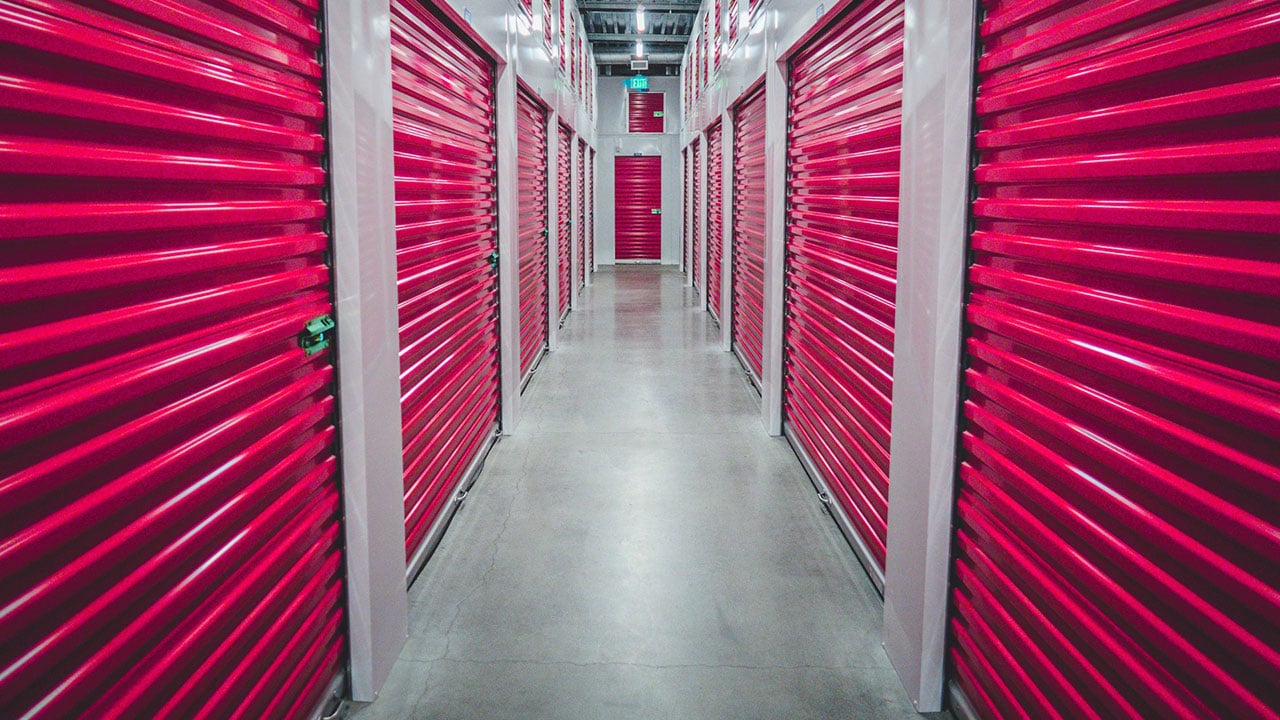
If you've rented a storage unit for "a few months," odds are it's been longer than you think. Those costs can sneak up-$75 here, $100 there-and before long, you've spent more storing things than they're worth.
Set a hard deadline for emptying any storage space. If your kids want to keep something, they can move it to their own home or pay for the storage themselves. You'll be surprised how quickly things lose importance when someone else has to foot the bill.
You're buying duplicates because you can't find what you own
When your storage spaces are overflowing, it's easy to forget what's buried in there. You might end up buying tools, decor, or seasonal gear you already have-just because it's hidden under someone else's stuff.
Once you clear the clutter, you'll rediscover how much you already own. That's money saved upfront, and fewer "quick runs" to the store for items you didn't realize you already had.
Reclaiming your home doesn't mean you love your family any less-it means you're finally letting your space and your spending match your life today. The house worked hard to raise everyone. Now it's your turn to make it work for you again.
*This article was developed with AI-powered tools and has been carefully reviewed by our editors.






Leave a Reply