
Most people don't mean to spend more than they plan to. You set a budget, try to keep track, and still end up wondering where your money went.
The truth is, the extra $300 isn't from one big mistake-it's from a handful of small ones that have quietly become routine. And because they don't feel like "real spending," they slip under the radar month after month.
Subscription creep is quietly eating your balance
Streaming services, cloud storage, delivery memberships, and apps with auto-renew-all of them add up fast. You might've signed up for one or two thinking you'd cancel later, but companies count on people forgetting.
Take a few minutes to look at your bank statement for recurring charges. Most people are shocked to find subscriptions they haven't used in months. Cutting even three of them can save $40-$60 a month without feeling like you're missing anything.
Food spending creeps higher when you're tired or busy
You might think you're spending around the same amount on groceries and eating out each month, but small changes make a big difference. A few drive-thru trips, one dinner delivery, and a couple of impulse snacks at checkout can easily add $100 or more.
If you're serious about cutting back, start tracking what you spend in real time-even a simple phone note works. Awareness alone changes behavior. You'll start to catch the "lazy night" orders or unnecessary extra runs before they turn into a habit.
Utilities keep rising when your habits don't change

Energy costs have gone up across the board, but habits haven't kept pace. Long showers, running the dishwasher half full, or leaving lights and TVs on add to the total without you noticing. It doesn't feel like waste because you're used to it, but those everyday comforts can easily tack another $50-$100 onto your bill.
Try turning your thermostat down a couple of degrees, using cold water for laundry, and cutting shower time by even two minutes. Each small tweak chips away at those invisible costs that pile up quietly every month.
Grocery inflation hides in your cart
You might be buying the same things you always have, but they're not the same prices. Between shrinkflation and higher base costs, it's easy to overspend without realizing it. That $150 grocery run from last year might be closer to $200 now-and most people haven't adjusted their expectations.
Compare receipts from a few months apart and you'll see it clearly. The best way to fight it is to shop intentionally. Plan meals around what's on sale, try store brands, and watch for bulk deals that actually make sense for your household size.
You're still paying for "convenience"
That extra fee for grocery delivery, the gas from two short errands, the small upgrades at checkout-these are the convenience charges that add up without you noticing. Companies have made it easy to trade a few dollars for comfort, and when you multiply that by dozens of small moments, it becomes a real monthly expense.
You don't have to give up convenience altogether. Just pick the ones that truly make your life easier and cut the rest. A little effort-like picking up your own order or planning errands together-can save you more than you'd think.
Interest and fees chip away quietly
Late payments, credit card balances, or overdraft fees can easily eat $25-$75 a month, especially if you're juggling multiple accounts. Even one forgotten payment can snowball with fees and interest.
Setting up auto-pay or reminders helps keep your money where it belongs. If you carry a balance, call your credit card company and ask for a lower rate-it works more often than people realize. Small changes in how you handle bills can protect hundreds over a year.
Little luxuries don't feel like spending-until they do
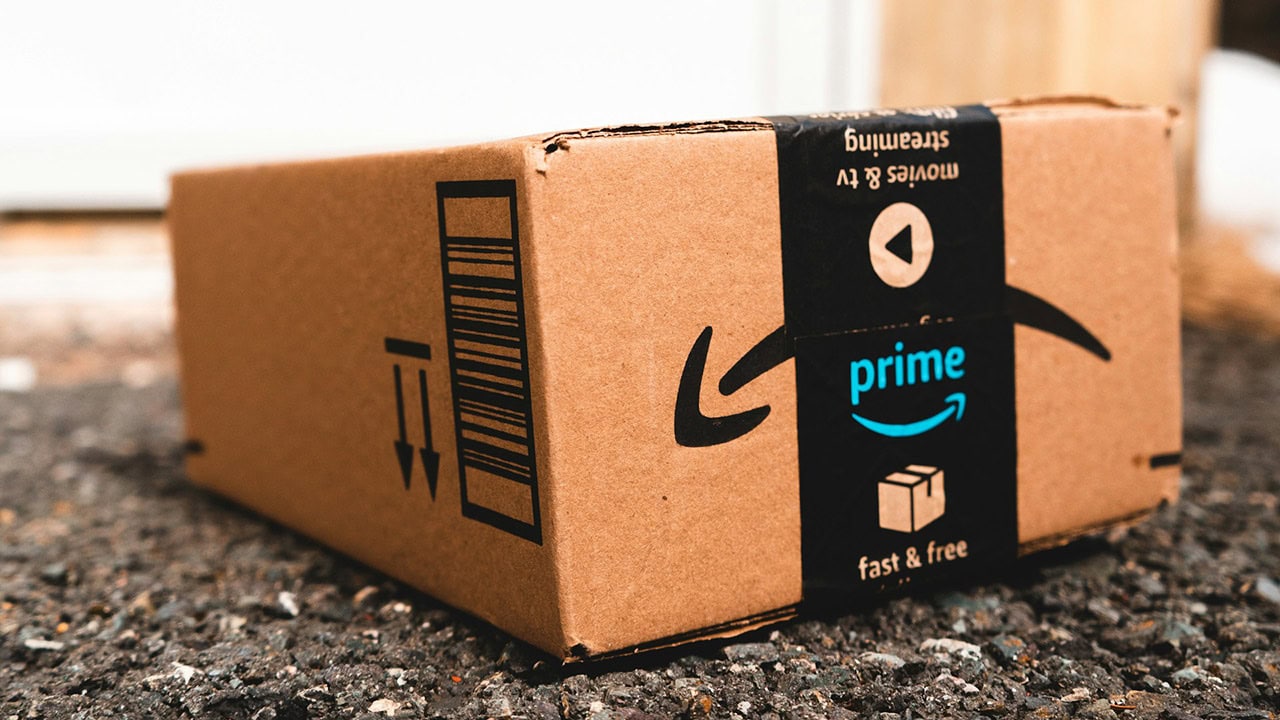
Coffee runs, quick Amazon purchases, or small decor buys don't seem like much in the moment. But those "under $20" transactions add up fast. Most people underestimate them by more than half when budgeting.
If you're not sure where the money's going, try tracking every nonessential purchase for one week. You don't have to cut them all-just seeing them lined up will make it clear which ones are worth keeping and which ones are quietly draining you.
Repairs and maintenance sneak in under "necessary"
Car washes, oil changes, home repairs-those are the kind of expenses you can't always avoid, but they add up faster when you don't plan for them. Paying out of pocket each time makes it feel like an emergency, even when it's routine.
Start setting aside a small monthly amount for maintenance-$50 to $100 depending on your needs. It won't lower the cost itself, but it'll smooth out your spending and stop those sudden hits that throw your whole month off balance.
Once you add it all up-subscriptions, food creep, utilities, and impulse buys-it's easy to see where $300 disappears. The good news is, you can get it back. Every small fix adds up, and you don't have to overhaul your life to feel the difference. It's not about cutting everything-it's about finally noticing where the money's leaking and tightening the tap.
*This article was developed with AI-powered tools and has been carefully reviewed by our editors.






Leave a Reply